
Film
Tale of Tales
Other titles called Tale of Tales: the 1979 film.
- Fairy tale
- Drama
- Strange
Matteo Garrone's baroque fantasy riffs on Italian folktales with three interwoven stories of obsession, desire, and the prices paid for wish-fulfillment. It's visually ornate and narratively twisted—less fairy tale than fever dream. Lean into strangeness and you'll find something unforgettable; resist it and you'll feel adrift.
Should you watch it?
Watch it if you love fairy tales told with a grave, earthy strangeness, where wonder and grotesquerie sit side by side and the camera lingers on baroque costume and bleak landscape.
Skip it if you want brisk storytelling; the three separate tales move slowly, the 134 minutes feel long, and the darker turns can be hard to sit through.
What it asks of you: Patience for three unhurried stories stacked together, a tone that shifts from tender to unsettling, and willingness to let images carry meaning without much explanation.
Not sure? Find tonight's pick in a minute.
If you liked this
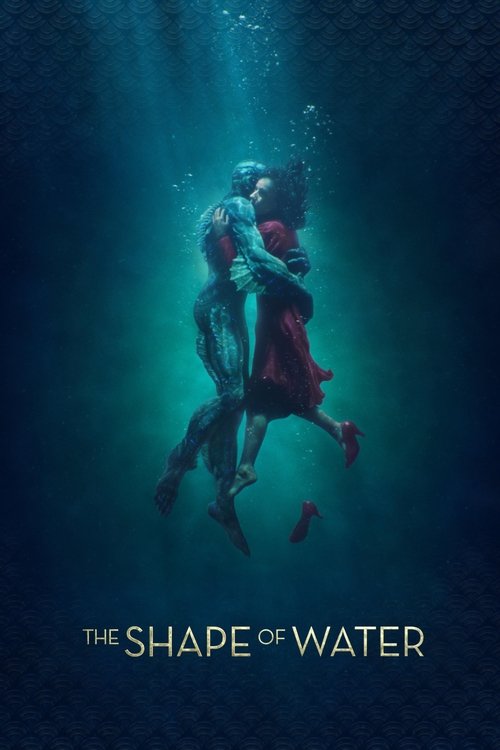
The Shape of Water2017
Another adult fairy tale that marries gothic romance with body horror, where desire and loneliness twist into something beautiful and unsettling. Guillermo del Toro's visual imagination shares Tale of Tales' commitment to making the impossible feel tactile.
But It's gentler and more earnest than Tale of Tales—if you're drawn to that film's deliberate grotesquerie, you might find this too sentimental by comparison.
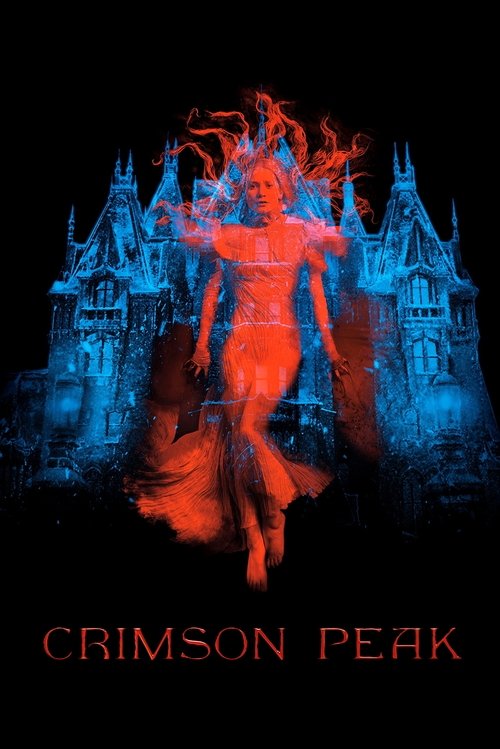
Crimson Peak2015
Shares the same year and sensibility: a rich gothic fantasy built from atmosphere, production design, and the marriage of horror to romance. It trusts you to feel dread and desire simultaneously without apologizing for either.
But Del Toro keeps things legible; Garrone luxuriates in opacity. If you need narrative clarity, this will frustrate you.
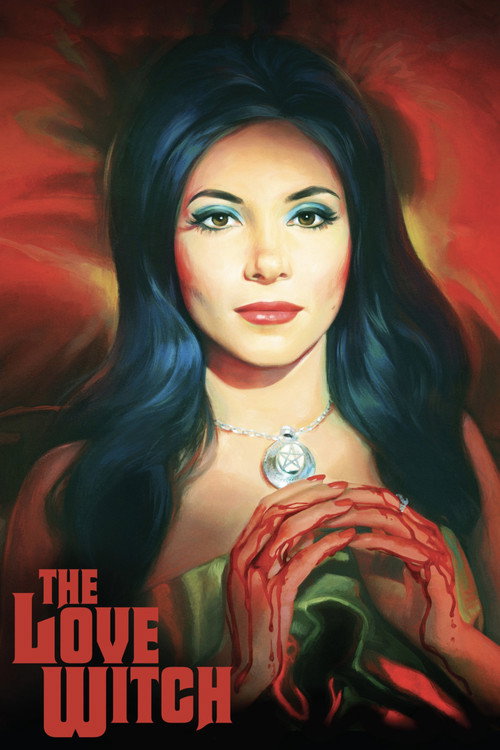
The Love Witch2016
Another 2015 film that builds a complete aesthetic world and uses genre—here, horror-tinged noir—as a vehicle for exploring female obsession. Deliberately artificial in its beauty, unafraid to be strange and funny.
But It's campy in a knowing way that Tale of Tales isn't. The tones are different enough that loving one doesn't guarantee the other.
Not sure tonight? Get a pick in a minute, starting from Tale of Tales
The wildcard
Something you would not have found on your own.
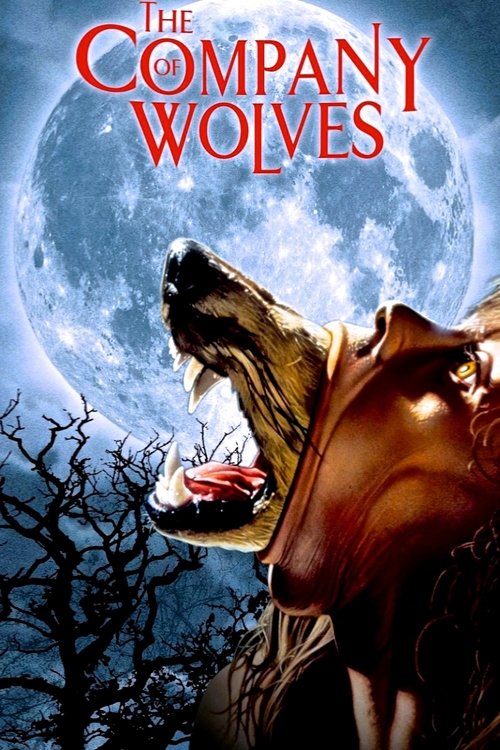
The Company of Wolves1984
Both are literary adaptations (Italian folktales vs. Carter's reimagined fairy tales) that trust the form itself—nested stories, folkloric repetition, the logic of dreams—over conventional plot. Both privilege image and mood over clarity.
Neil Jordan's adaptation of Angela Carter's Bloody Chamber stories shares Tale of Tales' commitment to fairy-tale logic as a framework for exploring desire and danger. It's a film built from stories within stories, layered and dreamlike, where the grotesque and the sensual coexist.
But Low-budget 80s effects and a fractured narrative structure make it feel slighter than it is. You're choosing atmosphere and imagination over spectacle.
More like this (8)
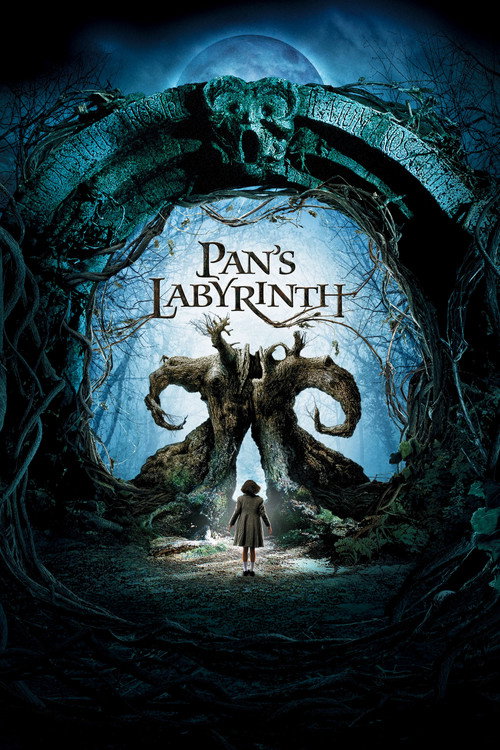
Pan's Labyrinth2006
Del Toro's masterpiece also braids fairy tale logic with genuine darkness and a specific visual grammar. It has the same conviction that fantasy need not be whimsical, that it can hold weight and consequence.
But Much more narratively coherent and thematically unified. Tale of Tales feels fragmentary by design, which some will find liberating and others will find exhausting.
Suspiria1977
Dario Argento's horror opera prioritizes pure style and unease over plot logic. Like Garrone, he orchestrates color, sound, and image into something that bypasses rational thought and speaks directly to the lizard brain.
But Black-and-white and shot on video, it looks deliberately artificial in ways that might read as cheap rather than artistic depending on your patience.

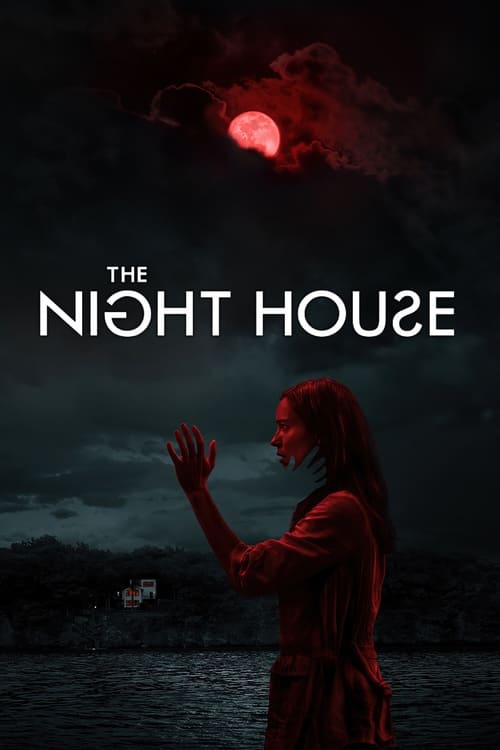
The Night House2021
Another film about obsession and desire eating someone alive from the inside, rendered with visual sophistication and a refusal to offer easy comfort. Rebecca Hall gives a performance of genuine anguish in a film that earns its strangeness.
But Contemporary and grounded in a way Tale of Tales categorically isn't. If you're watching for baroque excess, you'll miss it here.
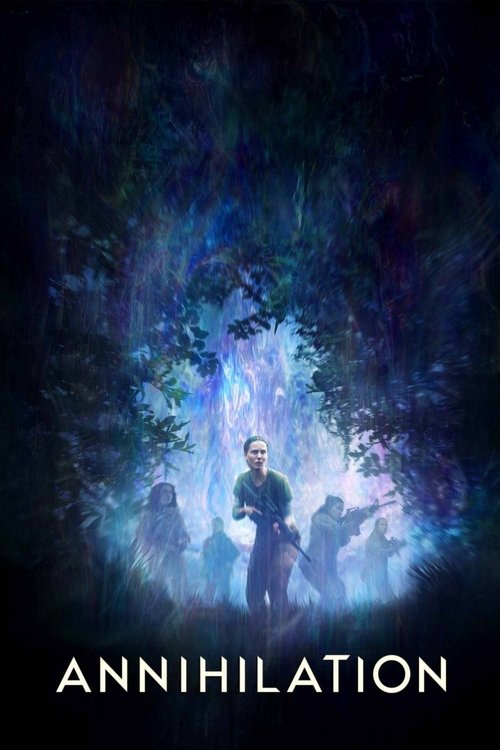
Annihilation2018
Shares the same commitment to visual beauty deployed in service of wrongness. It's a film that trusts its audience to sit with dread and bewilderment, to be changed by experience rather than reassured by plot.
But Science fiction rather than fantasy, and far more intellectual. The strangeness here serves an idea; in Tale of Tales, the strangeness is partly the point itself.
The Ballad of Little Jo1993
A fairy tale about transformation and the cost of becoming someone else, shot through with a keen eye for both beauty and the cruelty beneath it. Like Garrone, Reichardt builds her world with patience and refuses easy sentiment.
But Austere, slow, and willfully unglamorous. Tale of Tales is lush; this is spare. Completely different aesthetic approach to similar concerns.

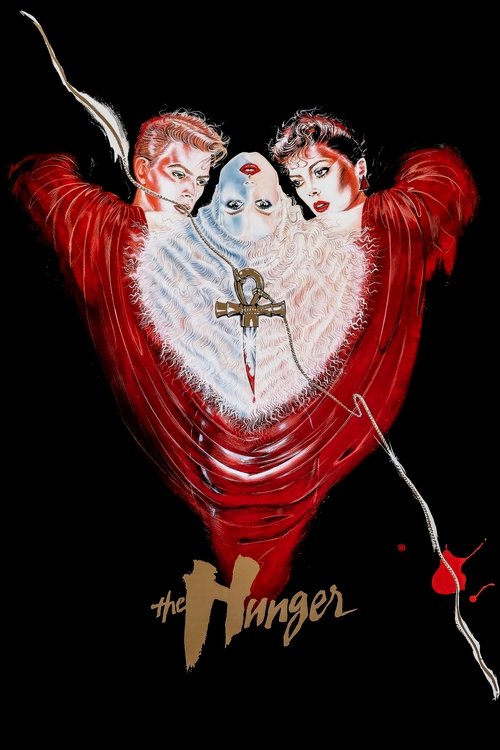
The Hunger1983
Tononi's vampire film trades in decadence, desire, and the grotesque made gorgeous. It's another film that knows obsession and beauty and horror are not opposites but variations on the same frequency.
But Extremely dated in some ways, and less visually assured than the films around it. You're watching it for mood and the David Bowie/Catherine Deneuve pairing, not craft.
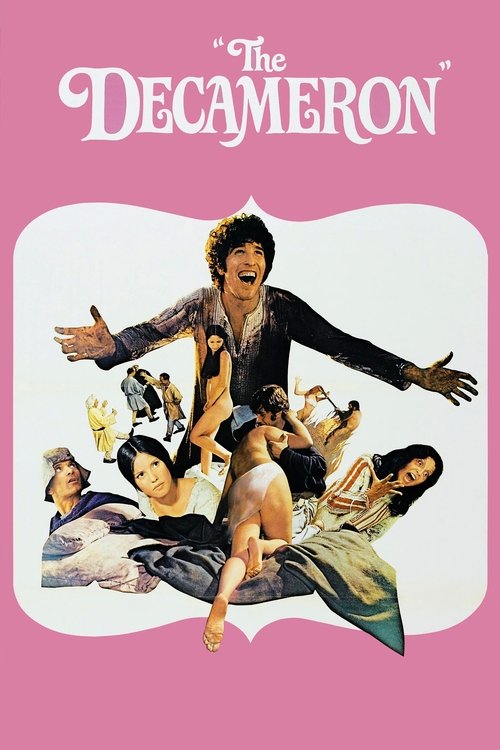
The Decameron1971
Both take from Italian literary sources (Basile's Pentamerone, Boccaccio's Decameron) and use multiple interwoven stories to explore obsession, desire, and consequence. Both are fascinated by the body and what it wants.
Pasolini's adaptation of Boccaccio is a kaleidoscope of Italian stories bound by erotic energy and a baroque visual language. Like Tale of Tales, it moves between different worlds and characters bound by theme rather than plot, and it luxuriates in the grotesque and the beautiful without apology.
But Explicitly sexual in ways that will shock or bore depending on your tolerance. Dated cinematography and a sometimes-flat narrative make it feel more like a provocation than a story.
Under the Skin2014
Both films prioritize atmosphere and visual strangeness over narrative clarity, trusting the audience to sit with discomfort. Both are interested in transformation and desire as forces that remake the self. Both ask you to feel rather than understand.
Jonathan Glazel's sci-fi horror film builds world from pure image and mood, with minimal dialogue and no concession to plot clarity. Scarlett Johansson becomes something other than human, and the film trusts you to feel unease without explaining it. It's cinema as pure sensation.
But Deliberately opaque and punishing to watch. If you need narrative or character psychology, this will alienate you completely. Some will call it pretentious; they won't be wrong to wonder if the emperor has clothes.

People
Cast
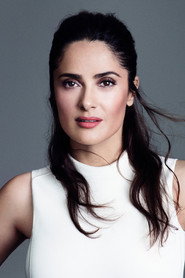 Salma Hayek PinaultQueen of Longtrellis
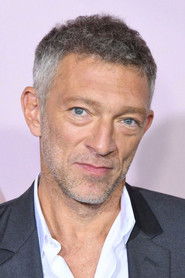 Vincent CasselKing of Strongcliff
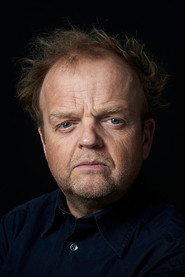 Toby JonesKing of Highhills
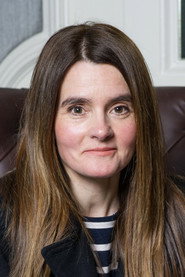
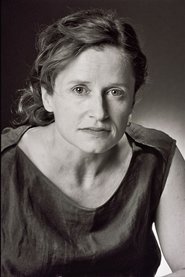
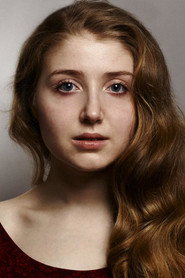 Bebe CaveViolet
 Stacy MartinYoung Dora
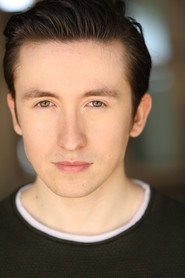 Christian LeesElias
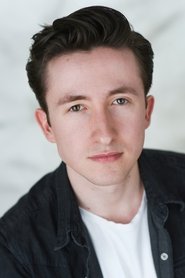 Jonah LeesJonah
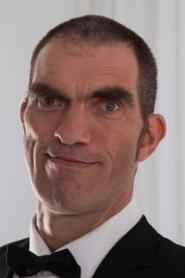
 Alba RohrwacherMother Circus Performer
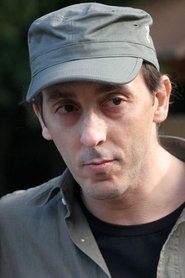 Massimo CeccheriniFather Circus Performer
Directing
- Brando De SicaAssistant Director
- Elvis FrascaAssistant Director
- Matteo GarroneDirector
- Andrea TagliaferriFirst Assistant Director
- Nicola DeorsolaFirst Assistant Director
- Paolo TrottaFirst Assistant Director
- Nunzia De StefanoOther
Writing
- Giambattista BasileBook
- Edoardo AlbinatiScreenplay
- Massimo GaudiosoScreenplay
- Matteo GarroneScreenplay
- Ugo ChitiScreenplay
- Edoardo AlbinatiStory
- Massimo GaudiosoStory
- Matteo GarroneStory
- Ugo ChitiStory
Production
- Ilena AquinoAssistant Location Manager
- Neri MiganiAssistant Unit Manager
- Alainée KentAssociate Producer
- Andrea ZosoAssociate Producer
- Davide ToviAssociate Producer
- Justin KellyAssociate Producer
- Chiara PolizziCasting
- Jessie FrostCasting Assistant
- Olivia BrittainCasting Assistant
- Jina JayCasting Director
- Paolo Del BroccoCo-Producer
- Alessio LazzareschiExecutive Producer
- Anne SheehanExecutive Producer
- Nicki HattinghExecutive Producer
- Peter WatsonExecutive Producer
- Sheryl CrownExecutive Producer
- Pietro ManigrassoExtras Casting
- Salvatore PecoraroFinance
- Gianluca ChiarettiLine Producer
- Fabio MariniLocation Manager
- Gennaro AquinoLocation Manager
- Simona MorgantiniPayroll Accountant
- Guendalina FoladorPost Production Coordinator
- Anne-Laure LabadieProducer
- Jean LabadieProducer
- Jeremy ThomasProducer
- Matteo GarroneProducer
- Andrea RapalliniProduction Assistant
- Antonio BassoProduction Assistant
- Fabio Di PasqualeProduction Assistant
- Gerard DiefenthalProduction Assistant
- Luca CennameProduction Assistant
- Luca De GiorgiProduction Assistant
- Paola PiattelliProduction Assistant
- Raffaello LiguoriProduction Assistant
- Stefano PietriniProduction Assistant
- Federica CinquepalmiProduction Coordinator
- Michela RossiProduction Manager
- Claudia CravottaUnit Manager
- Maurizio MiloUnit Manager
- Michela RossiUnit Production Manager
Recommended by
The Golden Compass, Hansel & Gretel: Witch Hunters, Painted Skin, Snow-White, The Little Prince