
Film
The Night Before Christmas
Other titles called The Night Before Christmas: the 1905 film, the 1913 film.
A Soviet animated fantasy from 1951, adapting Gogol's Ukrainian tale of a lovestruck blacksmith who strikes a Faustian bargain with the Devil to win his beloved. It's gorgeously drawn, warmly comic, and moved by genuine affection for its characters. Perfect for anyone who loves fairy tales that aren't afraid of a little mischief.
If you liked this
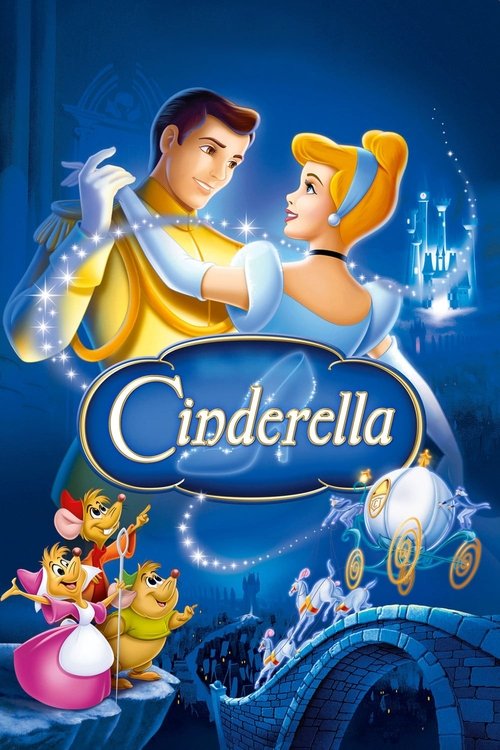
Cinderella1950
Disney's version shares the same fairy-tale DNA: a poor but virtuous protagonist, magical intervention, and a journey to win love through an impossible task. The animation is sumptuous and the transformation scenes will mesmerize you.
But It's saccharine in ways that haven't aged perfectly, and the heroine is much more passive than Vakula—she waits rather than schemes and acts.
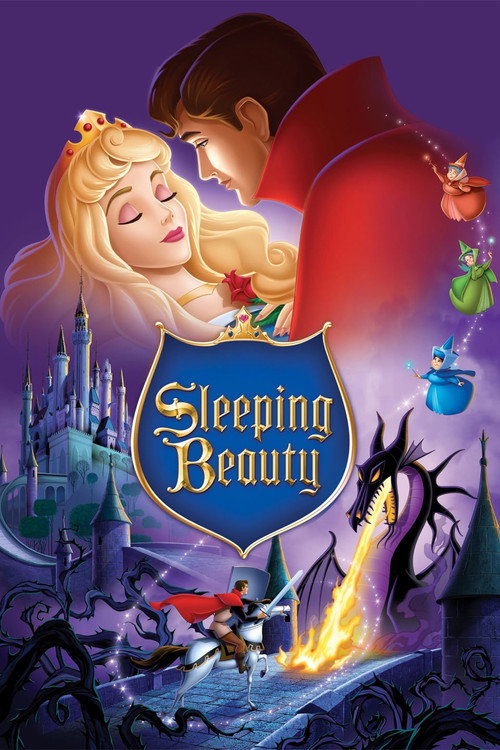
Sleeping Beauty1959
Another lush animated classic with genuine stakes and a devil-like villain in Maleficent. The design is extraordinary, influenced by medieval art, and it shares that European fairy-tale darkness that Soviet animation understood so well.
But The plot meanders badly in the middle, and Aurora herself barely registers as a character before the climax arrives.
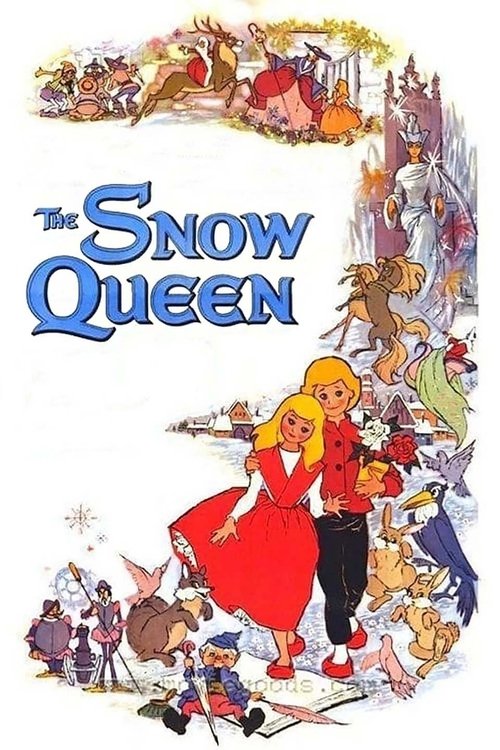
The Snow Queen1957
A Soviet animated film adapted from Hans Christian Andersen, also directed with painterly beauty. It has the same sense of adventure, magic that carries real consequences, and a hero willing to cross impossible distances for love.
But At 72 minutes, it's slower-paced than modern audiences expect, and some sequences feel repetitive even if they're gorgeous.
Not sure tonight? Get a pick in a minute, starting from The Night Before Christmas
The wildcard
Something you would not have found on your own.
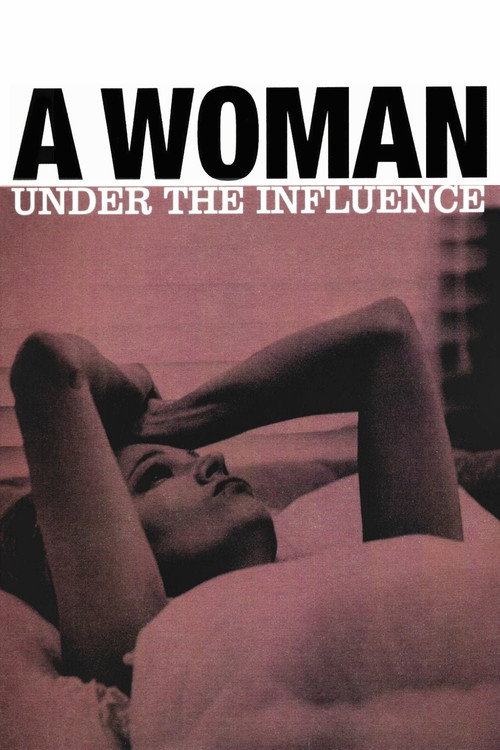
A Woman Under the Influence1974
Both films are essentially love stories about characters who want something they can't have, told with visual poetry and genuine empathy rather than sentiment. The register is completely different, but the engine is the same.
John Cassavetes' intimate portrait of a woman unraveling—shot like documentary, performed with raw vulnerability. It shares *Night Before Christmas*'s faith that ordinary people are tragic and comic and worth watching closely. The tenderness toward characters in impossible situations is the same.
But It's nearly three hours of handheld chaos with no plot, barely any music, and performances that some will read as indulgent rather than moving. The emotional intensity is relentless.
More like this (7)
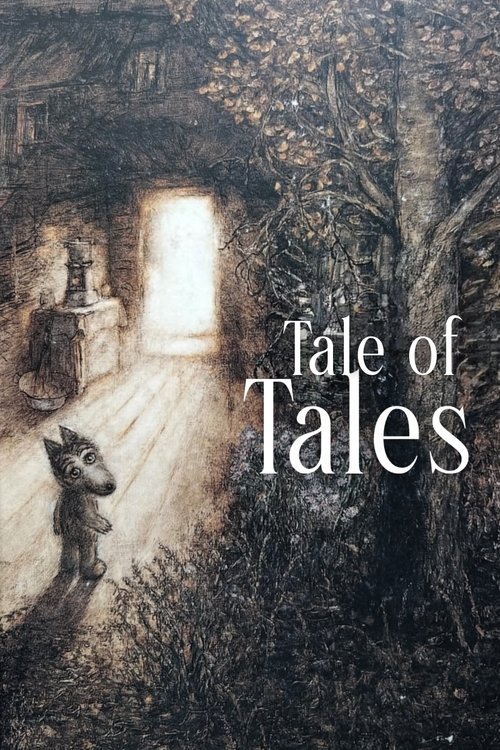
Tale of Tales1979
Yuri Norstein's masterpiece is stop-motion poetry—three interwoven Russian folk tales told with such visual sophistication and emotional depth that it rewires how you understand animation. Every frame is a painting.
But It's abstract and atmospheric rather than plot-driven. There are no clear heroes or villains, and some will find it oblique to the point of frustration.
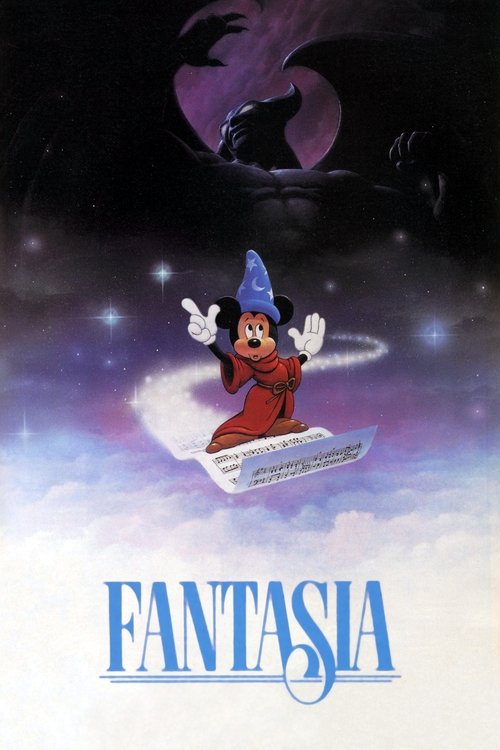
Fantasia1940
Disney's experimental symphony film shares animation's capacity for pure visual storytelling without dialogue. The segments with clear narrative—like *The Sorcerer's Apprentice*—have the same blend of comedy, danger, and magical transgression.
But Half of it is abstract animation set to classical music, which alienates people who came for plot. The pacing is deliberately contemplative rather than propulsive.
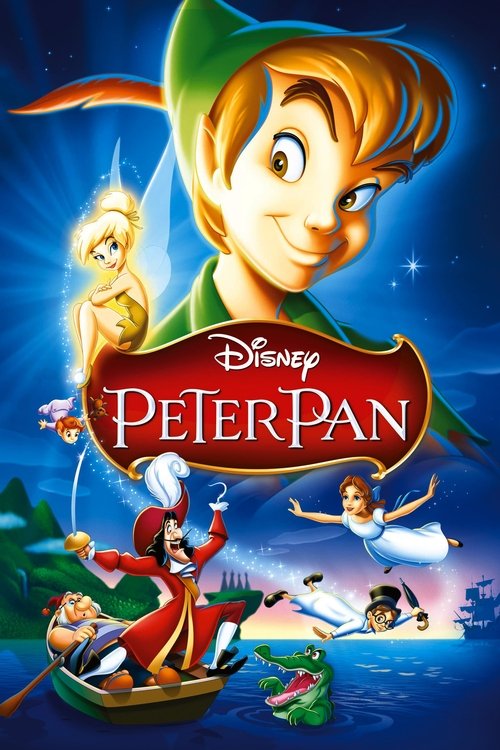
Peter Pan1953
Another mid-century animated adventure with a morally ambiguous leading character, magical stakes, and a journey to an impossible place. It has genuine creepiness alongside the whimsy—Captain Hook is no joke.
But The racial caricatures in the Native American sequence are deeply uncomfortable, and the gender politics are stuck in their era.
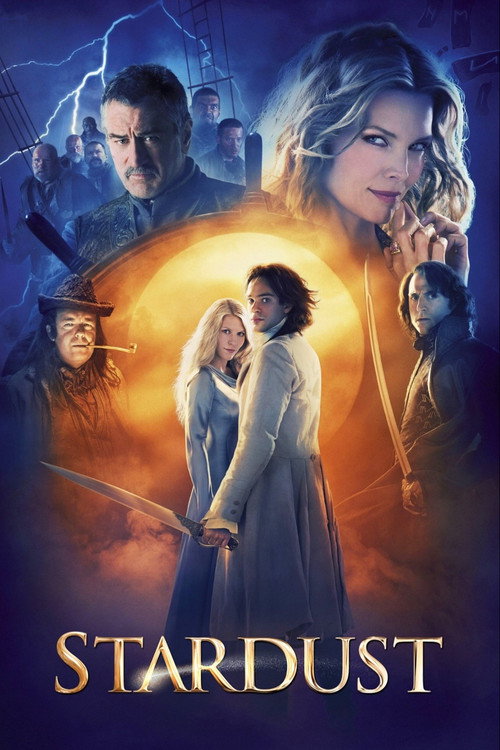
Stardust2007
A fantasy adventure that understands how to tell a fairy tale for adults without winking. It has the same blend of romance, magic, danger, and a hero willing to cross impossible distances—plus witches and pirates and genuine swashbuckling fun.
But It leans too heavily on the ironic tone of the 2000s. Some character arcs resolve too easily, and it tries to please everyone.
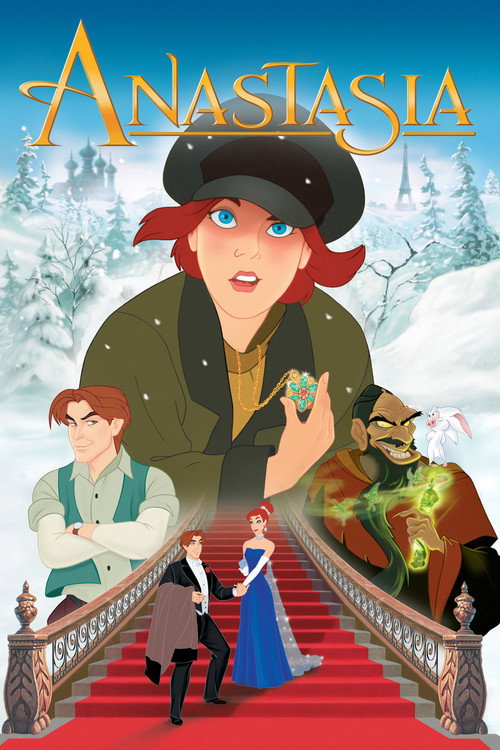
Anastasia1997
Another animated adventure set in Russia, with a blacksmith character, a journey across an impossible landscape, and romance with genuine obstacles. The design is warm and the voice acting is charismatic.
But It softens and sentimentalizes Russian history into a fairy tale, and the animation is considerably slicker and less painterly than earlier classics.
The Seventh Seal1957
Both pivot on a protagonist making a deal with demonic forces to achieve something impossible. But Bergman strips away the fairy tale and forces you to watch someone reckon with what they've actually bargained for.
Bergman's masterpiece about a knight playing chess with Death features the same Faustian bargain at its heart, the same dark comedy running beneath serious stakes, and the same willingness to ask whether love and meaning survive encounter with the Devil.
But It's austere, philosophically heavy, and moves at a processional pace. There's almost no music, and the black-and-white cinematography is deliberately bleached of comfort.

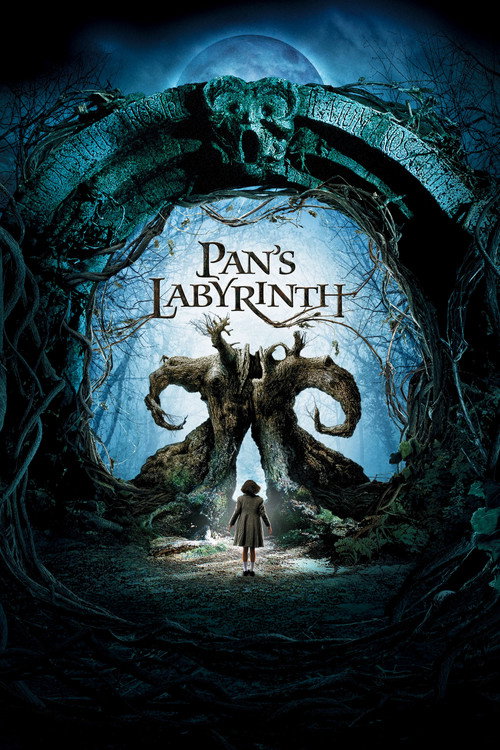
Pan's Labyrinth2006
Both use fantasy bargains—a blacksmith's pact with the Devil, a girl's pact with a faun—to ask whether magic can solve the problems that love creates. Both discover the answer is no, but keep going anyway.
Guillermo del Toro's dark fantasy uses the same marriage of fairy-tale logic and real danger. A girl negotiates with supernatural forces in a world where fascism is the actual threat. The creature design is extraordinary, the atmosphere is hypnotic, and the stakes are genuinely mortal.
But It's not really a children's film despite its fantastical elements. Violence erupts without warning, the ending breaks its own fairy-tale logic, and the mood is claustrophobic rather than liberating.
People
Cast
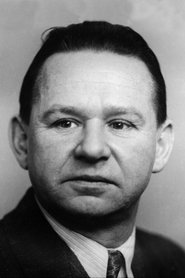 Vladimir GribkovThe Devil (voice)
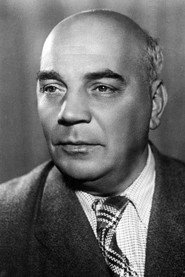 Aleksei GribovNarrator (voice)
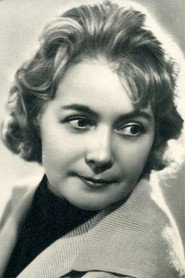 Liliya GritsenkoOksana (voice)
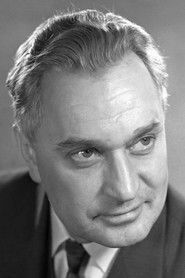 Nikolai GritsenkoVakula (voice)
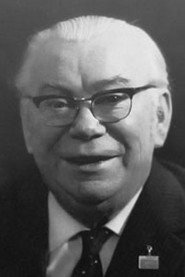 Mikhail YanshinChub (voice)
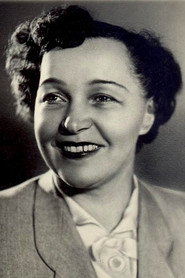 Vera MaretskayaSolokha (voice)
- Aleksei ZhiltsovThe Head (voice)
Directing
- Galina BrodskayaAssistant Director
- Tatyana FyodorovaAssistant Director
- Valentina BrumbergDirector
- Zinaida BrumbergDirector
Writing
- Mikhail YanshinScreenplay
- Valentina BrumbergScreenplay
- Zinaida BrumbergScreenplay
- Nikolai GogolShort Story
Production
- Yakov BliokhExecutive Producer