
Film
The Night Before Christmas
Other titles called The Night Before Christmas: the 1905 film, the 1951 film.
A 1913 Russian silent comedy where a blacksmith makes a Faustian bargain with the Devil to win his love's hand. Gogol adapted into wild slapstick, full of supernatural chaos, crude special effects, and the kind of anarchic energy that predates everything we think of as cinematic comedy. Pure joy from cinema's infancy.
Should you watch it?
Watch it if you love early silent fantasy where folk-tale mischief, a devil and a village full of witches play out with broad, hand-made stagecraft and a wink.
Skip it if you need modern pacing or sharp dialogue, since this is a 41-minute silent piece with intertitles and stagey acting that can feel creaky to a viewer raised on sound.
What it asks of you: Under an hour of brisk, bright tableaux that asks you to track physical gags and costume-driven comedy without much patience for slow setup.
Not sure? Find tonight's pick in a minute.
If you liked this
Nosferatu1922
The German Expressionist masterpiece that proved silent cinema could do horror and beauty at once. Count Orlok is unforgettable, and the visual language—shadows, geometry, dread—still works.
But It moves slowly by modern standards, and the print quality varies wildly depending on which restoration you find. Patience required.

Battleship Potemkin1925
Eisenstein's revolutionary montage technique turned a minor naval mutiny into cinema itself. The Odessa Steps sequence alone changed what movies could do. Visceral, political, formally brilliant.
But It's a political film made by a propagandist, and that agenda doesn't hide. Some find it didactic. Also, silent and in Russian, so subtitles and concentration both matter.

Intolerance: Love's Struggle Throughout the Ages1916
D.W. Griffith's mad, sprawling epic jumps between four historical periods to argue against—well, intolerance. The sets are enormous, the ambition staggering, the technical innovation real. Cinema trying to say something big.
But Three and a half hours long, structurally confusing, and Griffith's politics are deeply ugly outside the stated theme. It's a fascinating mess, not always a coherent one.

Not sure tonight? Get a pick in a minute, starting from The Night Before Christmas
The wildcard
Something you would not have found on your own.
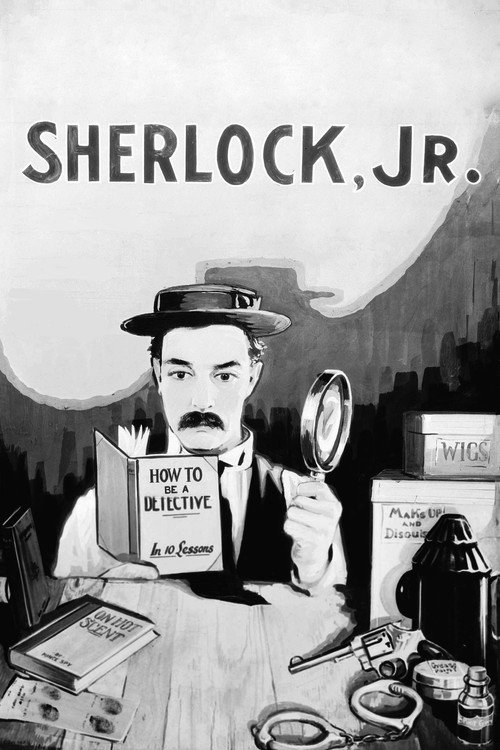
Sherlock Jr.1924
Both are fantastical comedies that treat the impossible—a devil, a dreamworld—as a playground for sight gags and visual invention. Both trust cinema's magic over narrative sense.
Buster Keaton plays a projectionist who dreams himself into a film, then can't escape it. Virtuoso physical comedy meets meta-cinema—he fights the logic of editing, gravity, narrative itself. Funniest silent film ever made.
But Slapstick comedy ages unevenly. If you don't find physical gags funny, you won't find this funny. It also requires accepting that plot is secondary to execution.
More like this (7)
The Cabinet of Dr. Caligari1920
Warped sets, contorted shadows, a narrative twist that predates the whole twist-ending industry. German Expressionism at its peak, telling a story about madness and authority that feels genuinely uncanny.
But The story is thin and the pacing glacial if you're not already sold on the visual style. It's more mood than plot, which some find pretentious rather than atmospheric.

The Phantom Carriage1921
A Swedish ghost story about redemption and regret, technically stunning—the multiple exposures and trick photography are gorgeous—and genuinely moving. Melancholy and moral without being preachy.
But It's slow and very sad. The special effects, while beautiful, are obviously artificial by modern eyes. Not for anyone wanting lightness or speed.

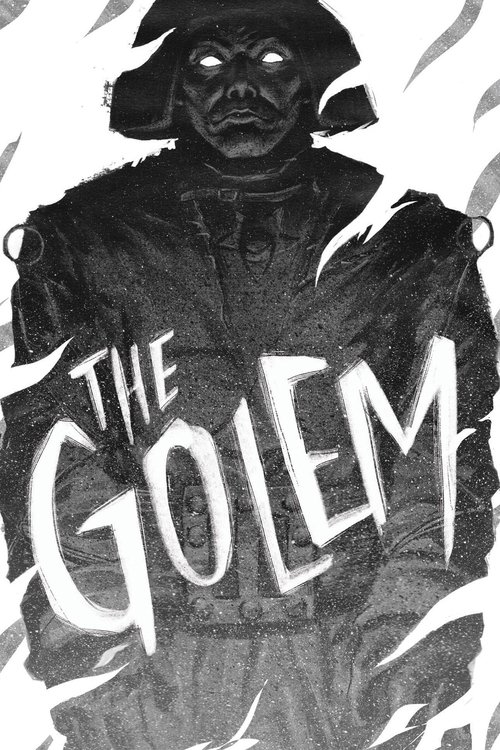
The Golem: How He Came into the World1920
Another Expressionist jewel, this one about a rabbi who creates a clay giant to protect Prague's Jews. Towering sets, real claustrophobia, and a creature design that influenced everything after. Folklore as cinema.
But The plot is simple and the pacing meditative. If you need a driving narrative or character development, this will feel static. It's a mood piece first.
Häxan1922
A Swedish documentary-essay about witchcraft and superstition that becomes increasingly surreal and nightmarish. Demons, torture, sex, hallucinogenic visuals. Shocking, funny, singular. Nothing quite like it exists.
But It treats medieval suffering as spectacle, and some of that lands as exploitative now. Also wilfully strange in ways that can feel self-conscious. Not for the literal-minded.

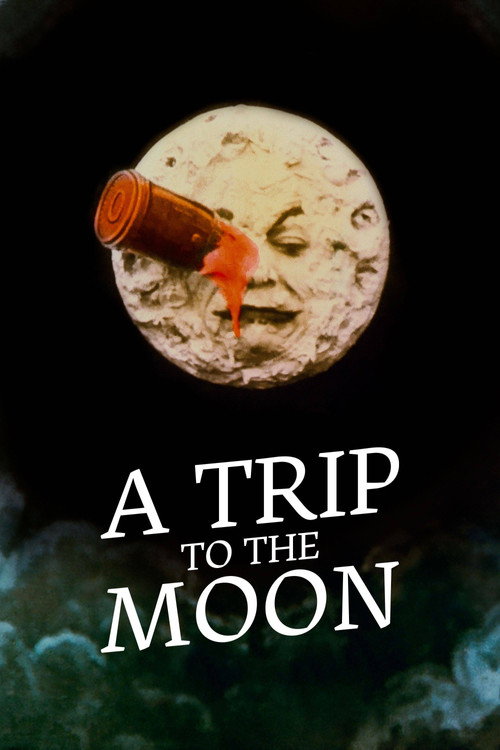
A Trip to the Moon1902
Méliès' 14-minute fantasy about traveling to the moon. Hand-painted, impossible, pure imagination made visible. The birth of science fiction cinema and the proof that movies could be anything.
But At 14 minutes, it's more appetizer than meal. The acting is broad, the plot nonexistent. Some find it charming; others find it quaint and slight.
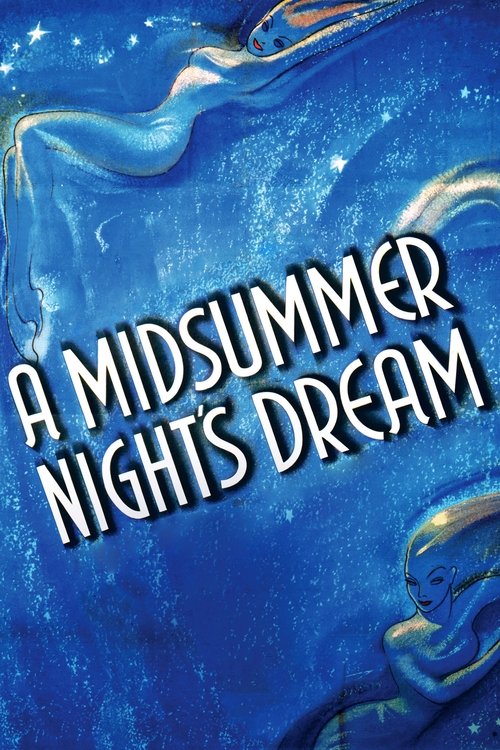
A Midsummer Night's Dream1935
Both adapt literary folklore into visual gags and supernatural chaos. Both are comfortable with artifice—they don't hide the tricks, they celebrate them. Both are about desire thwarted and granted by magical intervention.
Max Reinhardt's film of Shakespeare's play, a full-scale studio production with Mendelssohn's score, a young James Cagney, and genuinely extravagant fairy sequences. Theatrical, elaborate, a bit mad—Shakespeare as spectacle.
But It's stagebound and self-consciously artificial in ways that feel heavy-handed now. The fairy magic looks like 1930s stage machinery, not enchantment. For some, that reads as camp rather than wonder.
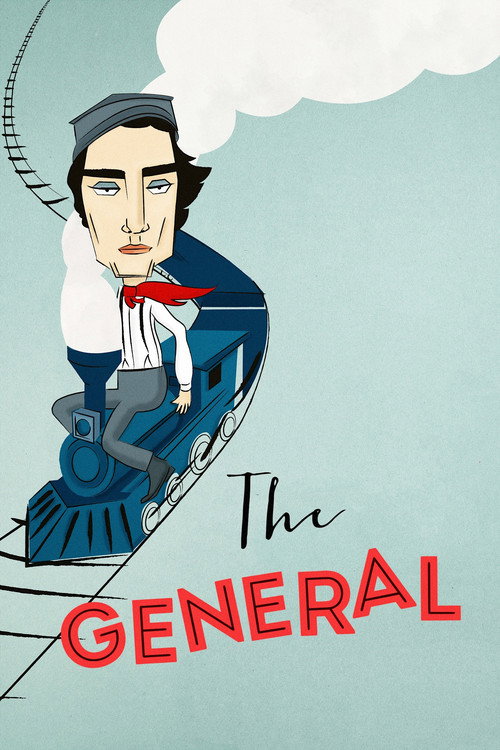
The General1926
Both traffic in impossible situations resolved by improvisation and charm. Both are early cinema at its most confident, willing to spend enormous resources on jokes. Both believe that the Devil and machines alike can be outsmarted by a clever man.
Buster Keaton as a Confederate train driver during the Civil War, in a chase film of insane practical ingenuity. Every frame is composed like painting; every gag costs real money and real danger. A perfect film about love and loyalty and trains.
But It's a Confederate hero narrative, which makes the politics uncomfortable. It's also long (80 minutes) and its humor is entirely physical—no dialogue, no respite, pure cinema. Some find that exhausting rather than exhilarating.
People
Cast
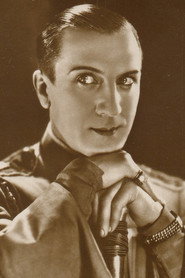 Ivan MosjoukineDevil
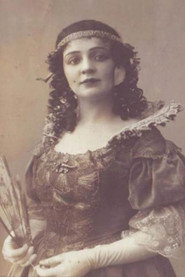 Olga ObolenskayaOksana
- Lidiya TridenskayaSolokha
- Petr LopuhinVakula
- Aleksandr KheruvimovGolova
- Pavel KnorrChub
- Praskovya MaksimovaOksana's mother
Directing
- Władysław StarewiczDirector
Writing
- Nikolai GogolShort Story
- Władysław StarewiczWriter