
Film
Sleeping Beauty
Other titles called Sleeping Beauty: the 2011 film.
Disney's 1959 masterpiece trades the studio's warmth for gothic elegance and visual ambition. A princess cursed by an ancient evil, a prince who barely speaks, and three bumbling fairies form an unexpectedly dark fairy tale. It looks like nothing else in animation—rotoscoped, architectural, sometimes unsettling. For anyone who thinks animation is just for kids, or that Disney always plays it safe.
Should you watch it?
Watch it if you love old-fashioned hand-drawn fairy tales where the villain gets the best scenes and the romance is all glances and stately song.
Skip it if you want a lean modern plot, since the story is thin and the stretches of gliding, decorative imagery can feel like waiting for the plot to catch up.
What it asks of you: Little more than seventy-five minutes, and it moves at a courtly, unhurried pace, so it wants you to settle into its painted, music-led rhythm rather than chase fast cuts.
Not sure? Find tonight's pick in a minute.
If you liked this
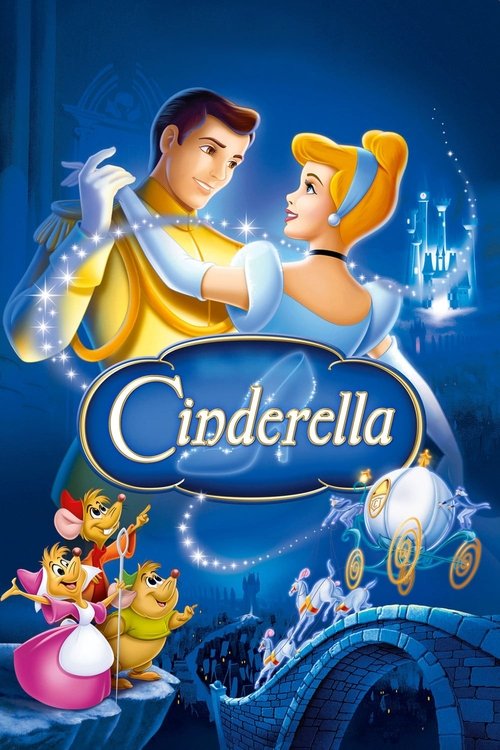
Cinderella1950
Disney's earlier triumph, equally gorgeous and economical in storytelling. Watches like a perfect music box—every scene earns its place. Shows what Sleeping Beauty builds on.
But Gentler and less visually daring. The heroine is more passive, and the pacing is slighter. Feels smaller once you know what came after.
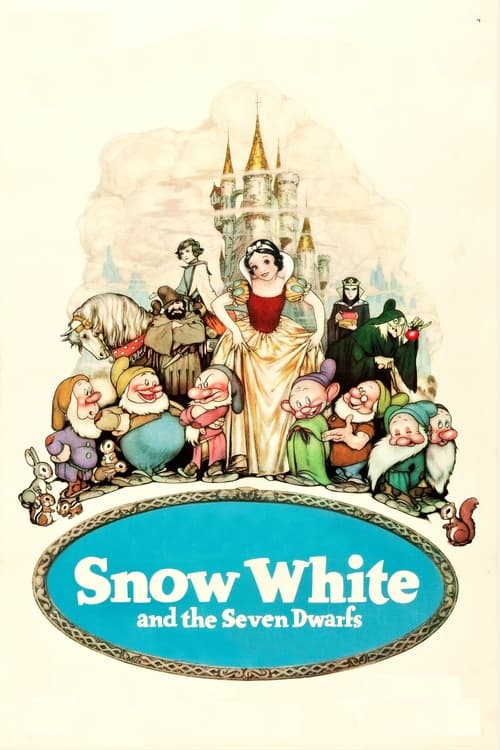
Snow White and the Seven Dwarfs1937
The film that proved animation could carry a feature. Extraordinary character work in the dwarfs and a genuinely terrifying witch. The emotional core is real even when the design is cartoony.
But Much broader in style—lots of slapstick and mugging. The heroine's voice work veers precious. Tonally all over the place compared to Sleeping Beauty's focus.
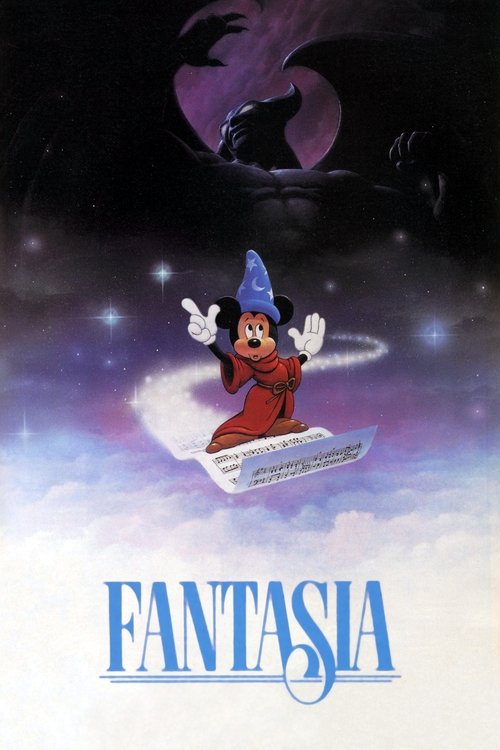
Fantasia1940
Disney's other great experiment in visual ambition—animation as pure cinema, not adapted theater. The Rite of Spring sequence alone justifies the price. Influences Sleeping Beauty's architectural approach to frame composition.
But Completely abstract in places. Long stretches with no narrative momentum. Some sequences feel dated in ways Sleeping Beauty doesn't, despite being older.
Not sure tonight? Get a pick in a minute, starting from Sleeping Beauty
The wildcard
Something you would not have found on your own.
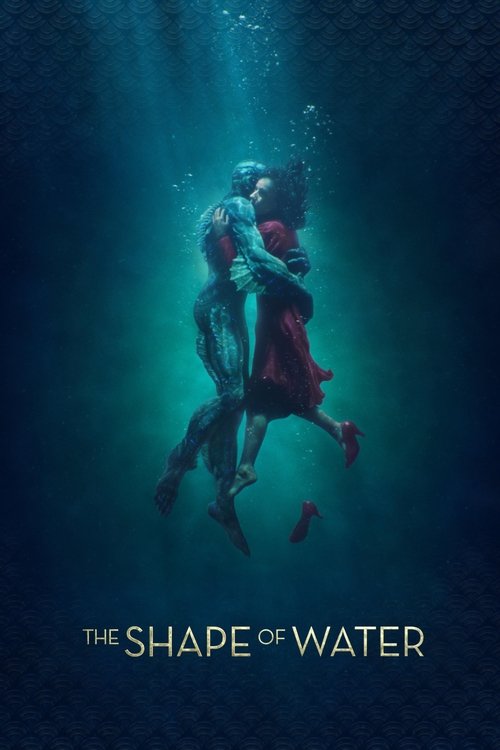
The Shape of Water2017
Both retrofit classical fairy-tale architecture with visual sophistication and genuine darkness. Both make their supernatural elements feel weighty and real, not decorative. Both understand that formal composition is itself a kind of beauty.
Guillermo del Toro's dark fairy tale for adults—a mute woman, a monster, and Cold War paranoia. Uses the princess-and-beast template but inverts it entirely, making the beast sympathetic and the kingdom corrupt. Visual formalism every frame, like Sleeping Beauty shot for grown-ups.
But Sexually explicit. Slow-burn pacing will frustrate anyone wanting plot momentum. The monster romance might just be too much if you need your fantasy grounded.
More like this (5)
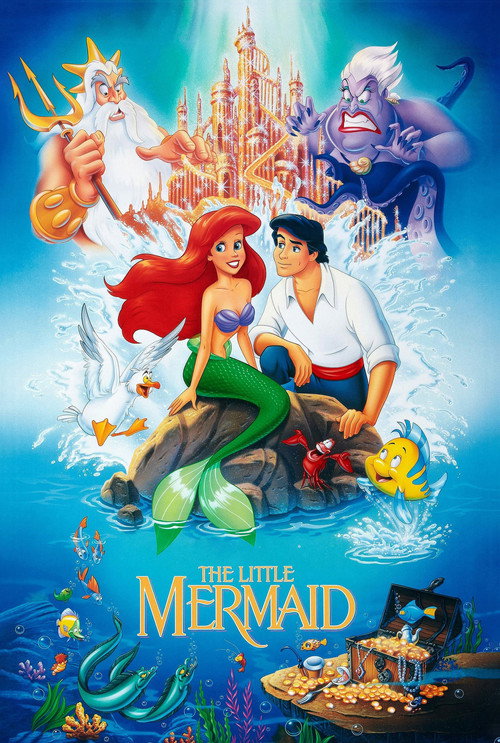
The Little Mermaid1989
Proves Disney learned from Sleeping Beauty and knew how to apply those lessons. Joyous animation, a villain you believe in, songs that land. Spiritual successor to the 1959 approach reborn for a new era.
But The 1989 aesthetic—neon colors, synth underscores, permed hair on everyone—hasn't aged the way Sleeping Beauty's cool blues and blacks have. Much louder, much busier in every frame.
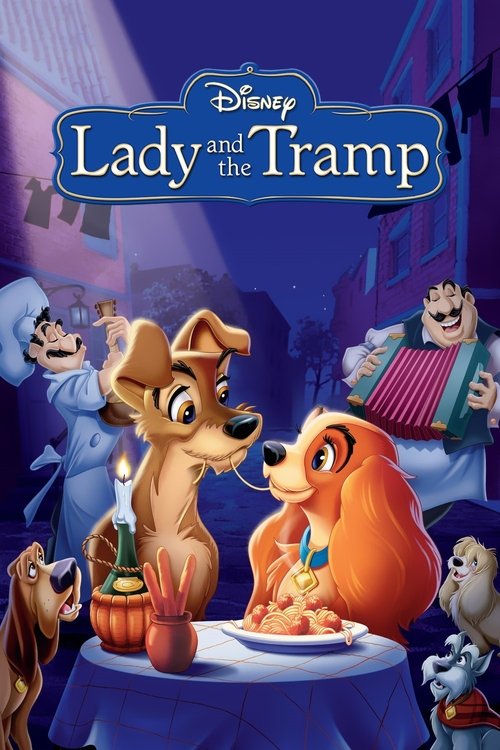
Lady and the Tramp1955
The animation is looser and warmer, but the visual sophistication is there—particularly in how backgrounds tell story. A smaller film, more intimate. Shows the range of what Disney was doing before Sleeping Beauty's coldness.
But Not as visually striking. The romance is the plot, and if romantic subplots bore you, there's not much here. Terrier sidekicks are aggressively cute.
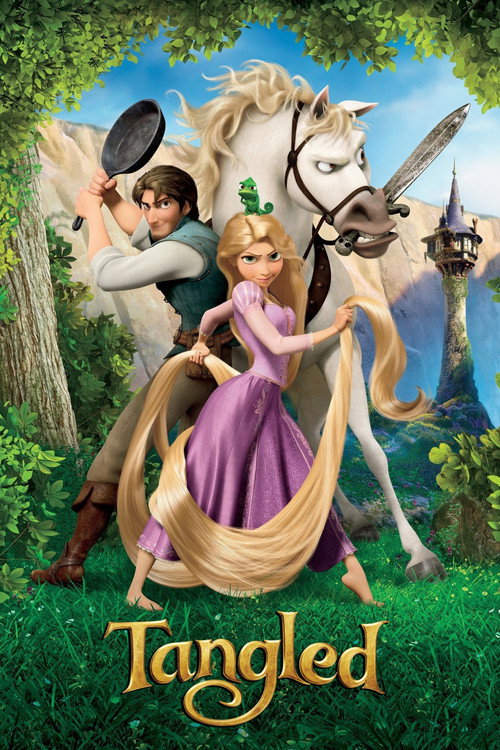
Tangled2010
Modern Disney remembering that fairy tales can be visually sumptuous and genuinely funny at once. The mother-daughter darkness has Maleficent's edge. Proves the studio never forgot what Sleeping Beauty taught them about stakes.
But Computer animation, all bright and smooth—the opposite of Sleeping Beauty's austere line work. Cheerfulness can feel cloying if you liked the original's restraint and formality.
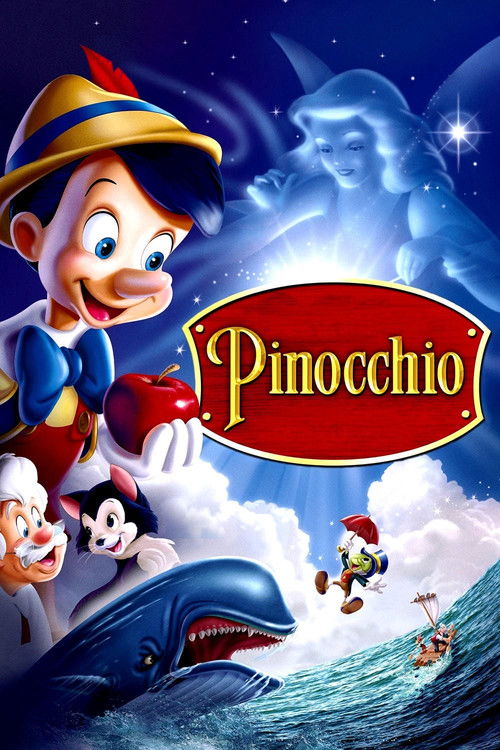
Pinocchio1940
Disney's darkest pre-war film. Whale Island, the Coachman, transformation scenes that genuinely disturb. A reminder that early Disney understood that children's stories need teeth. Shares Sleeping Beauty's willingness to frighten.
But Meandering plot. Pinocchio is a passive hero who learns nothing. The animation jumps between styles. Loses focus in the middle hour, which Sleeping Beauty's tight structure never does.
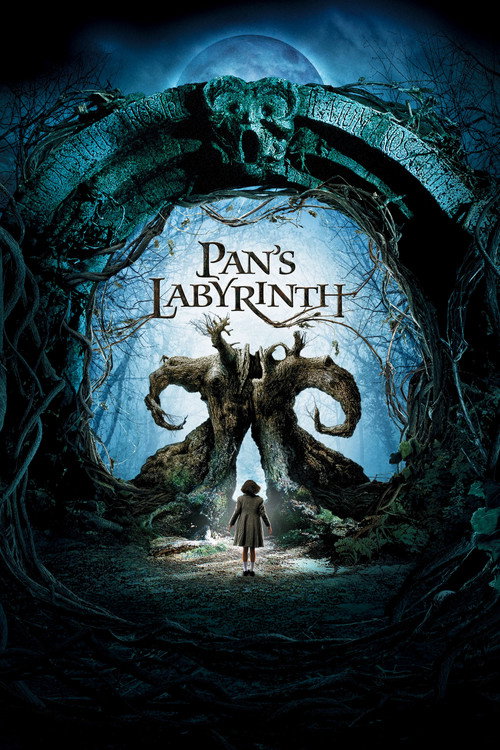
Pan's Labyrinth2006
Both use fairy-tale grammar as a framework for genuine menace. Both understand that curses, transformations, and evil are more powerful when rendered in visual poetry rather than explanation. Both believe animation/cinema can convey dread through beauty rather than gore.
Del Toro again, but grounded in brutal historical reality. A young girl encounters actual fairy-tale danger during Franco's Spain. The monsters are exquisite and horrible. Visual language halfway between Sleeping Beauty's stateliness and modern grotesquerie. Takes the darkness Disney hinted at and makes it real.
But Spanish-language with subtitles. Genuinely violent in ways Sleeping Beauty only suggests—blood, death, child endangerment. The fairy tale becomes a trauma narrative. Much harder to watch and impossible to unsee.
People
Cast
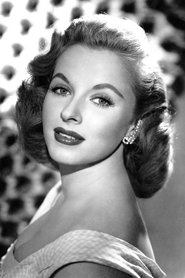 Mary CostaPrincess Aurora (voice)
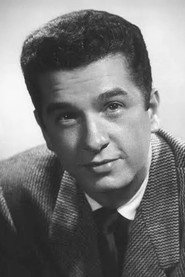 Bill ShirleyPrince Phillip (voice)
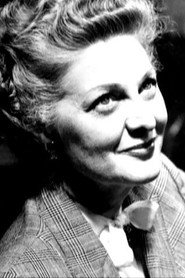 Eleanor AudleyMaleficent (voice)
 Verna FeltonFlora / Queen Leah (voice)
 Barbara LuddyMerryweather (voice)
 Barbara Jo AllenFauna (voice)
 Taylor HolmesKing Stefan (voice)
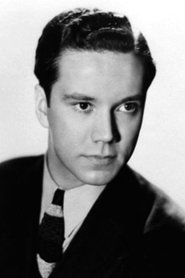 Bill ThompsonKing Hubert (voice)
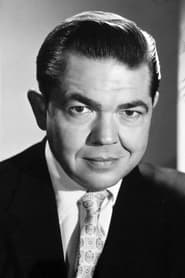 Marvin MillerNarrator (voice) (uncredited)
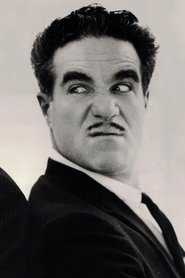 Candy CandidoMaleficent’s Goon (voice) (uncredited)
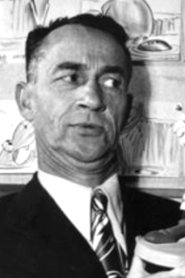 Pinto ColvigMaleficent’s Goon (voice) (uncredited)
- Bob AmsberryMaleficent’s Goon (voice) (uncredited)
Directing
- Clyde GeronimiDirector
Writing
- Erdman PennerAdaptation
- Charles PerraultNovel
- Erdman PennerScreenplay
- Bill PeetStory
- Charles PerraultStory
- Joe RinaldiStory
- Milt BantaStory
- Ralph WrightStory
- Ted SearsStory
- Winston HiblerStory
Production
- Walt DisneyProducer
- Don DaGradiProduction Designer
- Ken PetersonProduction Supervisor
Recommended by
Snow White and the Seven Dwarfs, The Three Caballeros, Fantasia, The Thief and the Cobbler, The King and the Mockingbird, Pinocchio, The Hunchback of Notre Dame, The Hobbit, The Singing Ringing Tree, One Hundred and One Dalmatians, The Aristocats, Dumbo, The Swan Princess, Cinderella, The Princess and the Frog, Song of the South, The Snow Queen, Quest for Camelot, Alice in Wonderland, The Tale of Despereaux, Lady and the Tramp, The Nutcracker and the Four Realms, Gulliver's Travels, The Night Before Christmas, Thumbelina, The Nutcracker, No Strings Attached, Melody Time, The Wind in the Willows, The Owl And The Pussycat, The Lion, the Witch and the Wardrobe, The Pied Piper, Babes in Toyland, The Lion King, The Magic Sword, The Tale of Tsar Saltan