
Film
The King and the Mockingbird
A French animated film of extraordinary visual invention and anarchic charm. A shepherdess and chimneysweep scheme to escape a lovesick tyrant with help from a sardonic mockingbird. It's gorgeously hand-drawn, bursting with slapstick and magic, tender without being saccharine—the kind of film that rewards repeated viewings with new details.
Should you watch it?
Watch it if you love animated fables where the visual invention carries the story, with painted, storybook-like backdrops, sly satire of power, and a flutter of Gallic wit for grown-ups who never outgrew fairy tales.
Skip it if you want brisk plotting and constant dialogue, since this is a slow, ornate, mostly silent-film-paced piece where long stretches are carried by images and music rather than talk.
What it asks of you: Settle in for about eighty-three minutes of unhurried, decorative storytelling, with lots of looking and listening, a light touch throughout, and a patience for elaborate set pieces over quick jokes.
Not sure? Find tonight's pick in a minute.
If you liked this
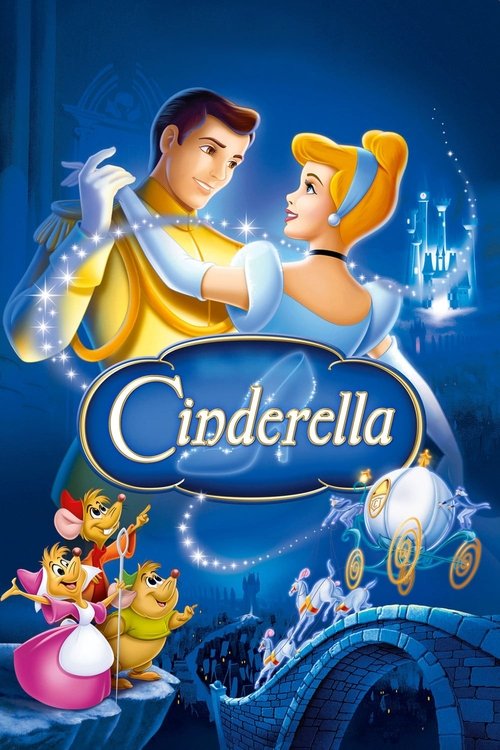
Cinderella1950
Disney's romantic fairy tale, equally gorgeous but far more earnest. If you loved the visual splendour and fantasy of The King and the Mockingbird, this shows what happens when the same sensibility serves a gentler story.
But It's more straightforward and less playfully anarchic; the humour is warmer but lighter, and the film lacks the mischievous edge that makes the French film so alive.
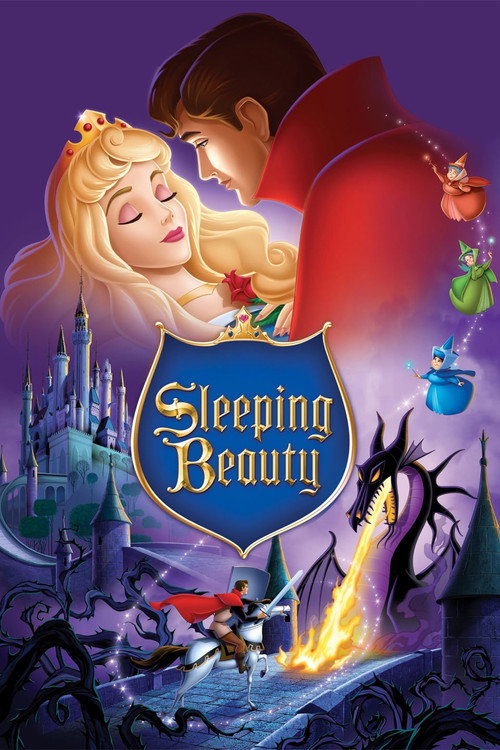
Sleeping Beauty1959
Another hand-drawn masterpiece with a similar budget and ambition, built on the same faith that animation could be as sophisticated as live-action. The design is bold and the wit is darker than Cinderella.
But The pacing is stately in places, and it's a bit more traditional in structure—less digressive and weird than The King and the Mockingbird's joyful chaos.
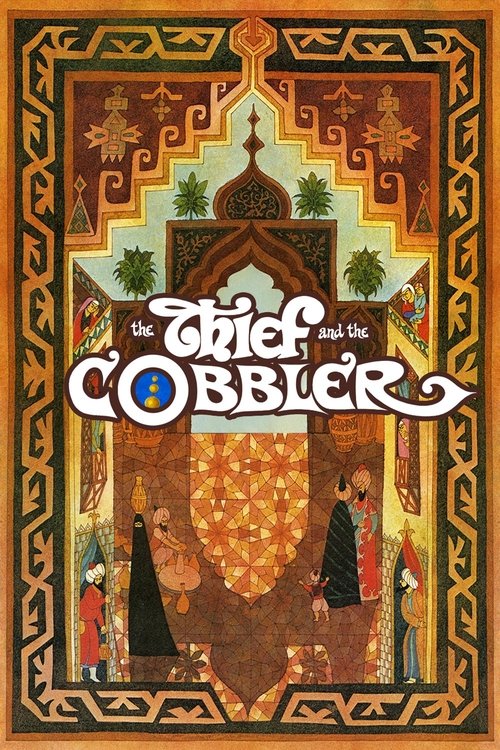
The Thief and the Cobbler1993
A feast of hand-drawn animation that shares the French film's visual inventiveness and love of slapstick. Also features a silent hero, a cheeky animal character, and a dazzlingly detailed fantasy world meant to be savoured.
But It's even more visually excessive, sometimes to the point of clutter. The plot is thinner, and some may find it overwhelming rather than delightful.
Not sure tonight? Get a pick in a minute, starting from The King and the Mockingbird
The wildcard
Something you would not have found on your own.
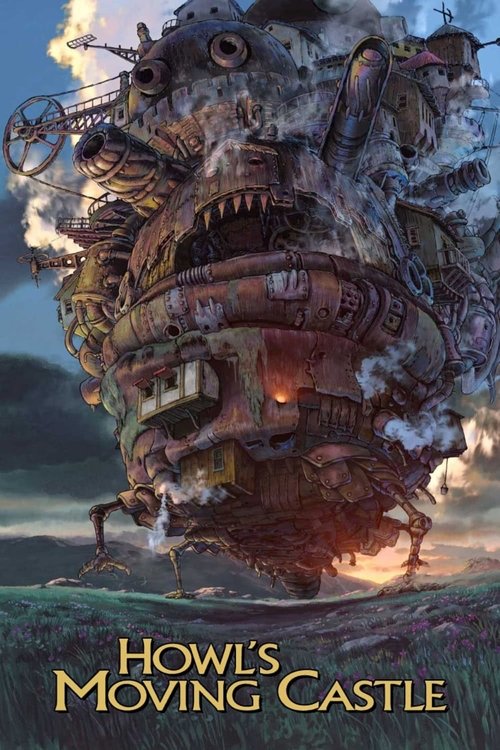
Howl's Moving Castle2004
Both use animation not to escape reality but to heighten it—to show emotion and behaviour in ways live-action cannot. Both make the fantastic feel intimate.
A Japanese anime where hand-drawn animation reaches the same level of visual sophistication as the Mockingbird, but in colour and with Studio Ghibli's signature grace. Like the French film, it's a story of young people outwitting authority through wit and love, with magic as a fluid, domestic thing rather than a spectacle.
But It's quieter and more introspective; the tone is melancholy rather than carnivalesque, and the anarchic energy is tempered by a more romantic, philosophical sensibility.
More like this (8)
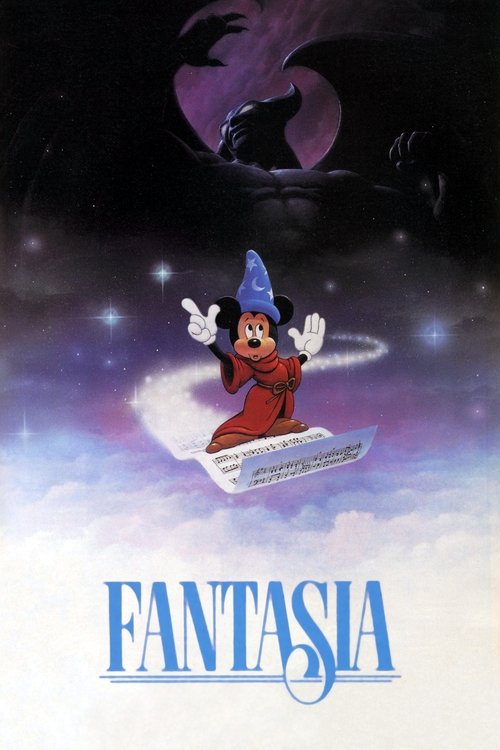
Fantasia1940
Pure visual storytelling married to music, with no dialogue to get in the way. Like the Mockingbird, it trusts the image to carry meaning and emotion, and refuses to be purely for children.
But Some sequences feel dated or slow to modern eyes. It's more abstract and reverential; it lacks the narrative drive and cheeky humour you'll find in the French film.
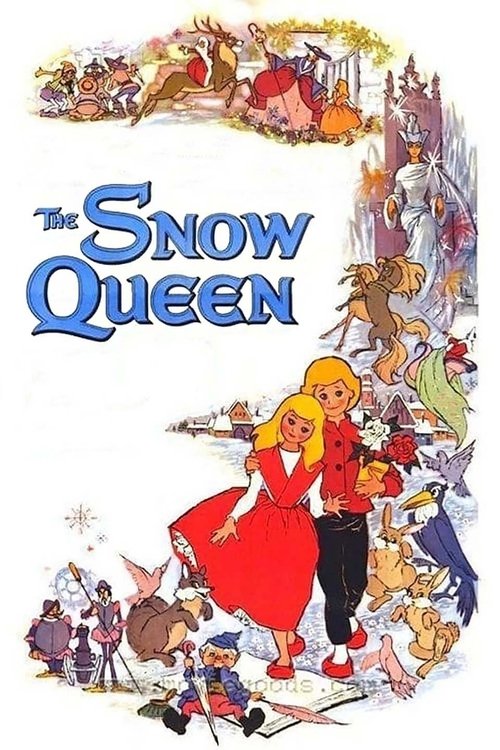
The Snow Queen1957
A Soviet animated film with the same commitment to sumptuous hand-drawn design and a similar balance of fairy-tale romance and action. It's a rival tradition, equally rich, less known in the West.
But The pacing is slower and more meditative. Cold War aesthetics, while beautiful, are less playful than French art deco anarchy, and prints vary wildly in quality.
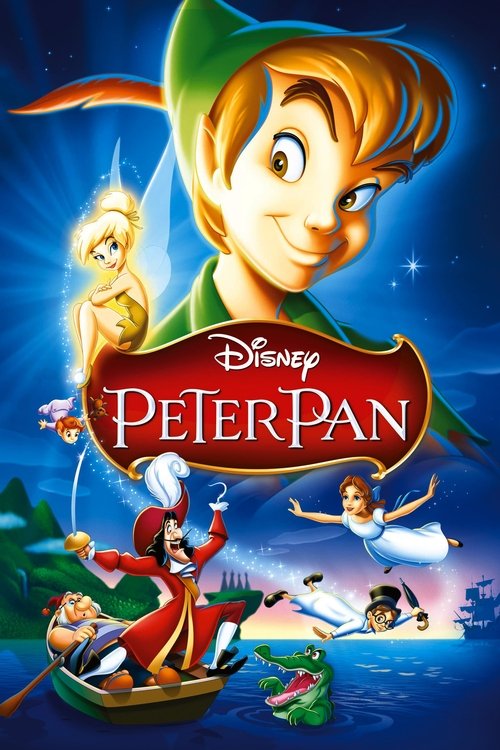
Peter Pan1953
Disney's most anarchic feature, full of capricious magic and characters who scheme and deceive with glee. The animation is supremely confident, and the tonal mix—comedy, pathos, danger—mirrors the Mockingbird's sophistication.
But Captain Hook overshadows the love story that drives the other film, and the Neverland setting has a different emotional register—more adventure, less romance.
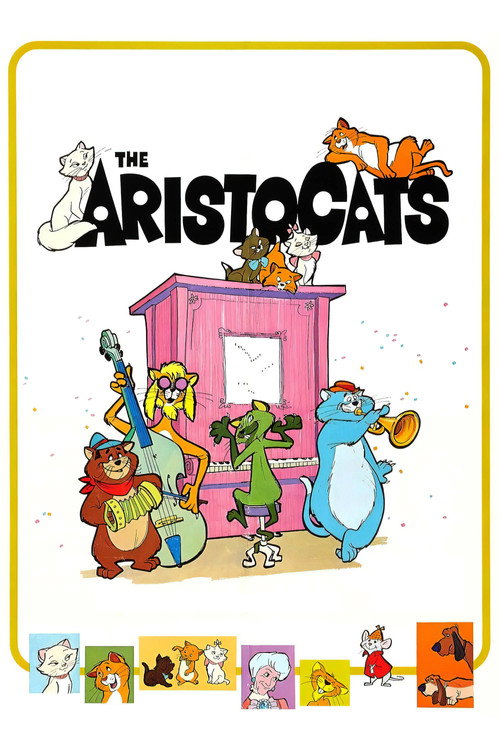
The Aristocats1970
A more modest Disney animation with a similarly clever animal sidekick character and a story about escaped lovers on the run. It's lighter in touch but shares the warmth and mischievous spirit.
But The animation is simpler, the stakes lower, and the whimsy is more straightforward. It lacks the visual audacity and the bite of the French film.
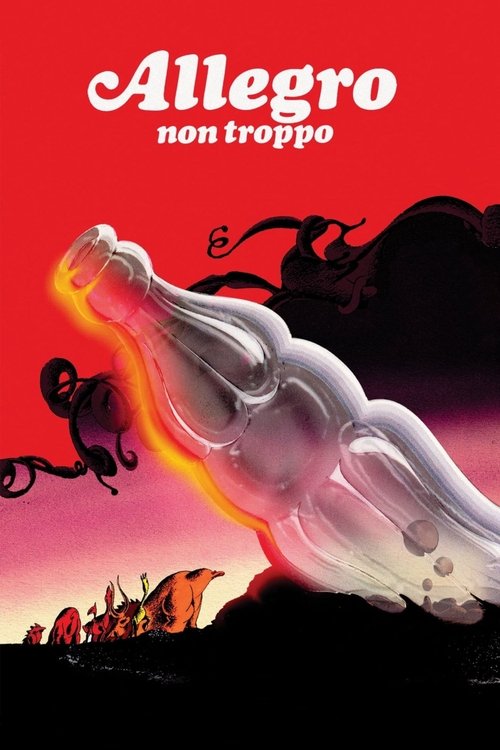
Allegro non troppo1976
An Italian response to Fantasia, blending abstract animation with narrative sequences and a sharp satirical edge. It's visually inventive and has the same faith that animation can be sophisticated art for all ages.
But It's more overtly political and surreal; some find the blend of styles jarring rather than liberating, and humour is darker and less accessible.
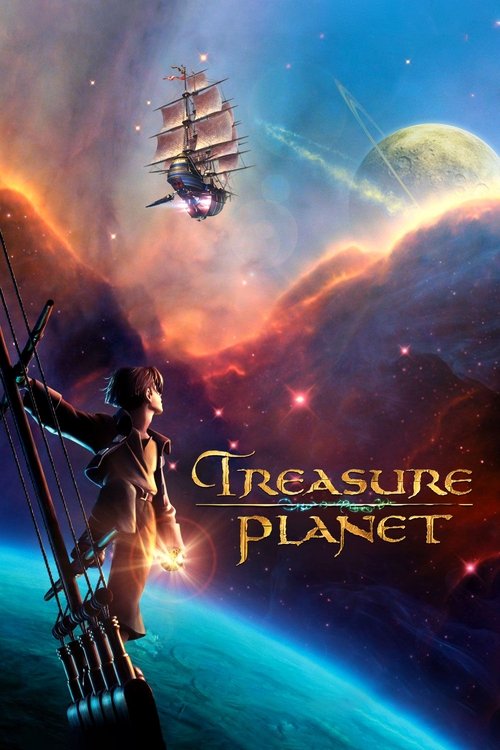
Treasure Planet2002
A Disney film that tries to recapture the visual ambition and narrative mischief of films like the Mockingbird—a caper with hand-drawn animation, a lovable rogue, and a world built on gleeful invention.
But The execution is uneven; the blend of hand-drawn and CG feels dated, and the script tries to do too much. It never achieves the cohesion or charm of its influences.
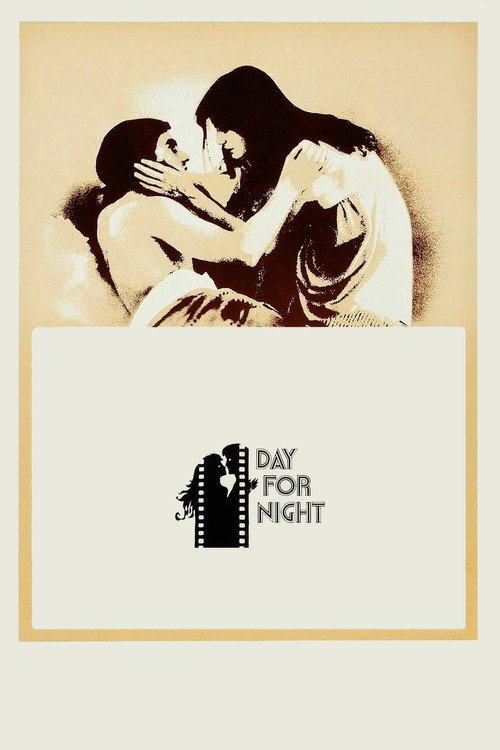
Day for Night1973
Both films are love letters to artifice and theatre. The Mockingbird's world is built to delight; Day for Night shows the joy and sorrow of building worlds on set. Both find the magic in craft.
A Truffaut film about the theatre of film-making itself: a director, actors, and crew attempt to mount a production despite chaos and human frailty. Not animated, not fantastical—but it shares the Mockingbird's belief that the act of creation is an act of resistance, and that style is substance.
But It's in French, subtitled, and very much a live-action drama. If you came for animation and fairy-tale escape, this will feel like the opposite experience—intimate, behind-the-scenes, adult in register.
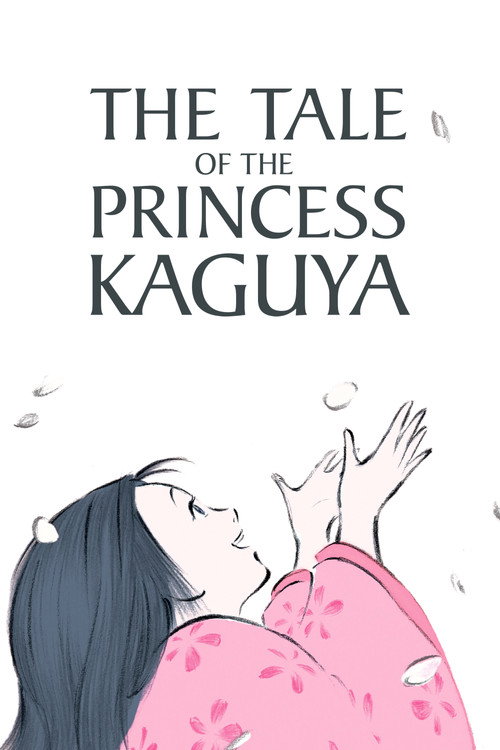
The Tale of The Princess Kaguya2013
Both are animated films that trust their audience's sophistication and patience. Both centre on a young woman who will not be possessed. Both use the full vocabulary of their medium—colour, line, rhythm, silence—to say what words cannot.
A Japanese animated film where the drawing style mimics watercolour and ink, creating something that feels like a living scroll. It tells a fairy-tale of a girl who refuses the destiny imposed on her—similar narrative heart to the Mockingbird, but filtered through a wholly different visual and cultural tradition.
But It's paced as a meditation, not a romp; slow and sorrowful where the Mockingbird is bright and quick. The ending denies the happy resolution the earlier film offers, and will sit with you uncomfortably.
People
Cast
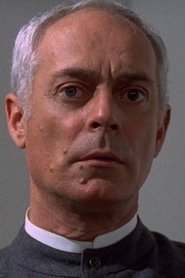 Jean MartinL’oiseau (voice)
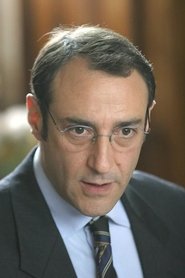 Renaud MarxLe ramoneur (voice)
- Agnès VialaLa bergère (voice)
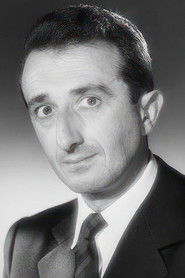 Pascal MazzottiLe roi (voice)
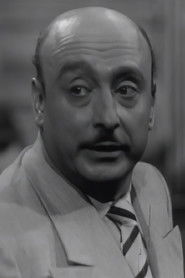 Albert MédinaLe belluaire / Le haut hurleur (voice)
- Philippe DerrezLe liftier / Le speaker (voice)
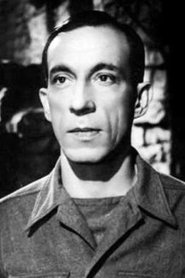 Raymond BussièresLe chef de la police (voice)
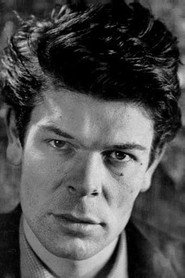 Roger BlinL’aveugle (voice)
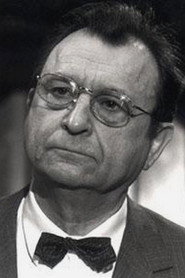 Claude PiépluLe maire du palais (voice)
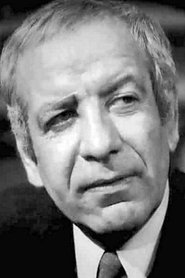 Hubert DeschampsLe sentencieux (voice)
- Jeanne Witta(Voice)
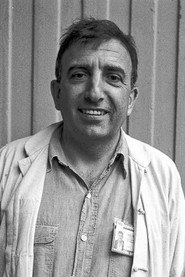 Jacques Colombat(Voice)
Directing
- Paul GrimaultDirector
Writing
- Jacques PrévertDialogue
- Hans Christian AndersenNovel
- Jacques PrévertScreenplay
- Paul GrimaultScreenplay
- Paul GrimaultWriter
Production
- André SarrutProducer
- Robert DorfmannProducer