
Film
The Tale of Tsar Saltan
A Soviet fairy tale of transformation and reunion, based on Pushkin's 1831 poem. Lush, theatrical, and genuinely magical without a wink—the kind of film that trusts wonder entirely. For families who love beauty and strangeness in equal measure, or anyone who wants to remember what it felt like to believe in enchantment.
If you liked this
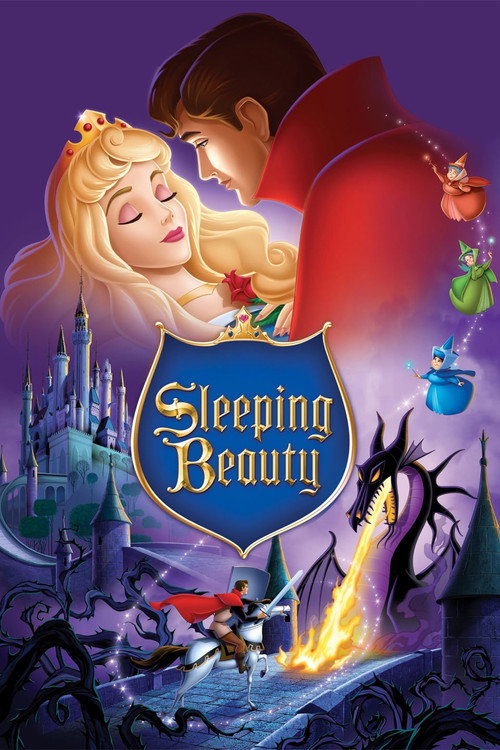
Sleeping Beauty1959
Disney at its most visually ambitious and narratively assured. The animation is baroque, the villainy is real, and it moves with balletic grace from one kingdom to another.
But At ninety minutes it feels long; the prince barely exists as a character; the violence toward the heroine might alarm younger viewers.
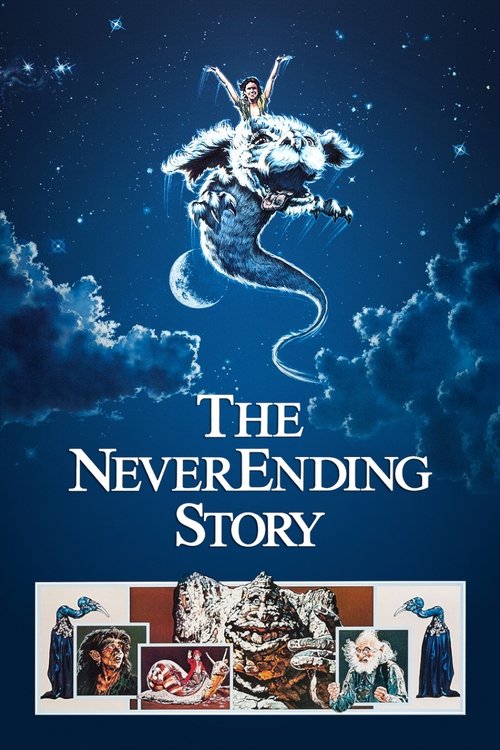
The NeverEnding Story1984
A German-American fantasy that treats imagination as real and consequential. It's visually strange, narratively clever, and genuinely moves between worlds with the same logic as Saltan.
But The childlike empress subplot is eerie rather than comforting; some of the creature design looks cheap even by 1984 standards.
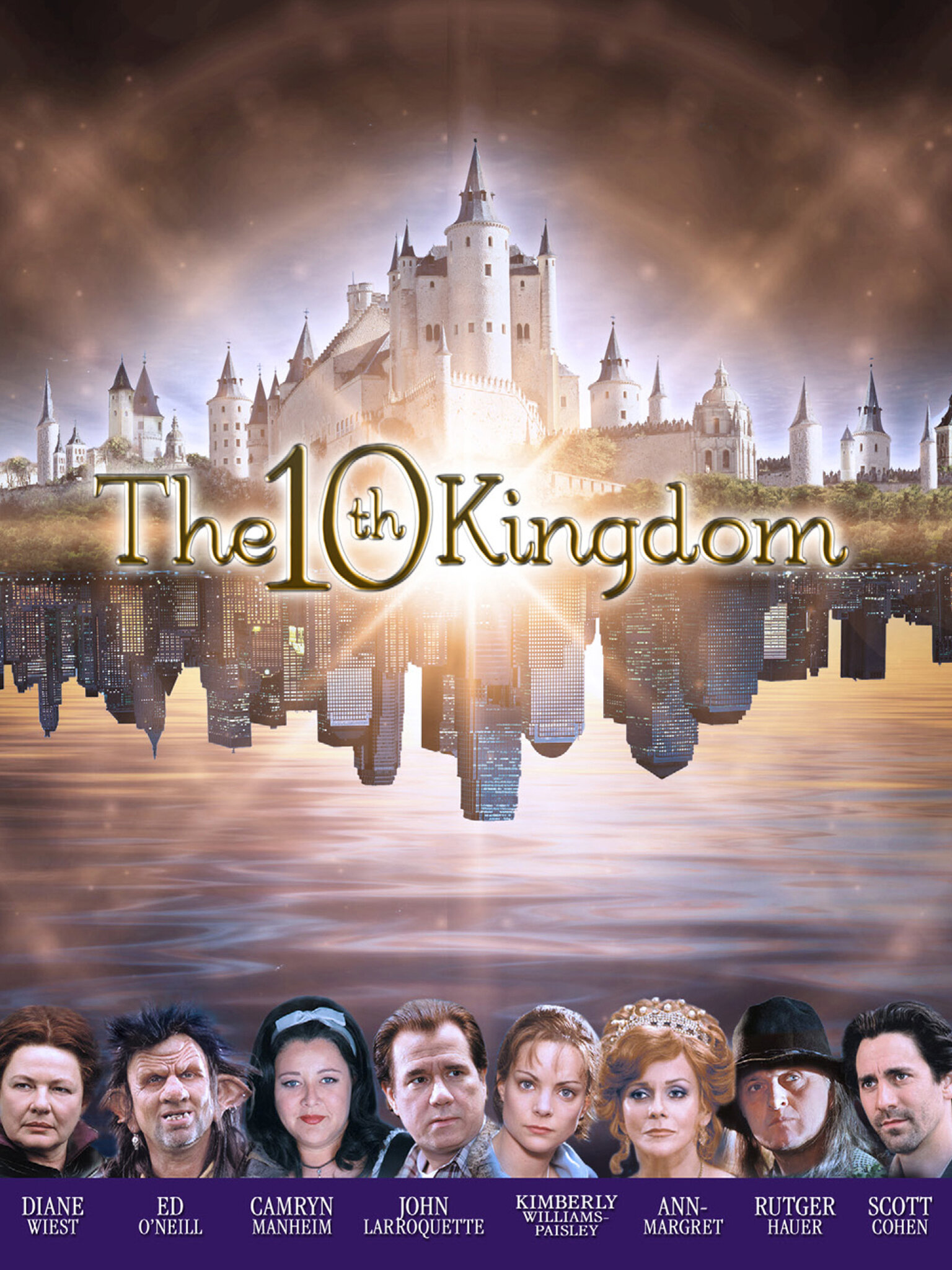
The 10th Kingdom2000
A miniseries that remakes fairy tales by dropping modern people into them. It's funny, romantic, and lavishly made, with real stakes and genuine magical invention.
But It's ten hours long; the tone wavers between camp and sincerity; some supporting characters annoy more than delight.
Not sure tonight? Get a pick in a minute, starting from The Tale of Tsar Saltan
The wildcard
Something you would not have found on your own.
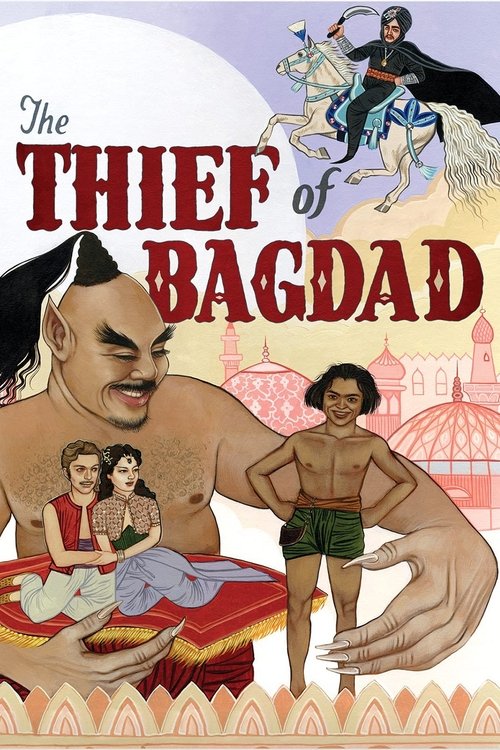
The Thief of Bagdad1940
Both films treat magic as a visual and narrative fact, not a plot device. Both trust the audience to accept transformation and enchantment without explanation.
A British Technicolor fantasy of dazzling visual invention, using practical effects and matte paintings to create a world that feels genuinely magical. It shares Saltan's belief that cinema can do wonder without irony or cuteness.
But The pacing is glacial by modern standards; the racial politics are deeply uncomfortable; some of the magic system is left unexplained.
More like this (8)
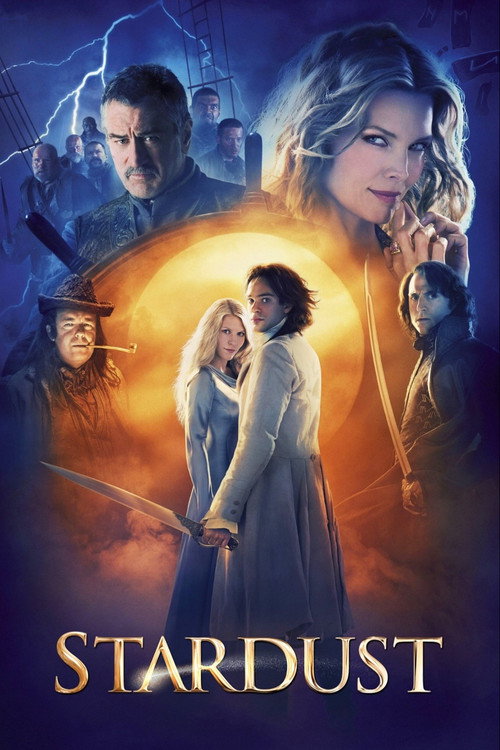
Stardust2007
A fantasy adventure from the fairy-tale mold that actually understands what made those stories work. It's romantic without being soft, magical without being whimsical, and visually confident throughout.
But The villain is played as pure camp; some of the magic system feels underexplained; the last act leans heavily on fate and convenience.
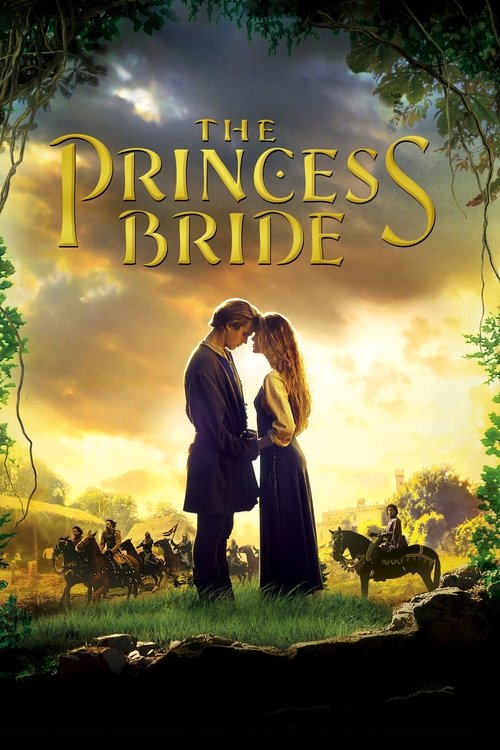
The Princess Bride1987
A fairy tale that knows it's a fairy tale and loves itself anyway. It has swashbuckling, true love, curses, giants, and a frame story that lets you watch someone fall in love with the story itself.
But The self-awareness can feel precious; the grandfather framing is dated; some of the action sequences are visibly low-budget.
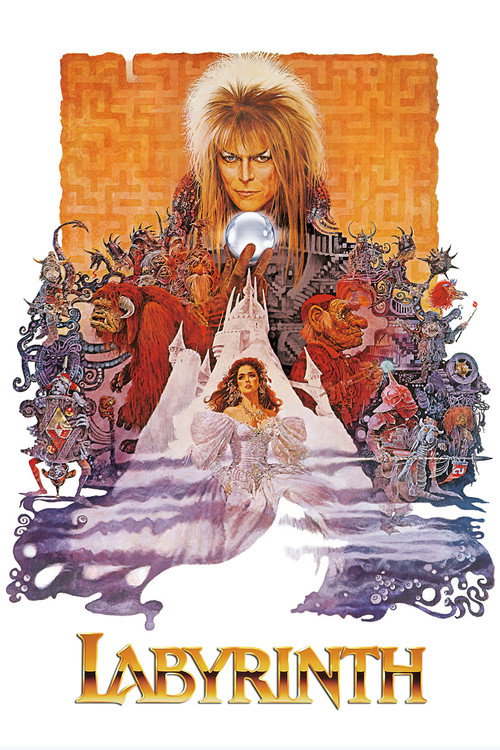
Labyrinth1986
A dark, design-forward fantasy about a girl navigating a magical maze to rescue her brother. It's strange and unsettling in ways that make it feel more real, not less.
But The pacing is uneven; some of the practical effects haven't aged well; David Bowie's charm competes with, rather than serves, the story.
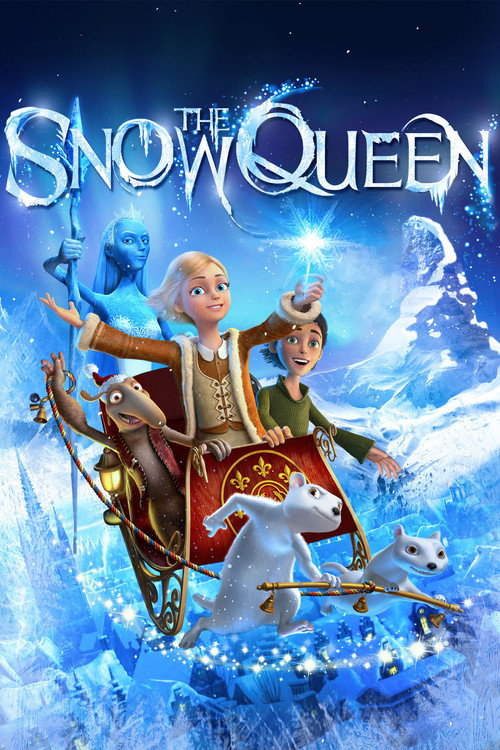
The Snow Queen2012
A Russian animated feature that remakes Andersen with genuine emotion and hand-drawn beauty. It has the same DNA as Saltan—folklore, transformation, a quest across magical lands.
But The animation style is not to all tastes; the ending is more sentimental than earned; the songs are functional rather than memorable.
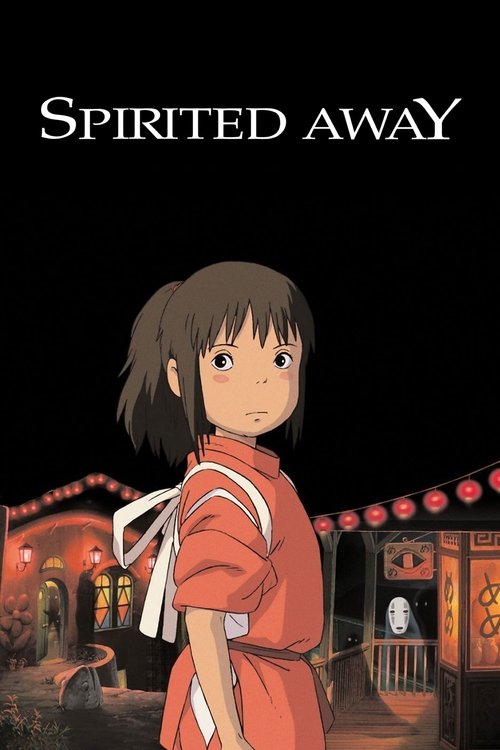
Spirited Away2001
Japanese fantasy that treats the magical world as fully real and morally complex. It's visually astonishing and never explains itself—you simply enter and accept.
But The pacing is glacial; the logic is opaque; the violence is sudden and disturbing.
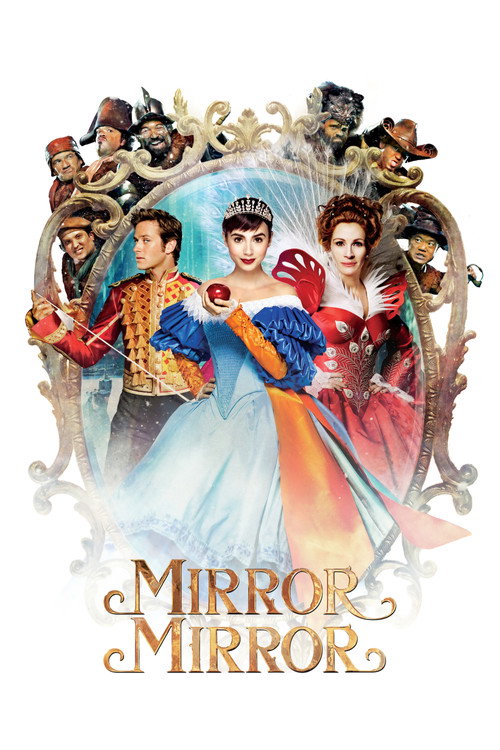
Mirror Mirror2012
A Snow White retelling that commits entirely to theatrical staging and visual excess. It's not cynical about fairy tales; it believes in them so completely it borders on camp, which somehow works.
But The tone is relentlessly arch; the romantic lead is forgettable; the plot is straightforward to the point of boredom.
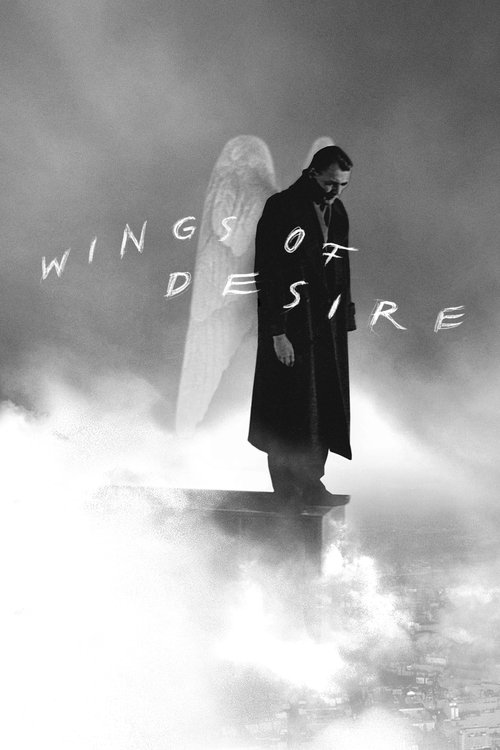
Wings of Desire1987
Both films structure themselves around reunion after forced separation, and both ask what it means for a person to bridge an impossible distance—through magic in one case, through love in the other.
Wim Wenders' meditation on longing, separation, and the moment someone is transformed by seeing another person clearly. It's in black-and-white and colour, and it's entirely serious about yearning in a way that feels almost like fairy tale.
But It's deliberately slow and philosophical; there is almost no plot; the romantic resolution is ambiguous and unsatisfying if you want closure.
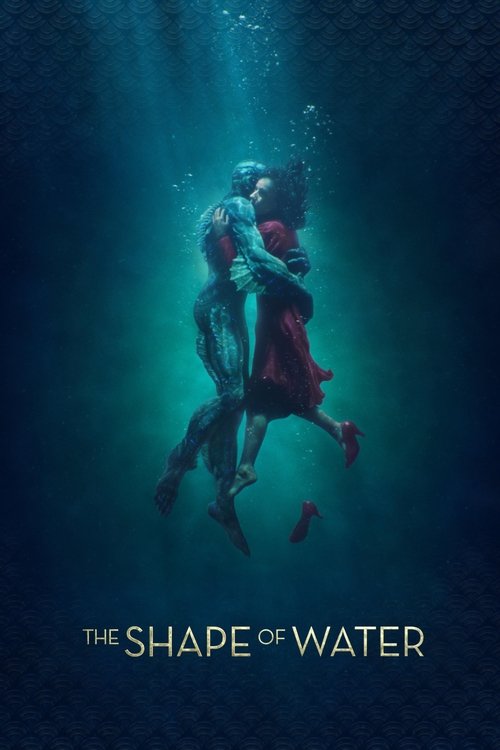
The Shape of Water2017
Both films centre on a woman loving a being who cannot be understood through the logic of the ordinary world, and both insist that love is real regardless. Both use water and transformation as metaphors for crossing impossible boundaries.
Guillermo del Toro's film about a woman who falls in love with a creature during the Cold War. It's a fairy tale told in a realistic register—lush, sensual, and entirely committed to the logic of transformation and impossible love.
But The realism sits uneasily with the magical elements; the political context can feel like window dressing; there is one scene of extreme sexual content.
People
Cast
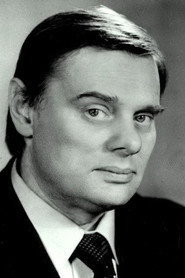 Vladimir AndreyevTsar Saltan
 Larisa GolubkinaTsarina
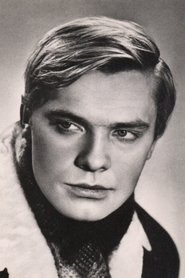 Oleg VidovTsarevich Gvidon
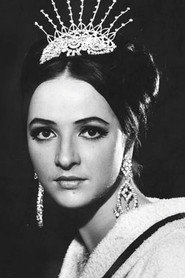 Kseniya RyabinkinaTsarevna Lebed
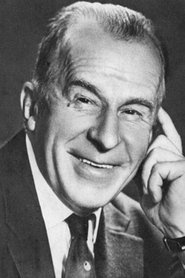 Sergei MartinsonOpekun Saltana
 Olga ViklandtBabarikha
 Vera IvlevaTkachikha
 Nina BelyayevaPovarikha
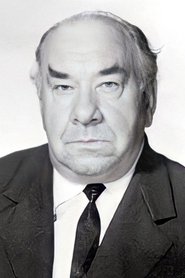 Viktor KolpakovDyak
 Yuri ChekulayevSpalnik
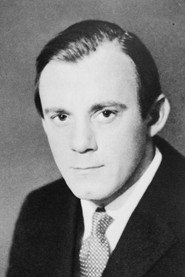 Valeriy NosikChelyadinets
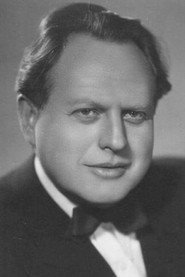 Grigoriy ShpigelGradopravitel
Directing
- Natalya PtushkoAssistant Director
- Aleksandr PtushkoDirector
Writing
- Igor GeleinCo-Writer
- G. KhorevaScript Editor
- Alexander PushkinShort Story
- Aleksandr PtushkoWriter
Production
- I. KharitonovExecutive Producer