
Film
Eugene Onegin
Ralph Fiennes stars in this 1994 filmed opera, Tchaikovsky's romantic masterpiece set in 1820s St. Petersburg. A cynical aristocrat rejects a devoted woman; years later, their roles reverse. Graham Vick's production is visually sumptuous and emotionally direct, designed for people who love Romantic drama—whether or not they know opera.
Should you watch it?
Watch it if you love opera where the drama lives in the music rather than the plot, and a dreamy heroine and a sulky, self-wounded man play out their feelings in full, theatrical colour.
Skip it if you want quick scenes and sharp cutting, since this is a slow, sung staging where the emotions unfold at the pace of the arias rather than the pace of the story.
What it asks of you: Expect to sit with sung Russian for the whole stretch, reading subtitles while long passages of music carry the feeling that dialogue would normally handle.
Not sure? Find tonight's pick in a minute.
If you liked this
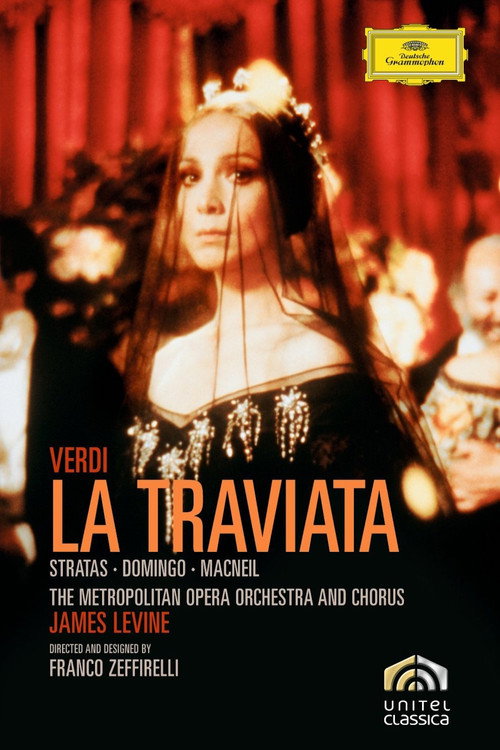
La traviata1982
Zeffirelli's film of Verdi's opera moves with cinematic fluidity while preserving the music's emotional devastation. A similar tragedy of love and social circumstance, equally gorgeous to watch.
But If you find opera's emotional directness exhausting rather than cathartic, this won't change your mind. It is unabashedly, unapologetically felt.
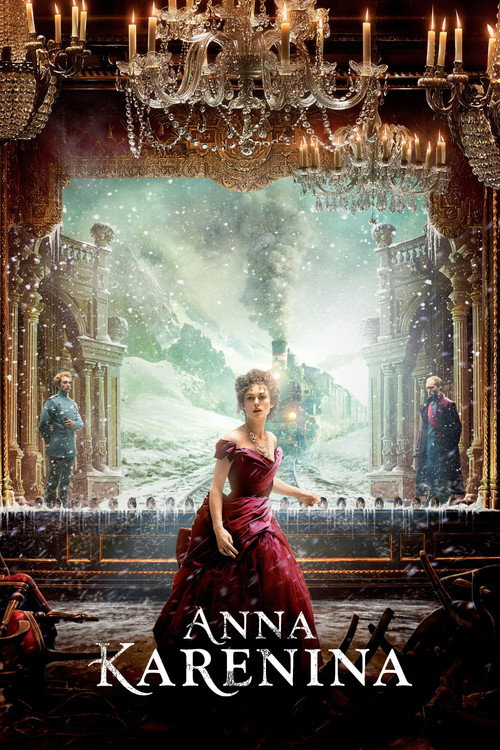
Anna Karenina2012
Joe Wright's adaptation captures the same world—Russian aristocracy, ballrooms, passion, impossible choices—with operatic intensity. Visually inventive and deeply romantic without a single aria.
But The theatrical staging and heightened melodrama might feel overwrought if you prefer restrained performances and subtle moral ambiguity.
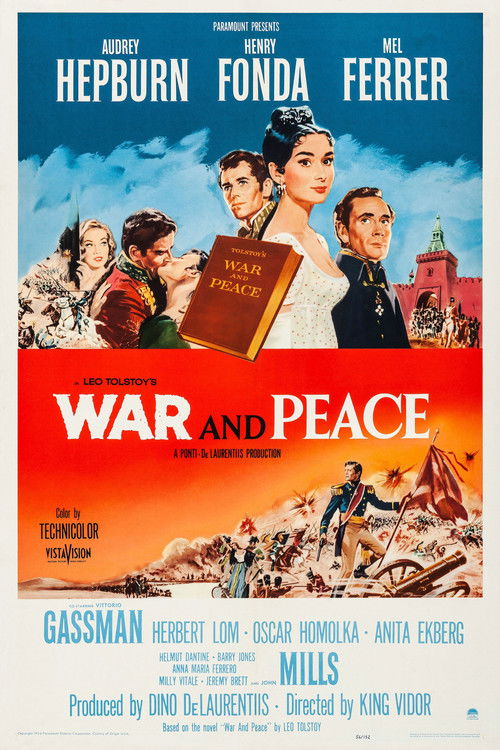
War and Peace1956
Bondarchuk's epic captures the grandeur and emotional scope of Russian Romantic literature. Sweeping, human, and obsessed with the same questions about love and destiny.
But Nearly eight hours long. If you want your Russian literature compressed into digestible form, look elsewhere.
Not sure tonight? Get a pick in a minute, starting from Eugene Onegin
The wildcard
Something you would not have found on your own.
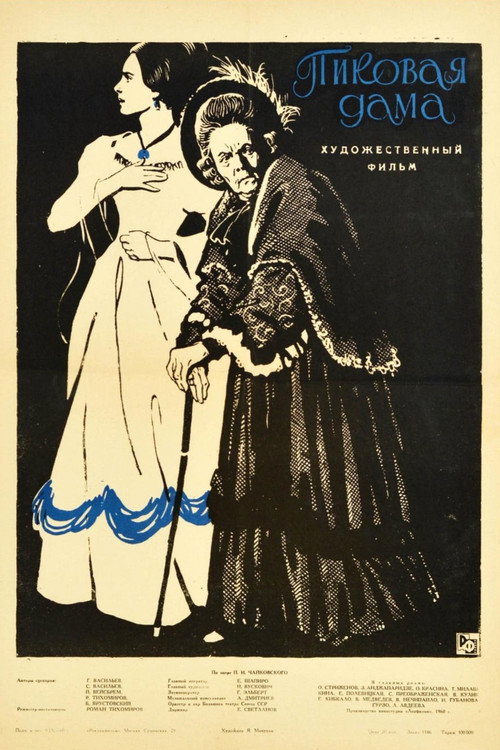
Queen of Spades1960
Same composer, same historical moment, same theme: human desire colliding with forces larger than feeling. But where Onegin ends in possibility, The Queen of Spades ends in collapse.
Sokurov's film of Tchaikovsky's lesser opera—greed, obsession, and the impossible demand for love to change destiny. Same composer, same era, same universe. Visually austere and spiritually devastating in ways Onegin is not.
But Intentionally bleak and claustrophobic. The production design is minimal rather than opulent. If you loved Onegin for its beauty, this will feel like punishment.
More like this (7)
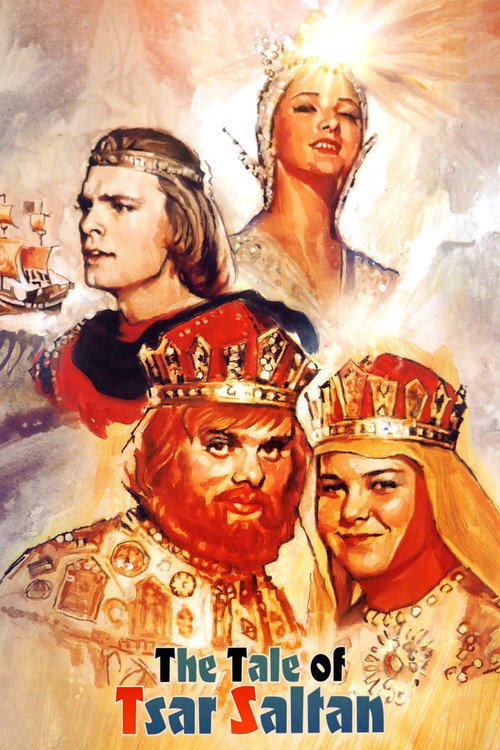
The Tale of Tsar Saltan1967
Another Rimsky-Korsakov opera filmed with ravishing design. Fantasy rather than realism, but the same commitment to music and spectacle as Onegin's world.
But Less emotionally resonant than Onegin; more interested in decoration and fairy-tale whimsy than the collision of hearts and consequences.
Brief Encounter1945
Coward's story of two people who love each other but choose duty instead. Like Onegin, it's about the permanent damage of a moment's decision—but told with English restraint rather than Russian passion.
But The emotional register is subdued and polite. If you're drawn to Onegin's operatic scale, this will feel intimate to the point of frustration.

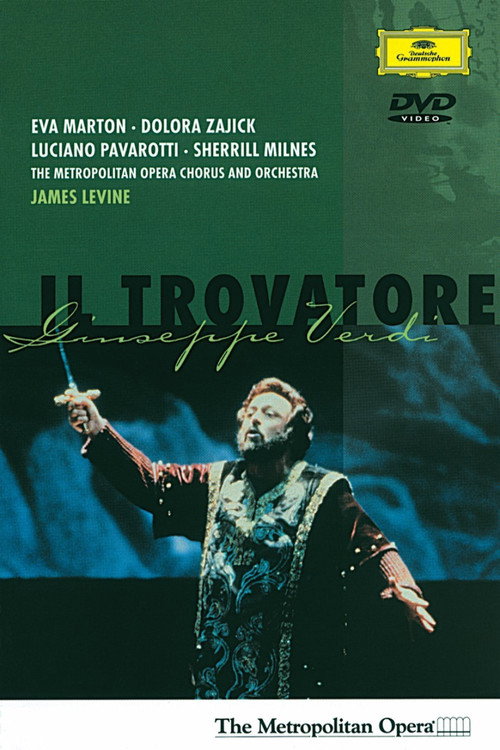
Il Trovatore1988
Carsen's staging of Verdi's most headlong, least rational opera. Same era as Onegin, same genre, same refusal to let intellect interfere with feeling.
But The plot is absurd—even operagoers admit it—and the production can feel cluttered. If narrative clarity matters to you, don't expect it here.
Dangerous Liaisons1988
A Romantic-era story about manipulation, rejection, and belated regret. Cynicism as armor, seduction as weapon, consequences that arrive too late. The inverse of Onegin's moral universe but obsessed with the same psychology.
But Deliberately artificial and cold. Onegin is passionate; this is all calculation. Some find it brilliant, others find it airless.

The Remains of the Day1993
Hopkins as a man who chose duty over love decades ago and must finally reckon with it. Quieter than opera, but the emotional truth—regret, longing, roads not taken—is identical.
But Glacially paced and entirely English in its emotional restraint. If you loved Onegin for its heat, this will feel cold.

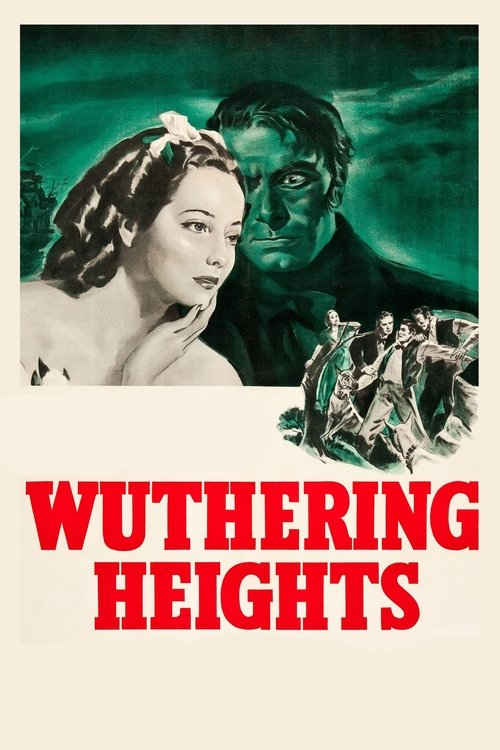
Wuthering Heights1939
Laurence Olivier as a man shaped by rejection into something beautiful women cannot save. The Romantic novel that makes Onegin look straightforward. Obsession, class, and the refusal to forgive.
But Focuses only on the first half of the novel; the adaptation choices are questionable. The print quality is poor, and the pacing feels dated even to people who love 1930s cinema.
Stalker1979
Both ask whether regret is wisdom or cowardice. Both suggest that the life we imagine is always more beautiful than the life we live. Tarkovsky takes that insight and makes it metaphysical rather than personal.
Tarkovsky's meditation on desire, the impossibility of human connection, and what we actually want when we think we want love. Shot in long, hypnotic takes. A completely different form and register—but the moral and emotional architecture is Onegin's.
But 163 minutes of deliberate pacing and no dialogue for stretches. The science fiction setup is window dressing for philosophy. Most people who love opera will find this punishing, not cathartic.

People
Cast
- Wojtek DrabowiczOnegin
- Elena ProkinaTatyana
- Louise WinterOlga
- Yvonne MintonLarina
- Martin ThompsonLensky
- John FryattTriquet
- Ludmilla FilatovaFilippyevna
- Frode OlsenPrince Gremin
Directing
- Graham VickDirector
- Humphrey BurtonDirector
Writing
- Alexander PushkinNovel
- Konstantin ShilovskyWriter
- Pyotr Ilyich TchaikovskyWriter