
Film
Fidelio
This is Beethoven's revolutionary opera, filmed in a stark, minimalist production that strips away spectacle to focus on the music and human drama. It's an austere but moving experience—performed in German, with the score's spiritual intensity fully exposed. For those who love opera but want something spare and serious, or who've never tried opera because the pageantry felt like a barrier.
Should you watch it?
Watch it if you love opera where the music carries the moral weight, and you want Beethoven's only opera sung by singers who can make a prison cell feel like the inside of a conscience.
Skip it if you want opera to move briskly, since this runs about two and a half hours and leans on long, static stretches of singing with restrained staging.
What it asks of you: Expect a long, deliberate stretch of music with the patience to follow sung text and a mood that stays heavy for most of its running time.
Not sure? Find tonight's pick in a minute.
If you liked this
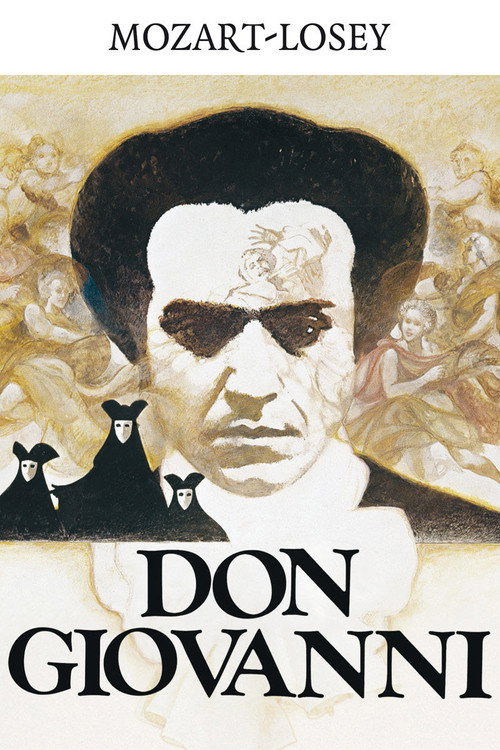
Don Giovanni1979
Joseph Losey's film of Mozart's masterpiece has the same austere visual language and psychological depth, treating the opera house itself as a character. The staging is stark, the performances intense, and the music builds to genuine moral weight.
But It's nearly three and a half hours, in Italian, and can feel glacially paced if you're expecting traditional opera spectacle or camp.
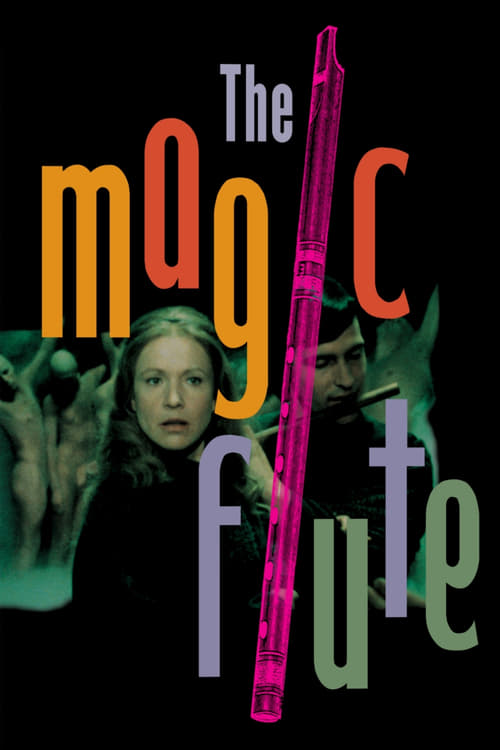
The Magic Flute1975
Ingmar Bergman's film captures Mozart at his most profound while remaining visually ravishing. Like Fidelio, it grapples with freedom and enlightenment, but through myth rather than politics. The performances are intelligent and deeply felt.
But At over two hours and in Swedish-dubbed German, it requires real patience, and Bergman's philosophical bent won't appeal to everyone.
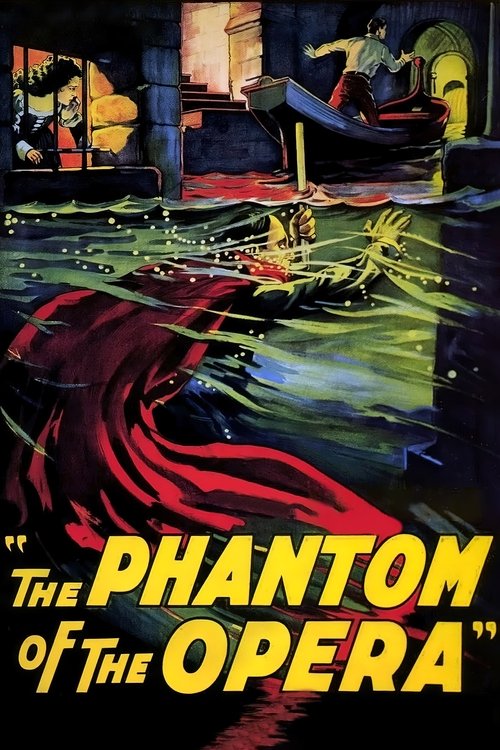
The Phantom of the Opera1925
The original silent version, with Lon Chaney, is genuinely eerie and strange—a reminder that opera cinema doesn't need dialogue or colour to generate emotion. The masquerade scene is unforgettable.
But The plot is baroque nonsense and the acting is silent-era broad. The beauty is in the mood and design, not narrative coherence.
Not sure tonight? Get a pick in a minute, starting from Fidelio
The wildcard
Something you would not have found on your own.
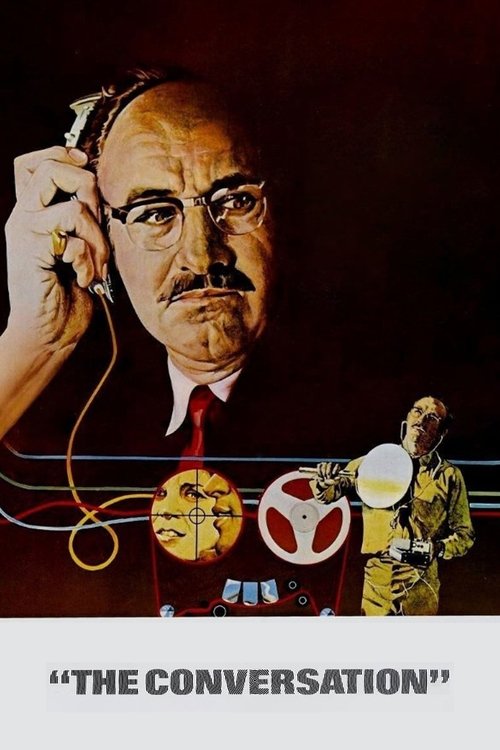
The Conversation1974
Both are about the price of truth-telling and resistance to tyranny, but Fidelio uses Beethoven's transcendent music to suggest redemption, while Coppola suggests there may be none.
Coppola's masterpiece is about surveillance, power, and the unbearable weight of knowledge—the same moral machinery as Fidelio, but filtered through 1970s paranoia and technical obsession. Gene Hackman's performance is all restrained desperation. It's a thriller about conscience.
But It's slow, deliberately unglamorous, and the resolution offers no catharsis. The protagonist remains trapped in his isolation and complicity.
More like this (5)
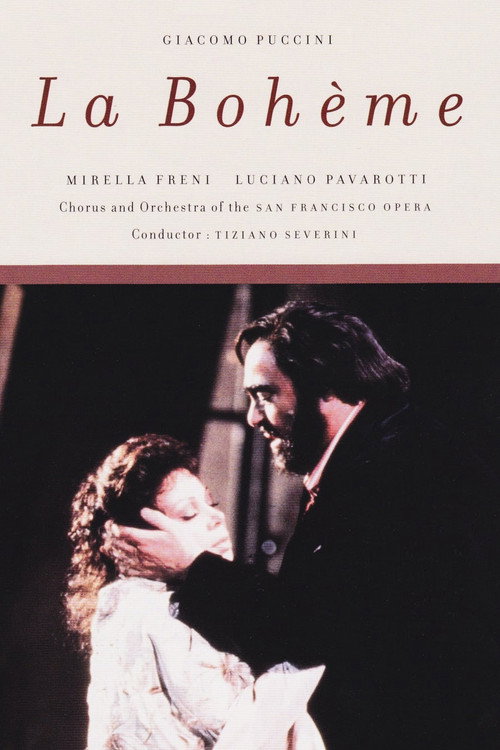
La Boheme1988
Francesco Rosi's film is gorgeously shot, with a gifted young cast and Puccini's most human score. It's romantic without being maudlin, and genuinely moving rather than manipulative.
But It's utterly straightforward in its emotions; if you're looking for moral complexity or political urgency, this isn't your opera.
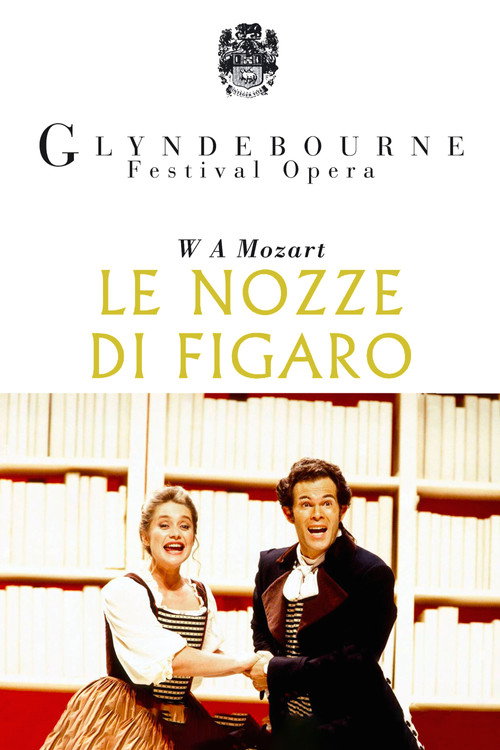
The Marriage of Figaro1994
Mozart's comedy in a film by Frédéric Rossif, with a superb cast and crystalline conducting. It's proof that opera comedy can be witty and genuinely funny, not just theatrical posturing.
But The plot is intricate and baroque; if you don't follow the fast Italian dialogue, you'll spend the second half lost.
Eugene Onegin1994
Petr Weigl's film of Tchaikovsky's Russian opera is intimate and psychologically precise. It feels more like lieder sung in dramatic sequence than conventional opera, which can be refreshing.
But The emotional register is muted and the pacing meditative; if you want rousing arias and obvious catharsis, you'll find it low-key and slow.
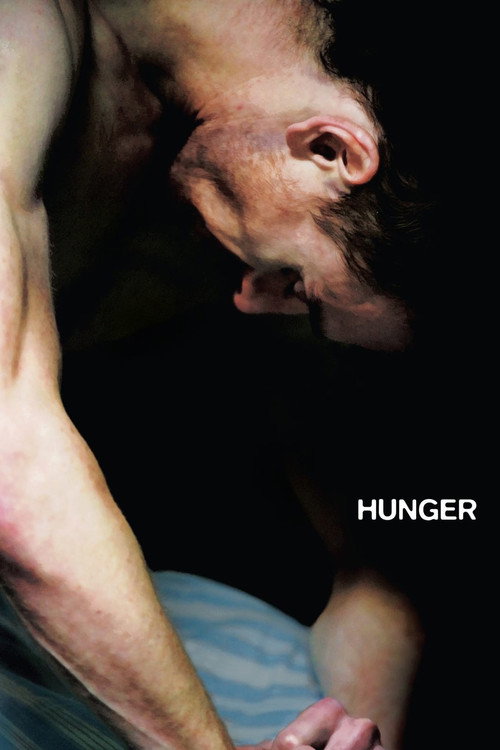
Hunger2008
Like Fidelio, it argues that political prisoners represent something sacred—human will and dignity against the machine of state authority. But where Beethoven offers escape and transcendence, McQueen offers only suffering and sacrifice.
Steve McQueen's film about Bobby Sands' hunger strike is a rigorously visual meditation on political imprisonment and the body as the last weapon against state power. It's austere, almost abstract, but emotionally devastating in its final hour.
But Very little happens narratively. It's formal and demanding, with long sequences of near-silence. The final act, depicting Sands' death, is extremely difficult to watch.
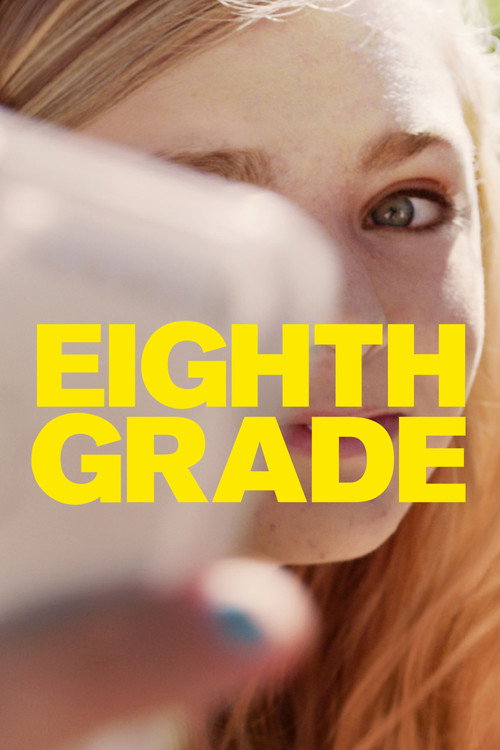
Eighth Grade2018
Both explore what it costs to be authentic in a system designed to crush authenticity. But where Fidelio locates that cost in torture and imprisonment, Burnham finds it in the mundane terrors of being seen by your peers.
Bo Burnham's comedy-drama about a thirteen-year-old girl navigating social anxiety and digital performance is surprisingly profound about freedom, conformity, and the cost of visibility. It's tender and funny and quietly devastating—operatic in emotional scope but naturalistic in form.
But The subject matter is relentlessly cringe-inducing and the pacing is deliberately awkward. It's too unglamorous for most people and too emotionally raw for comfort.
People
Cast
- Carsten StabellDon Fernando
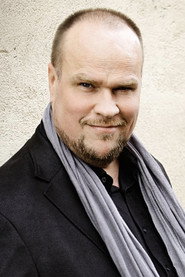 Juha UusitaloDon Pizarro
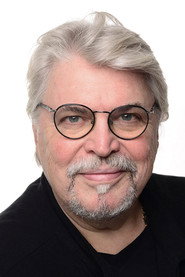 Peter SeiffertFlorestan
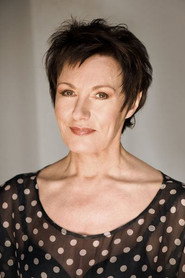 Waltraud MeierLeonore
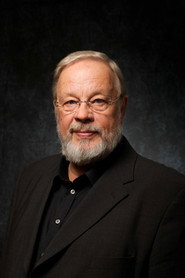 Matti SalminenRocco
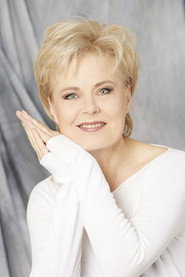 Ildikó RaimondiMarzelline
- Rainer TrostJaquino
- Javier AgullóFirst Prisoner
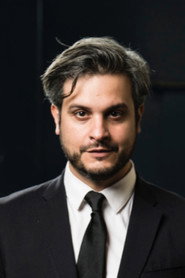 Nahuel Di PierroSecond Prisoner
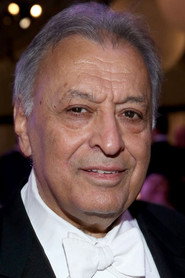 Zubin MehtaSelf - Conductor
Directing
- Pier' AlliDirector
- Tiziano ManciniDirector