
Film
La Bohème
Other titles called La Bohème: the 1926 film, the 1988 film, the 1994 film, the 2008 film.
Puccini's beloved opera about bohemians in Paris, filmed with opera's full theatrical grandeur intact. This 1982 Royal Opera House production captures the romance, the comedy, the devastating ache of young love and mortality. It's ravishing to watch: sumptuous sets, singers who can act, the camera finding intimacy in spectacle. For anyone who thinks opera might be for them, or thinks it definitely isn't.
If you liked this
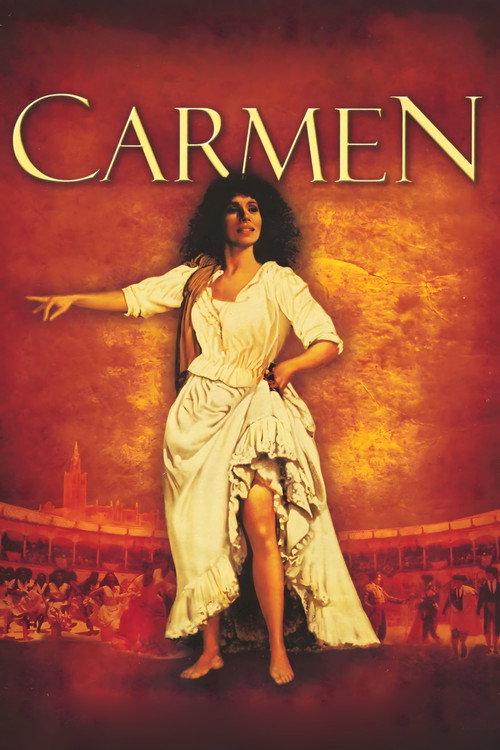
Carmen1984
Another opera film from the same era, directed with operatic passion by Francesco Rosi. Carmen is fiercer, more dangerous—passion as a force of nature. The Madrid locations burn.
But If you find Bizet's score less immediately gorgeous than Puccini's, this won't convert you. Some find the narrative's treatment of Carmen troubling.
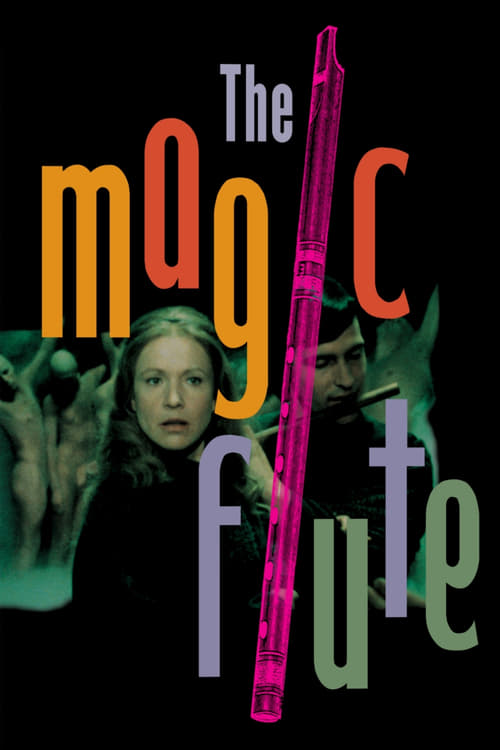
The Magic Flute1975
Ingmar Bergman's visionary Mozart adaptation. Theatrical without feeling like a stage film—it breathes as cinema. The enchantment is real, the comedy sharp, the darkness genuine.
But At three and a half hours, it demands patience. Bergman's interpretation is bold; if you want Mozart straight, look elsewhere.
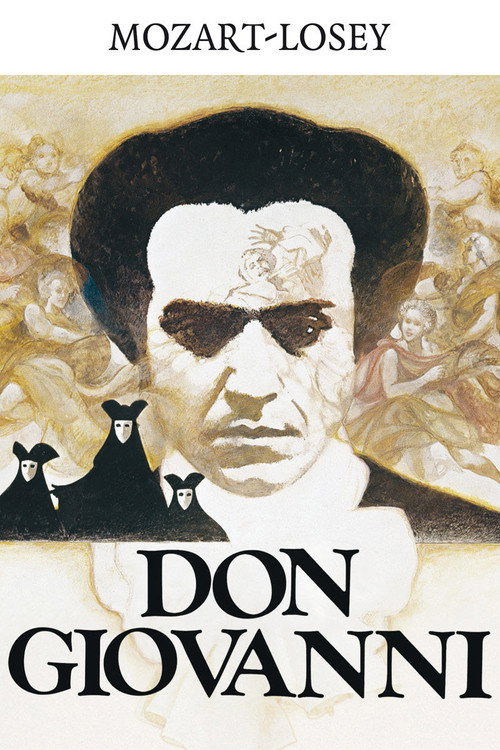
Don Giovanni1979
Joseph Losey's adaptation is genuinely weird: Don Giovanni as a real moral problem, not just a libertine. The stone guest arrives as genuine apocalypse. Audacious and unsettling.
But It's deliberately austere. Losey strips away the fun to find the dread. That works brilliantly, but it's not what most people want from Don Giovanni.
Not sure tonight? Get a pick in a minute, starting from La Bohème
The wildcard
Something you would not have found on your own.
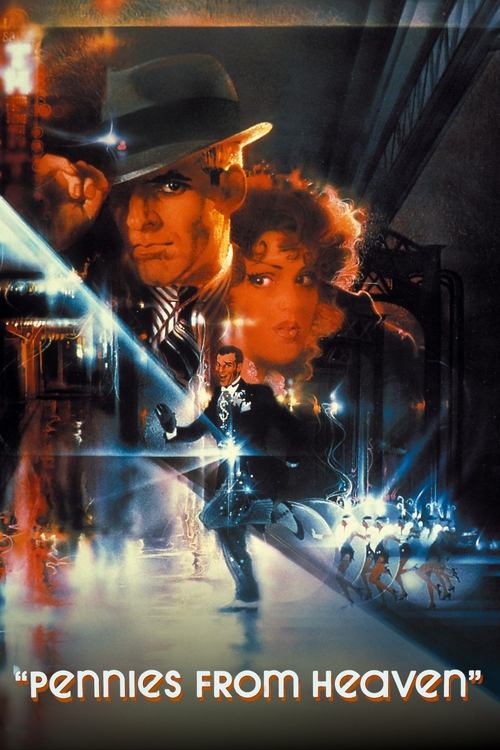
Pennies from Heaven1981
Both use songs to express what dialogue cannot—the gap between inner life and circumstance. In La Bohème, Puccini's arias reveal the heart. Potter's songs do the same, but with rage underneath.
Not an opera—a musical drama where songs break into the grimy 1930s like a fever dream. It's about yearning, beauty glimpsed in misery, art as survival. Dennis Potter's genius applied to American songbook standards. Achingly romantic and furious at the world.
But Explicit sex and violence upend the musical form itself. If you want your entertainment comforting, this weaponizes the form against you.
More like this (7)
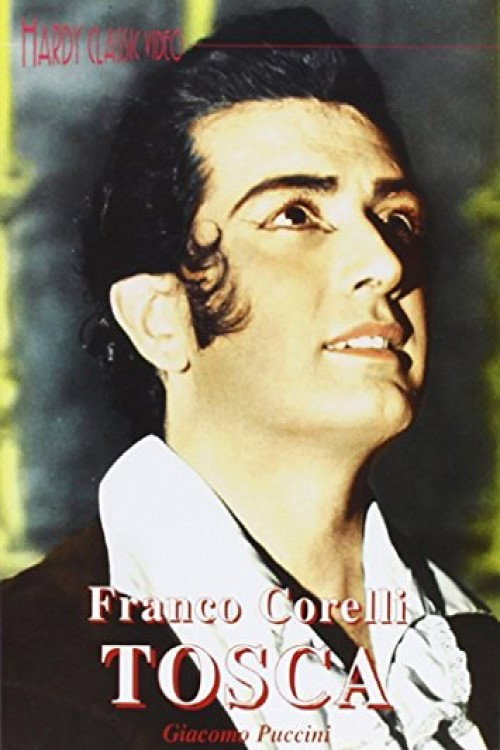
Tosca1956
Carmine Gallone's film stars Maria Callas. Even in a middling film, Callas commanding Tosca is an event—the vocal and theatrical power is absolute. A document of genius.
But The film itself is creaky. If you need cinema to match the music, the 1992 Zeffirelli version is more polished, though less electric.
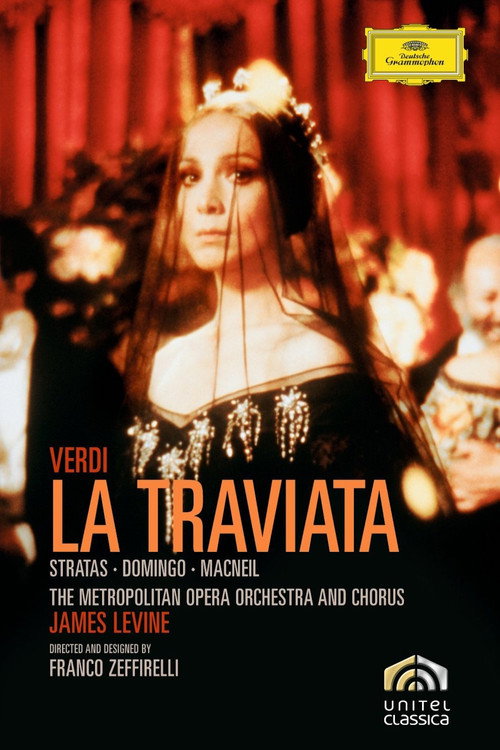
La traviata1982
Franco Zeffirelli's lush production with Pia Pavarotti. Heartbreak with all the beauty Verdi can muster. If you loved La Bohème's tragedy, this explores similar terrain with equal emotional force.
But Zeffirelli's production can feel safe, even pretty. The staging occasionally prefers elegance to drama.
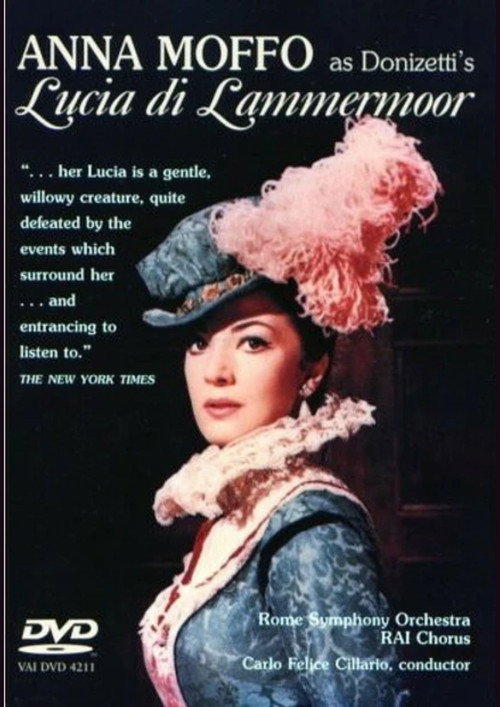
Lucia di Lammermoor1971
Luciano Pavarotti in his vocal prime, with Joan Sutherland. The Mad Scene is extraordinary. A showcase for two of the greatest singers of their age.
But The plot is melodrama in its purest form—betrayal, madness, death in quick succession. If you need emotional realism, this isn't it.
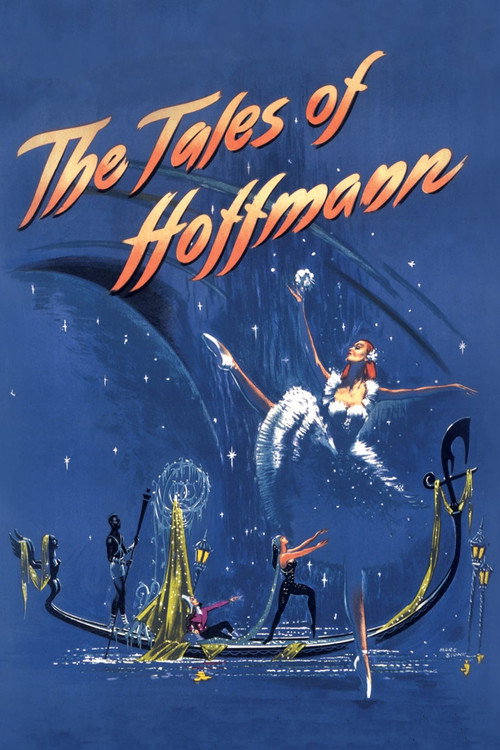
The Tales of Hoffmann1951
Michael Powell and Emeric Pressburger's film is pure visual opera: designed like a fantasia, shot like a dream. Offenbach's music meets cinema's imagination. Utterly unique.
But It's abstract and sometimes stagey in ways that feel dated now. The three-act structure can drag if the stories don't grab you.
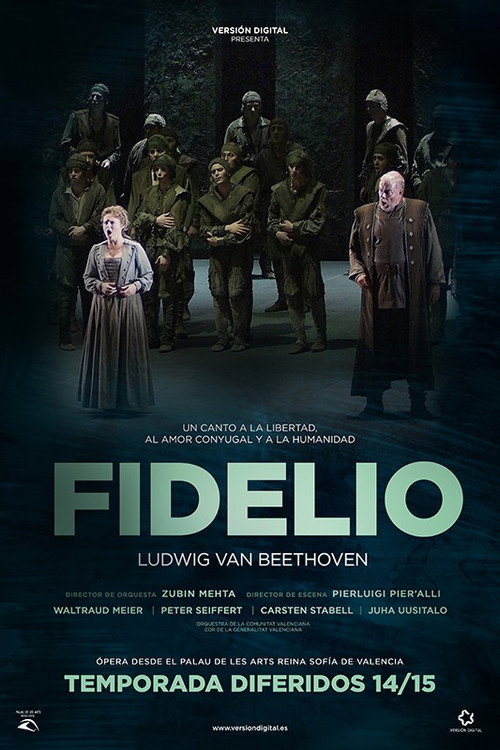
Fidelio2006
Beethoven's only opera, filmed with clarity and weight. It's about freedom and human dignity—politics and passion fused. A different register from Puccini, but no less moving when done right.
But It's stern, even austere. Beethoven doesn't seduce the way Puccini does. Some find it noble but cold.
Synecdoche, New York2008
Both track the slow death of an artist by poverty and circumstance. But where Puccini finds tragedy in beauty, Kaufman finds tragedy in the failure to capture anything at all.
Charlie Kaufman's opera of a film: one man's impossible attempt to make art that captures life while life collapses around him. Sprawling, strange, formally theatrical. It's as generous and heartbroken as La Bohème, but splintered across American emptiness instead of Parisian garrets.
But It's deliberately confusing. Form and plot dissolve into each other. You have to surrender to it rather than follow it, and many won't.

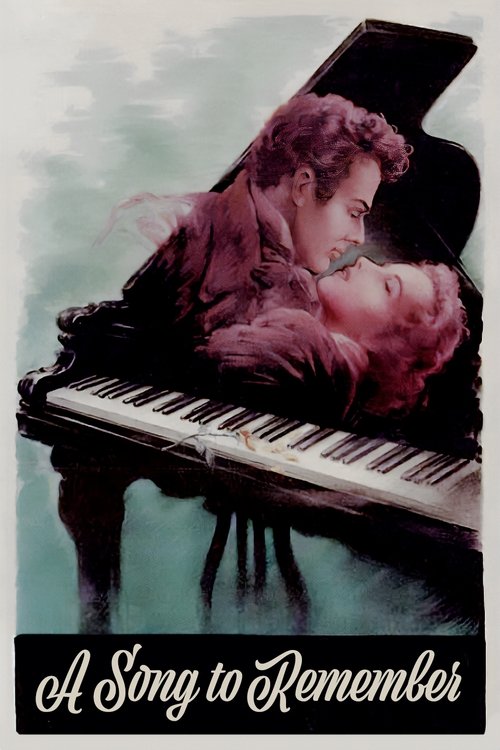
A Song to Remember1945
Both are tributes to the Romantic ideal: the artist as beautiful, doomed, and finally noble through suffering. La Bohème performs that myth; this film worships it.
Cornel Wilde as Chopin—a studio-era biography of the composer as suffering artist and romantic hero. Lush, melodramatic, completely artificial, utterly compelling. It's operatic in its DNA: music as the expression of a tortured soul.
But It's hokum. The historical Chopin bears little resemblance to this romantic myth. If you need accuracy over poetry, you'll resent it.
People
Cast
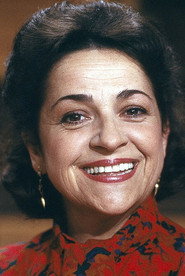 Ileana CotrubasMimi
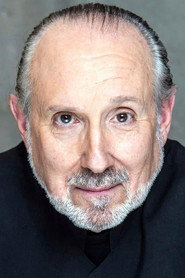 Neil ShicoffRodolfo
- Marilyn ZschauMusetta
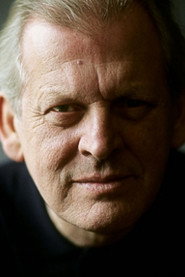 Thomas AllenMarcello
- Gwynne HowellColline
- John RawnsleySchaunard
- Brian DonlanBenoît
- John GibbsAlcindoro
- Daniel McCoshanParpignol
Directing
- Brian LargeDirector
- John CopleyDirector
Writing
- Henri MurgerOriginal Story
- Giuseppe GiacosaWriter
- Luigi IllicaWriter