
Film
Turandot
Franco Zeffirelli's 1987 Met production of Puccini's final opera, a sumptuous live recording with Plácido Domingo and Éva Marton at peak power. It's grand opera at its most unabashed—elaborate sets, soaring voices, melodrama that knows exactly what it is. For anyone who wants to experience why people fall in love with opera, or who already has and wants to see it done magnificently.
If you liked this
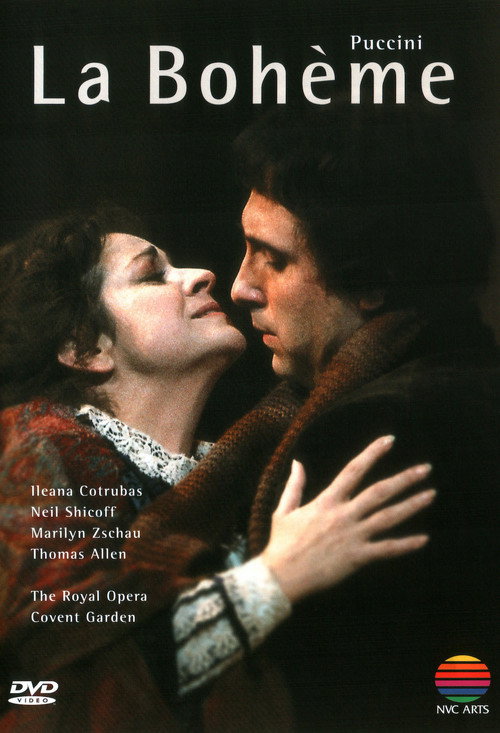
La Bohème1982
Another Puccini masterpiece, also conducted by Levine at the Met and directed by Zeffirelli. If you love Turandot's lush romanticism and spectacular staging, this one goes even deeper into pure emotional devastation.
But It's a tragedy about poor artists dying of consumption—beautiful but relentlessly sad. Also three hours.
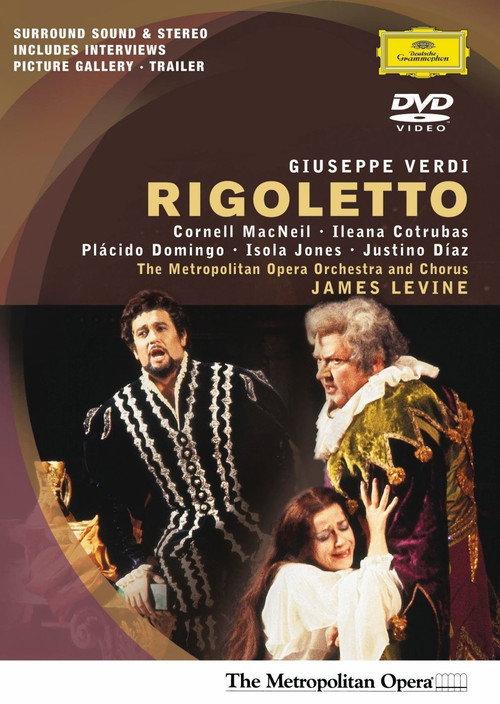
Rigoletto1977
A Verdi classic with rock-solid dramaturgy: fewer costumes, more plot, same caliber of singing. Recorded at the Met in the same era, with similarly commanding performances and James Levine's precise conducting.
But It's darker and less visually ornate. If you came for the pageantry, this is more intimate and less spectacle.
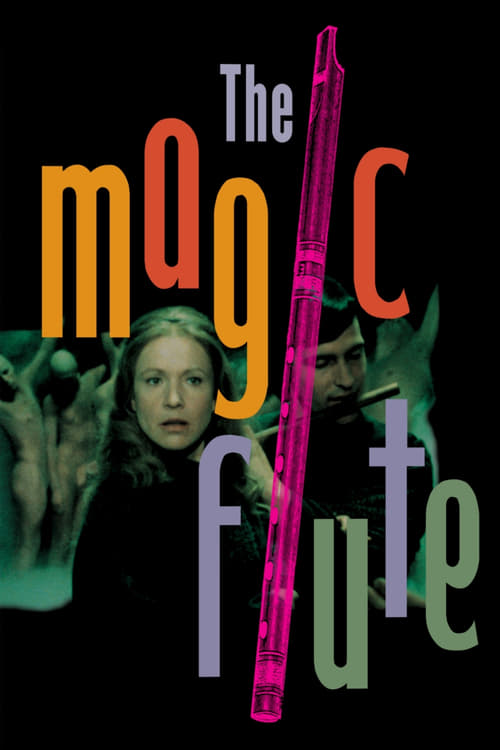
The Magic Flute1975
Mozart's kaleidoscopic masterpiece: more playful than Turandot but equally impossible to look away from. Bergman's film direction turns it into visual theater rather than just cameras on singers, and the design is unforgettable.
But It's deliberately fantastical and weird. Some find it precious or dated, and the story is abstract in places.
Not sure tonight? Get a pick in a minute, starting from Turandot
The wildcard
Something you would not have found on your own.
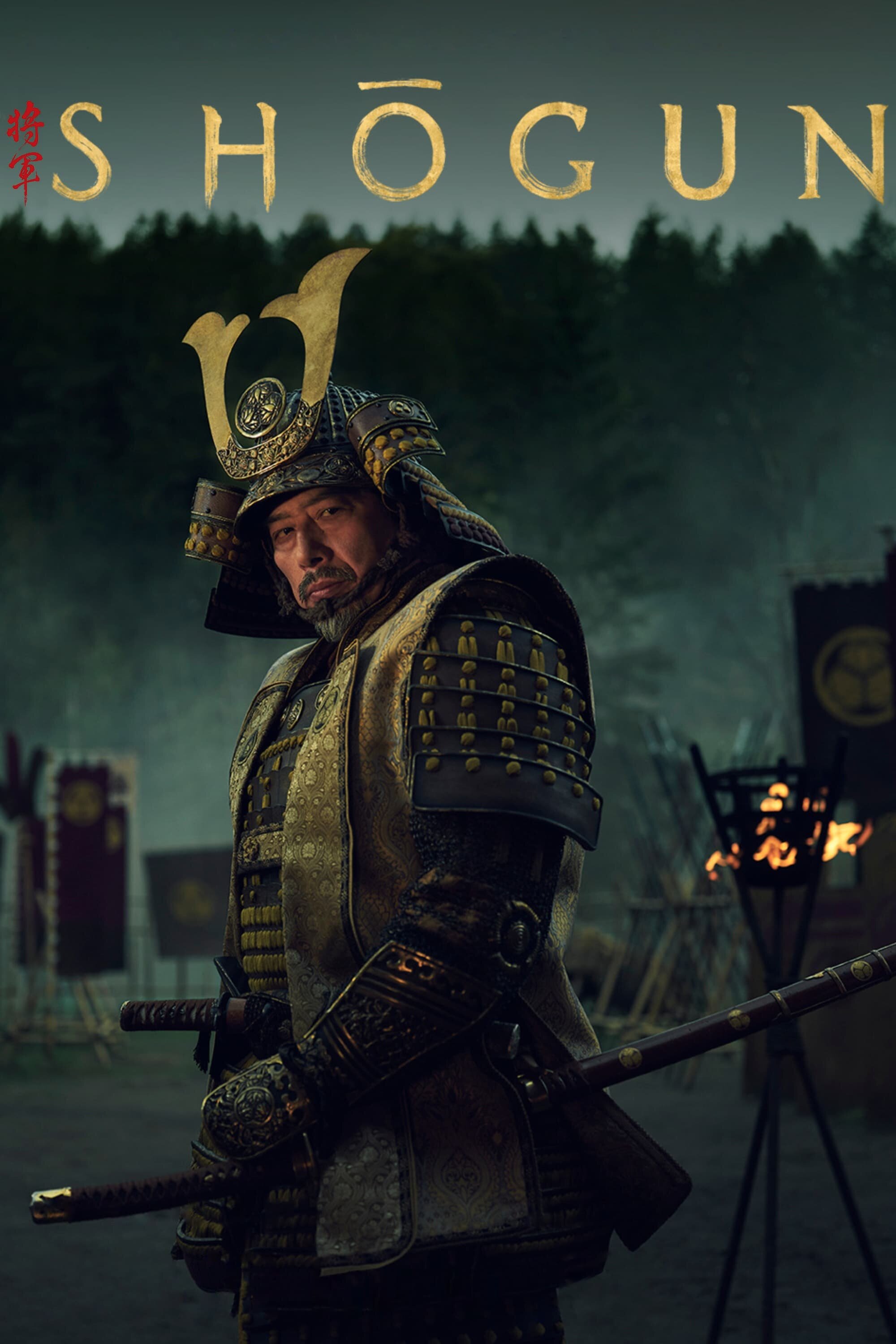
Shōgun2024
Both are exercises in ornamental grandeur filtered through a Western imagination of the East, and both make stakes feel cosmic when they might be personal.
A five-hour miniseries that captures the same spectacle, cultural collision, and romantic intensity as Turandot—but in a different medium and register. It's opera-like storytelling without the sung dialogue, with James Clavell's prose and John Williams's score doing what Puccini does.
But It's a sprawling historical epic with many subplots. Some find it slower-paced, and it asks you to invest in multiple characters, not just vocal virtuosity.
More like this (7)
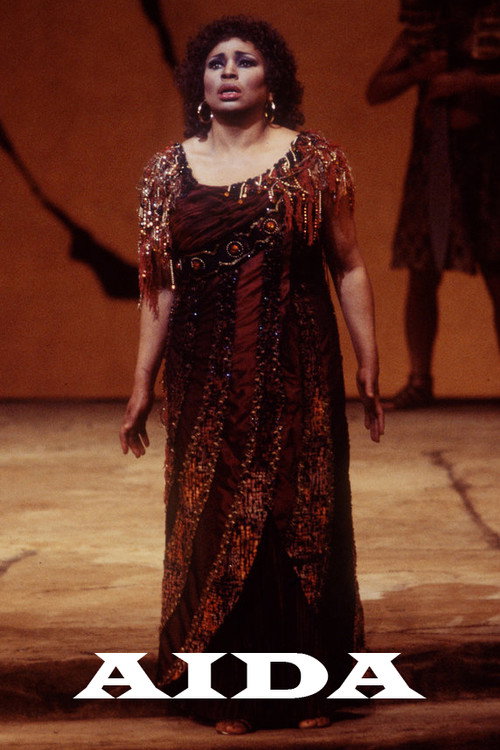
Aida1985
Another Met production from this era: massive spectacle, genuine emotional stakes, and a cast of enormous voices. If you want that Turandot feeling of opera as total experience, Aida delivers harder.
But It's long, the plot is familiar, and it can feel heavy-handed. The politics are dated.
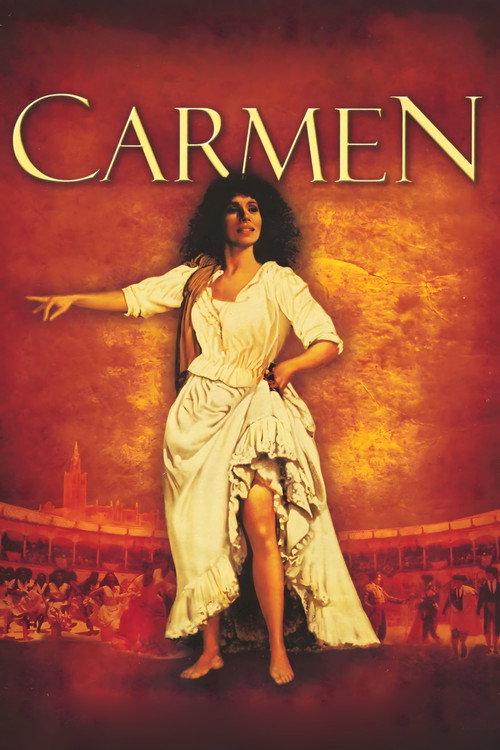
Carmen1984
Puccini's precursor—same orchestral richness, more compact storytelling, unforgettable tunes. Bizet's most performed work for a reason. This version is warm and direct without irony.
But The heroine dies, the hero is pathetic, and the whole thing is a downer. Also it's been done to death.
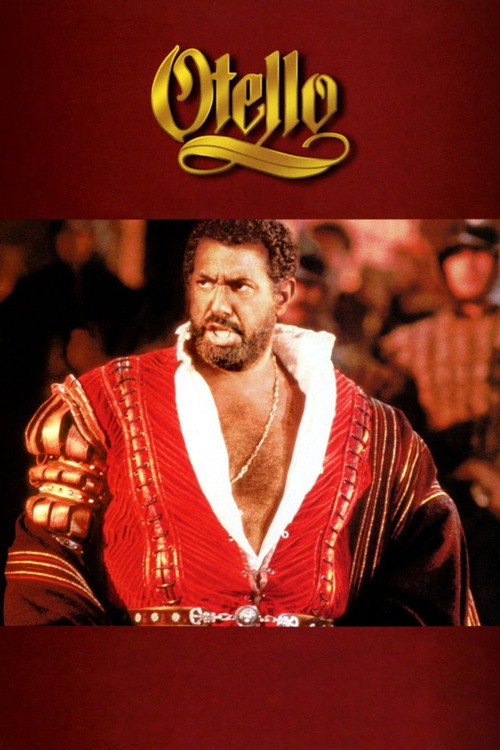
Otello1986
Verdi's only Shakespeare adaptation, recorded at the Met the same year as Turandot. Plácido Domingo conducts as well as sings, and the jealousy arc is operatic in the best sense—big, true, unstoppable.
But It's violent and psychologically brutal. The ending is harrowing, and some find Verdi's version less subtle than the play.
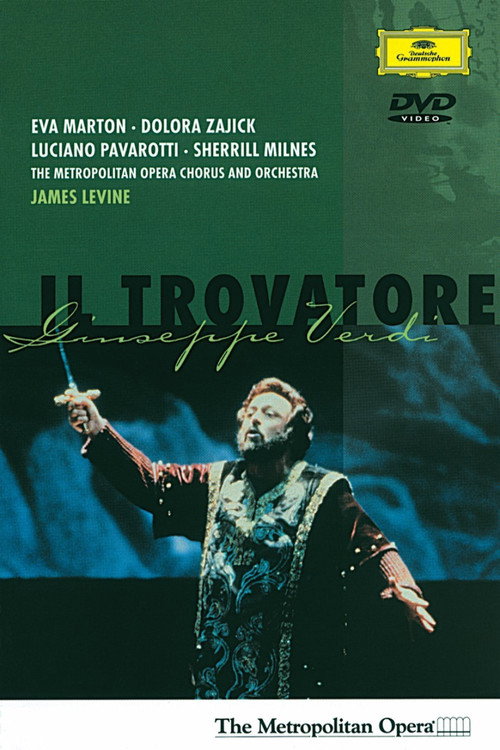
Il Trovatore1988
Another Verdi with James Levine conducting, recorded at the Met. Pure opera: burning voices, repetitive arias that somehow never stop meaning something, a plot so tangled nobody remembers it but everyone feels it.
But The narrative is genuinely nonsensical. If you need plot coherence, you will be baffled. Also very long.
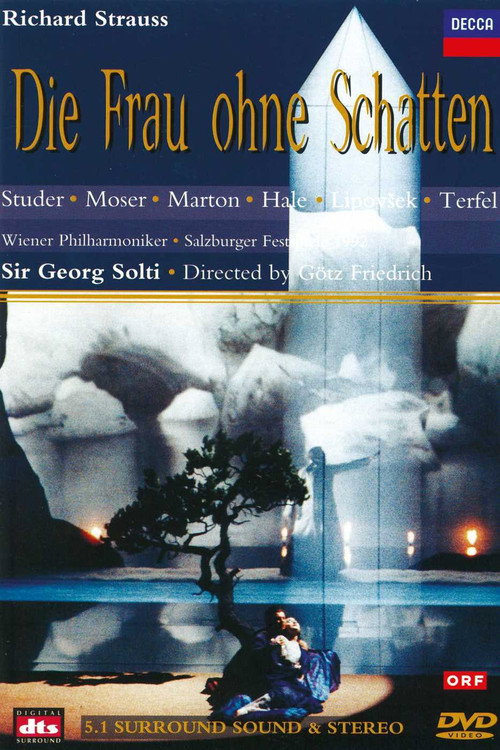
Die Frau ohne Schatten1992
Strauss's most ambitious work: fantasy, philosophy, and music of almost overwhelming richness. If Turandot's orientalism appeals to you, this explores different fantasy realms with even more invention and psychological depth.
But It's dense and long—almost four hours. The philosophical middle section tests patience, and Strauss's orchestration can feel overwrought.
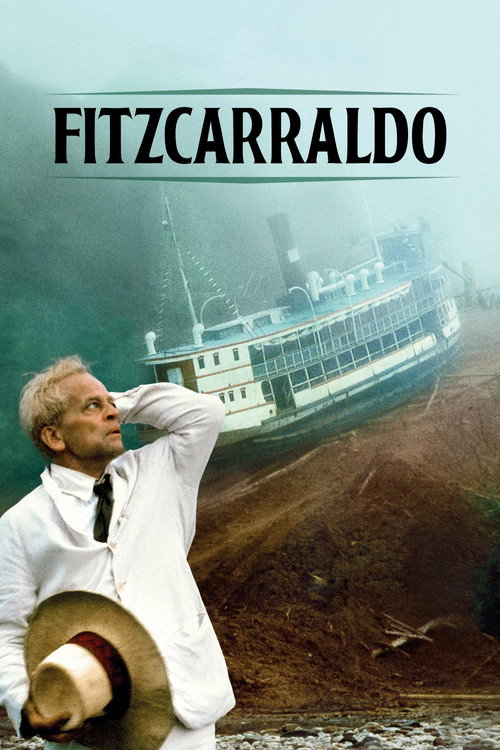
Fitzcarraldo1982
Both use spectacle and extreme ambition as a way to express something true about human desire. Both are works where the medium itself—the difficulty, the sheer will required—becomes inseparable from the meaning.
Werner Herzog's madness about obsession: a man drags a steamship up a mountain through sheer will. No singing, no costumes, but the same operatic intensity and the same refusal to accept limits. Herzog filmed it as though he were composing.
But It's grueling to watch, philosophically bleak, and the production ethics are questionable. Beauty and cruelty become inseparable. Not escapism.
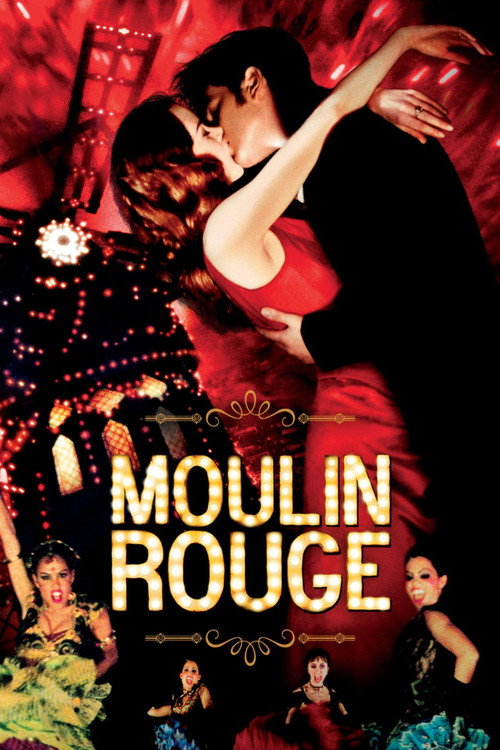
Moulin Rouge!2001
Both are saying that spectacle is honesty, and that emotional truth scales up to the enormous. Luhrmann watched opera and made a film that moves the same way Puccini does—big, red, unapologetic.
Baz Luhrmann's pop-opera chimera: singers (some actually are), dancers, outrageous design, and a story about impossible love that drowns in style. It proves that the operatic gesture works outside the opera house. The ecstasy is real.
But It's garish and sometimes incoherent. The pacing is relentless. If you want classical music or classical values, this will feel like betrayal.
People
Cast
 Éva MartonTurandot
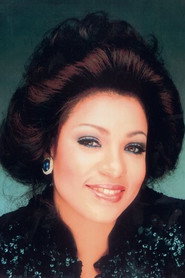
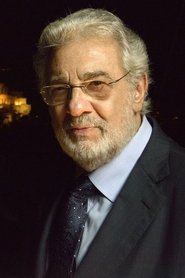 Plácido DomingoCalaf
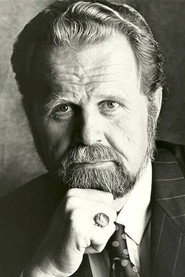 Paul PlishkaTimur
- Hugues CuénodEmperor Altoum
- Allan GlassmanPang
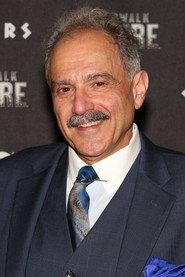 Anthony LaciuraPong
- Gary CordialThree Masks
- Christopher StockerThree Masks
- Joseph FritzThree Masks
- Arthur ThompsonMandarin
Directing
- Franco ZeffirelliDirector
- Kirk BrowningDirector
Writing
- Giuseppe AdamiWriter
- Renato SimoniWriter