
Film
Aida
Other titles called Aida: the 1953 film.
- Stage-musical adaptation
- Slow-burning
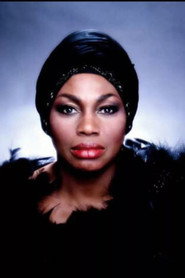
Leontyne Price's farewell performance of Verdi's Aida at the Metropolitan Opera in 1985. One of opera's supreme voices in its most demanding role, captured with crystalline clarity. A master class in how to inhabit impossible music with grace, authority, and the kind of emotional generosity that transcends the form. Essential viewing even for those who think opera isn't for them.
Should you watch it?
Watch it if you come to opera for the voice itself, the arching line and the sense of a singer pouring everything into one role, and you want a farewell from someone who owned it.
Skip it if you find sung drama hard going without momentum, since long stretches are static pageantry and the formal staging can feel stiff.
What it asks of you: Settle in for a full-length grand opera sung in Italian, with ceremonial processions and big choral blocks, and give the singing your patience across the whole evening.
Not sure? Find tonight's pick in a minute.
If you liked this
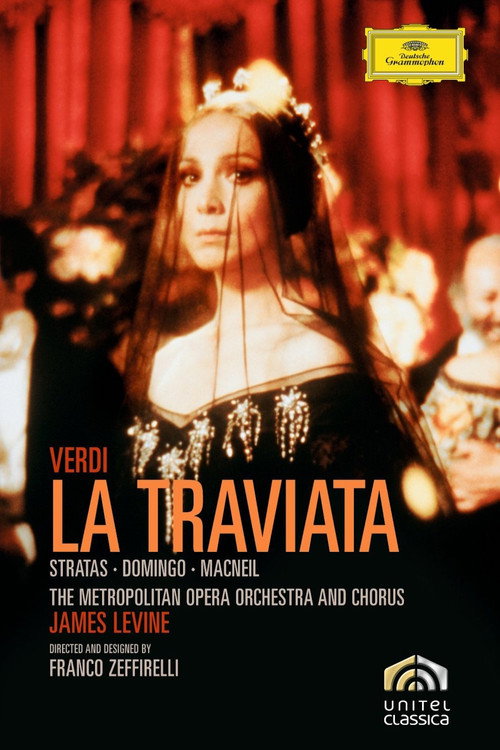
La traviata1982
Placido Domingo and Ileana Cotrubas in Zeffirelli's sumptuous film version. Accessible, moving, and proof that Verdi's melodies lodge themselves in your chest whether you're paying attention or not.
But If you're skeptical about opera as a medium, a three-hour commitment to a dying courtesan might feel like a hard sell.
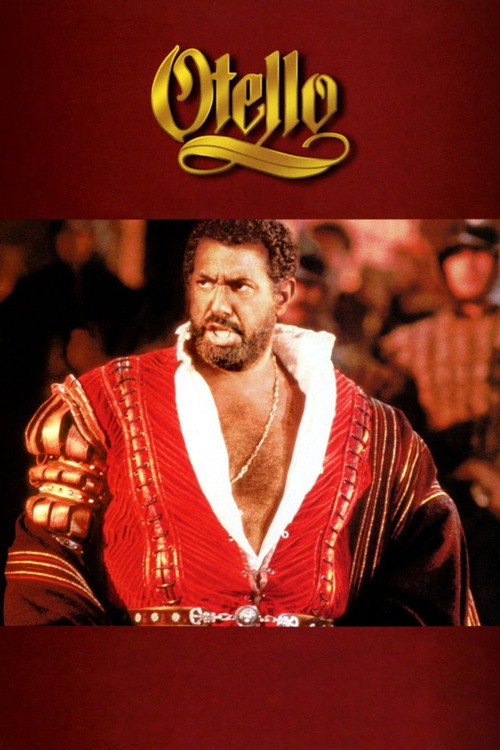
Otello1986
Plácido Domingo and Sherrill Milnes in Franco Zeffirelli's film of Verdi's masterpiece. Shakespeare distilled into pure music and jealousy that feels devastatingly real. James Levine conducts.
But The ending is relentless and bleak. If you need your drama tidied up, this will haunt you.
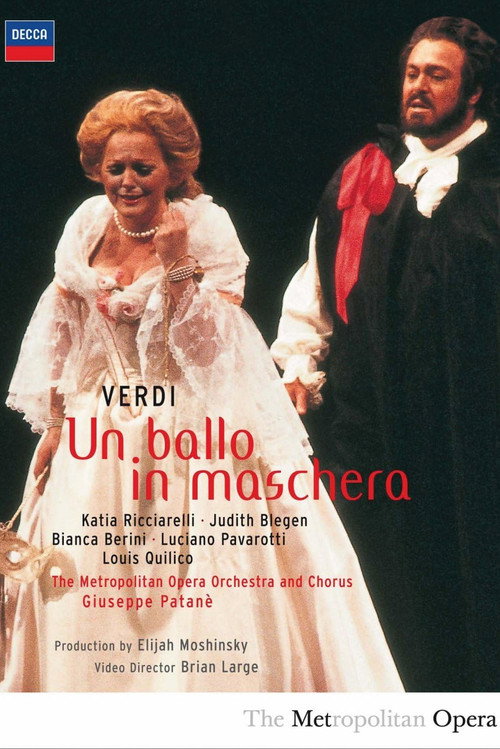
Un Ballo in Maschera1980
Claudio Abbado conducting at La Scala. A thrilling Verdi tragedy with momentum that keeps accelerating. The orchestra is phenomenal, and the performances crackle with danger.
But The plot involves masked balls and political assassination. It can feel overstuffed if you're not already invested in operatic storytelling.
Not sure tonight? Get a pick in a minute, starting from Aida
The wildcard
Something you would not have found on your own.
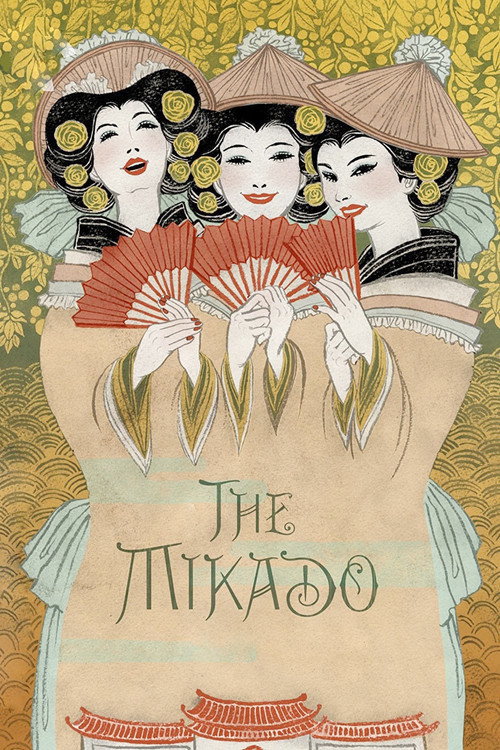
The Mikado1939
Both are structured around virtuosic vocal lines in service of emotional clarity—one serious and ennobling, one comic and free, but both proving that singing is the truest way to reach a listener's heart.
Gilbert and Sullivan's comic opera from 1939—utterly strange, completely charming, and a reminder that sung drama doesn't require tragedy or grand emotion. Delightful music, witty lyrics, and a completely different register from Aida. You'll be humming for days.
But It's deliberately silly, with topical jokes that don't land anymore. If you came here for Verdi's severity, this is frivolous.
More like this (7)
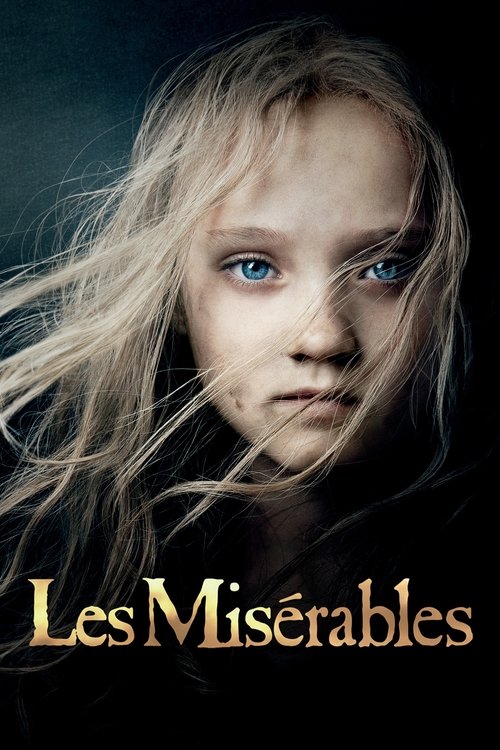
Les Misérables2012
If you loved the emotional sweep of Aida, this shows how accessible sung drama can be. Hugh Jackman, Anne Hathaway, the weight of injustice and redemption. Modern audiences found their way in through this film.
But It's treacly at moments, and the cinematography makes everything look slightly grimy. The singing is deliberate rather than soaring.
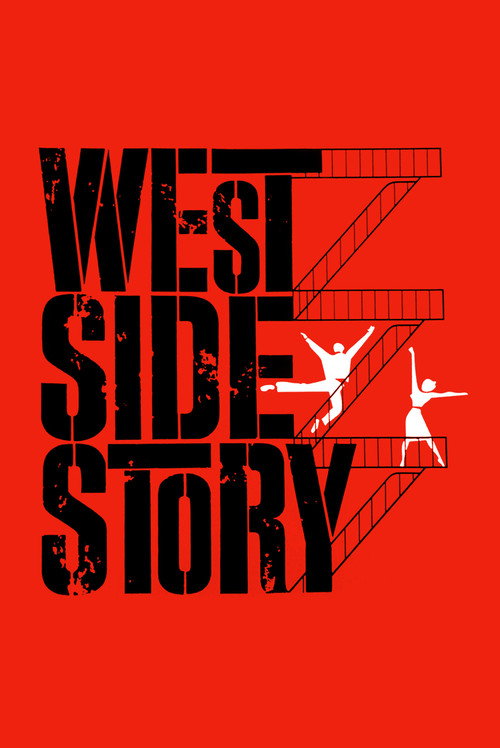
West Side Story1961
Bernstein's music carries the same weight as Verdi. A modern tragedy told through dance and song, with orchestration that justifies every minute. It proves musical drama doesn't need to be in Italian to devastate you.
But The film's treatment of race is dated and painful. It's still magnificent, but you can't unsee the problems.
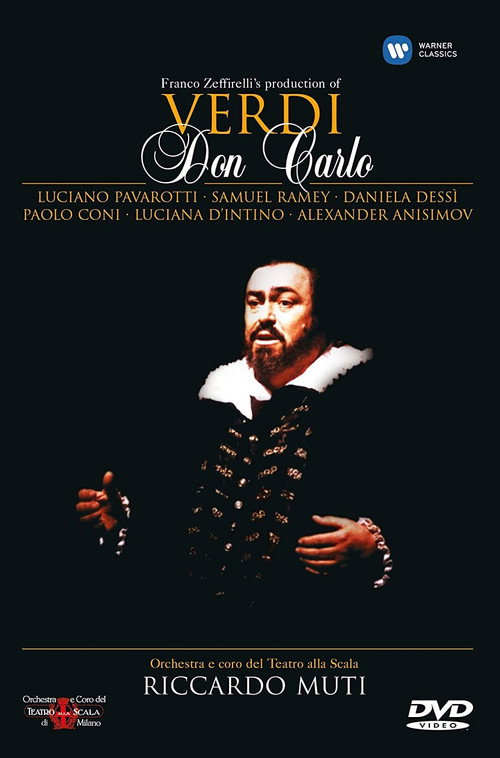
Don Carlo1992
Luciano Pavarotti and Karita Mattila. A sprawling Verdi epic about power, forbidden love, and conscience. Five acts of sumptuous music conducted by Riccardo Muti.
But At over four hours, it demands patience and faith that Verdi's architecture will reward you. It does, but not for the impatient.
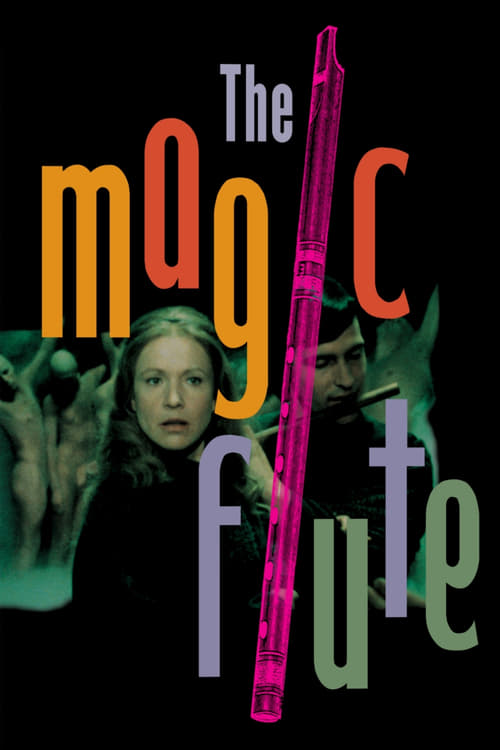
The Magic Flute1975
Ingmar Bergman's film of Mozart's opera. Visually extraordinary, witty, and strange. It captures the music's playfulness while taking its mysteries seriously. Beautiful without being pretentious.
But Bergman's interpretation is idiosyncratic and theatrical. If you want Aida's tragedy in Mozart form, this is lightness and ritual instead.
Rigoletto1989
Luciano Pavarotti as the Duke in a production that lets the music breathe. The tragedy is intimate and brutal. Verdi's most propulsive score, with melodies that outlast the night.
But The Duke is a rapist. Verdi doesn't excuse this, but it's unsettling in ways that matter. Not everyone wants opera about a man who assaults women.
Certified Copy2010
Jonas Kaufmann and Anna Netrebko. A taut thriller where the score mirrors the tension perfectly. Puccini's music is direct and voluptuous. Michael Haneke's film version is stark and gripping.
But It's violent and compressed. The pacing works against the traditional operatic pace, and some traditionalists find it alienating.
The Phantom of the Opera1925
Both are high-drama passion pieces built around a central figure whose voice or presence commands everything. Both understand that isolation and beauty are often inseparable.
Lon Chaney in silent film, accompanied by live orchestral music. A visual and sonic experience that's entirely different from opera—no sung dialogue, pure cinema—but the emotional architecture is the same: beauty, loss, impossible love. Electrifying and strange.
But It's a silent film from 1925. The pacing and acting style require patience, and the love story is possessive in uncomfortable ways. Modern sensibilities will resist.
People
Cast
 Leontyne PriceAida
- Dimitri KavrakosThe King
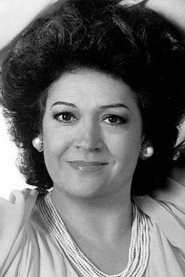 Fiorenza CossottoAmneris
- James McCrackenRadamès
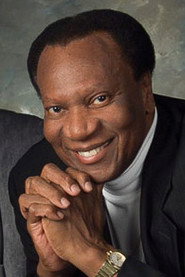 Simon EstesAmonasro
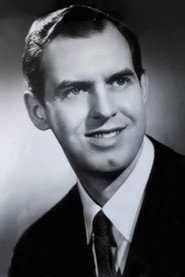 John MacurdyRamfis
- Robert NagyA Messenger
- Therese BrandsonA Priestess
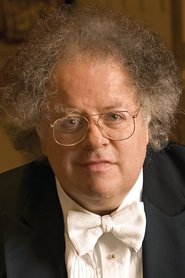 James LevineSelf - Conductor
Directing
- Brian LargeDirector
- John DexterDirector
- Bruce DonnellyStage Director
Writing
- Antonio GhislanzoniWriter