
Film
Aida
Other titles called Aida: the 1985 film.
Sophia Loren's luminous screen presence meets Verdi's towering opera in this 1953 Italian spectacle. Renata Tebaldi's soaring voice carries the doomed love story of an enslaved Egyptian princess. It's pure melodrama—grand, emotionally unrestrained, gorgeously mounted. For anyone curious how cinema once married theatre and song before musicals became intimate conversations.
If you liked this
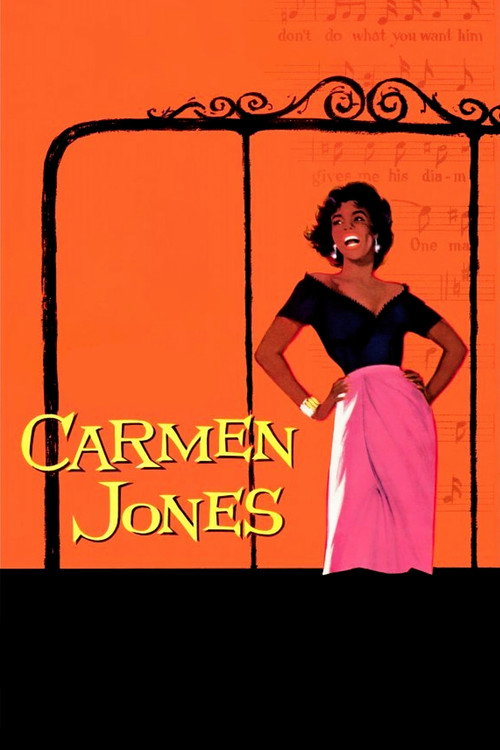
Carmen Jones1954
François Delannoy's vivid adaptation pairs Viviane Romance with a symphony orchestra for Bizet's most theatrical opera. It captures the same collision between film and music, setting, and raw passion in confined spaces.
But The lip-syncing is obvious and occasionally distracting. It's a film for those already intoxicated by opera, not an entry point for skeptics.
The Red Shoes1948
Powell and Pressburger's fever dream about a dancer caught between love and art. Like Aida, it's European cinema treating performance itself as high drama, with sumptuous colour and romantic destruction.
But It's less an opera and more a fever-dream ballet film. The pacing is deliberate, and some find the romanticism overwrought rather than moving.

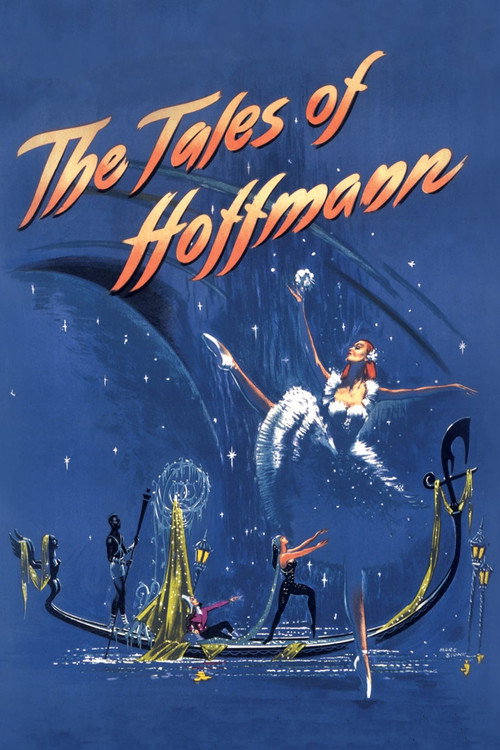
The Tales of Hoffmann1951
Another Powell-Pressburger opera film, bursting with colour and theatrical invention. It shows how cinema could make Offenbach's music visual and physical rather than just recording a stage performance.
But It's aggressively artificial and painterly—if you prefer naturalism or subtlety, the artifice will feel suffocating rather than magical.
Not sure tonight? Get a pick in a minute, starting from Aida
The wildcard
Something you would not have found on your own.
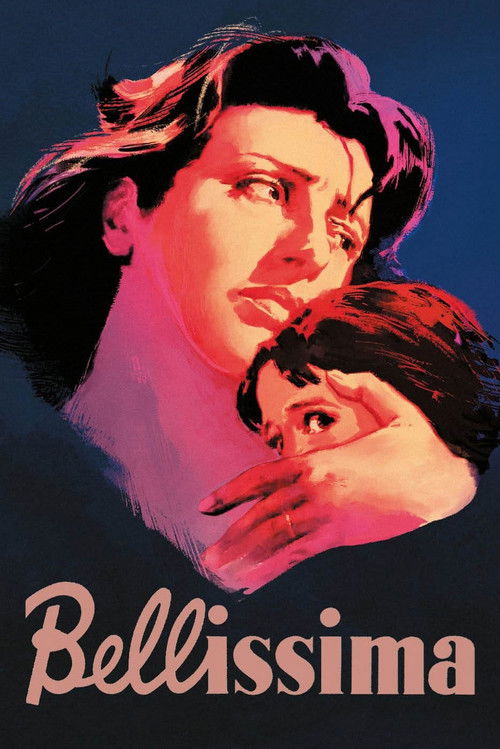
Bellissima1952
Both explore how art and ambition consume those caught in their machinery. But where Aida is ancient tragedy played at maximum volume, Bellissima is modern viciousness happening in a bedroom—it's what operatic passion looks like when stripped of music and myth.
Luchino Visconti's backstage melodrama about a mother willing to destroy her daughter for stardom in cinema. Like Aida, it's about talent trapped by forces larger than desire—but set in 1950s Rome, with Magnani's raw fury replacing operatic nobility.
But It's nearly three hours of claustrophobic domestic warfare with no music, no spectacle, and a mother figure you'll want to strangle. The Italian neorealist style feels deliberately unglamorous.
More like this (7)
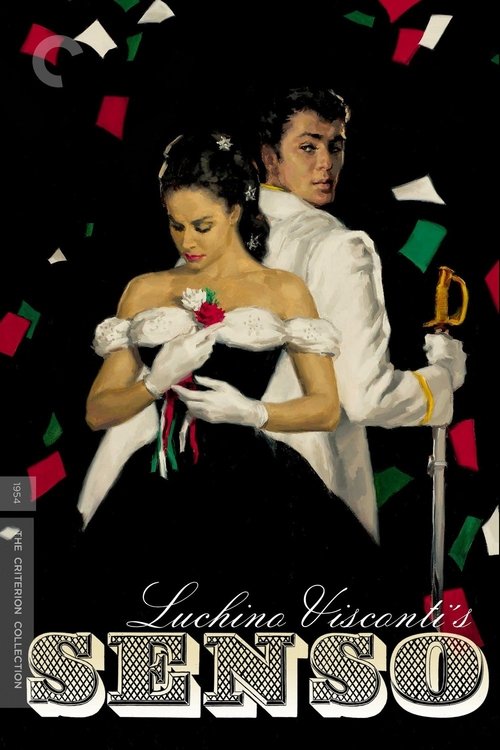
Senso1954
Luchino Visconti's Italian melodrama about forbidden love during wartime features Alida Valli in a role of operatic intensity. The passion is equally destructive and the visual style similarly sumptuous to Aida.
But It's a different form entirely—no music, just dialogue and orchestral score. The emotional register is more neurotic than noble, which some find less satisfying.
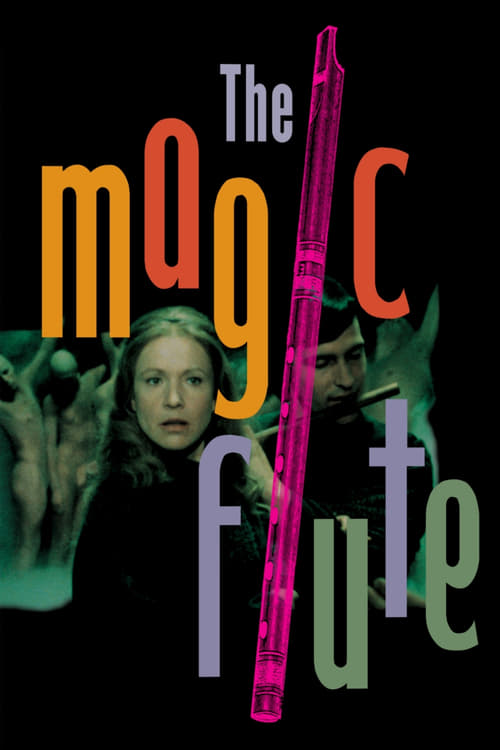
The Magic Flute1975
Ingmar Bergman's chamber-like Mozart adaptation trades spectacle for intimacy and mystery. Proof that operatic cinema needn't be bombastic, and that restraint can be just as powerful as grandeur.
But At nearly three hours, it's slow and introspective. If you're seeking the high melodrama of Aida, this will feel like a completely different conversation.
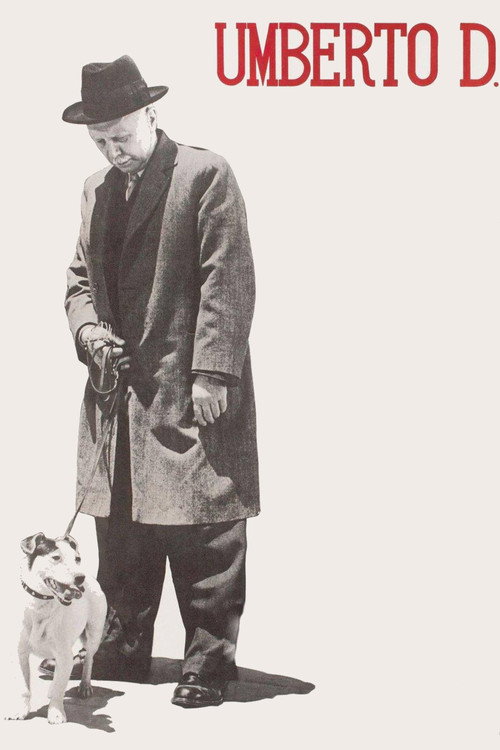
Umberto D.1952
De Sica's Italian neorealist masterpiece shows how mid-century Italian cinema could break your heart without music or spectacle. The restraint makes the emotion fiercer; the authenticity, more devastating.
But It's the opposite of Aida's grandeur—grey, intimate, and almost plotless. If operatic scale and colour are what you're after, this will feel punishingly austere.
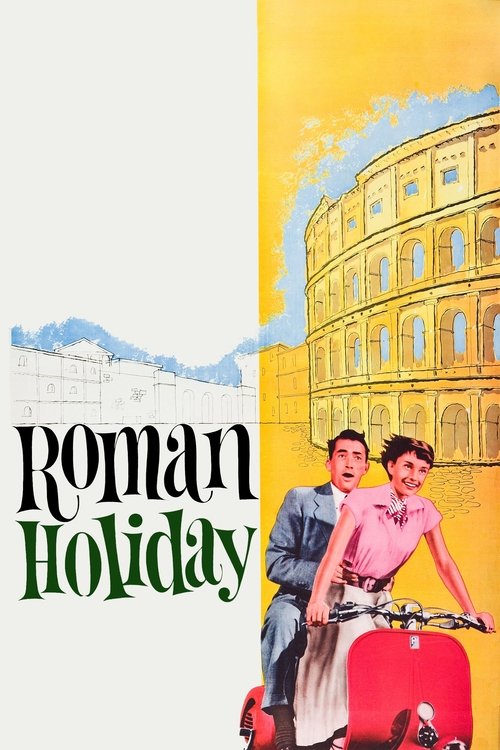
Roman Holiday1953
Released the same year as Aida, this Audrey Hepburn romance shares the Mediterranean setting and romantic tragedy. It's what happens when Verdi meets postwar Hollywood: still melodramatic, but smaller and more human.
But There's no music here, and the tone is lighter and more bittersweet than operatic. You lose the soaring drama that makes Aida intoxicating.
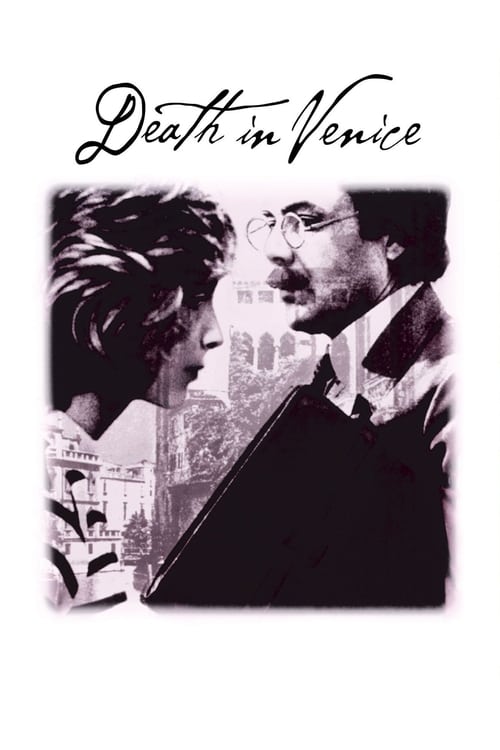
Death in Venice1971
Visconti's obsessive, colour-saturated adaptation of Mann uses Mahler's music to create operatic intensity without an opera. It's proof that the scale and emotional weight of Aida can exist in other forms.
But It's glacially paced, deeply strange, and built on voyeuristic desire rather than heroic passion. The atmosphere is creeping dread, not soaring emotion.
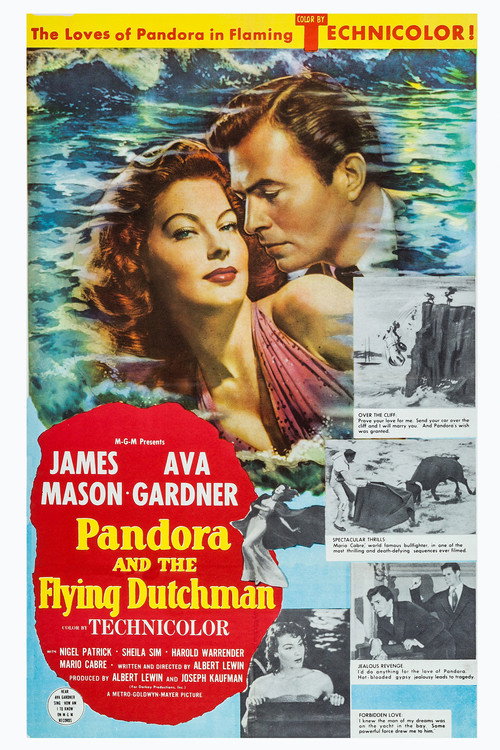
Pandora and the Flying Dutchman1951
Both are built on doomed romantic triangles where duty and desire collide. But where Aida grounds its fantasy in a comprehensible world, Pandora abandons realism entirely—it's what Verdi might compose if he were making surrealist film instead of opera.
Albert Lewin's baroque fantasy-romance about a woman and a cursed sailor, shot in ravishing Technicolor on the Spanish coast. It matches Aida's romantic fatalism and operatic colour with a dream-logic narrative that opera could never attempt.
But The plot makes little sense and resolves through pure symbolism. If you need narrative coherence or character motivation, this will frustrate you deeply.
Stalker1979
Both ask what a person will sacrifice for something they cannot have. Where Aida answers with death and noble sorrow, Stalker answers with uncertainty and metaphysical vertigo—it's the same hunger, viewed through completely opposite lenses.
Andrei Tarkovsky's hypnotic Soviet science-fiction film about three men journeying through a mysterious zone. It shares Aida's exploration of desire in service to forces larger than the self—but replaces operatic emotion with philosophical dread and glacial pacing.
But It's nearly three hours of dialogue and landscape with minimal plot. If you're seeking the emotional catharsis or musical grandeur of Aida, you'll find only questions and silence here.

People
Cast
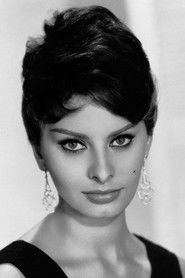 Sophia LorenAida
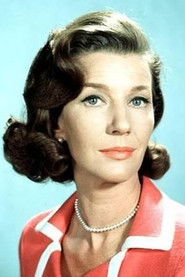 Lois MaxwellAmneris
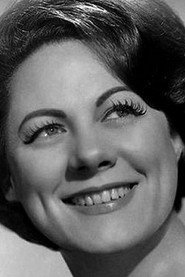 Renata TebaldiAida (singing voice)
- Ebe StignaniAmneris (singing voice)
- Luciano Della MarraRamadès
- Giuseppe CamporaRamadès (singing voice)
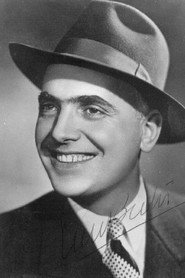 Gino BechiAmonasro (singing voice)
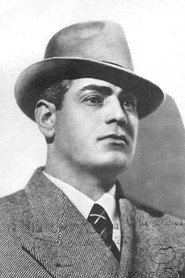 Afro PoliAmonasro
- Antonio CassinelliRamfis
- Giulio NeriRamfis (singing voice)
- Enrico FormichiFaraone
- Giovanna RussoUn'ancella (singing voice)
Directing
- Anna GobbiAssistant Director
- Carlo CastelliAssistant Director
- Enrico FrigerioAssistant Director
- Romeo CiattiAssistant Director
- Clemente FracassiDirector
Writing
- Clemente FracassiScreenplay
- Anna GobbiWriter
- Antonio GhislanzoniWriter
- Carlo CastelliWriter
- Giuseppe MorelliWriter
- Paolo SalviucciWriter
Production
- Federico TetiProducer
- Gregor RabinovitchProducer
- Federico TetiProduction Manager
- Ferruccio De MartinoProduction Manager