
Film
Death in Venice
Luchino Visconti's 1971 adaptation of Thomas Mann's novella follows an aging composer's fatal attraction to a beautiful boy in Venice. Hypnotic and deliberate, painted in muted golds and blues, it transforms psychological obsession into visual poetry. A film for patient viewers who prize atmosphere and moral ambiguity over plot momentum.
Should you watch it?
Watch it if you love films where mood, music and painterly framing do the storytelling, and you don't mind a story that unfolds through looks and silences more than plot.
Skip it if the pace is deliberately glacial and most of it is a man watching someone, so restless viewers will tire of the stillness and find its fixation hard to sit with.
What it asks of you: Over two hours at a funereal tempo, with long held shots, sparse dialogue and a score doing much of the emotional work; it wants patience, not half attention.
Not sure? Find tonight's pick in a minute.
If you liked this
The Servant1963
Joseph Losey's portrait of manipulation and class anxiety, where power shifts subtly between master and servant until the boundaries dissolve entirely. Richly composed and deeply unsettling.
But The pacing is slow and the power plays can feel obscure on first viewing. Some find it more clever than moving.

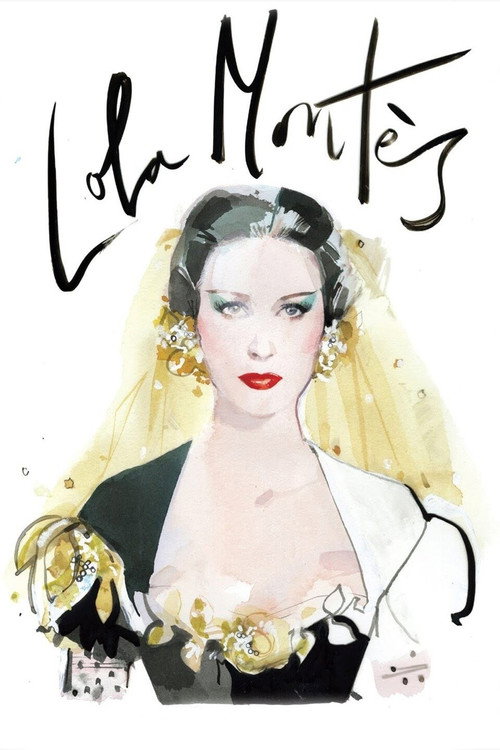
Lola Montès1955
Max Ophüls' colour spectacle about a dancer's past catching up with her, told in fragments that circle the truth. Technical mastery in service of a tragic, elegant story about desire and reputation.
But The fragmented structure may feel frustrating rather than artistic. And it's visually dazzling in ways that can dwarf the emotional core.
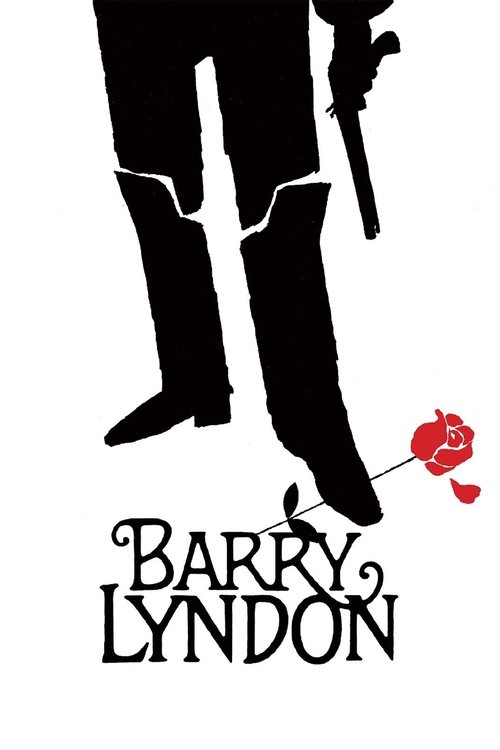
Barry Lyndon1975
Kubrick filmed with candlelit 18th-century paintings as his template, following an amoral rake through a corrupt world. Stunning and glacial, a meditation on beauty as a kind of cruelty.
But It's remote and slow, with a protagonist you're never meant to like. Some viewers find it more accomplished than engaging.
Not sure tonight? Get a pick in a minute, starting from Death in Venice
The wildcard
Something you would not have found on your own.
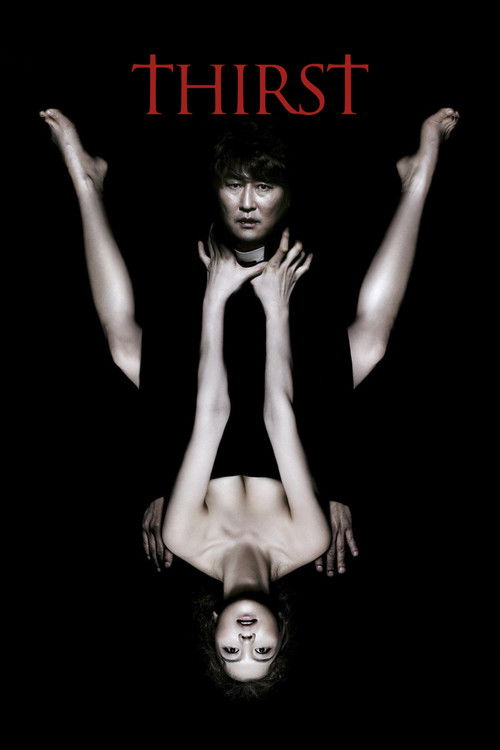
Thirst2009
Both films marry visual rapture with the horror of desire becoming self-destructive. An older man, a younger body, beauty as a trap—but here weaponised into actual monstrosity.
Park Chan-wook's vampire film where immortality becomes a curse of moral paralysis and desire. Gothic, gorgeous, and theologically intricate—a meditation on what happens when you live forever with your obsessions.
But It's violent and sexually explicit in ways that serve the story but won't suit all viewers. The runtime sprawls.
More like this (6)
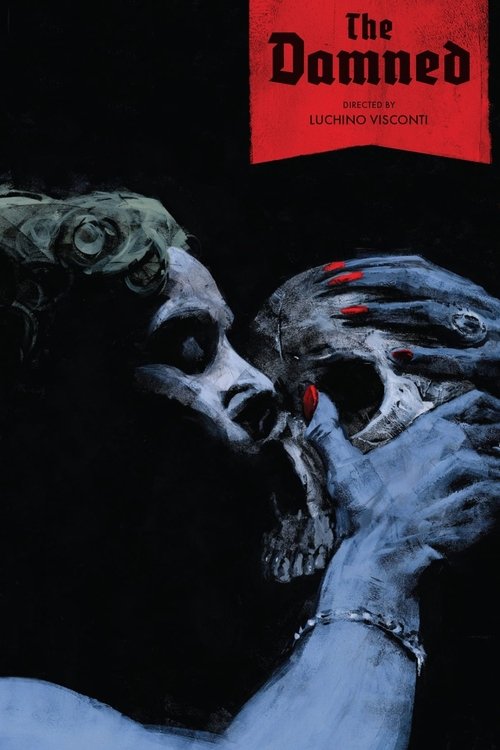
The Damned1969
Visconti again, charting the moral collapse of a German industrial family during the rise of Nazism. Baroque, operatic, obscene and impossible to look away from.
But It's punishingly bleak and the sexual degeneracy on screen will shock some viewers. Not a comfortable evening.
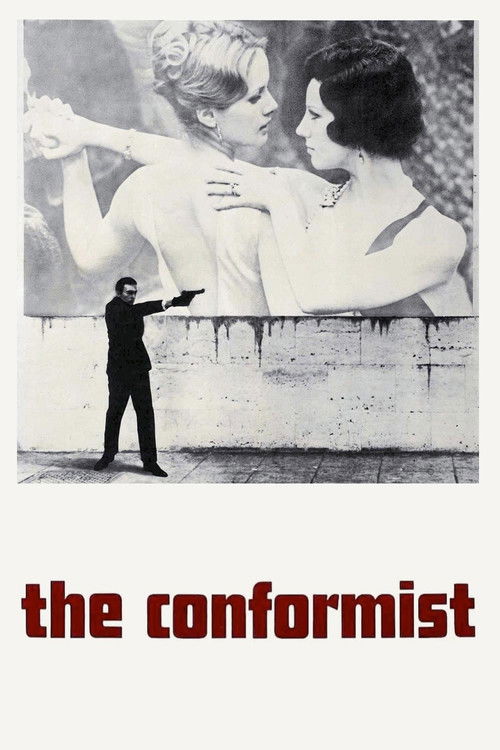
The Conformist1971
Bertolucci's Fascist-era thriller is visually baroque and morally labyrinthine, following a man's complicity in violence. Formally dazzling and genuinely unsettling.
But The narrative is complex and the protagonist's motivations stay murky. It rewards attention but doesn't make it easy.
Under the Skin2014
Jonathan Glazel's alien-in-human-form prowls Glasgow collecting prey. Abstract, hypnotic, uncomfortable—sensuality weaponised and the human body rendered strange.
But There's almost no dialogue and minimal plot. It's pure mood and texture; narrative conventional viewers may feel stranded.

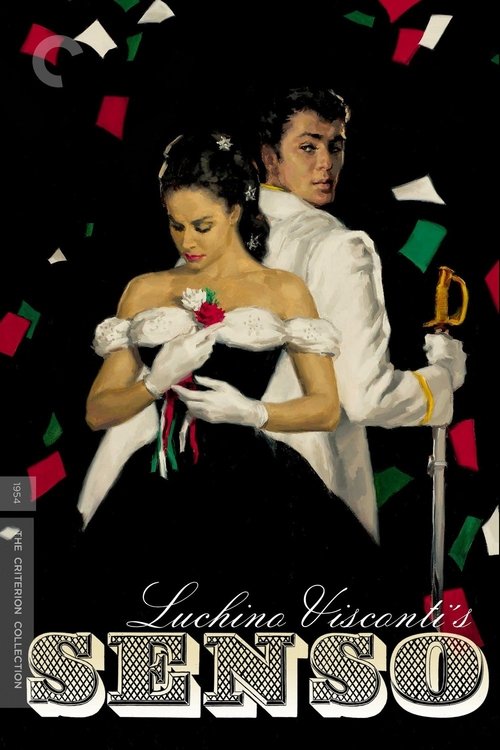
Senso1954
Visconti's earlier colour melodrama of an Italian countess undone by passion for an Austrian officer during the Risorgimento. Operatic betrayal, ravishing cinematography, moral quicksand.
But The plot hinges on choices that read as irrational. Period detail is gorgeous but dense, and the ending divides viewers.
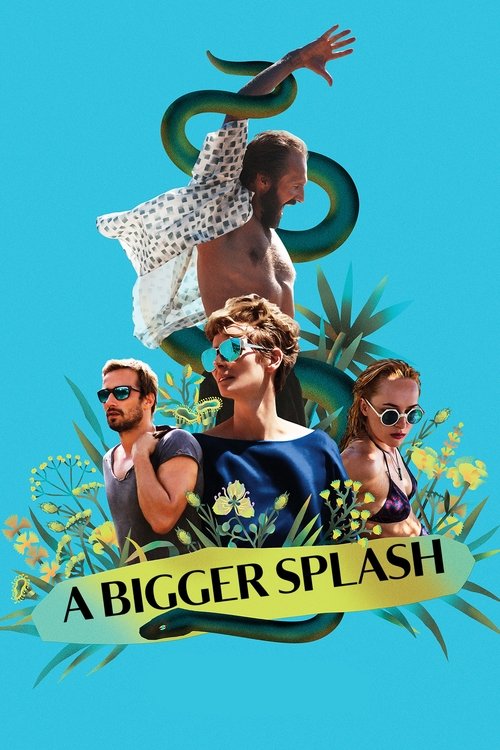
A Bigger Splash2015
Luca Guadagnino's desert portrait of desire and class friction, where beauty and threat intertwine. Saturated colours, tense silences, a film about what's unspoken.
But Very little plot. The characters are mostly unlikeable and nothing resolves. It's an exercise in mood rather than story.
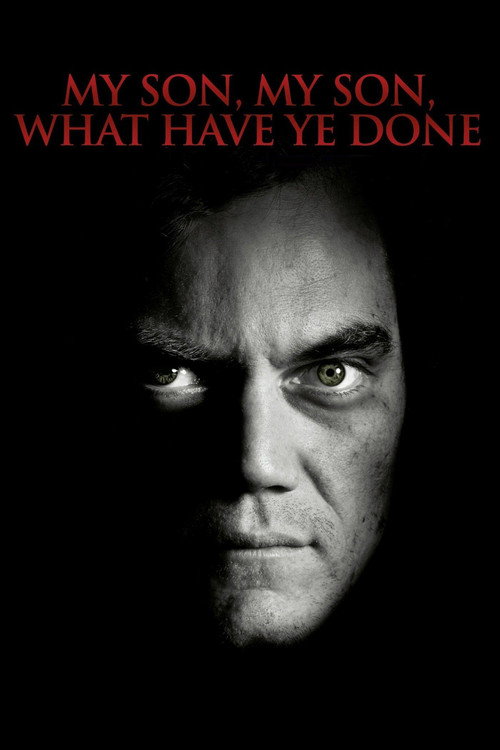
My Son, My Son, What Have Ye Done2010
Both obsess over the image of youth and beauty as something pure, but Herzog's camera refuses Visconti's gorgeous mercy—showing instead the mundane horror underneath the spell.
Werner Herzog's true-crime miniseries about a young man who murders his mother, told in Herzog's dispassionate, hallucinatory style. The beauty of an ideal and its destruction when it collides with reality.
But It's fractured and strange, more psychological portrait than crime drama. The tonal shifts disorient deliberately, and some viewers find that frustrating.
People
Cast
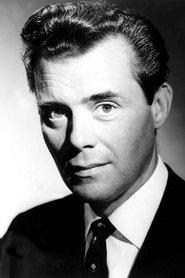 Dirk BogardeGustav von Aschenbach
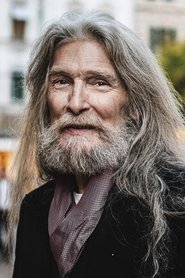 Björn AndrésenTadzio
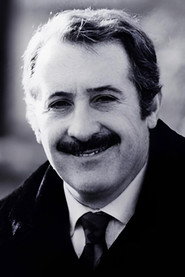 Romolo ValliHotel Manager
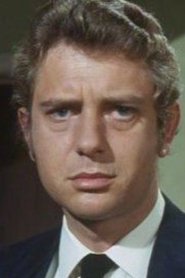 Mark BurnsAlfred
 Nora RicciTadzio's Governess
 Silvana ManganoTadzio's Mother
 Marisa BerensonAschenbach's Wife
 Carole AndréEsmeralda, Brothel Prostitute
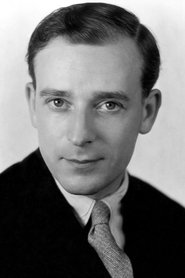 Leslie FrenchTravel Agent
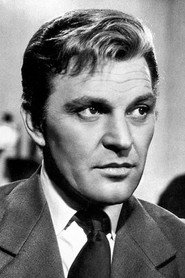 Franco FabriziBarber
- Antonio ApicellaVagrant
- Sergio GarfagnoliJaschu, Polish Youth
Directing
- Luchino ViscontiDirector
- Albino CoccoFirst Assistant Director
- Rometta PietrostefaniScript Supervisor
- Paolo PietrangeliSecond Assistant Director
Writing
- Roger WebbLyricist
- Thomas MannNovel
- Luchino ViscontiScreenplay
- Nicola BadaluccoScreenplay
Production
- Paolo RampazzoAdministration
- Alfredo Di SantoAssistant Production Manager
- Annie RozierAssistant Production Manager
- Bruno SassaroliAssistant Production Manager
- Dino Di DionisioAssistant Production Manager
- Umberto SambucoAssistant Production Manager
- Mario GalloExecutive Producer
- Robert Gordon EdwardsExecutive Producer
- Luchino ViscontiProducer
- Anna DaviniProduction Manager
- Egidio QuarantottoProduction Supervisor
Recommended by
The Conformist, The Leopard, Call Me by Your Name, White Mischief, Terminus, The Go-Between, Tea and Sympathy, Pandora and the Flying Dutchman, Flames of Passion, Five Days One Summer, The Music Lovers, The Immortal Story, Conversation Piece, Aida, Nijinsky, The Sailor Who Fell from Grace with the Sea, Mayerling, Billy Budd, Gabriela