
Film
Mayerling
Other titles called Mayerling: the 1968 film.
A 1936 French romance built on historical tragedy: the doomed affair between Austria-Hungary's Crown Prince Rudolf and the young Marie Vetsera. Visually sumptuous and emotionally restrained in the European manner, it's a film that prioritizes mood and painterly composition over plot mechanics. For those drawn to period drama with genuine melancholy.
If you liked this
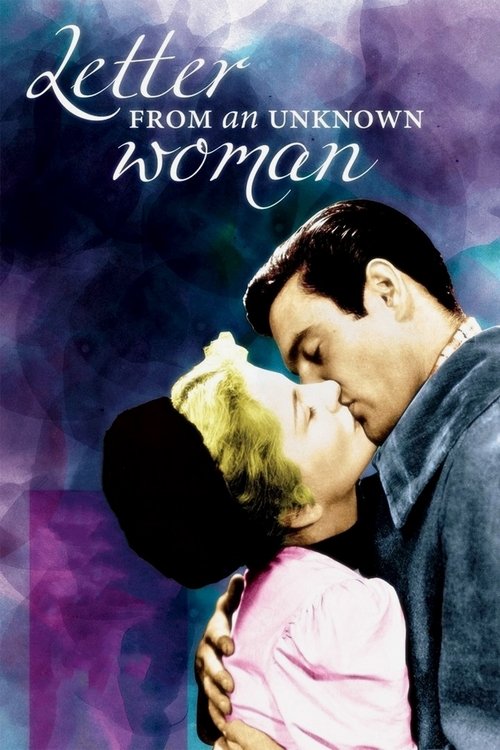
Letter from an Unknown Woman1948
Max Ophüls crafts an almost unbearably tender portrait of obsessive love across time, with Joan Fontaine luminous and Stefan Zweig's story cutting deep. A masterpiece of romantic cinema that trusts silence and implication.
But The pacing is deliberate to the point of dreamlike; if you need momentum and plot, this will feel like watching paint dry very slowly.
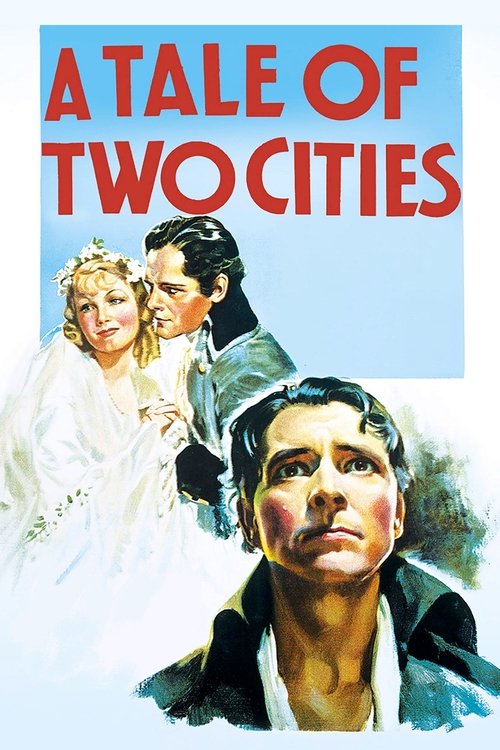
A Tale of Two Cities1935
Ronald Colman brings quiet, aching nobility to sacrifice and thwarted love during the Terror. Perfectly acted 1930s melodrama with real stakes, and that era's gift for making suffering look inevitable and beautiful.
But The production design is studio-bound and theatrical; the French Revolution feels like a backdrop to the emotional machinery.
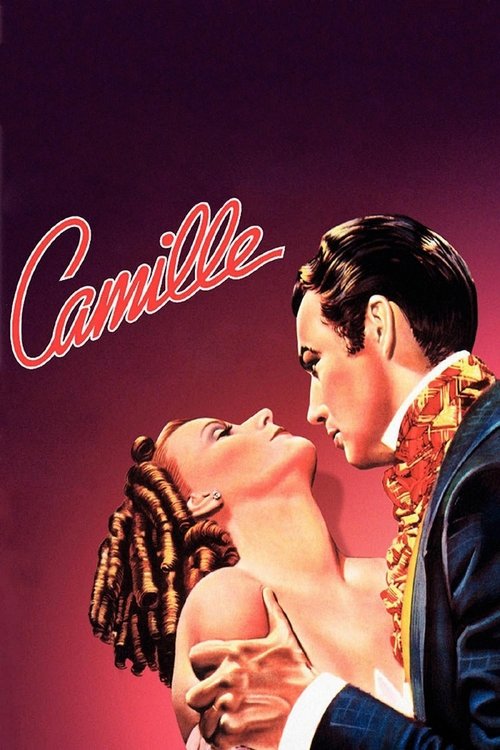
Camille1936
Greta Garbo as a doomed courtesan in love with a man she cannot keep. Released the same year as Mayerling, it's got that same luxe fatalism and a lead performance of heartbreaking intelligence and control.
But The tuberculosis-as-plot-device feels silly now, and the pacing meanders before the emotional resolution.
Not sure tonight? Get a pick in a minute, starting from Mayerling
The wildcard
Something you would not have found on your own.
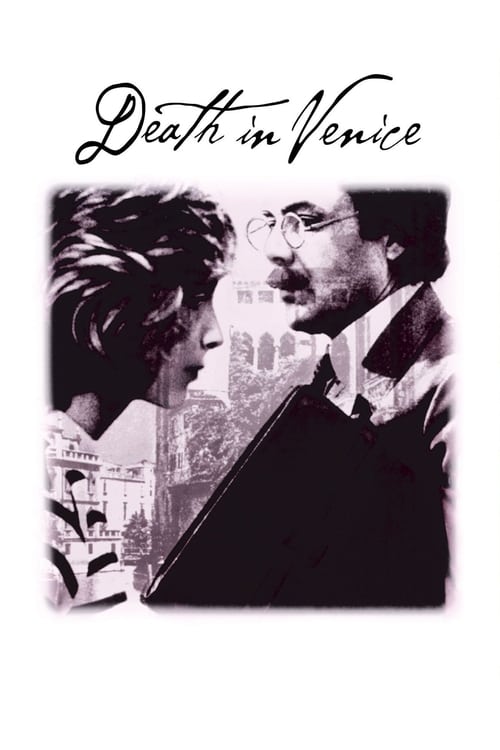
Death in Venice1971
Both follow the architecture of doomed love as a disease of the spirit; both filmmakers treat landscape and decay as characters. The same director would make Mayerling's emotional DNA visible through the lens of another century.
Luchino Visconti's adaptation of Thomas Mann captures the same atmosphere as Mayerling—desire as a kind of fatal sickness, set against dying beauty. Tadzio replaces Marie Vetsera, but the structure of obsession and destruction is identical. Visconti photographs decay like it's the only honest subject.
But It's slow, painterly to the point of stasis, and the homosexual desire at its center will feel like a genre shift. Some viewers find it remote and cold rather than moving.
More like this (8)
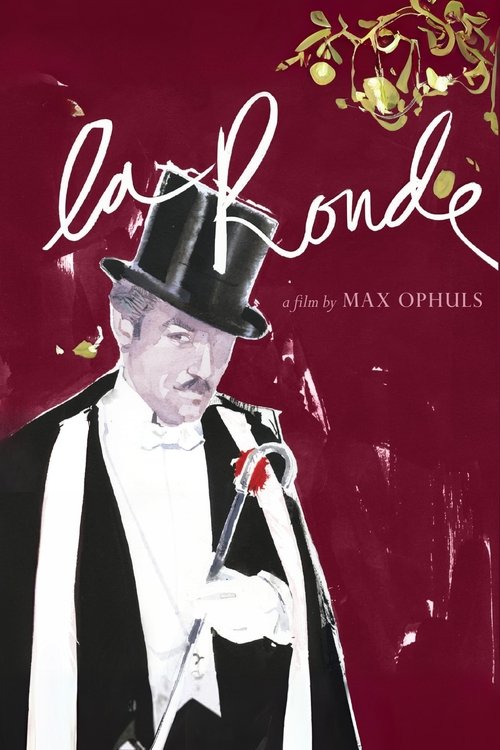
La Ronde1950
Ophüls again, this time examining Austro-Hungarian desire and hypocrisy through ten interconnected affairs. Witty, visually intoxicating, and genuinely interested in how love gets crushed by society and its own contradictions.
But The cynicism is total; there's no redemption here, just a circle of want and disappointment you watch repeat.
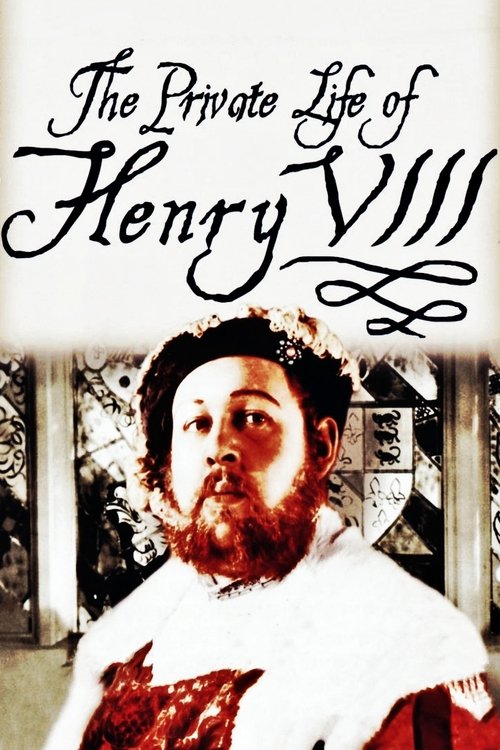
The Private Life of Henry VIII1933
Charles Laughton steals the film as a vain, petulant, oddly sympathetic monarch. Court intrigue, marriage as political tool, desire thwarted by duty—it understands what Mayerling is about, just with more dark comedy.
But It's far campier and lighter than Mayerling; the tones sit very differently despite the shared DNA.
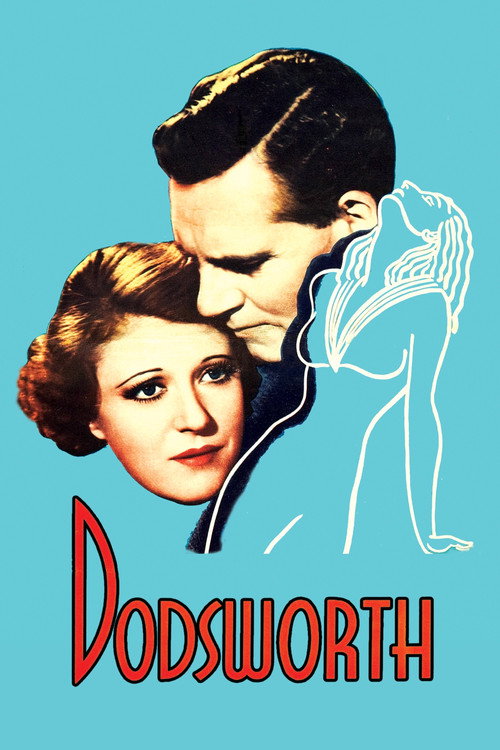
Dodsworth1936
William Wyler's elegantly observed portrait of a marriage cracking under age and desire. Walter Huston and Ruth Chatterton bring maturity and sadness to people discovering they want different things. Remarkably adult for its year.
But Slow, dialogue-heavy, and interested in the emotional texture rather than plot momentum. The ending may feel limp if you're expecting resolution.
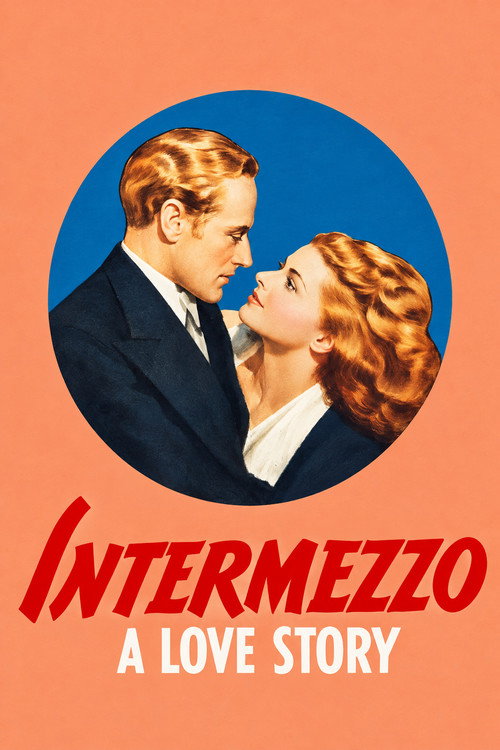
Intermezzo: A Love Story1939
Bergman and Leslie Howard in a forbidden love story set against the concert world. Tender, visually elegant, and interested in how love and duty genuinely do collide—not as drama, but as lived experience.
But The second half wraps things up rather quickly and neatly, which undercuts some of the earlier emotional honesty.
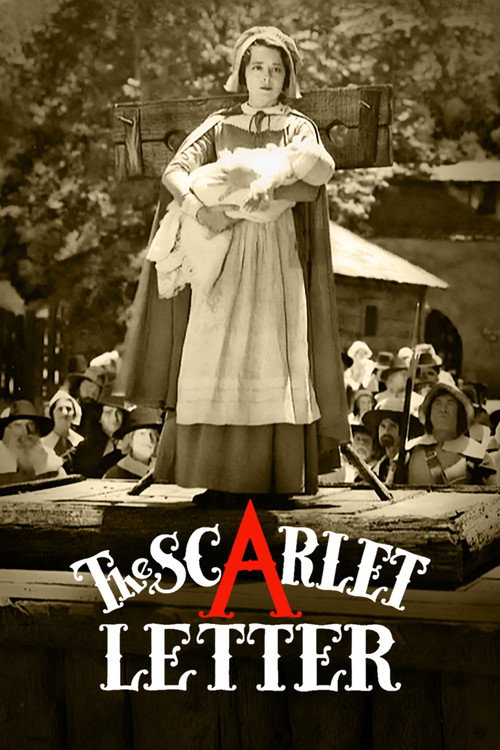
The Scarlet Letter1934
Lillian Gish as Hester Prynne, transformed from novel into a story about society's cruelty to women who love beyond permission. Unexpectedly radical for its era and genuinely moving about the cost of transgression.
But The adaptation takes liberties with Hawthorne; Puritanical aesthetics and the pace may feel overwrought.
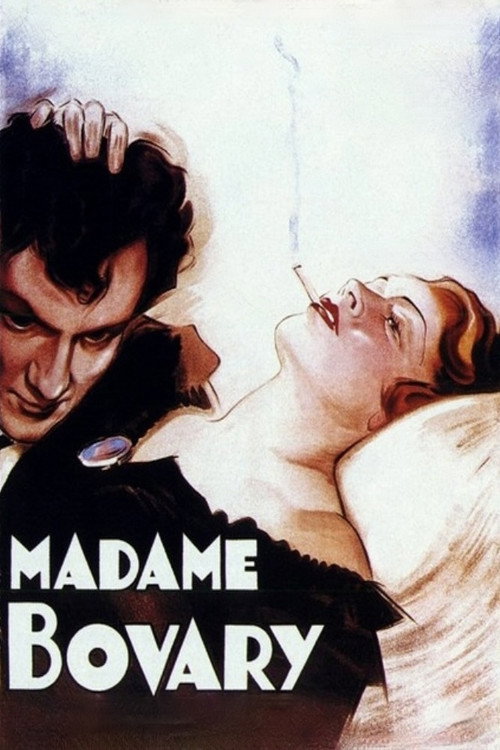
Madame Bovary1934
Valentine Tessier in a French adaptation of French literature about desire that destroys. It understands the romance genre's relationship to unhappiness in a way that feels modern even now.
But Very slow, very French 1930s cinema—it prioritizes emotional truth over narrative clarity, which will bore some viewers completely.
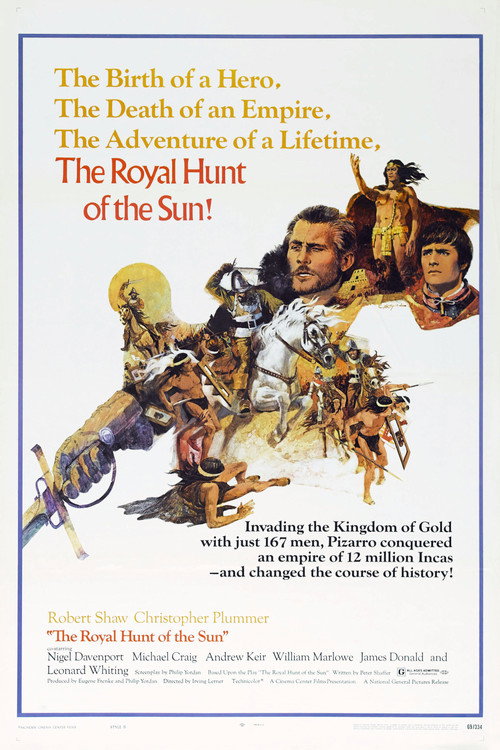
The Royal Hunt of the Sun1969
Both center on a charismatic figure (Rudolf, Pizarro) whose desire for another becomes the mechanism of their doom. Both are interested in how power and love corrupt each other in enclosed hierarchies.
Peter Shaffer's play filmed by Irving Lerner becomes a story about obsession across power divides. Christopher Plummer and Robert Shaw enact a fatal attraction between conqueror and conquered—the same impossibility at Mayerling's heart, but in Spanish gold and Inca temples instead of Imperial salons.
But The production design is theatrical and occasionally clunky; the play's verbal density doesn't always film well. Some will find it overwrought and dated.
The Phantom Carriage1921
Both treat romantic doom as predestined and inescapable, almost supernatural in their certainty. Both use visual composition to suggest that lovers are trapped not by circumstance but by the nature of desire itself.
Arne Bergman's Swedish masterpiece about death, fate, and love's reach beyond the grave. Shot in that high-contrast expressionist silver, it feels closer to Mayerling than most sound films—same fatalism, same sense that certain loves are written into the fabric of the universe as catastrophe.
But It's silent, which means dialogue-heavy scenes become tableau; the pacing is deliberate to the point of feeling static. The production values are of its era. Requires patience.

People
Cast
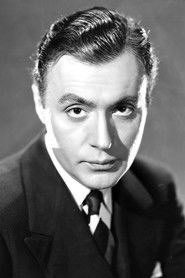 Charles BoyerArchduke Rudolf
 Danielle DarrieuxMarie Vetsera
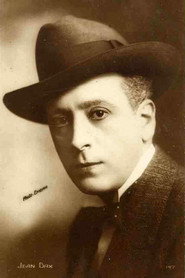 Jean DaxL'empereur François-Joseph
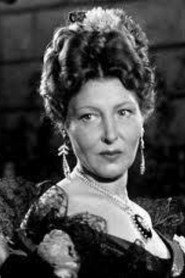 Yolande LaffonL'archiduchesse Stéphanie
 Suzy PrimLa Comtesse Larisch
- Gina ManèsMarinka
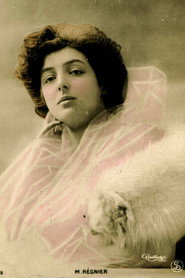 Marthe RégnierLa Baronne Vetsera
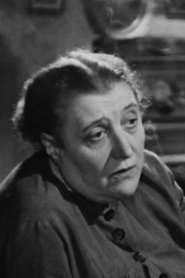 Odette TalazacMarie's Nanny
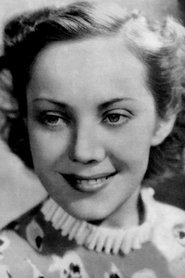 Nane GermonAnna Vetsera
 Assia GranatouroffMarie's Cousin
- Christiane RibesGirl
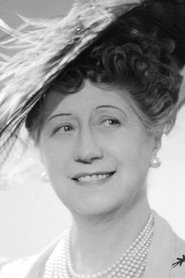 Gabrielle DorziatEmpress Élisabeth
Directing
- René MontisAssistant Director
- Anatole LitvakDirector
Writing
- Irma von CubeAdaptation
- Joseph KesselDialogue
- Serge VeberLyricist
- Claude AnetNovel
- Marcel AchardScreenplay
Production
- Seymour NebenzalProducer
- Wilhelm LöwenbergProduction Manager
- Grégoire MetchikianProduction Supervisor
- Ralph BaumProduction Supervisor