
Film
Three Waltzes
A French musical romance that follows a love story across three generations and three eras, each set to Viennese waltzes. It's a bittersweet carousel of elegant ballrooms, missed connections, and second chances, built on charm and melancholy rather than plot momentum. Perfect if you're drawn to the languorous glamour of 1930s European cinema and don't mind narratives that drift like music.
If you liked this
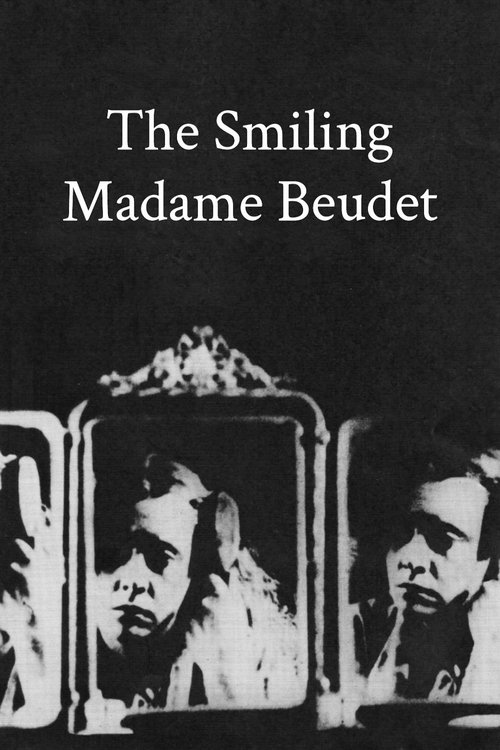
The Smiling Madame Beudet1923
A pioneering French silent film about marriage, daydreaming, and the small revolutions of an unsatisfied woman. Shares Three Waltzes' interest in capturing interior emotional lives through visual poetry rather than dramatic incident.
But Extremely slow by any standard, with almost no plot. The emotional payoff is subtle and won't satisfy if you want clear narrative momentum or resolution.
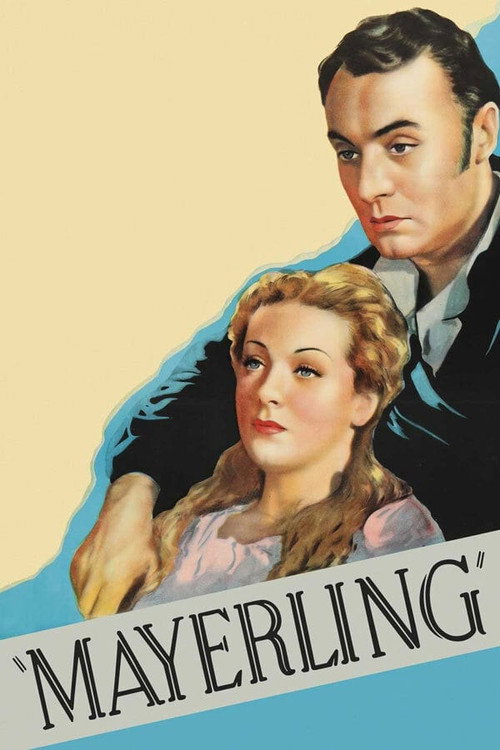
Mayerling1936
Charles Boyer and Danielle Darrieux in a tragic Habsburg romance that captures the same doomed elegance and fatalism. Another 1930s European film about passion thwarted by circumstance and class.
But Genuinely dark, with a terrible historical ending that won't leave you uplifted. Much heavier than Three Waltzes' romantic whimsy.
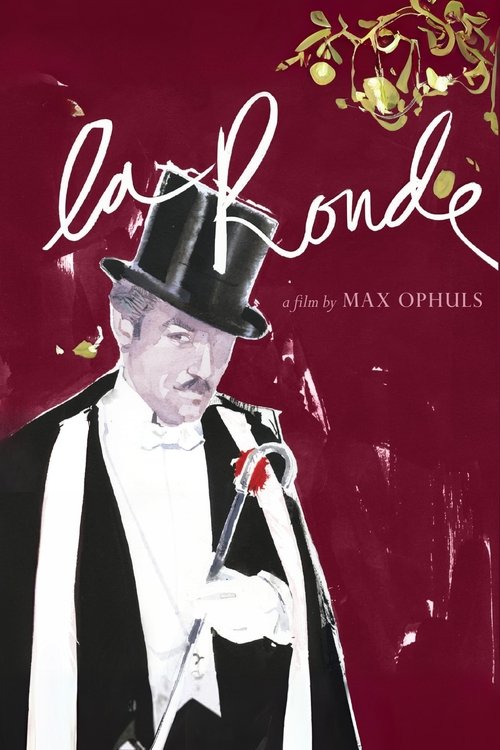
La Ronde1950
Max Ophüls' masterpiece uses a similar structure—multiple eras and encounters linked by theme and waltz-like circularity. A French meditation on desire, chance, and how love stories repeat across generations.
But More cynical and sexually frank than Three Waltzes, and requires patience with its self-conscious narrative device. Not a straightforward romance.
Not sure tonight? Get a pick in a minute, starting from Three Waltzes
The wildcard
Something you would not have found on your own.
Letter from an Unknown Woman1948
Both trace a love story across generational and temporal distance, using parallel encounters to explore fate, class, and whether chance can be conquered by persistence.
A Max Ophüls film narrated by a woman writing to a man about a lifelong, unrequited love across decades. It's Three Waltzes' spiritual sibling—same structure of love repeating across time, same bittersweet fatalism, told with devastating emotional intelligence.
But A tragedy wearing evening clothes. The woman's sacrifice is total and you cannot unsee it. Not a comfort film.

More like this (7)
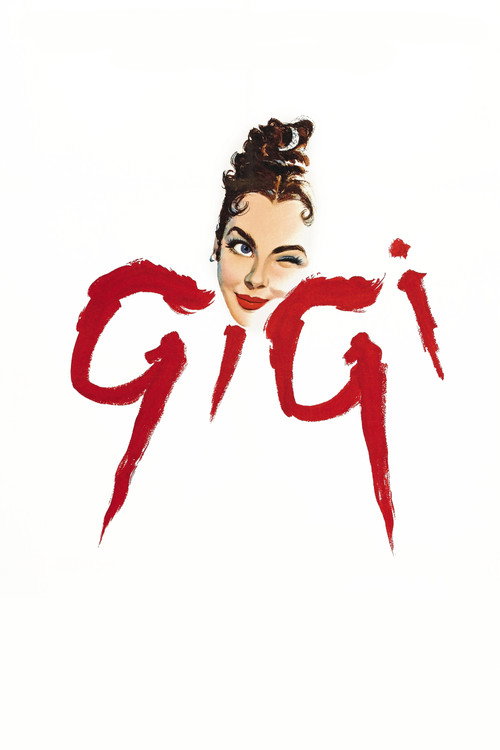
Gigi1958
A Vincente Minnelli musical with the same Parisian glamour, elegant production design, and a heroine trained for a specific romantic role. Light, gorgeous, and genuinely charming.
But More conventional and sentimental than Three Waltzes; younger, brasher energy. If you want something more delicate, this might feel superficial.
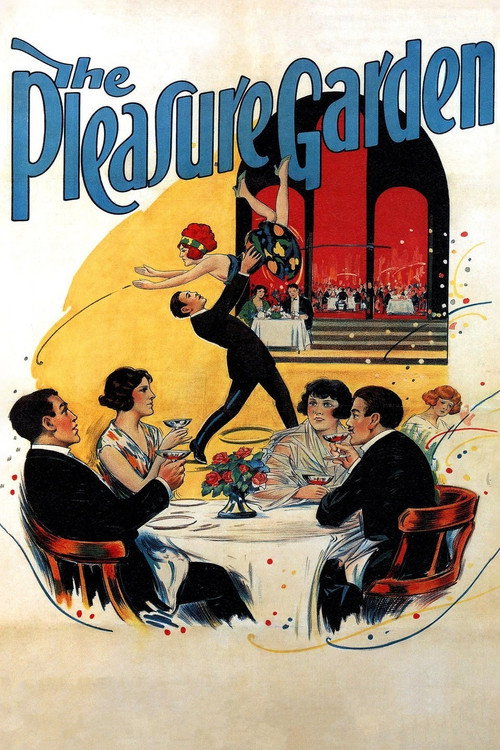
The Pleasure Garden1925
An early Hitchcock silent about two showgirls whose lives intertwine through theater and romance. Shares the milieu of stage glamour and the quiet tragedy beneath performance.
But A Hitchcock film, so darker and more sinister than Three Waltzes suggests. Also visually rougher; restoration quality varies.
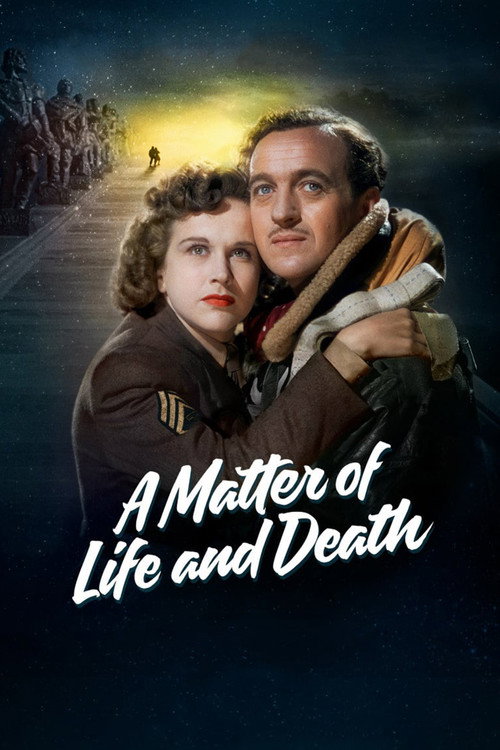
A Matter of Life and Death1946
Powell and Pressburger's romance that spans realities, with operatic emotion, beautiful production design, and a waltz-like logic where fate and chance dance together.
But Considerably longer and more ambitious. The magical-realism elements might feel overwrought if you prefer Three Waltzes' restraint.
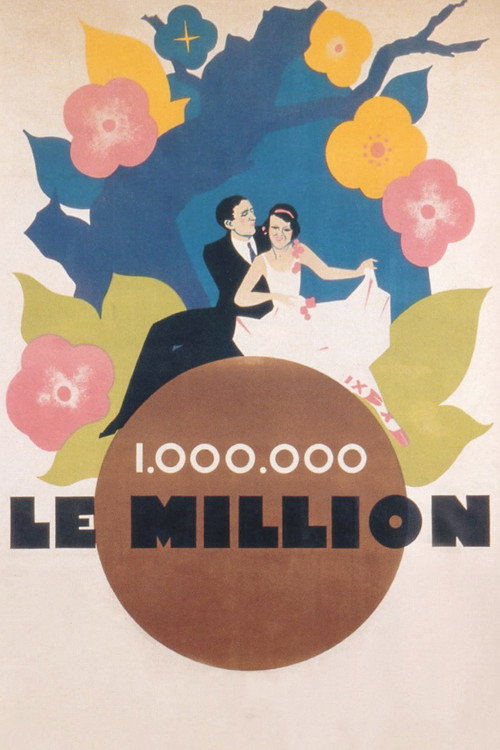
Le Million1931
René Clair's musical comedy about love, chance, and the pursuit of happiness. Lighter in tone than Three Waltzes but shares its faith in romance and its Parisian setting.
But A comedy first, romance second. If you want emotional depth and melancholy, this will feel frivolous.
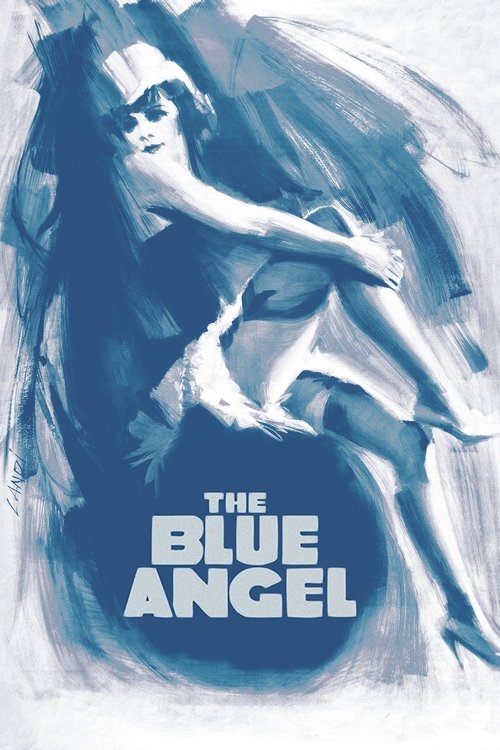
The Blue Angel1930
Marlene Dietrich and Emil Jannings in a German-language film about passion and performance. Explores similar themes of desire, social constraint, and theatrical worlds.
But Darker, more cynical, and sexually explicit (for 1930). The tragedy is unrelenting. Not a good pairing if you want escapist romance.
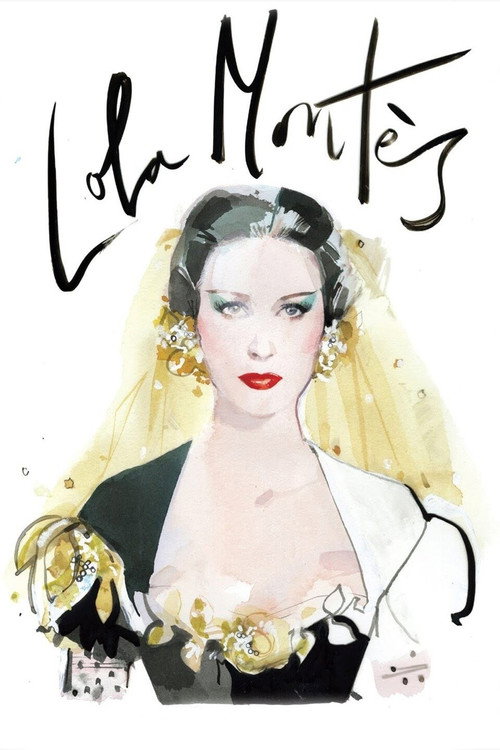
Lola Montès1955
Both use elegant European settings and repeated romantic encounters across time to ask whether women can ever escape the roles society writes for them. Both see love as something both redemptive and imprisoning.
Ophüls' final film, a circus-framed biography of a woman destroyed by love and performance. Uses the same waltz-like structure of circling back through time, with gorgeous color cinematography and a tragic heroine navigating European society.
But Fragmented and deliberately disorienting; not a straightforward narrative. Extremely melancholic. The color palette is sometimes muddy in available prints.
Singin' in the Rain1952
Both are built on the structure of dance and music as the truest language of love. But where Three Waltzes sees dancing as something that circles back sadly to the beginning, this one believes dance is the way out and up.
A Hollywood musical that's the inverse: instead of elegance and melancholy, it's joyful, kinetic, and utterly committed to the idea that love and dance can transcend everything. Gene Kelly, Donald O'Connor, and pure delight.
But Tonal whiplash if you're expecting Three Waltzes' mood. American, post-war optimism versus European pre-war resignation. A completely different register.

People
Cast
 Yvonne PrintempsFanny, Yvette & Irène Grandpré
 Pierre FresnayOctave, Philippe & Gérard de Chalencey
 Henri GuisolBrunner Jr.
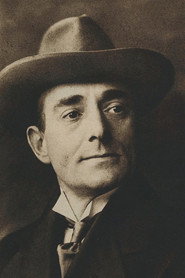 Jean PérierPresident Lebrun
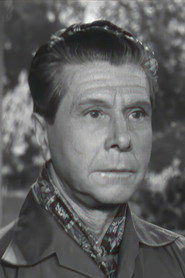 Pierre StéphenJournalist
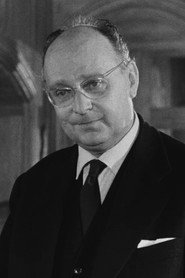 Robert VattierDirector
- Jeanne HelblingEmpress Eugénie
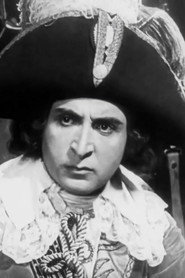 Max MaxudianNapoléon III
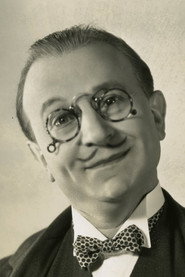 Georges CahuzacActor playing the Emperor
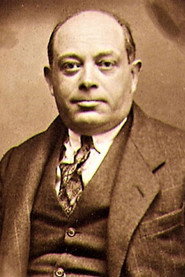 Adolf E. LichoProducer
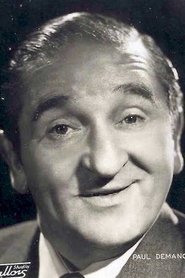 Paul DemangeStage manager
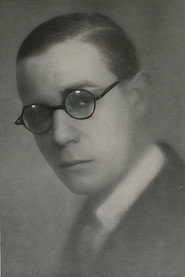 Guy SlouxAntoine
Directing
- Ludwig BergerDirector
Writing
- Hans MüllerDialogue
- Albert WillemetzStory
- Léopold MarchandStory