
Film
Le Million
- Comedy
- Light-hearted
- Relentless
René Clair's 1931 farce is one of the giddiest things the early sound era produced: a broke painter, his winning lottery ticket sewn into a jacket he no longer owns, and half of Paris in pursuit. Clair treats sound itself as a plaything — song, rhythm, overlapping dialogue — turning a simple chase into something closer to ballet. Light, fast, and unexpectedly inventive.
Should you watch it?
Watch it if you love slapstick chases choreographed like music, where a lot of physical comedy rides on rhythm, and a light, sung-along Parisian farce wins you over faster than any plot.
Skip it if you need your comedy sharp and talky, since much of the charm here is visual and musical, and the pacing of an early sound film can feel leisurely when you are waiting for the next gag to land.
What it asks of you: It runs a brisk eighty-three minutes and asks you to surrender to its rhythm, letting the songs and wild street movement carry you rather than following tight dialogue or heavy emotional stakes.
Not sure? Find tonight's pick in a minute.
If you liked this
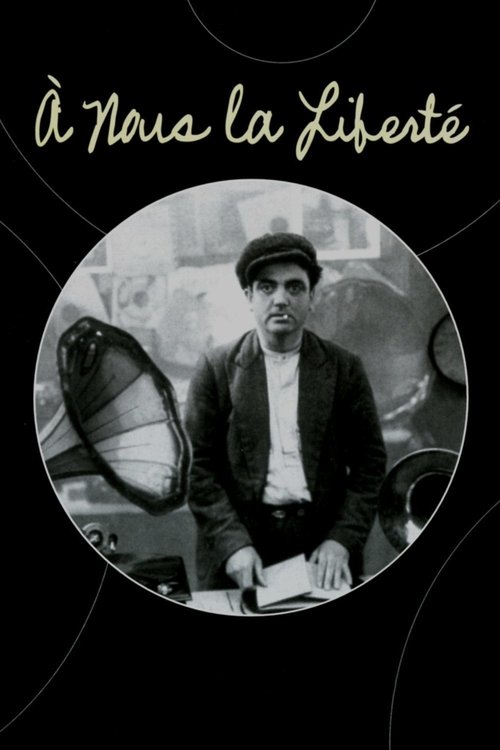
À Nous la Liberté1931
Clair's own follow-up, made the same year, with the same buoyant rhythm and satirical bite, this time aimed at factory life instead of lottery luck. Same director, same gleeful sense of cinema as machinery.
But Its satire of industrial labour is sharper and colder than Le Million's warmth — less farce, more pointed commentary.
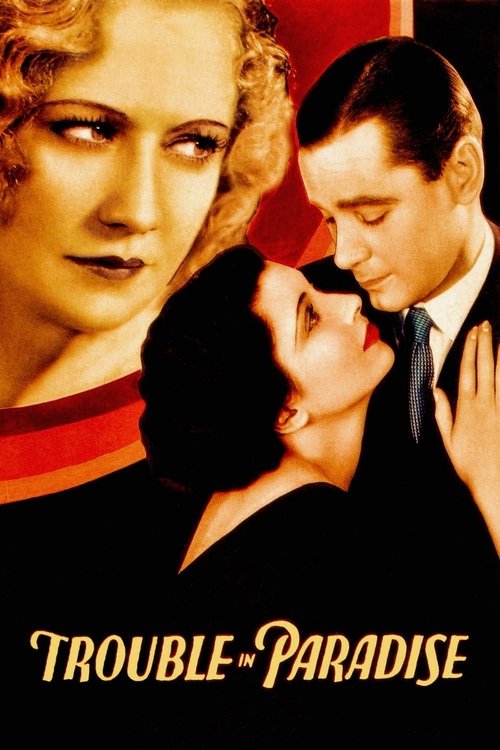
Trouble in Paradise1932
Lubitsch at his most elegant: a jewel-thief romance dressed in innuendo and impeccable timing. If you loved the sophistication under Le Million's chaos, this is the same wit with the volume turned down and the polish turned up.
But It's a seduction, not a chase — slower, quieter, more interested in glances than slapstick.
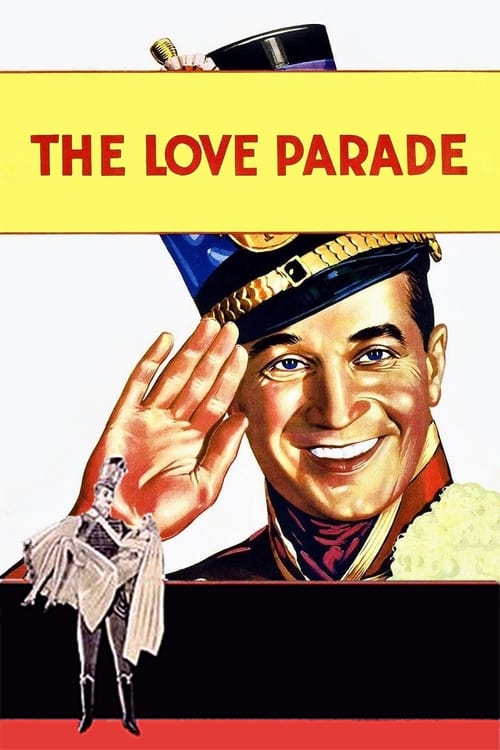
The Love Parade1929
An earlier Lubitsch musical that shares Le Million's delight in treating the new sound technology as a toy — songs slide in and out of dialogue with the same playful confidence.
But Rougher and staider than Le Million's whirlwind pacing; it's finding its feet where Clair's film is already sprinting.
Not sure tonight? Get a pick in a minute, starting from Le Million
The wildcard
Something you would not have found on your own.
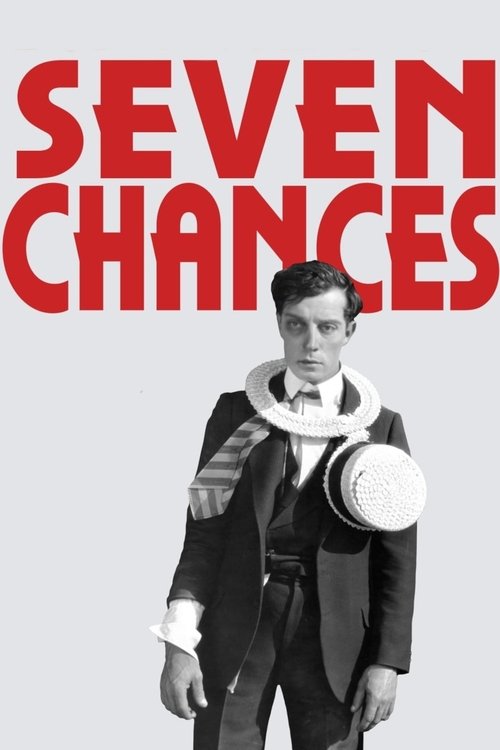
Seven Chances1925
Same structural spine — a race against time for money that spirals into a citywide chase — but seven years earlier and without a word of sound, proving Clair didn't invent the formula, he set it to music.
Buster Keaton, silent and six years earlier, runs the exact same engine as Le Million — a man who needs to secure a fortune by a deadline, chased across a city by escalating chaos — but does it entirely without sound.
But No dialogue, no music-as-dialogue trick that makes Le Million special — this is pure silent slapstick, sometimes at the expense of story.
More like this (7)
It Happened One Night1934
Frank Capra's screwball classic runs on the same fuel as Le Million — money, mistaken identity, two people thrown together by circumstance and bickered into love along the way.
But American and talkier by nature; the humour is verbal sparring rather than Clair's musical choreography.

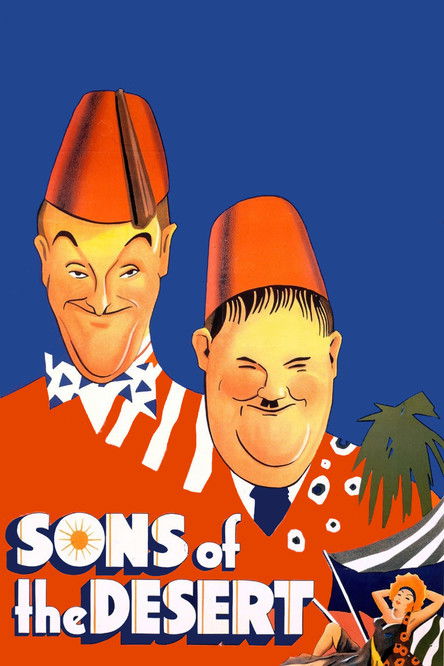
Sons of the Desert1933
Laurel and Hardy's best feature is pure farce mechanics — lies compounding into chaos — with the same joyous commitment to physical comedy that powers Le Million's jacket hunt.
But Broader and dumber by design; if you wanted Clair's wit and elegance, this trades it for pratfalls.
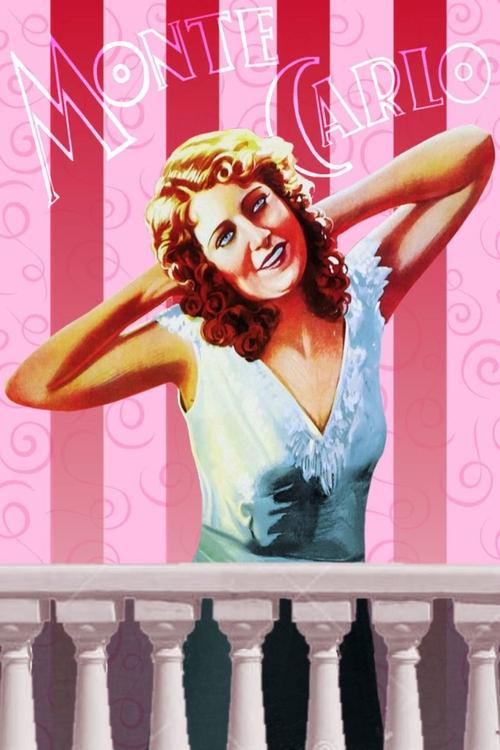
Monte Carlo1930
Another early-thirties operetta comedy, this one from Lubitsch, with a train, a countess, and songs that burst out of ordinary conversation exactly the way Le Million's characters slip into music.
But More conventionally romantic and less anarchic — no citywide chase, just charm and a train whistle.
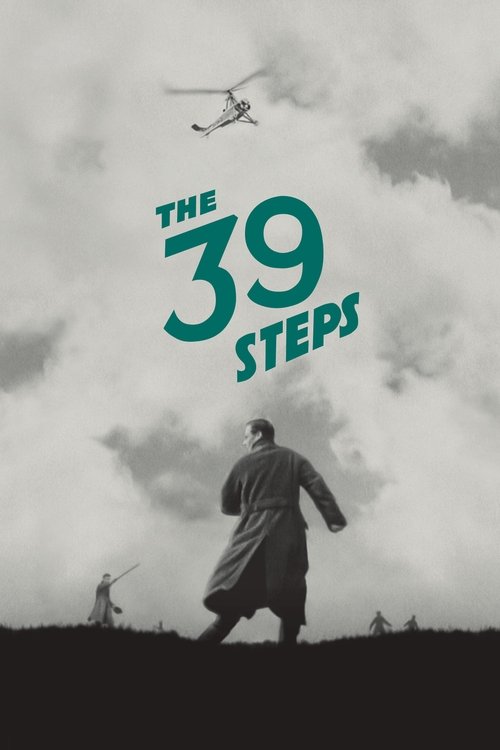
The 39 Steps1935
Hitchcock's breeziest thriller turns a wrongly-accused man's dash across Britain into something nearly as light on its feet as Clair's Paris chase, laced with the same dry comic asides.
But There's real menace under the humour here — spies and murder, not lost lottery tickets.
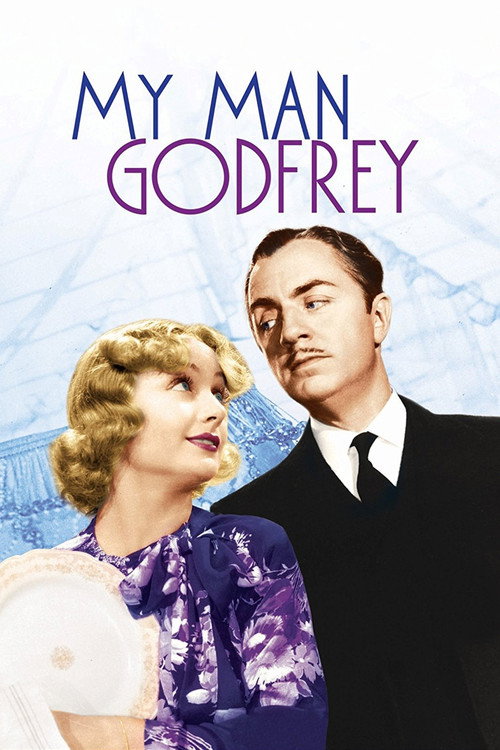
My Man Godfrey1936
A screwball comedy about class, money and mistaken identity, with the same manic ensemble energy and appetite for absurd coincidence that keeps Le Million's plot spinning.
But Dialogue-driven American screwball rather than Clair's musical, choreographed farce — a different comic rhythm entirely.
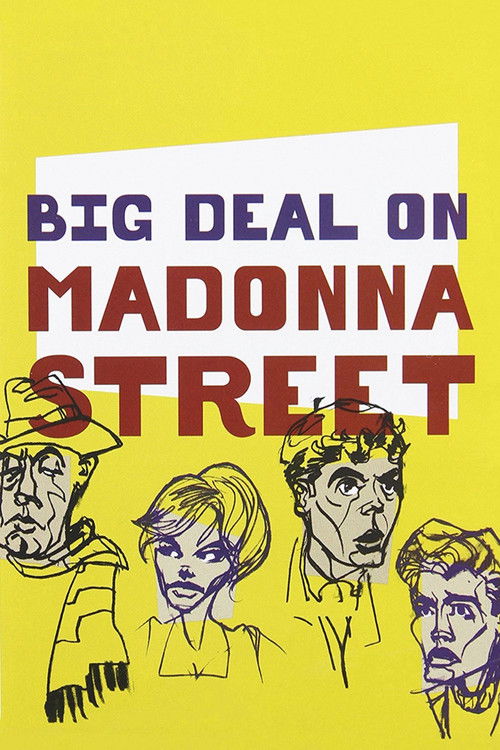
Big Deal on Madonna Street1958
Same comic engine — ordinary people chasing a windfall through a maze of blunders — reset as post-war Italian neorealist-tinged farce, trading Clair's romantic optimism for a more knowing shrug.
An Italian comic heist about a gang of inept crooks bumbling toward a fortune they'll never quite reach, with the same affectionate mockery of people undone by their own greed and clumsiness.
But Cynical where Le Million is sweet — its characters are small-time criminals, not lovers and dreamers, and the ending bites harder.
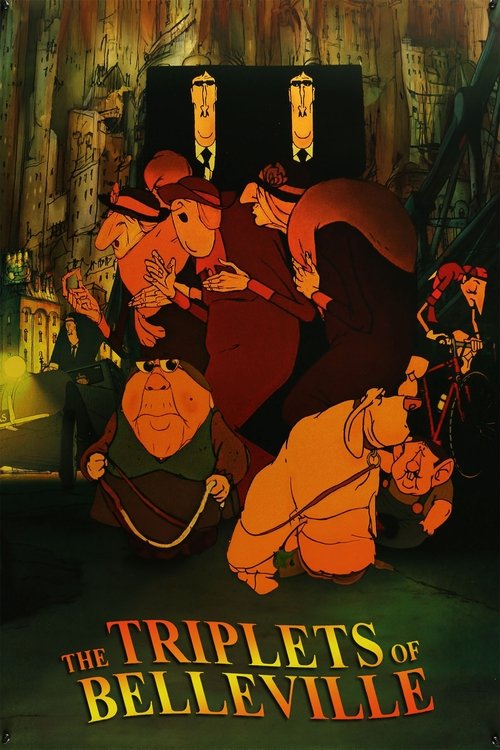
The Triplets of Belleville2003
Same DNA — French, musical, built on chase and physical gag rather than dialogue — but reborn in animation seventy years later, showing how Clair's sound-era experiment still echoes in a completely different medium.
A nearly wordless French animated chase film, drenched in music, rubbery physical comedy and the same delight in absurd coincidence and rhythm-as-storytelling that Clair pioneered decades earlier.
But Its grotesque, exaggerated art style and eerie tone are a world away from Le Million's warm, human-scaled charm.
People
Cast
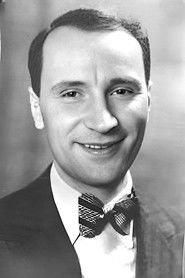 René LefèvreMichel Bouflette
 AnnabellaBéatrice
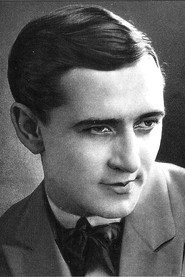 Jean-Louis AllibertProsper
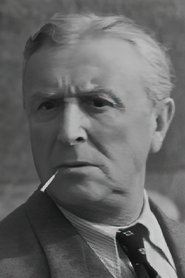 Paul OllivierPère La Tulipe
 Vanda GrévilleVanda
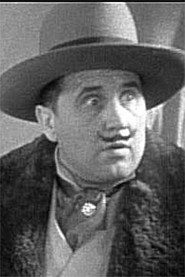 Constantin SiroescoAmbrosio Sopranelli
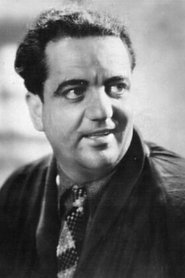 Raymond CordyLe chauffeur de taxi
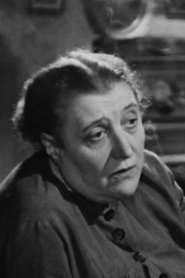 Odette TalazacLa cantatrice
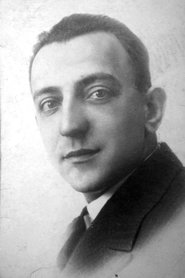 Pedro ElviroLe régisseur (as Pitouto)
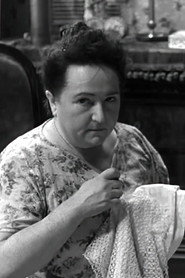 Jane PiersonL'épicière
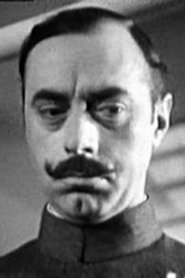 André MichaudLe boucher
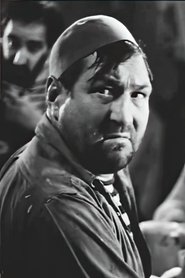 Eugène StuberLe policier
Directing
- Georges LacombeAssistant Director
- René ClairDirector
Writing
- Georges BerrTheatre Play
- Marcel GuillemaudTheatre Play
- René ClairWriter
Recommended by
Trouble in Paradise, The Palm Beach Story, The Young Girls of Rochefort, Easy Living, Three Waltzes