
Film
Seven Chances
- Comedy
- Romantic comedy
- Light-hearted
A broke stockbroker has until sunset on his birthday to marry a stranger and inherit $7 million. Buster Keaton's physical comedy masterpiece: fifty-six minutes of escalating chaos, mistaken identities, and a stone-faced man pursued by increasingly absurd obstacles. Pure silent cinema brilliance—inventive, wildly funny, and made when movies were still discovering what they could do.
Should you watch it?
Watch it if you love silent comedy built on escalating physical set pieces, where a single absurd premise is pushed relentlessly until the chaos becomes its own kind of poetry.
Skip it if you need dialogue or a slow-building emotional arc, since this is a breezy, visual comedy that moves quickly and leans on gags rather than character depth.
What it asks of you: It runs under an hour and asks you to watch closely, because much of the humor lives in background action and timing rather than in words on screen.
Not sure? Find tonight's pick in a minute.
If you liked this
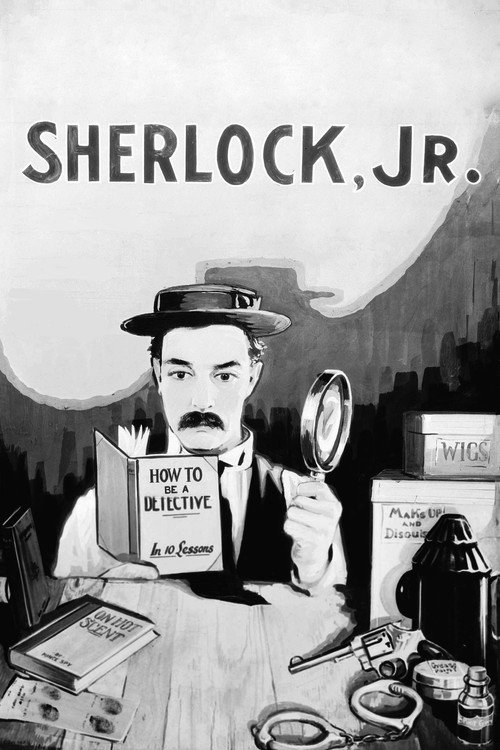
Sherlock Jr.1924
Keaton's other silent masterpiece, with a genuinely mind-bending premise: he literally steps into a movie. The stunts are more daring, the narrative concept more inventive, and it'll show you exactly why Keaton mattered.
But Also silent, also fifty minutes, also relies entirely on physical comedy. If Seven Chances didn't grab you, this won't convert you.
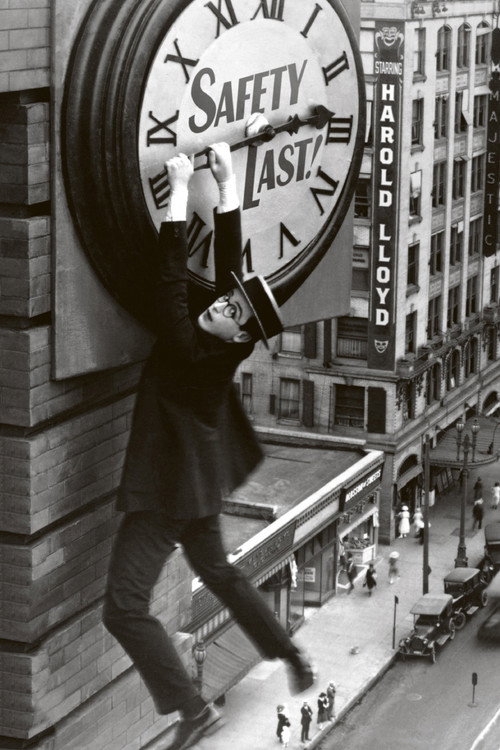
Safety Last!1923
Harold Lloyd climbing a skyscraper is cinema's most iconic image for a reason—genuine vertigo mixed with comedy. Lloyd's timing is impeccable and the stunts are genuinely terrifying. A generation-defining film.
But Lloyd's character is more sympathetic and earnest than Keaton's stone-faced hero. Some find his comedy less elegant, more slapstick-adjacent.
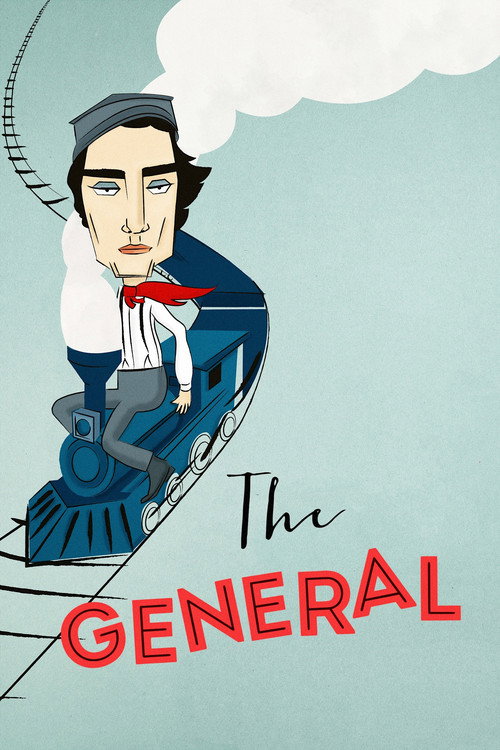
The General1926
Keaton's magnum opus: a Civil War comedy that's also genuinely moving, with train sequences that still take your breath away. Comedy, action, and heart working in perfect concert. Essential.
But It's seventy-nine minutes, so more sprawling than Seven Chances. Some find Keaton's deadpan distance emotionally cold, even when the film earns warmth.
Not sure tonight? Get a pick in a minute, starting from Seven Chances
The wildcard
Something you would not have found on your own.
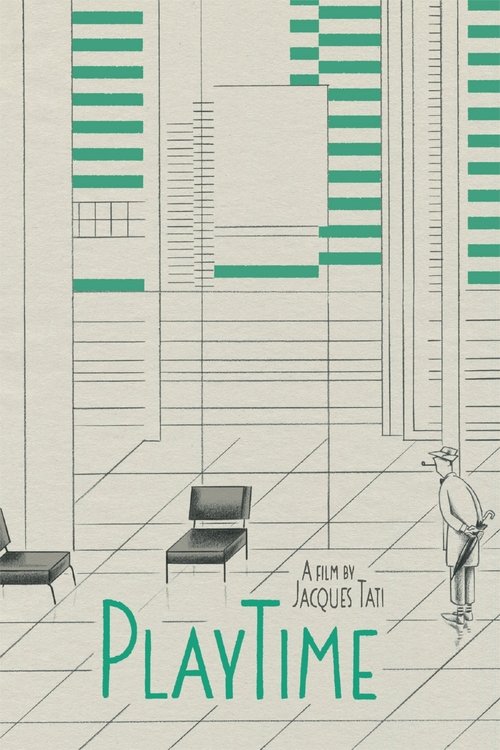
PlayTime1967
Both are comedies made entirely through visual storytelling, demanding nothing from dialogue. Both trust the viewer's eye completely and reward obsessive attention to background detail.
Jacques Tati's magnum opus: a feature-length silent comedy made in color, four decades after Seven Chances. A geometric nightmare of modern life filled with tiny perfect gags hidden in the background. You watch it over and over and find new jokes. Visionary.
But It's two hours of patient observation. Nothing obvious happens. If you need a clear plot or immediate laughs, it's bewilderingly slow.
More like this (8)
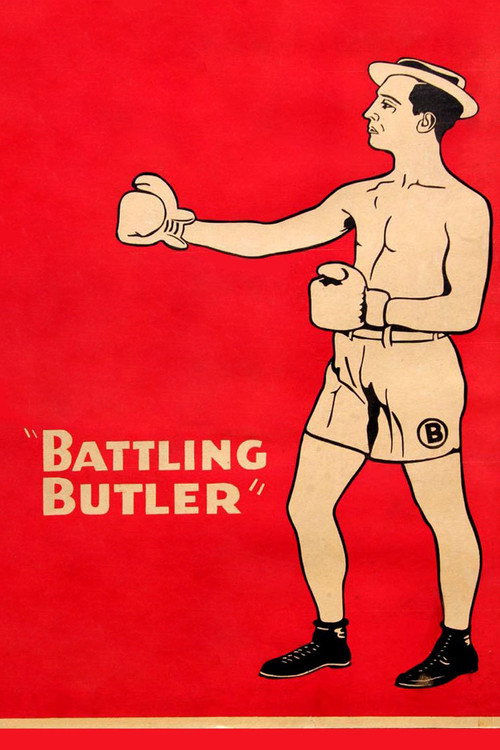
Battling Butler1926
Same Keaton energy but in a boxing ring—mistaken identity, physical comedy, and a genuinely sweet romantic subplot. It's slightly less famous than his masterpieces but just as assured and often overlooked.
But The boxing sequences feel slight compared to the train scenes in The General. Pacing dips in the middle act.
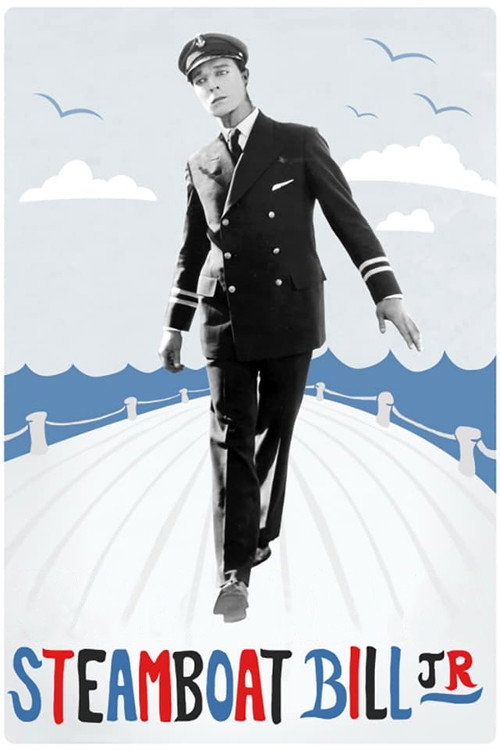
Steamboat Bill, Jr.1928
A flood sequence that's legitimately breathtaking, featuring a two-ton house facade falling around Keaton while he stands motionless. The spectacle is real, the comedy never stops, and the engineering is genius.
But The setup takes a while, and the early romance stuff moves slowly before the sequence we're all there for hits.
Pandora's Box1929
A masterpiece of another kind—Weimar Berlin, erotic danger, fatalism. Louise Brooks is unforgettable. It's the dark tragic flipside of what comedies like Seven Chances are playing with: desire and ruin.
But It's a tragedy, not a comedy. The tone is utterly serious. If you want more laughs, this will feel like a hard left turn.

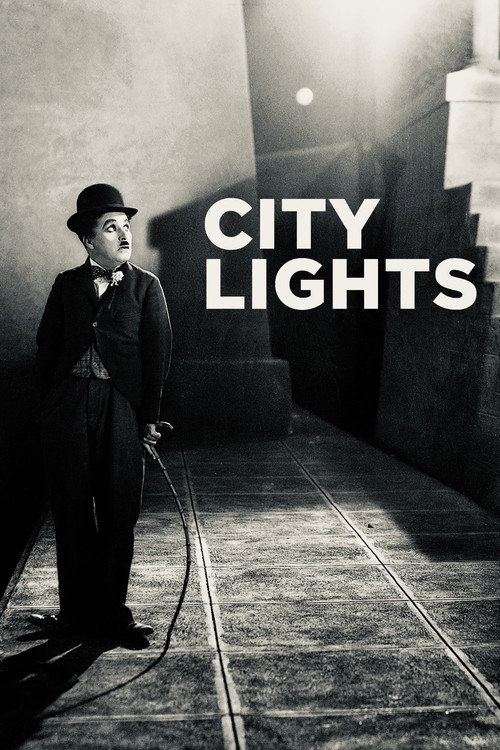
City Lights1931
Chaplin's silent masterpiece: funny, heartbreaking, and made years after talkies had arrived because he understood what silence could do. The ending is perfect and will stay with you.
But It's much longer and much slower. Chaplin's sentimental streak runs deep and some find it maudlin rather than moving.
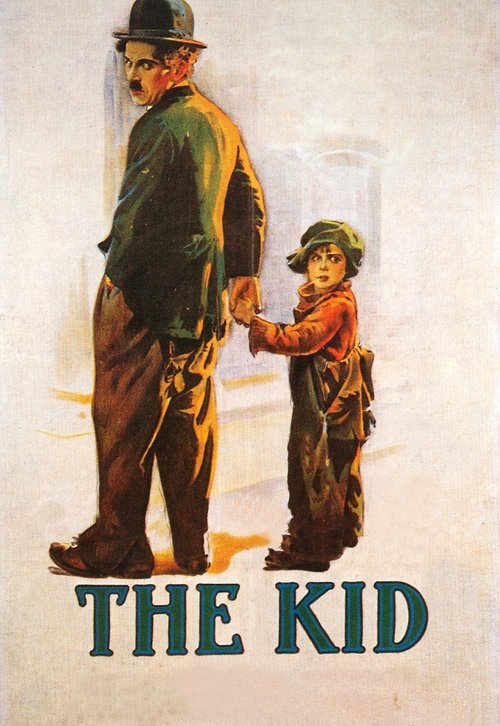
The Kid1921
Chaplin and a real child in the slums, blending comedy and genuine pathos. It's how you prove that silent comedy could contain everything—laugh and weep in the same scene.
But The emotional weight is heavy. Chaplin's Little Tramp character, while lovable, is easier to find insufferable than Keaton's blank stare.
The Phantom Carriage1921
A Swedish ghost story that's visually stunning and emotionally devastating. It uses the silent medium not for comedy but for atmosphere and dread. A sobering reminder that the 1920s made masterpieces in every register.
But It's bleak, slow, and demands patience. The supernatural premise takes time to build and won't satisfy anyone wanting more laughs.

Mulholland Drive2001
Both use a false premise and escalating absurdity to explore how desire blinds us. Both are about what we think we want versus what ruins us. Both are constructed as puzzles disguised as straightforward narratives.
David Lynch's Los Angeles nightmare disguised as noir—a woman's identity fractures across two hours. It's devastating, gorgeous, and you'll argue about what it means. Cinema as mystery rather than statement.
But It's cryptic and may not resolve satisfyingly. The second half upends everything. If you need clear answers, Lynch offers none.

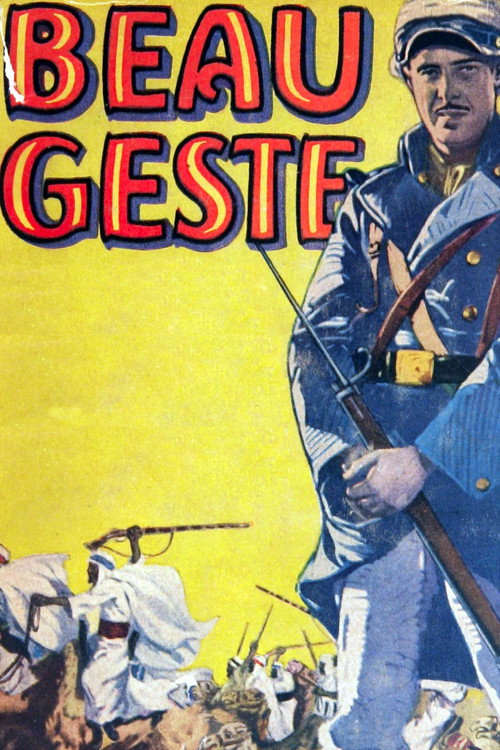
Beau Geste1926
Same era, same technical mastery, same mute performances, but the opposite emotional register—where Seven Chances asks 'what if everything goes wrong comedically?', Beau Geste asks 'what if everything goes wrong tragically?' Both are about men trapped by circumstance.
A melodramatic adventure film—desert, honor, sacrifice, spectacle—shot with style and real emotional stakes. It's thrilling and beautifully composed, and it shows what silent cinema could do when romance and danger were the point.
But It's entirely sincere with no comedy whatsoever. The plot is straightforward and predictable. If you're watching Keaton for laughs, this trades comedy for genuine adventure.
People
Cast
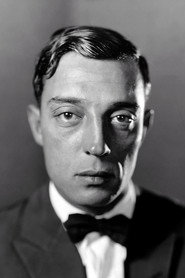 Buster KeatonJames 'Jimmie' Shannon
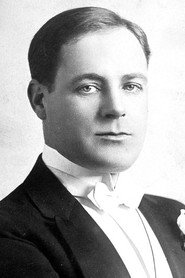 T. Roy BarnesBilly Meekin, His Partner
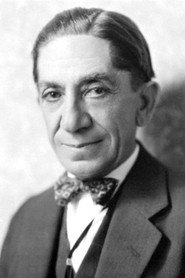 Snitz EdwardsHis Lawyer
 Ruth DwyerMary Jones, His Girl
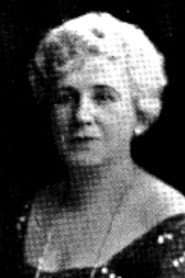 Frances RaymondMrs. Jones, Her Mother
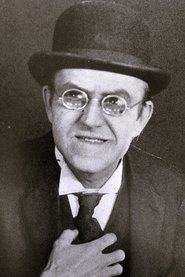 Erwin ConnellyThe Clergyman
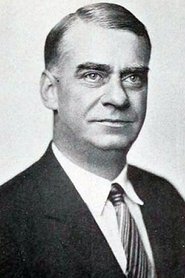 Jules CowlesThe Hired Hand
 Eugenia GilbertFirst Chance: Girl Who Laughs at Jimmie at the Club
 Doris DeaneSecond Chance: Girl Who Laughs at Jimmie at the Golf Course
 Judy KingThird Chance: Girl Who Shreds 'Will You Marry Me' Note
- Hazel DeaneFourth Chance: Girl Who Refuses on a False Assumption
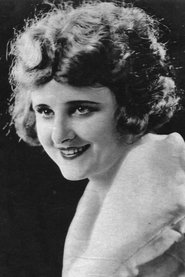 Bartine BurkettFifth Chance: Girl Proposed to Going Up the Staircase
Directing
- Buster KeatonDirector
Writing
- Roi Cooper MegrueAdaptation
- David BelascoAuthor
- Clyde BruckmanScreenplay
- Jean C. HavezScreenplay
- Joseph A. MitchellScreenplay
Production
- Buster KeatonProducer
- Joseph M. SchenckProducer
Recommended by
The General, The Gold Rush, Seven Brides for Seven Brothers, Le Million, Mulheres Apaixonadas, The Play House, The Balloonatic