
Film
The Balloonatic
A 22-minute silent comedy where Buster Keaton's deadpan stoicism meets courtship chaos. He crashes into the wilderness via hot air balloon, encounters a woman equally determined to survive, and they barrel through nature with escalating absurdity. Pure physical comedy—no dialogue, all timing and pratfalls. For anyone who loves slapstick done with geometric precision.
If you liked this
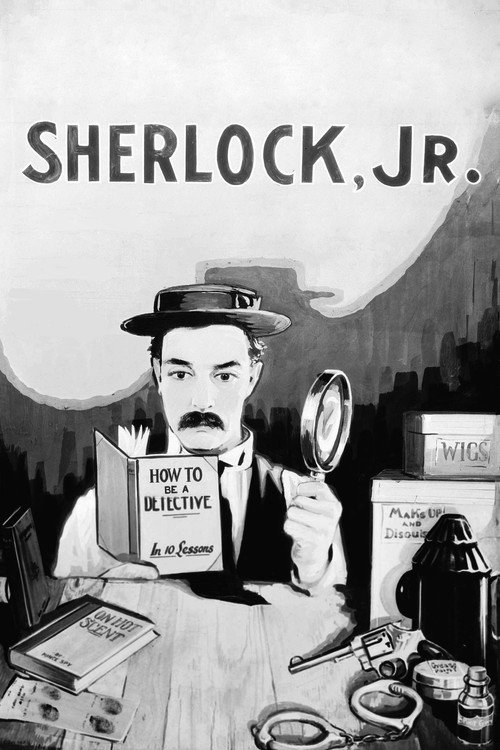
Sherlock Jr.1924
Keaton at absolute peak form, collapsing the boundary between dream and reality with jaw-dropping stunt work and visual gags that still astound. The Keystone Cops of comedy, but refined and lonely.
But At 45 minutes it demands patience with silent film rhythm. The plot barely exists as excuse for set pieces, which some find frustrating rather than liberating.
Safety Last!1923
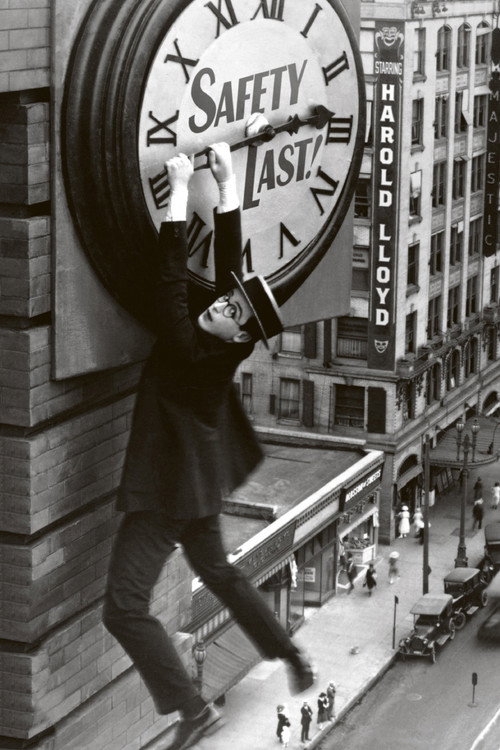
Harold Lloyd hanging from a clock above downtown LA—the image you've seen in a hundred contexts, but the full film is even better. Comedy of nerve and American hustle, genuinely tense and very funny.
But Lloyd's everyman optimism plays differently than Keaton's stone-faced detachment. If you want deadpan specifically, this isn't it.
The General1926
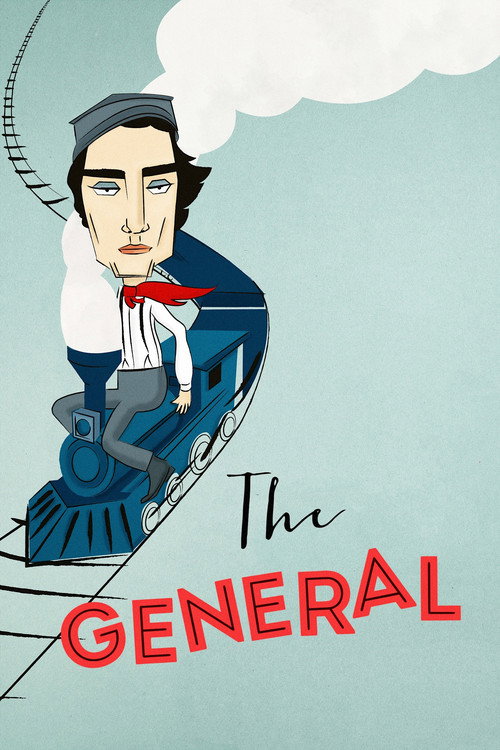
Keaton's masterpiece: a man, a train, and the American Civil War. Geometric perfection. Each shot composes like a painting. The stunts are real, the emotional stakes genuine. Go see this.
But Silent film conventions will test you if you're new to them. Also 79 minutes—a commitment. And it moves at deliberate speed; impatience kills it.
Not sure tonight? Get a pick in a minute, starting from The Balloonatic
The wildcard
Something you would not have found on your own.
Meshes of the Afternoon1943
Both films use silent medium to create geometry of movement and space. Deren's woman and Keaton's man are both trapped in loops of repetition and pursuit, though one is nightmarish introspection and one is comedic survival.
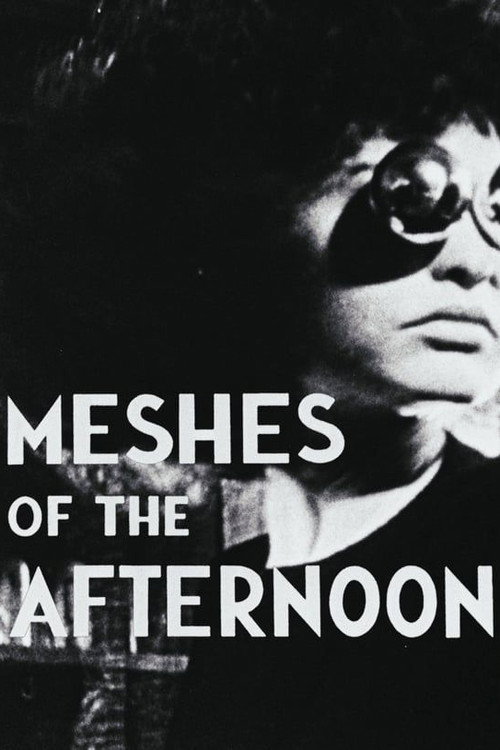
Maya Deren's avant-garde masterpiece: 14 minutes of a woman pursued through domestic space by her own mirror image. Silent, hypnotic, built on repetition and nightmare logic. Pure cinema—no plot, all mood and symbol.
But Experimental film. No comedy, no character, no traditional narrative. If you want story, stay away. If you want to understand what silent cinema could do beyond entertainment, this is essential.
More like this (8)
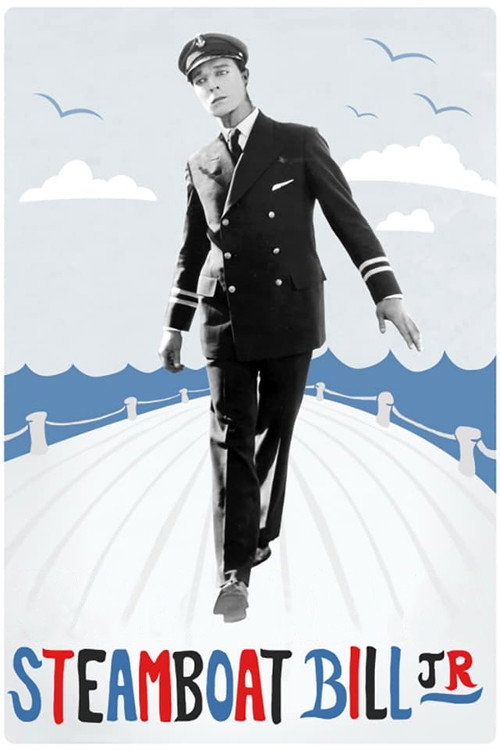
Steamboat Bill, Jr.1928
Keaton versus a cyclone, an entire building facade, and his father's disappointment. Anarchic, visually inventive, built around genuine peril. One sequence will stay with you for years.
But The plot is slight and the sentiment occasionally saccharine. As Keaton buffs will tell you, not his absolute peak—but still extraordinary.
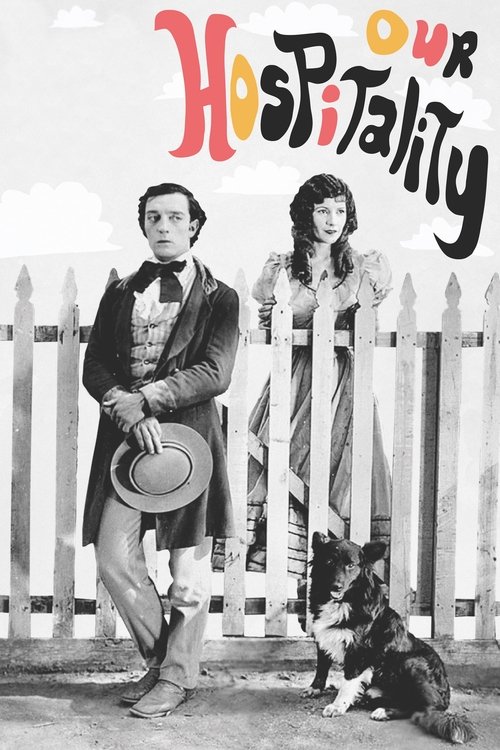
Our Hospitality1923
Keaton in the backwoods, navigating a blood feud with the same blank courtesy he'd use at a dinner party. Droll, ingenious, and the final stunt sequence is breathtaking in its commitment.
But Slower than Balloonatic, more plot-driven. If you want pure gag density, this meanders slightly.
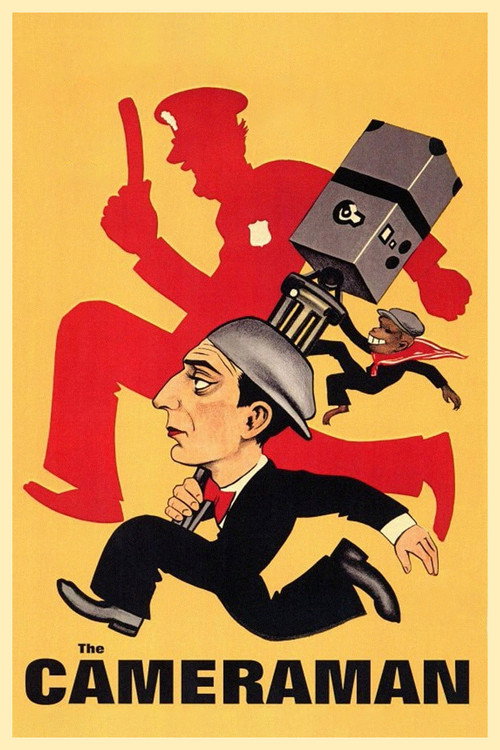
The Cameraman1928
Keaton as an ordinary man climbing the social ladder via newsreel footage. Tender, funny, and full of wonderful character work. Proof he could sustain emotion without speaking.
But Talking pictures were coming; this feels like it knows it. Less anarchic than the 1923–26 peak, more concerned with narrative coherence.
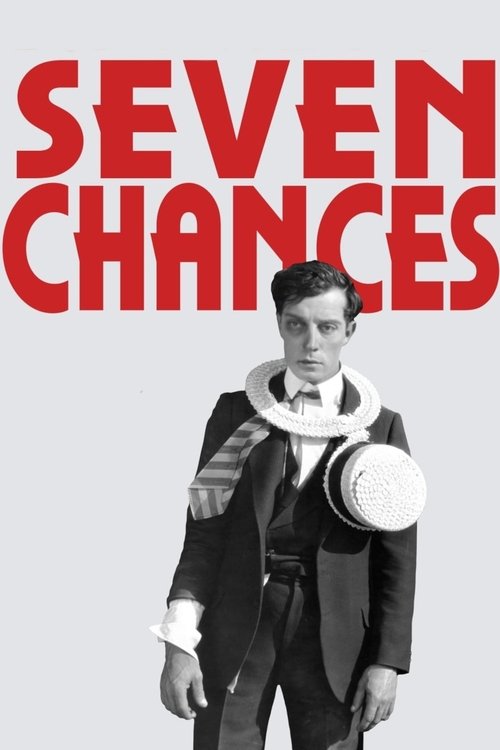
Seven Chances1925
Keaton pursued through a forest by an avalanche of rocks, each stone a marriage proposal he's rejected. Surreal, propulsive, and the climax is visually overwhelming. Pure escalation logic.
But The premise (must marry today or lose fortune) is thin. The film knows this and doesn't care. If plot matters to you, keep walking.
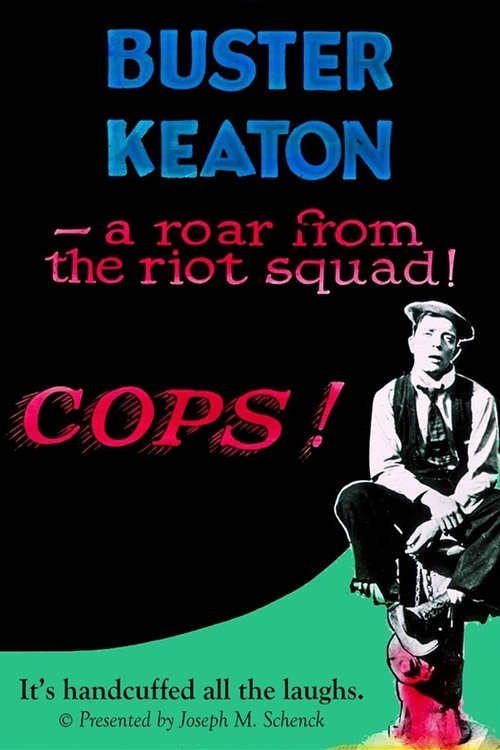
Cops1922
Nine minutes of Keaton accidentally leading the entire police force through the city. Escalation as an art form, shot with precise framing. An absolute distillation of slapstick geometry.
But Very short, almost plotless. It's a gag, extended brilliantly but not a story. Some people want more architecture than this provides.
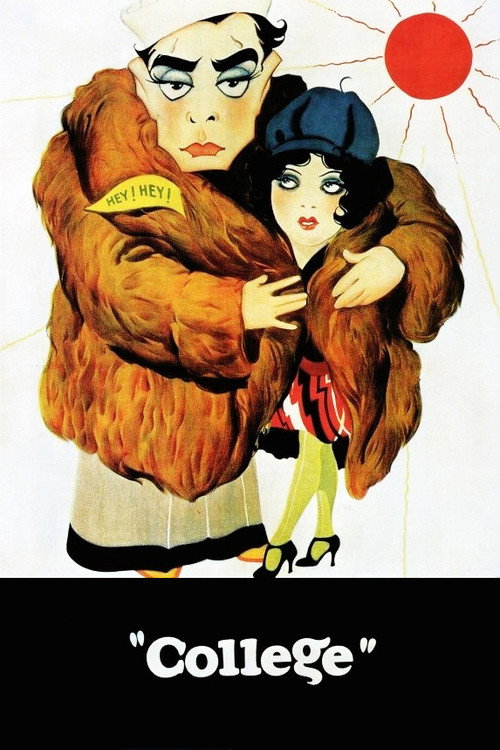
College1927
Keaton as a bookish athlete trying to fit in. Sports comedy before the genre really existed, full of surprisingly tender moments and athletic stunts that are genuinely impressive.
But The college setting feels dated and the romance subplot intrudes on the comedy. Less focused than his peak work, more interested in earnestness.
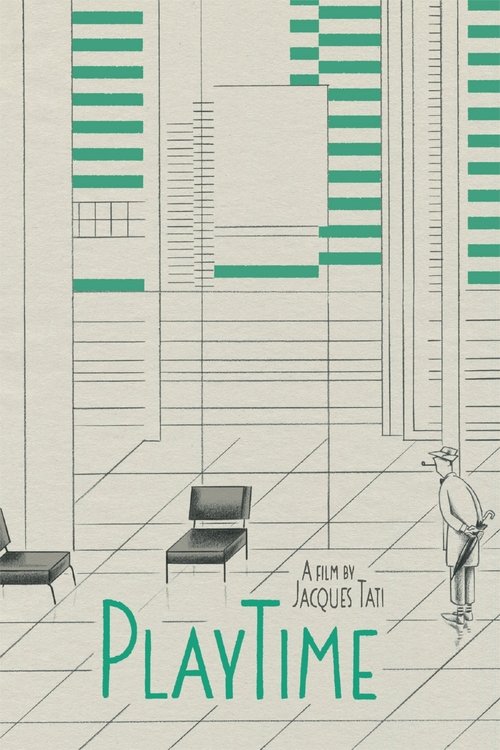
PlayTime1967
Tati inherited Keaton's commitment to visual comedy without dialogue, frame composition as the fundamental language. Both build worlds where human figures navigate space through precision and accident.
Jacques Tati's vast, wordless comedy about tourists in a futuristic Paris. 124 minutes of intricate physical gags unfolding in meticulously composed frames. Like watching an orchestra of pratfalls. A masterpiece.
But Slow, demanding, and deliberately distant. No close-ups, no emotional core. You sit back and observe. Many find it glacial rather than funny. Also rare and expensive to see properly.
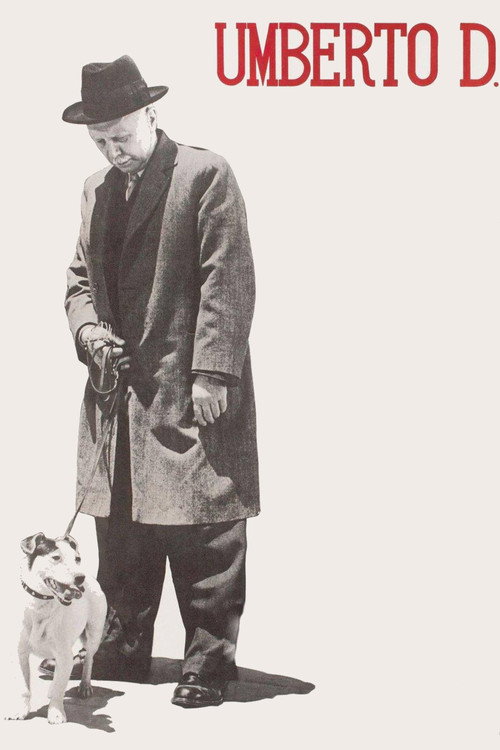
Umberto D.1952
Both films distill existence to pure physical presence—Keaton's body in comic collision, De Sica's in quiet resignation. Both say more through gesture and space than dialogue could. Both are about survival, though one laughs and one weeps.
Vittorio De Sica's devastating neorealist tragedy: an old man and his dog facing eviction in Rome. 104 minutes of quiet desperation and human dignity. No plot, just life narrowing. Among cinema's most moving experiences.
But It's a funeral, essentially. Sad, slow, Italian, no music. The opposite of entertainment in every way. But if you want to understand what cinema can do with ordinary suffering, this is it.
People
Cast
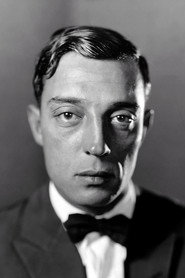 Buster KeatonThe Young Man
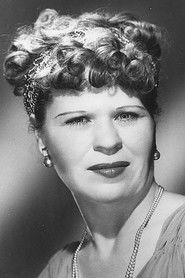 Babe LondonFat Girl at The House of Trouble
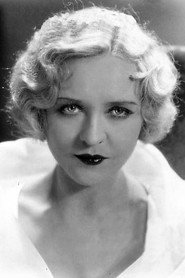 Phyllis HaverThe Young Woman
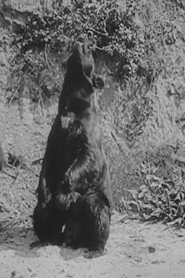 John BrownA Bear
- Joseph A. MitchellBarker outside the House of Trouble
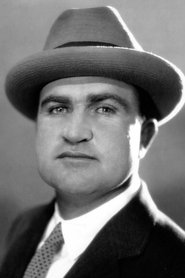 Edward F. ClineCar driver
 Natalie TalmadgeWoman on sidewalk
Directing
- Buster KeatonDirector
- Edward F. ClineDirector
Writing
- Buster KeatonWriter
- Edward F. ClineWriter
Production
- Joseph M. SchenckProducer