
Film
Our Hospitality
Buster Keaton's masterpiece of silent comedy balances slapstick with genuine tension, romance with mortal danger. A young man courts a woman from the family sworn to murder his; the film glides between hilarious gags and real peril with breathtaking control. Essential cinema, and funnier than anything made since.
Should you watch it?
Watch it if you love silent comedy built on physical precision, where a deadpan hero gets through danger with stunts that look impossible and a romance that stays sweet.
Skip it if you need dialogue and modern pacing, since it is a silent picture with intertitles and its gags unfold slowly before the big set pieces arrive.
What it asks of you: It runs about seventy-three minutes and wants your full attention, since its jokes depend on exact timing and small glances rather than sound or speed.
Not sure? Find tonight's pick in a minute.
If you liked this
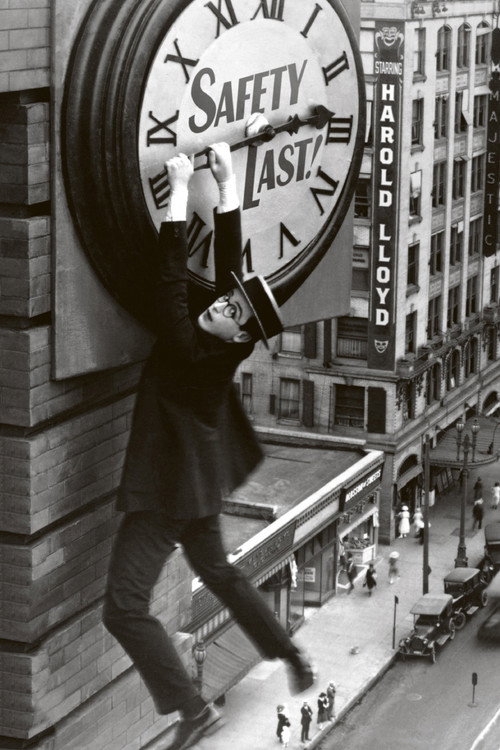
Safety Last!1923
Harold Lloyd climbing a skyscraper in real time is pure terror and comedy fused. The climbing sequence alone justifies its fame, but the whole film is smart, fast, and genuinely moving about ambition and love.
But Silent comedies can feel creaky; this one does move at speeds that demand patience if you're used to modern cuts.
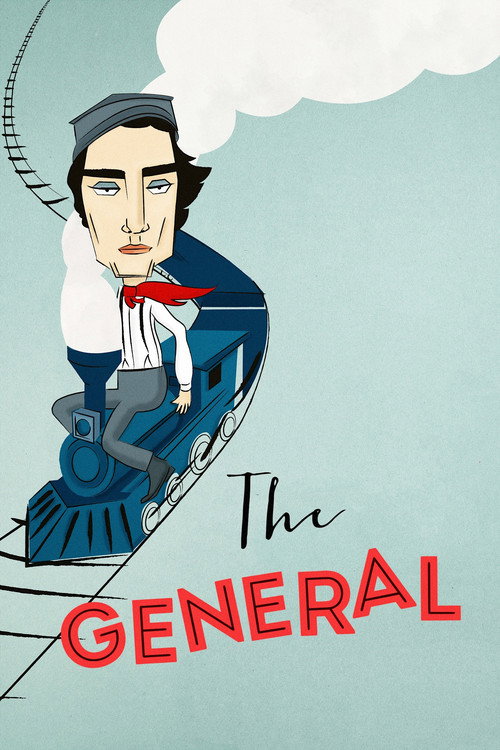
The General1926
Keaton in a Civil War epic where he chases a locomotive across the landscape, pulling off stunts that still seem impossible. Grander in scale than Our Hospitality, funnier in its absurdity, and shot like a painting.
But Its subject matter—Confederate sympathies—will make some viewers uncomfortable, and the politics haven't aged gracefully.
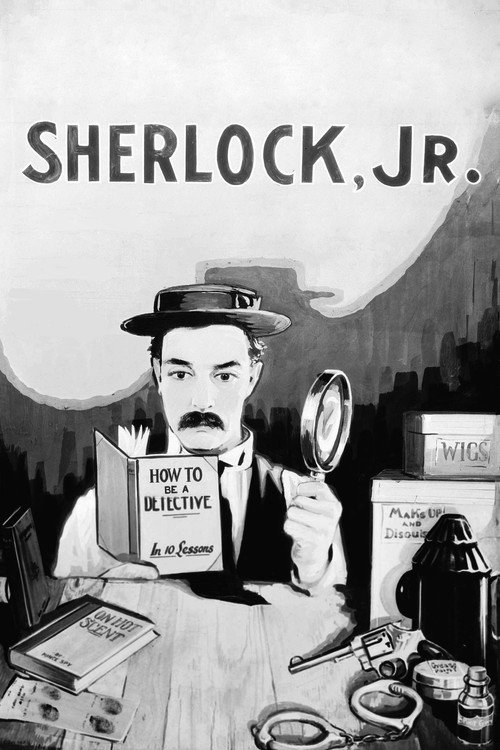
Sherlock Jr.1924
Keaton plays a projectionist who dreams himself into a film noir, then has to escape it. The blend of meta-comedy and genuine ingenuity is dazzling, and the stunt work rivals anything in Our Hospitality.
But It's shorter and less substantial than his features; some find the dream logic frustrating rather than delightful.
Not sure tonight? Get a pick in a minute, starting from Our Hospitality
The wildcard
Something you would not have found on your own.
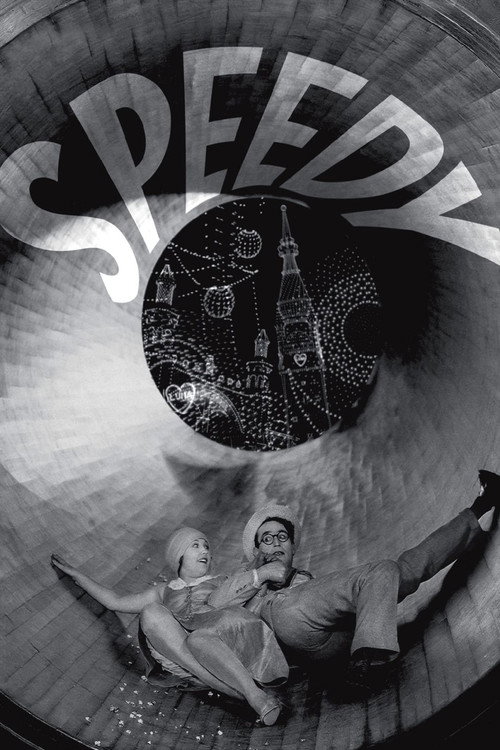
Speedy1928
Both films use real, escalating physical peril as the engine of comedy; both trust the audience to laugh at danger because the protagonist is so resourceful we believe he'll survive it. The difference is Lloyd performs for the audience, Keaton performs for the world.
Harold Lloyd's last silent film, where he plays a taxi driver in New York trying to save an old trolley line. It's faster and looser than his earlier work, with genuine stunts on real city streets, and it has Our Hospitality's gift for danger hiding inside comedy.
But Lloyd's style is broader and less elegant than Keaton's; if you're coming from Our Hospitality's restraint, his mug-heavy comedy might feel coarse.
More like this (7)
Singin' in the Rain1952
The transition to sound comedy done right: exuberant, romantic, and so pleasurable to watch it feels like a gift. Gene Kelly, Donald O'Connor, and Debbie Reynolds make joy look effortless, and the set pieces are architectural marvels.
But It's slick and mainstream, which means some find it too polished; if you want edge over charm, look elsewhere.

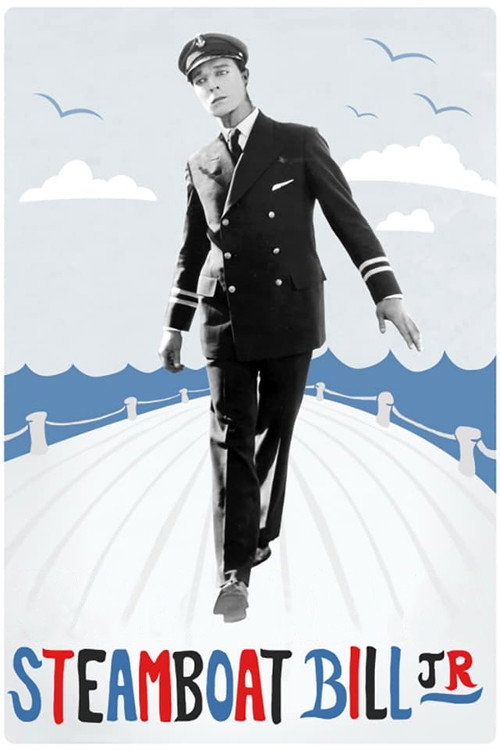
Steamboat Bill, Jr.1928
Keaton as a weakling in a storm, performing stunts of staggering bravery and absurdity. The cyclone sequence is one of cinema's great sequences: a wall of a house falls toward him and he walks through an open window, untouched.
But The opening half is thinner than his best work, and some of the gags don't land; you're really waiting for the storm.
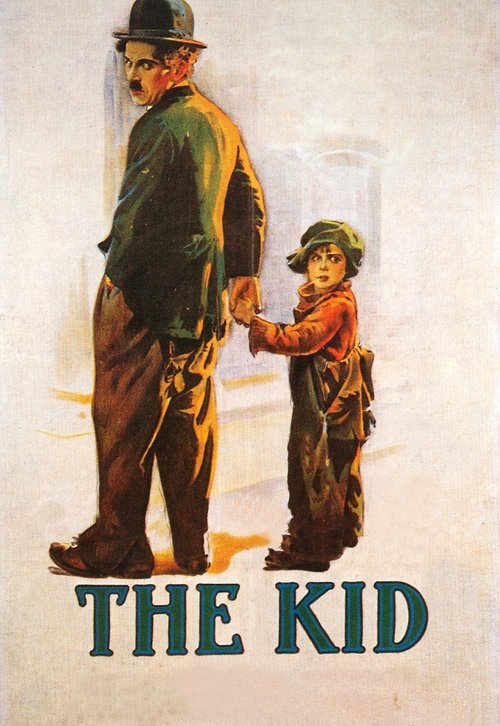
The Kid1921
Chaplin and a child actor in the slums, finding grace in hardship. It's sentimental but earned, funny without forgetting that the joke is poverty, and it bridges the gap between laughs and tears that Our Hospitality also walks.
But Chaplin's pathos can feel manipulative to modern eyes; the schmaltz is real, and not everyone's speed.
Sunrise: A Song of Two Humans1927
F.W. Murnau's masterpiece on infidelity and renewal, shot with a dreamy expressionist beauty. It matches Our Hospitality's capacity to hold multiple moods—menace, desire, comedy, redemption—in a single film.
But It's slower than Our Hospitality and more overtly tragic; some find the tonal shifts jarring rather than graceful.

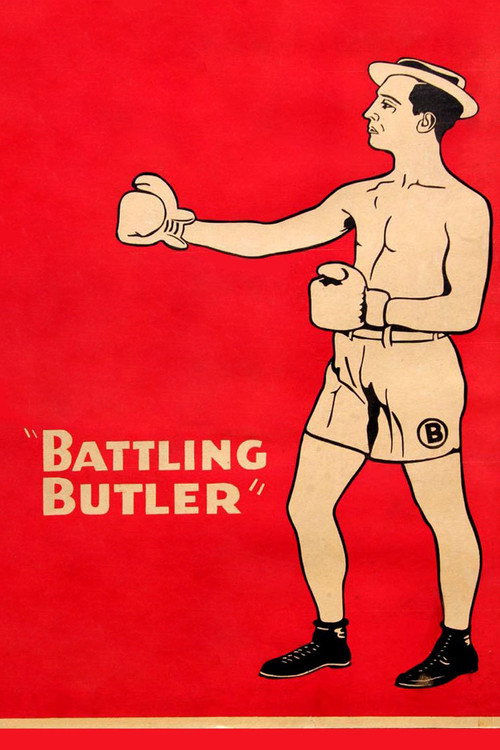
Battling Butler1926
Keaton as a pampered rich boy mistaken for a boxer, and forced to actually fight. It's lighter and more romantic than his other features, with a climactic bout that's perfectly constructed and genuinely tense.
But It lacks the visual ambition of his greatest work; the story is simpler, the stakes lower, the stunts less audacious.
Pandora's Box1929
G.W. Pabst's portrait of a woman who destroys every man who loves her, starring Louise Brooks in her transcendent best. It's a shadow-side companion to Our Hospitality's romance: what happens when desire becomes doom, and the woman knows it.
But It's bleak and sexual in ways that can feel slow or uncomfortable; the film traffics in femme fatale clichés, even if it complicates them.

The Phantom Carriage1921
Both use the machinery of genre—melodrama, violence, pursuit—as a frame for something deeper: a reckoning with what we owe the people we love, and how close grace is to disaster. Both end in forgiveness.
Victor Sjöström's Swedish ghost story about a man shown his life's wreckage on New Year's Eve. It's a thriller with the emotional depth of Our Hospitality's best moments, shot with stunning visual poetry and a melancholy that cuts deep.
But It's somber and slowly paced; there's no comedy, and the moral preaching can feel heavy. It demands you sit with despair.

People
Cast
 Buster KeatonWilliam McKay
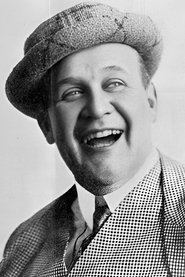 Joe RobertsJoseph Canfield
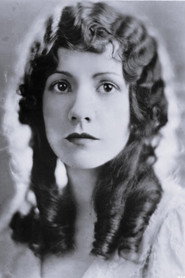 Natalie TalmadgeVirginia Canfield
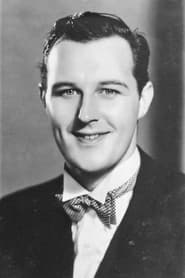 Francis X. Bushman Jr.Clayton Canfield
- Craig WardLee Canfield
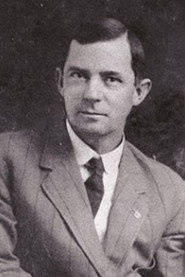 Joe KeatonThe Engineer
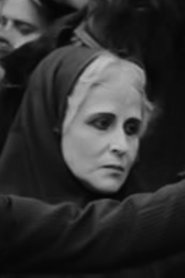 Kitty BradburyAunt Mary
- Buster Keaton Jr.Willie McKay - 1 Year Old
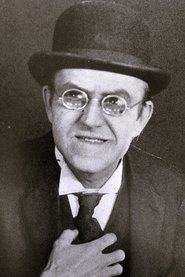 Erwin ConnellyHusband Quarreling with Wife (uncredited)
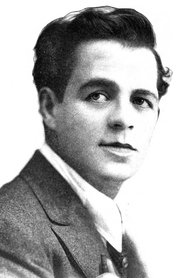 Edward CoxenJohn McKay (uncredited)
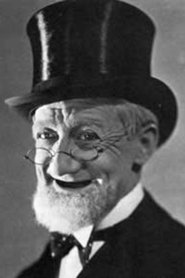 Jack DuffySam Gardner (uncredited)
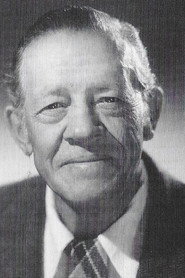 Tom LondonJames Canfield (uncredited)
Directing
- Buster KeatonDirector
- John G. BlystoneDirector
Writing
- Jean C. HavezScreenplay
- Joseph A. MitchellScreenplay
- Clyde BruckmanStory
Production
- Buster KeatonProducer
- Joseph M. SchenckProducer
Recommended by
The General, Sherlock Jr., Dr. Quinn, Medicine Woman, In Search of....., The Moodys, The Paleface, Manhandled, The Fair Co-Ed, The Balloonatic