
Film
The Fair Co-Ed
- Comedy
- Light-hearted
A 1927 silent comedy about a young woman who joins her college basketball team to get close to the coach, only to find herself caught in a love triangle with a jealous rival. Marion Davies anchors this breezy, athletic romp with physical comedy and charm. It's slight but spirited—the kind of film that reminds you why silent comedy survives: pure, inventive silliness.
Should you watch it?
Watch it if you enjoy silent-era screwball comedy with a light, slapstick touch and a lead performer who plays for laughs with real brio.
Skip it if you need modern pacing or sharp dialogue, since this 1927 silent relies on physical gags, intertitles and a romantic rivalry that can feel thin.
What it asks of you: It runs a brisk seventy-one minutes, so you give it an evening's half-hour of patience and then let the silent mugging carry the rest.
Not sure? Find tonight's pick in a minute.
If you liked this
Singin' in the Rain1952
The definitive Hollywood musical, bursting with joy, energy, and genuine innovation. Gene Kelly and Donald O'Connor's performances are so alive they feel like they're happening in front of you. Pure cinema at its most exuberant.
But The plot is gossamer-thin and mostly serves as a frame for production numbers. If you want character depth or narrative stakes, you'll find neither here.

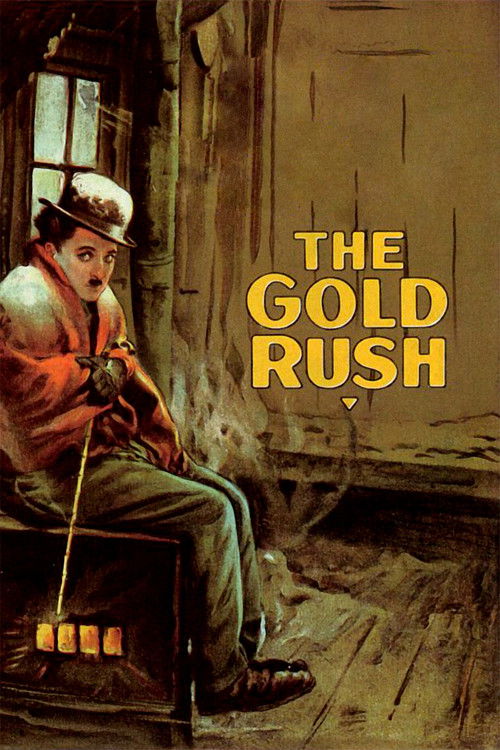
The Gold Rush1925
Chaplin's masterpiece is comedy and pathos braided together. The physical gags are astonishing—architectural precision meets human vulnerability. You'll laugh hard and feel something genuine by the end.
But Pacing is glacial by modern standards, and the sentimental climax won't work on everyone. Silent film demands patience and surrender.
It Happened One Night1934
Screwball perfection. Claudette Colbert and Clark Gable have such magnetic chemistry that their banter feels like flirtation even now. Funny, romantic, and nimble. It swept the Oscars for a reason.
But The class dynamics and gender politics feel dated. Some jokes land harder on the ears of 1934 than on ours.

Not sure tonight? Get a pick in a minute, starting from The Fair Co-Ed
The wildcard
Something you would not have found on your own.
Sunrise: A Song of Two Humans1927
Both are 1927 films about attraction and rivalry—but where Davies' film celebrates youth and athletic vitality, Murnau's explores temptation as moral fall. Same year, opposite registers.
Made the same year as *The Fair Co-Ed*, this German Expressionist film explores temptation and marriage through image rather than plot. F.W. Murnau's camera moves like it's possessed. It's visually intoxicating and emotionally complex in ways silent cinema rarely achieved.
But It's heavy, philosophical, and asks a lot of its viewer. If you watch *The Fair Co-Ed* for fun and lightness, this will feel like someone switched the channel to existential despair.

More like this (8)
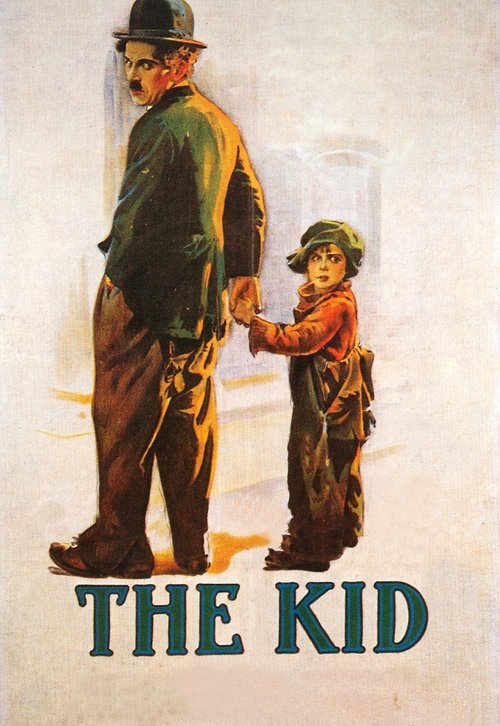
The Kid1921
Chaplin and a child actor create something that's simultaneously hilarious and heartbreaking. The balance between slapstick and genuine emotion is uncanny. You'll be laughing one second and misty the next.
But Very sentimental by modern standards, and that pathos will feel heavy-handed if you're resistant to Chaplin's style.
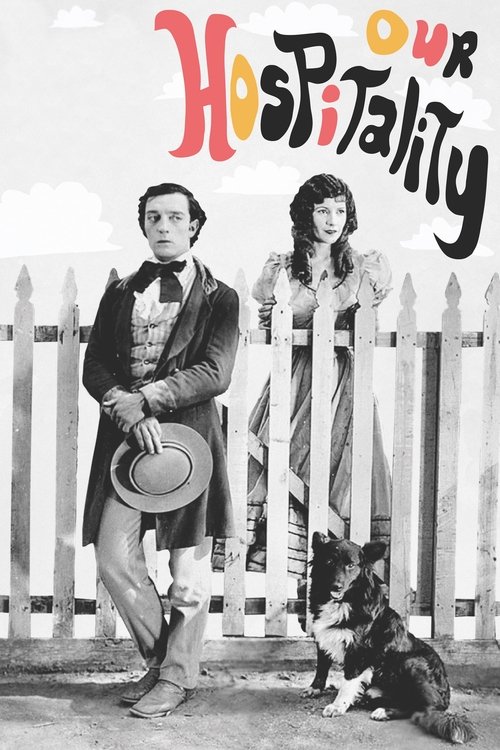
Our Hospitality1923
Buster Keaton's stunt work is genuinely hair-raising. The gags are built from structure and geography rather than punchlines, and the Southern Gothic setup is unexpectedly witty. Comedy as a kind of architecture.
But Keaton's deadpan can feel cold if you're not in the headspace for it. There's less warmth here than in his contemporaries' work.
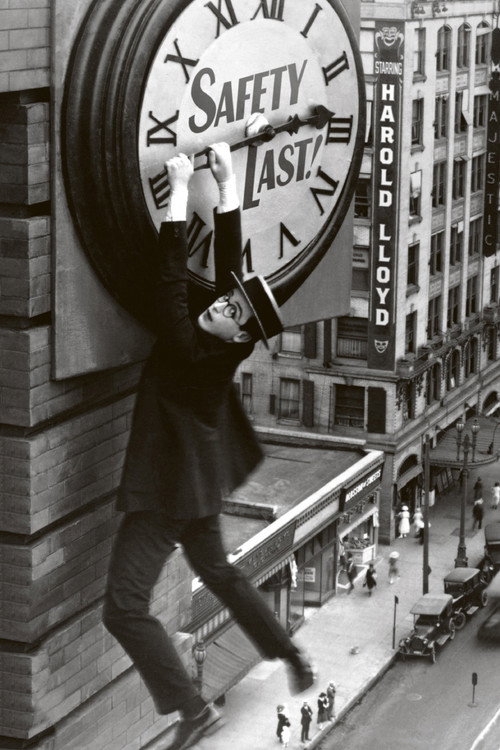
Safety Last!1923
Harold Lloyd's climbing-the-building sequence is genuinely thrilling—you feel real vertigo watching it. The comedy is ingenious because it emerges from real danger. Lloyd himself is deeply likable and energetic.
But Some of the comedy bits fall flat for modern viewers. Not everything lands, and there's padding between the highlights.
The Phantom Carriage1921
A Swedish film that's part ghost story, part temperance sermon, entirely mesmerizing. Ästrid Holm and Lennart Hjulström carry genuine emotion. The visual storytelling is sophisticated and haunting.
But Slow-burn pacing and heavy moralizing won't appeal to anyone looking for entertainment above all. It's a film that asks for engagement.

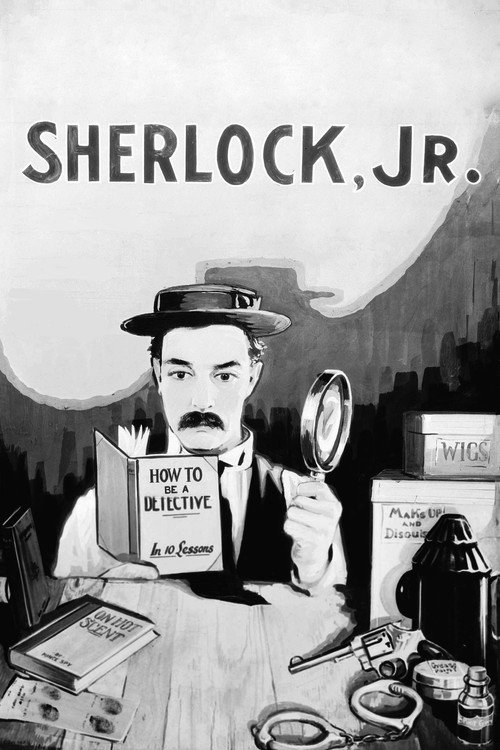
Sherlock Jr.1924
Buster Keaton's masterpiece. The story is deceptively clever—a projectionist falls into a film—and Keaton uses it to do impossible things with the medium itself. Innovative, inventive, and genuinely funny.
But The emotional core is thin. If you need to care about the character's fate to stay invested, you may find yourself adrift.
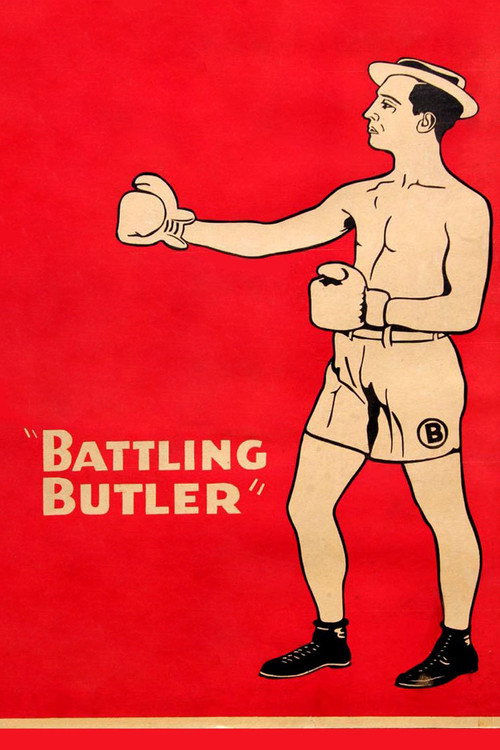
Battling Butler1926
Keaton plays a weak millionaire who gets mistaken for a boxer, leading to elaborate sequences of physical comedy. The setup gives the gags real narrative logic, and Keaton's desperation is endearing and funny.
But Less iconic than his other films and less polished in construction. Some sequences overstay their welcome.
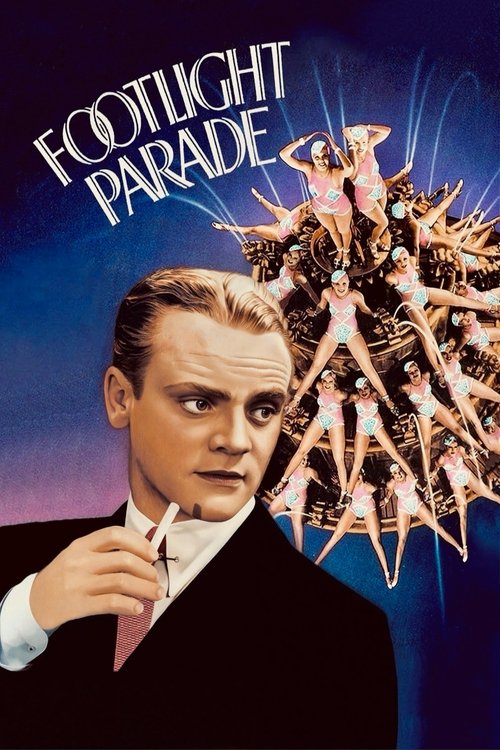
Footlight Parade1933
Both star athletic performers in semi-romantic plots that exist mostly to justify physical display. Davies and Cagney are both best served by letting them move.
James Cagney isn't a dancer, but he becomes one anyway, and the transformation is electric. The film is mostly a string of production numbers choreographed by Busby Berkeley, and they're genuinely surreal. A different era's MTV.
But The plot is negligible. The acting outside the dance numbers is stiff and dated. If you don't love watching humans move precisely to music, this will bore you completely.
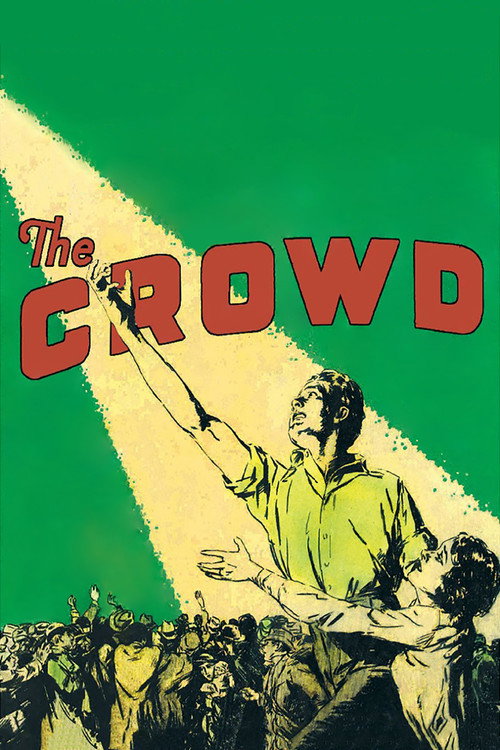
The Crowd1928
*The Fair Co-Ed* is all surfaces and youth; *The Crowd* is what happens after the fair ends. Same era, opposite philosophies about what cinema should show us about living.
King Vidor made a film about ordinary life that's neither comedy nor melodrama but something more honest. It's about ambition, marriage, disappointment, and the ways small lives can crack under pressure. The camera work is restless and alive.
But It's bleak, unglamorous, and structurally downbeat. You won't enjoy watching sympathetic people fail. Call it realism; it can also feel like punishment.
People
Cast
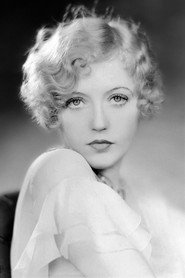 Marion DaviesMarion
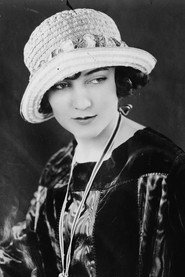 Jane WintonBetty
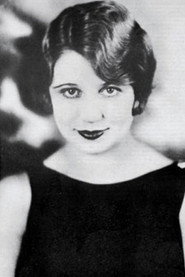 Thelma HillRose
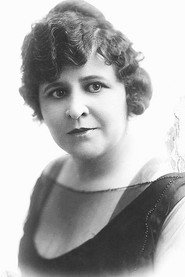 Lillian LeightonHousekeeper
- Gene StoneHerbert
Directing
- Sam WoodDirector
Writing
- Byron MorganWriter