
Television series
Dr. Quinn, Medicine Woman
A Boston physician abandons her practice to become the only doctor in a remote 1880s Colorado town, where she treats everyone from miners to Native Americans while navigating frontier medicine, local prejudice, and unexpected romance. It's earnest, beautifully shot, and genuinely moving—a rare network drama that treats its female lead's competence as the story's engine rather than its obstacle.
Should you watch it?
Watch it if you like a warm, episodic frontier drama where the town's ordinary people and their small daily crises matter more than gunfights, and a stubborn heroine can win you over one patient case at a time.
Skip it if you want serialized plot momentum or a gritty, morally complicated Western; this one leans sentimental and wholesome, and its moral lessons are delivered plainly, sometimes with a heavy hand.
What it asks of you: Settle in for a long haul: 150 episodes across six seasons, one hour each, unfolding at an unhurried pace where most episodes close on a self-contained story and warmth.
Not sure? Find tonight's pick in a minute.
If you liked this
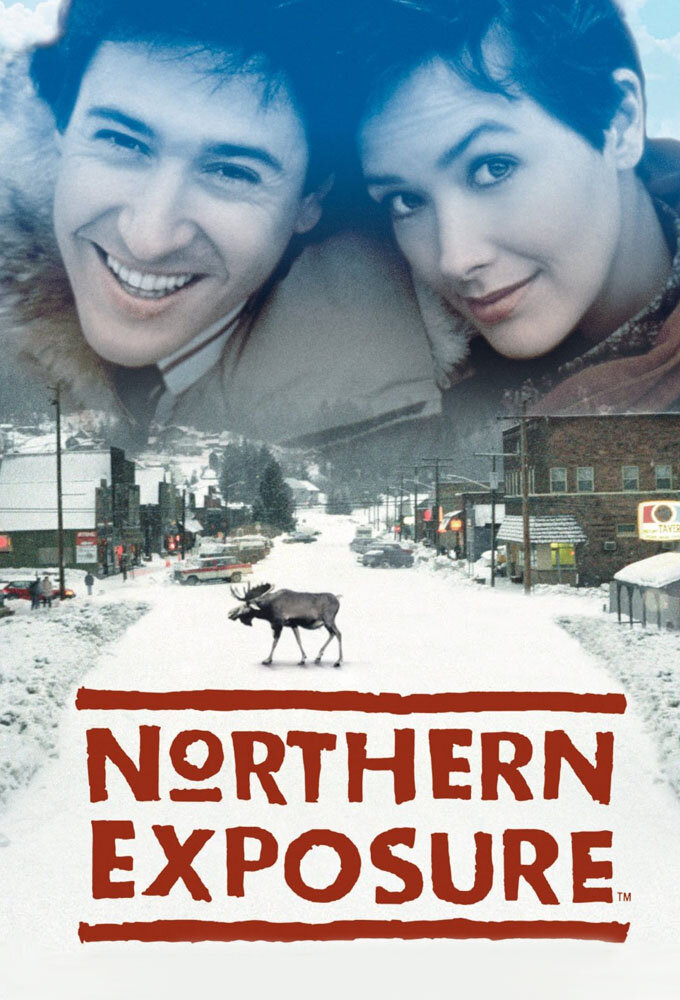
Northern Exposure1990
A doctor relocated to quirky Cicely, Alaska discovers medicine is about community as much as diagnosis. Shares the same warmth and ensemble charm, with a town full of unforgettable characters who need her in ways she doesn't expect.
But Stranger, more deliberately eccentric, and sometimes leans into sitcom energy when you want something grounded. Pacing can feel slack in stretches.
Lonesome Dove
Epic, beautifully crafted, and treats the West as a place where difficult people do difficult things. If you loved the landscape and moral complexity of Dr. Quinn, this miniseries delivers that in spades with extraordinary performances.
But Relentlessly grim and violent in ways the series isn't. Male-centered, and the few women are secondary. Also six hours—a commitment.
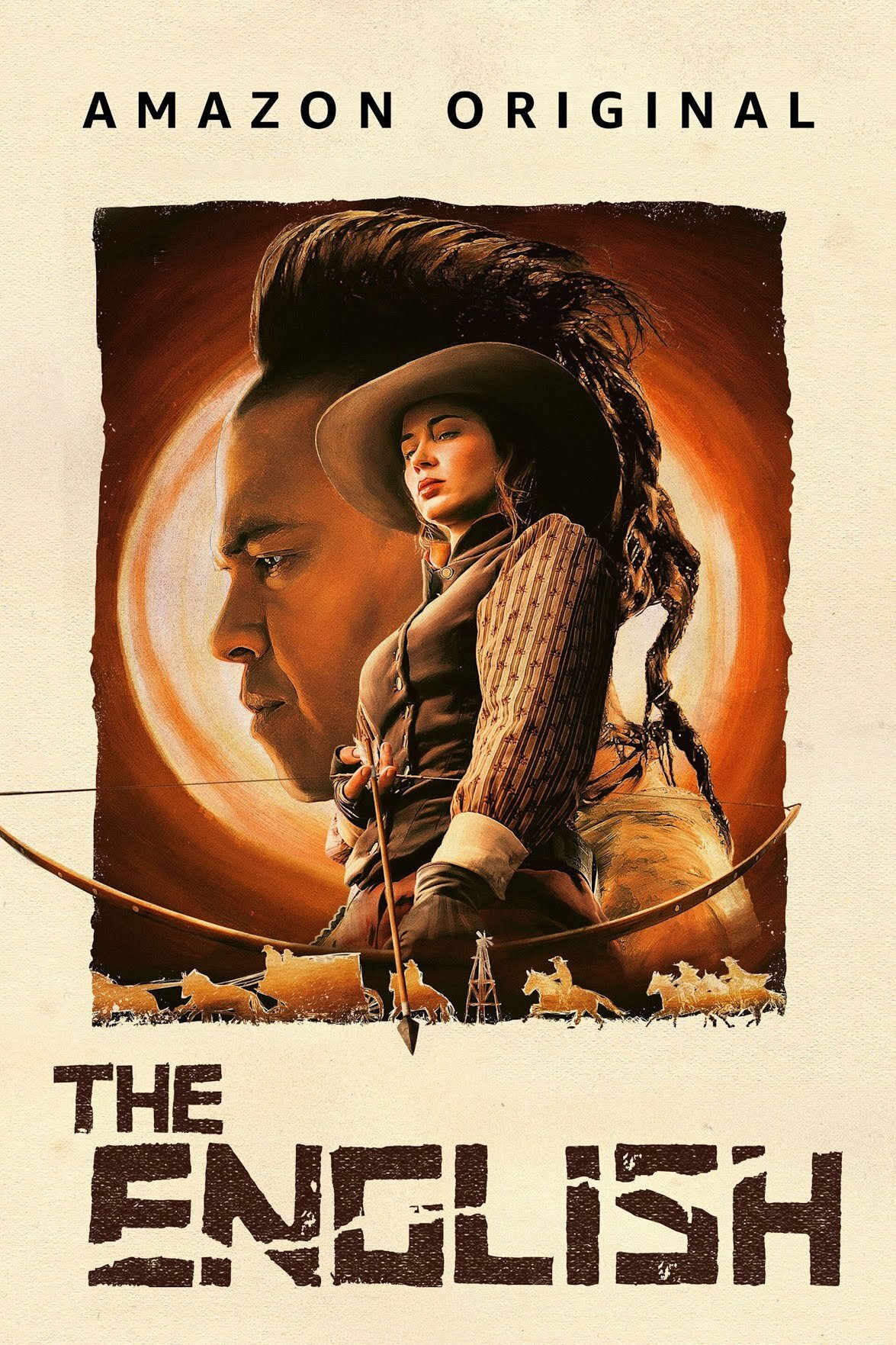
The English2022
A woman arrives in the frontier West determined to survive on her own terms. Modern production values and a tighter narrative, but that same collision between civilized idealism and harsh frontier reality—and the same refusal to make the woman apologize for her ambition.
But Significantly darker and more violent. Shorter (five episodes) and deliberately bleak where Dr. Quinn often finds grace. Not comforting viewing.
Not sure tonight? Get a pick in a minute, starting from Dr. Quinn, Medicine Woman
The wildcard
Something you would not have found on your own.
Johnny Guitar1954
Both center a woman's professional and personal autonomy in the West as the story's driving engine rather than an obstacle she overcomes. Both resist the romance-as-resolution formula.
Joan Crawford runs a saloon and commands a town; the film is about her power and autonomy, not her romantic availability. Made in 1954 and radical for it. A woman at the center of a Western, making decisions, with Agency as the entire plot. The cinematography is operatic.
But The gender dynamics are so unusual that the film baffled audiences at release and still feels strange. Melodramatic in ways modern Westerns aren't. Nick Ray's direction is abstract rather than literal—some find it pretentious.

More like this (7)
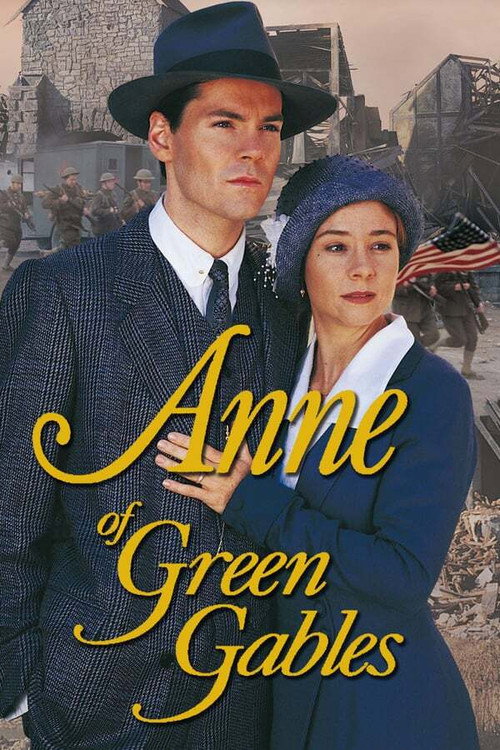
Anne of Green Gables: The Continuing Story2000
Anne becomes a nurse and doctor during WWI, bringing the same intelligence and determination you love. A later-life continuation of a beloved character, with period detail and genuine stakes. Warm without being naive.
But Relies on familiarity with the earlier Anne films. Made-for-TV production values of its era. Some will find it melodramatic; others will find that exactly the point.
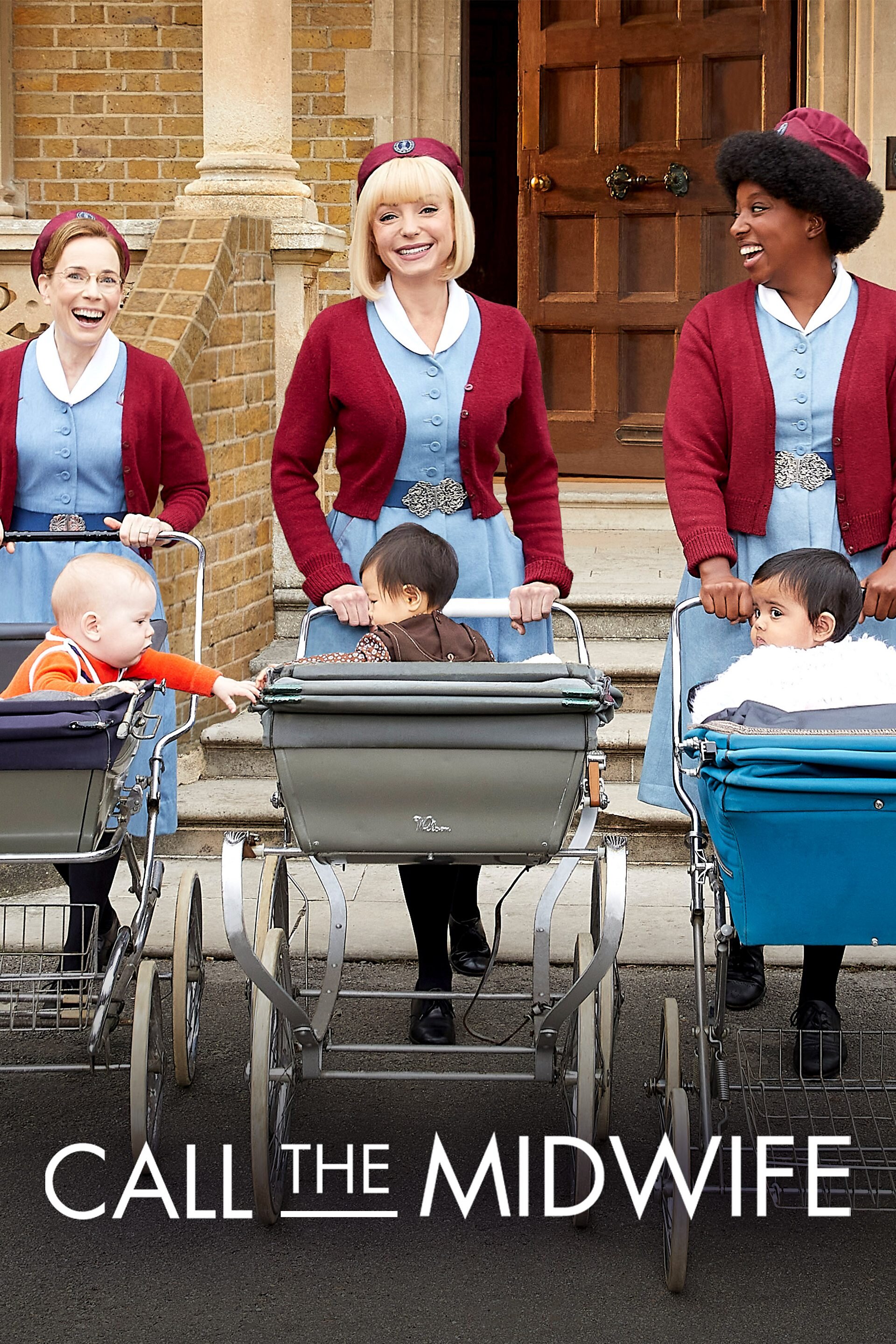
Call the Midwife2012
Women medical professionals in a male-dominated world, delivering care with skill and dignity. Spans decades, allowing you to watch characters grow and the profession evolve. Funny, moving, and celebrates competence without apology.
But Birth and postpartum complications are graphically depicted—it's unflinching in ways that can be hard to watch. Very British in sensibility and pacing.
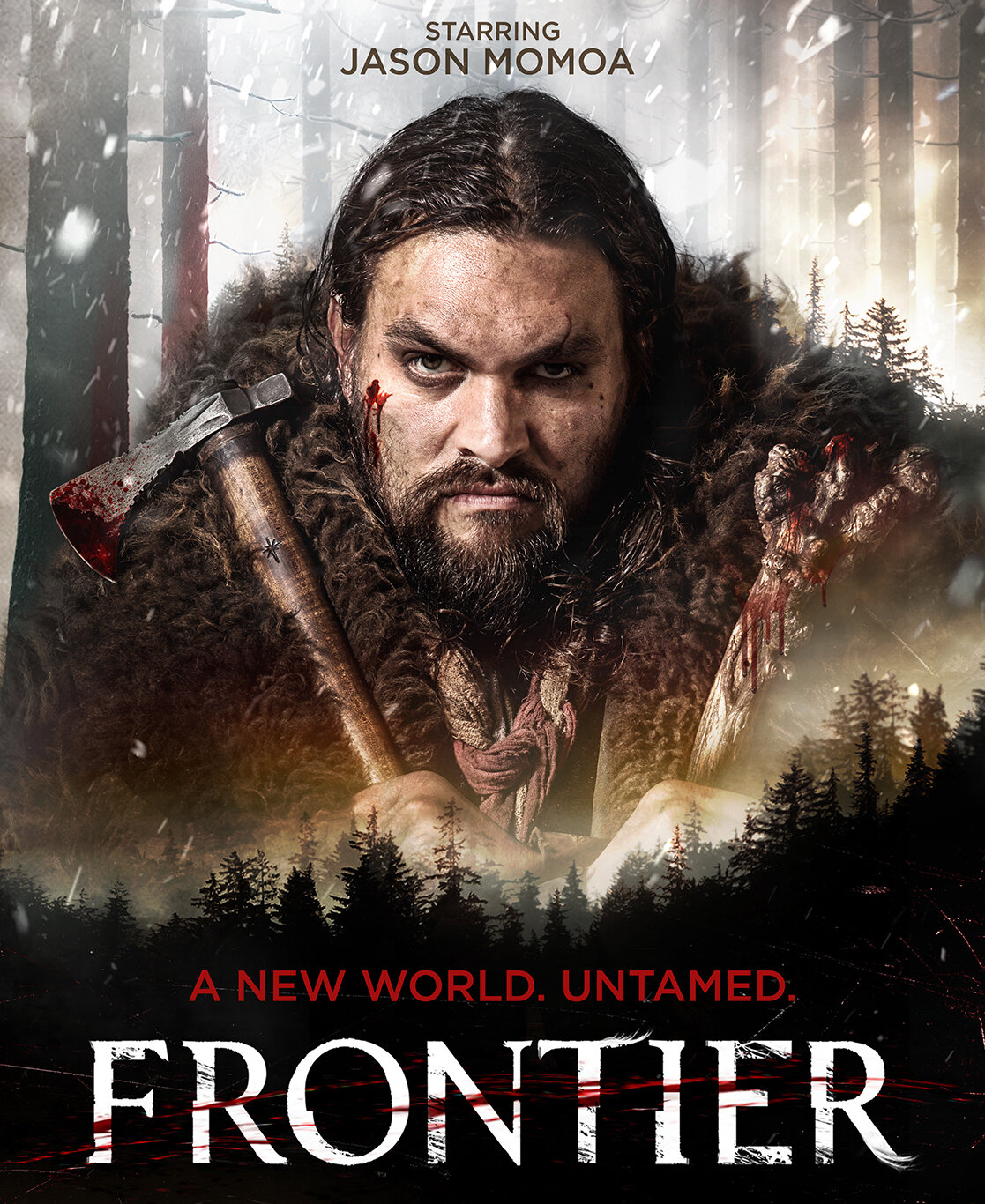
Frontier2016
Raw, unglamorous frontier drama centered on survival and commerce rather than romance. If you want the West without the sentiment, with complex ensemble casts and real consequences, this delivers. Jason Momoa is revelatory.
But Aggressively bleak and often brutal. No moral center like Dr. Quinn has. Violence feels real and ugly rather than narrative. Cancelled after three seasons.
The Ballad of Little Jo1993
Based on a true story: a woman passes as a man to survive in the 1880s West, working as a ranch hand and prospector. Quiet, unsentimental, and deeply about autonomy. Suzy Amis is extraordinary and the film trusts you to find her compelling.
But Deliberately austere and slow-paced. No orchestral score, minimal dialogue. Ends without uplift or resolution. Not a feel-good story even though the protagonist succeeds.

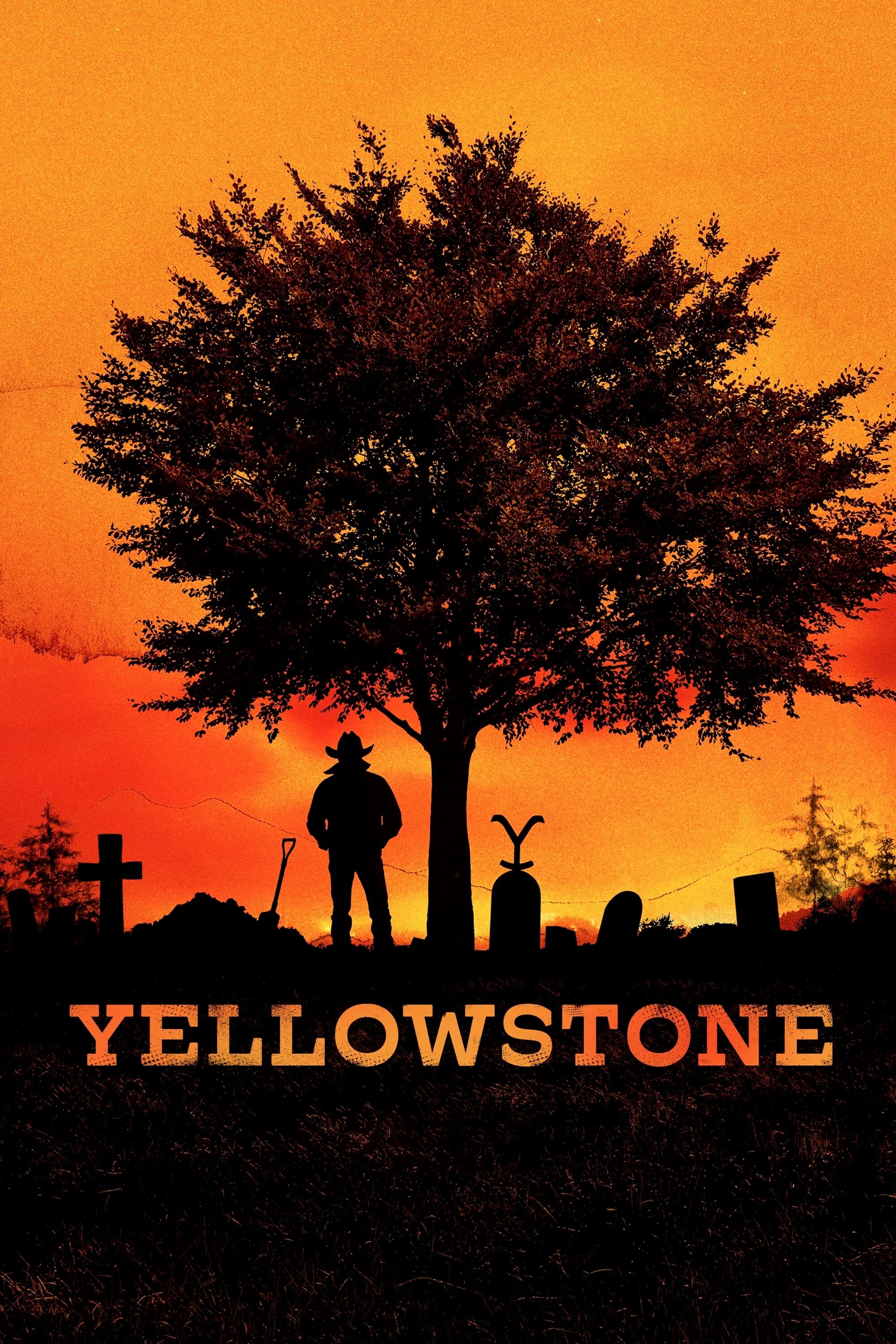
Yellowstone2018
Modern Western about a family fighting to preserve their ranch and way of life. Epic scope, complex characters, and real stakes. If you miss ensemble drama with high emotional stakes and beautiful landscapes, this is enormous in every way.
But Nothing like Dr. Quinn's warmth. Ruthlessly cynical, violent, and obsessed with power. The tone is bleak and the characters are mostly terrible to each other. Five seasons of escalating melodrama can exhaust.
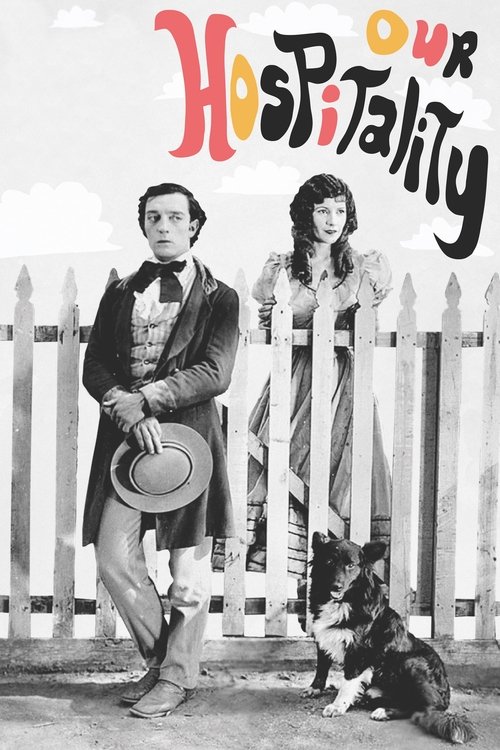
Our Hospitality1923
A silent comedy from the early Hollywood West, charming and inventive. Different register entirely, but celebrates competence and self-sufficiency. Buster Keaton doing his thing in a frontier setting, which sounds niche but is just pure filmmaking joy.
But It's 1923 silent comedy—no dialogue, and the humor is pantomime. Period acting style takes adjustment. Thirty-five minutes long and uses every one of them, but still: short.
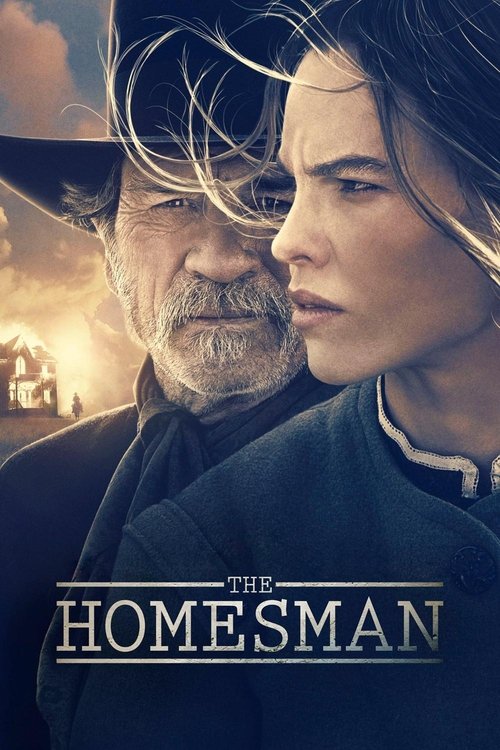
The Homesman2014
Both are about women doing skilled, necessary work that goes unappreciated by the men around them. Both show frontier medicine and survival as female competence. Same era, same landscape, different tone—one offers grace, one refuses it.
A frontier woman (Hilary Swank) transports three mentally ill women across the Plains to civilization, and the film is entirely about her competence and kindness under impossible conditions. Meryl Streep, George Briggs, and brutal honesty about settler women's lives. Tommy Lee Jones directs and it shows in the landscape work.
But Unsparing about female suffering and frontier hardship. It ends without redemption or catharsis. The film respects its women without comforting you. Deliberately slow and images stick in ways that aren't pleasant.
People
Cast


Writing
- Beth SullivanCreator
Production
- Antonia EllisAssociate Producer
- Benjamin BenedettiAssociate Producer
- Carl BinderCo-Executive Producer
- Chris AbbottCo-Executive Producer
- Philip GersonCo-Executive Producer
- Sara DavidsonCo-Executive Producer
- Timothy O. JohnsonCo-Executive Producer
- Jeremy KaganCo-Producer
- Timothy O. JohnsonCo-Producer
- Beth SullivanExecutive Producer
- Carl BinderExecutive Producer
- Timothy O. JohnsonProducer
- Eric TuchmanSupervising Producer
- Josef AndersonSupervising Producer
- Philip GersonSupervising Producer