
Film
Speedy
- Slapstick
- Light-hearted
Harold Lloyd's final silent film is a love letter to a vanishing New York, with Lloyd as an amiable everyman scrambling to save his girlfriend's grandfather's last horse-drawn trolley from corporate extinction. It's a film of physical comedy, genuine affection, and real stakes—funny without ever becoming mean. A gateway to silent cinema for people who think they won't like it.
Should you watch it?
Watch it if you love silent-era physical comedy where the gags are built with real stunts and real city streets, and a sweet romance keeps the chaos warm.
Skip it if you need quick modern pacing or sharp contemporary jokes; the silent format and a leisurely middle stretch can feel slow and old-fashioned to a restless viewer.
What it asks of you: Under ninety minutes, it asks you to read intertitles and watch closely rather than listen, with bursts of frantic movement giving way to easygoing, sunny stretches.
Not sure? Find tonight's pick in a minute.
If you liked this
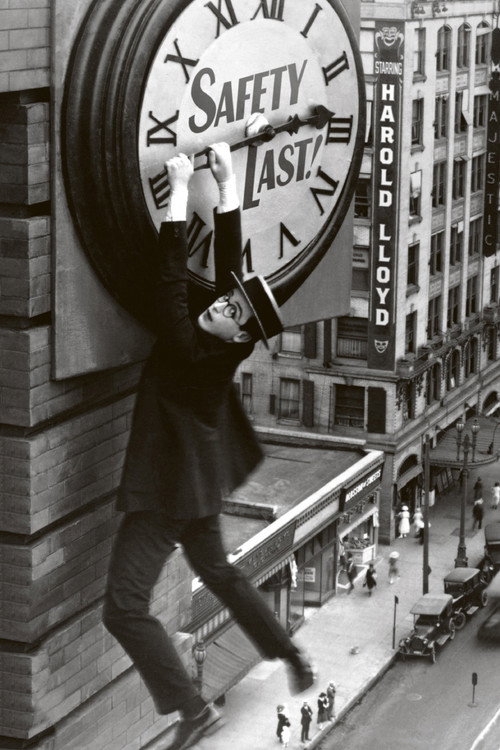
Safety Last!1923
Lloyd's masterpiece of vertical comedy: he climbs a twelve-storey building in real time, and the vertigo is authentic and hilarious. Essential cinema that still lands hard.
But It's silent, which requires adjustment. Some gags depend on understanding 1920s social codes that aren't immediately obvious to modern eyes.
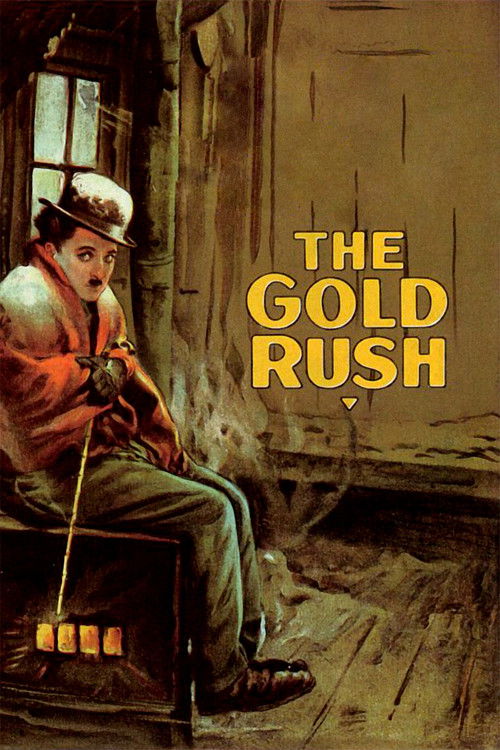
The Gold Rush1925
Chaplin's greatest film, balancing slapstick desperation with genuine pathos. A gold prospector starving in the Yukon becomes unbearably moving, then funny, then both at once.
But The emotional swings can feel manipulative if you're resistant to Chaplin's sentimentality. It's also nearly two and a half hours.
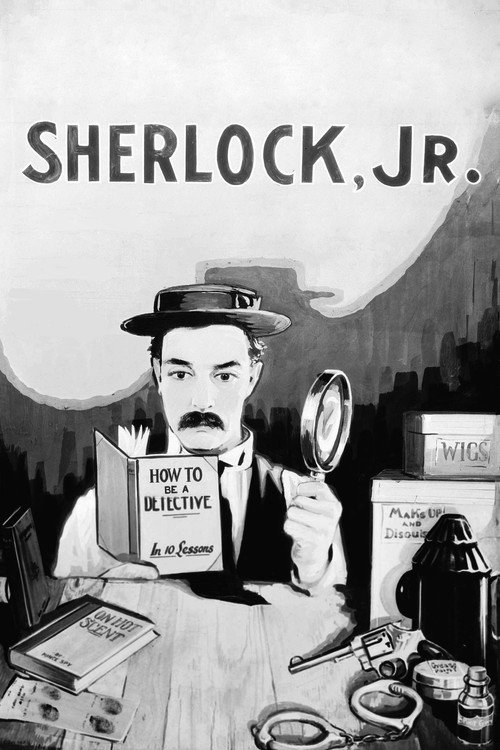
Sherlock Jr.1924
Buster Keaton steps into a film reel and chaos erupts. The visual ingenuity is staggering—he collaborates with cinema itself as a co-actor. Endlessly inventive.
But The plot is tissue-thin and only exists to hang gags on it. If you want story over spectacle, you'll feel the absence.
Not sure tonight? Get a pick in a minute, starting from Speedy
The wildcard
Something you would not have found on your own.
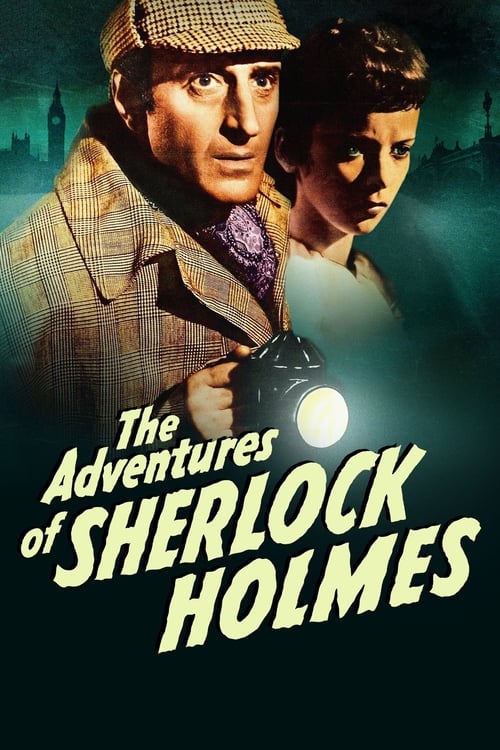
The Adventures of Sherlock Holmes1939
Both films were made in the same era as the transition from silent to sound, but Speedy is the last flower of the old language while Rathbone represents the new. They're conversation partners about what cinema could say.
Basil Rathbone and Nigel Bruce debut as Holmes and Watson in a crackerjack mystery with a real plot and genuine stakes. You're not watching acting, you're watching behavior. Rathbone made Holmes a template.
But It's a talking picture, not a silent, and American, not European. But it shows what cinema could do once it learned to speak—the same precision Lloyd and Keaton brought to gesture now expressed in dialogue.
More like this (8)
The Phantom Carriage1921
Swedish haunted-house masterpiece with extraordinary special effects and a surprisingly moving story about redemption. Visually stunning and genuinely unsettling.
But It's heavy going—genuinely bleak before the redemption arc. Also slow by modern standards, which makes the darkness feel extended.

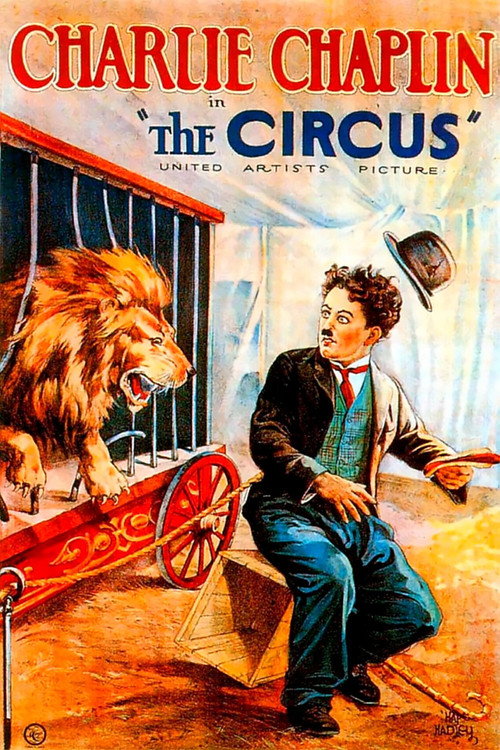
The Circus1928
Chaplin among acrobats and clowns, creating comedy from his own displacement. It won him a special Oscar and contains some of his most joyful physical work.
But Uneven pacing and some sentiment that lands awkwardly. Less tightly plotted than his best work.
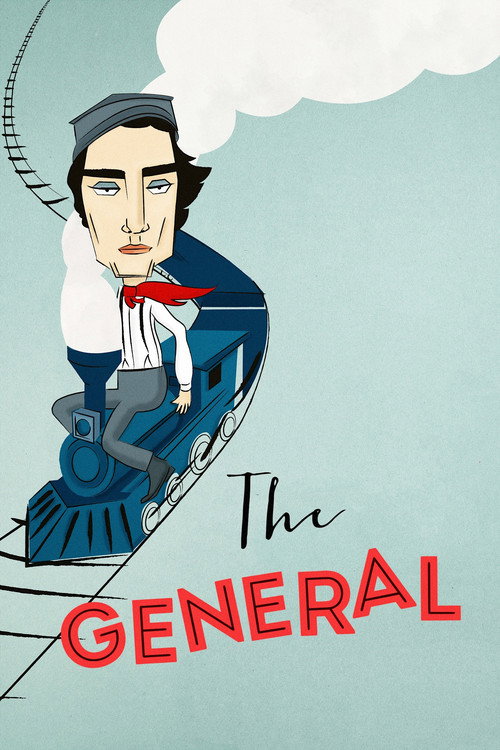
The General1926
Buster Keaton as a train engineer during the Civil War, performing increasingly impossible stunts with a poker face. Comedy as engineering problem. Genuinely thrilling.
But The historical context (Confederate sympathies) is uncomfortable. Keaton's deadpan can read as cold if you're not attuned to his style.
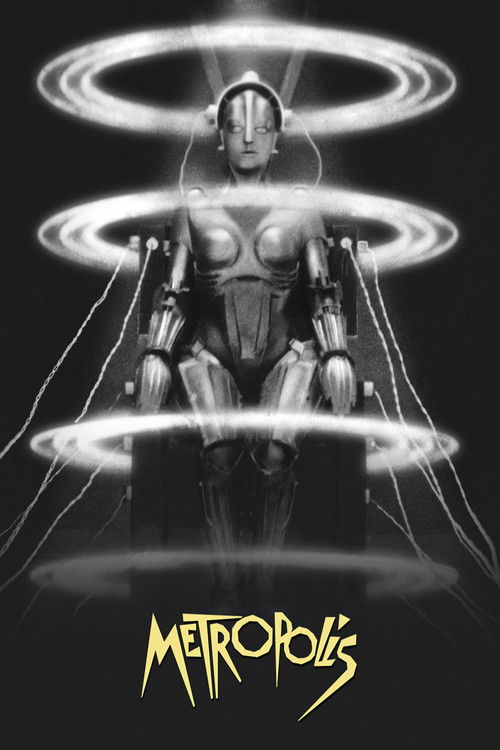
Metropolis1927
Fritz Lang's sci-fi cathedral: a dystopian city of impossible scale, genuine pathos, and visual ambition that still feels futuristic. A complete work of cinema-as-architecture.
But Restoration and alternate cuts complicate the experience. The class-politics message is delivered with a sledgehammer. Pacing drags in the middle act.
Nosferatu1922
German Expressionism's greatest horror film. The vampire is a geometrical shadow of dread; the compositions are nightmare-logic. Influenza and death made visceral.
But No jump scares, no gore. The horror is cerebral and atmospheric, which bores people expecting action. Also a theft from Bram Stoker (legally).

Intolerance: Love's Struggle Throughout the Ages1916
D.W. Griffith's mad epic sprawls across four eras of human cruelty, building to a climax of coordinated mayhem that defies description. Wildly ambitious failure with moments of genius.
But At three and a half hours, it's exhausting. The narrative jumps between stories without warning. The political views are dated and troubling.

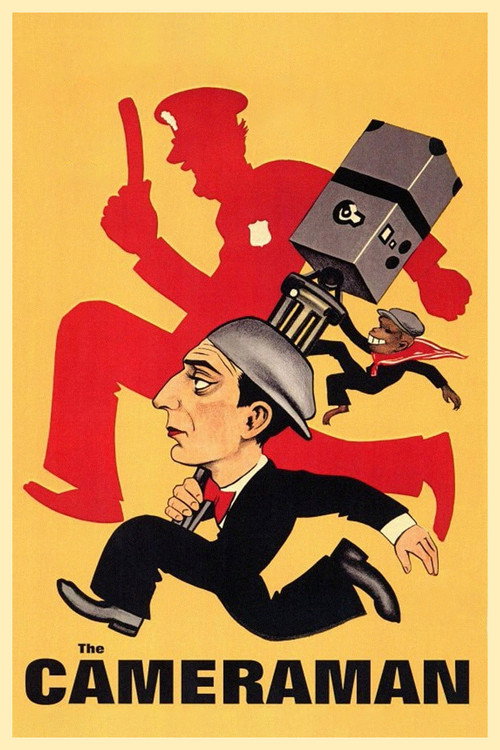
The Cameraman1928
Made in the same year, same city, same genre, same studio (MGM). You're watching the two greatest comics of silent cinema solve identical problems in radically different ways.
Also 1928, also Harold Lloyd adjacent (directed by Buster Keaton). A city office worker becomes a newsreel cameraman and stumbles into real danger. Keaton's most accessible film—funny and genuinely touching.
But The romance is sentimental by today's standards. The comedy alternates between brilliant sight gags and dated ethnic stereotypes that are painful.
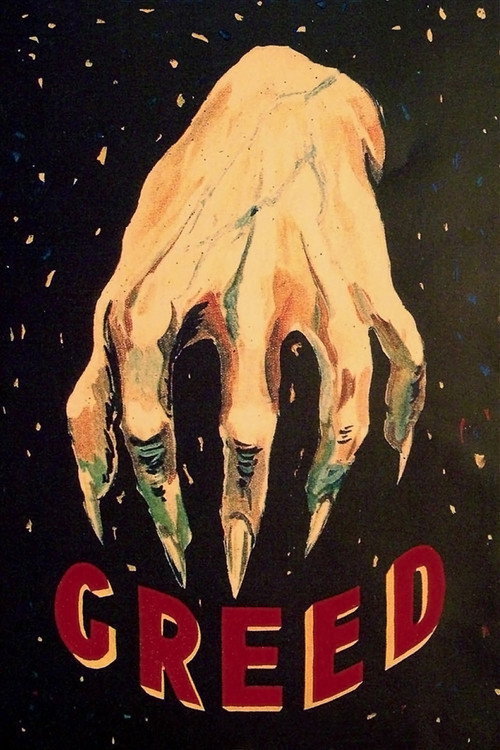
Greed1924
Speedy defends something (the trolley, tradition, his girlfriend's family) against the crushing force of modern commerce. Greed shows what happens when you stop defending anything and let money win. They're mirror images of the same historical moment.
Erich von Stroheim's masterpiece about money destroying a marriage, shot across Death Valley with documentary precision. It's ugly, hypnotic, and morally serious about avarice in a way cinema rarely achieves.
But At nine hours (the restored version), it's a commitment. Stroheim's vision of human degradation is relentless and without relief. Modern audiences often find it glacially paced.
People
Cast
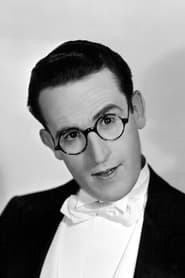 Harold LloydHarold 'Speedy' Swift
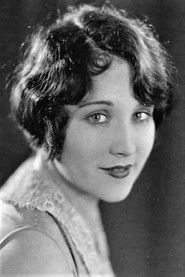 Ann ChristyJane Dillon
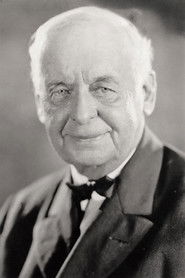 Bert WoodruffPop Dillon
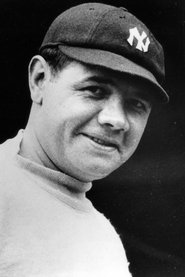 Babe RuthBabe Ruth
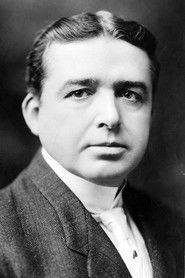 Byron DouglasW.S. Wilton
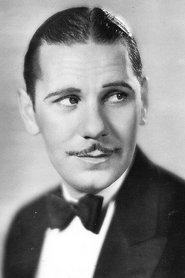 Brooks BenedictSteve Carter
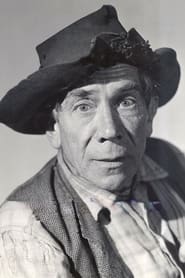 Ernie AdamsBaseball Concessionaire (uncredited)
 James Bradbury Jr.Chauffeur (uncredited)
 Edna Mae Cooper(uncredited)
 Josephine CrowellLady in Car (uncredited)
- Andy De VillaTraffic Cop (uncredited)
 Jimmy DimeTough (uncredited)
Recommended by
Our Hospitality, Battling Butler, Rough Seas, Girl Shy, Tell It to the Marines