
Film
Rough Seas
- Comedy
- Light-hearted
A 1931 slapstick short where Charley Chase smuggles his French girlfriend aboard a ship home from WWI, cranking out comedy from the chaos of hiding her, dodging officers, and navigating shipboard chaos. Pure physical comedy—pratfalls, timing, and absurdity. For anyone who loves silent and early-talkie shorts, or wants to see where movies learned to be funny.
Should you watch it?
Watch it if you enjoy slapstick built on a single escalating mess, where a small lie snowballs through a ship full of gags and one good-natured man keeps digging deeper.
Skip it if you want sharp dialogue or a story that moves beyond its premise, since this short leans almost entirely on physical bits and the familiar pratfalls of early sound-era comedy.
What it asks of you: Twenty-seven minutes of unhurried, cheerful nonsense, with a few setups that take a while to pay off and no real emotional weight to carry you through them.
Not sure? Find tonight's pick in a minute.
If you liked this
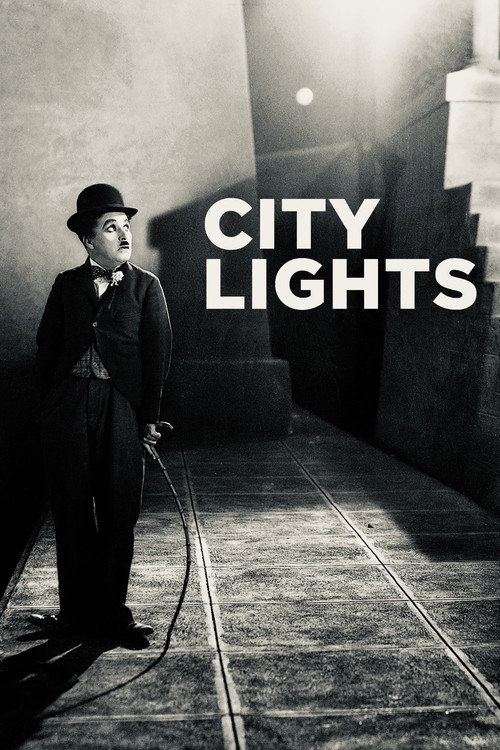
City Lights1931
Chaplin at his absolute peak: romance, pathos, and comedy so perfectly balanced it still moves you. Released the same year as Rough Seas, it shows what the form could do when genius got behind it.
But Silent film pacing feels glacial if you're used to modern cuts. The sentimentality can feel heavy-handed on first viewing.
It's a Gift1934
W.C. Fields destroying everything around him with magnificent contempt. The comedy is meaner and nastier than Chase—Fields plays a man genuinely at war with the world, and it's hilarious.
But Fields' comedy relies on him being unlikeable. If you want a likeable protagonist, this isn't it. Also very episodic.

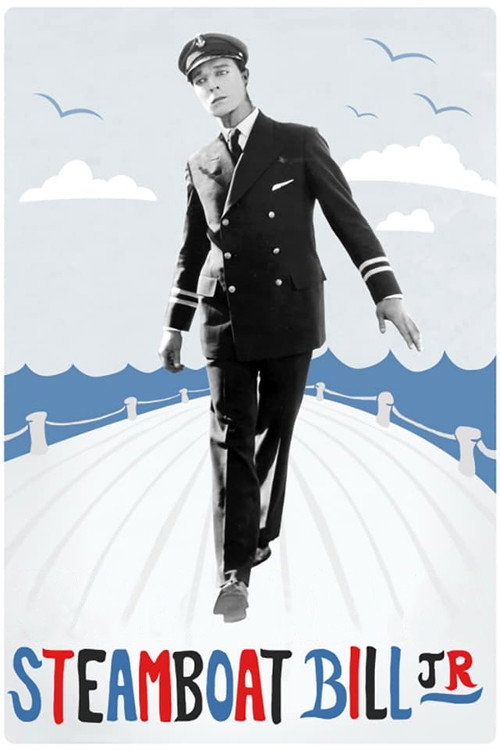
Steamboat Bill, Jr.1928
Buster Keaton's masterpiece of physical comedy. A flood sequence where he's literally crushed and swept through sets you won't forget. Pure cinema, barely a story, just mayhem and genius.
But The tone is cold—Keaton's face never cracks, which some find distant. The stunts are real and sometimes feel reckless rather than fun.
Not sure tonight? Get a pick in a minute, starting from Rough Seas
The wildcard
Something you would not have found on your own.
Pandora's Box1929
Both are 1929-1931 films where the protagonist's presence creates shipwrecks around them, but one is frantic comedy and one is tragedy. Watching them back-to-back shows you the range of silent cinema in those final years.
Louise Brooks and German Expressionism collide with a tragic, seductive character who destroys everyone around her. Dark, sexual, utterly modern—the opposite of Rough Seas' cheerful mayhem, but the same era solving entirely different problems.
But It's bleak and sexually explicit for 1929. Brooks' character doesn't repent or reform. If you want moral clarity, you won't find it.

More like this (7)
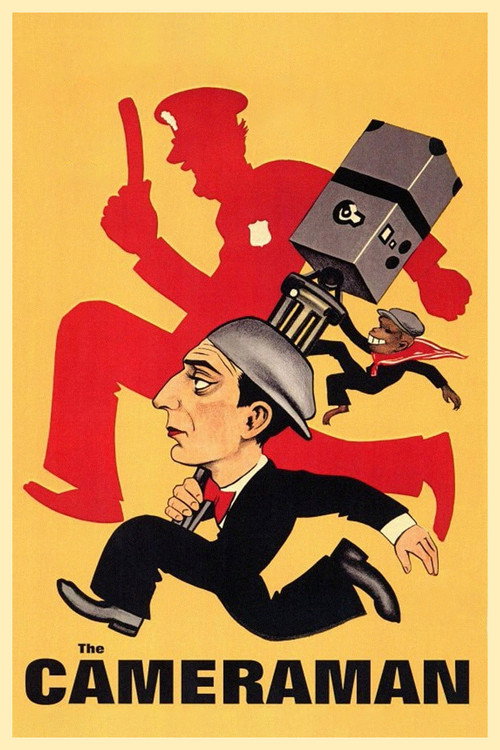
The Cameraman1928
Keaton again, this time with warmth and a real love story woven through the gags. Romantic, funny, and technically miraculous. A perfect short feature.
But If you haven't seen Keaton, his deadpan delivery takes adjustment. Some modern viewers find it slow.
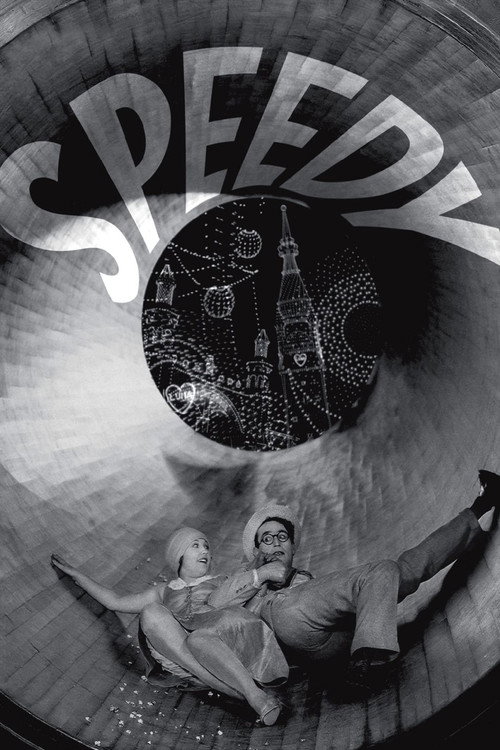
Speedy1928
Harold Lloyd's last silent feature: a love story wrapped in a frenetic New York speedway of sight gags and stunts. Feels fresher and faster than other silent comedies, almost modern.
But Lloyd's optimistic everyman can feel saccharine if you're in a darker mood. The sentiment occasionally swamps the comedy.
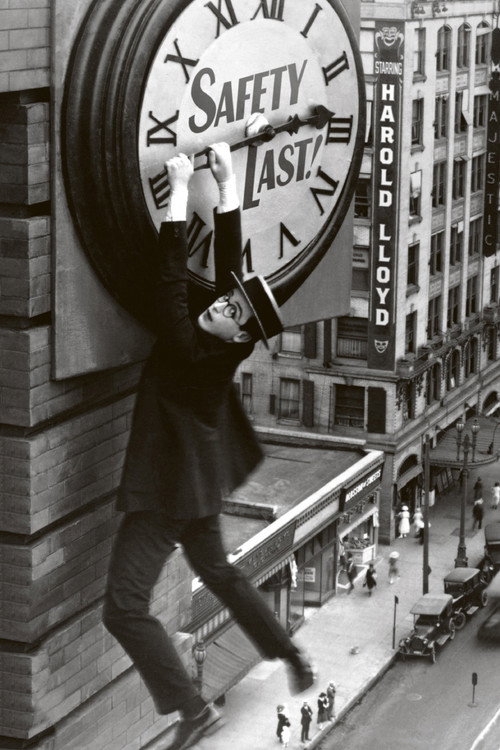
Safety Last!1923
Lloyd hanging from a clock on a skyscraper. The famous image you've seen a hundred times, but the film around it is genuinely funny and surprisingly touching about ambition and honesty.
But The clock scene is the peak; the rest of the film is good but doesn't quite reach that moment. Feels padded getting there.
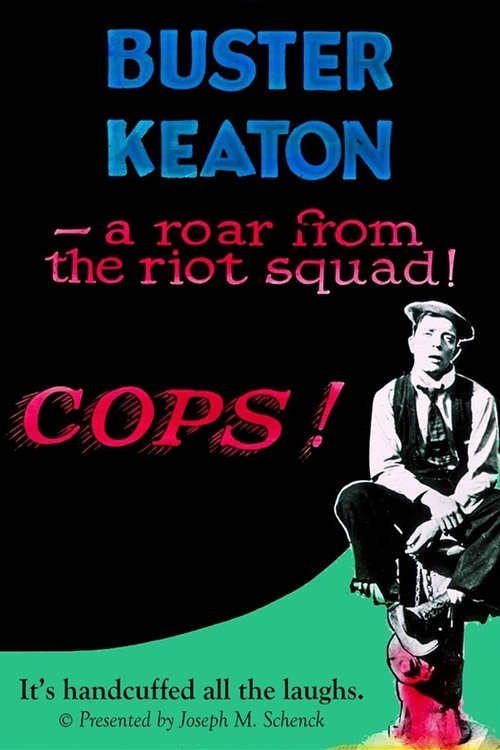
Cops1922
Chaplin at maximum mischief—a 17-minute sprint where he accidentally unleashes an entire police force on himself. Pure physical storytelling, almost no dialogue needed.
But Very repetitive. Once you see the joke (Chaplin causes chaos everywhere), the twenty-minute structure can feel thin.
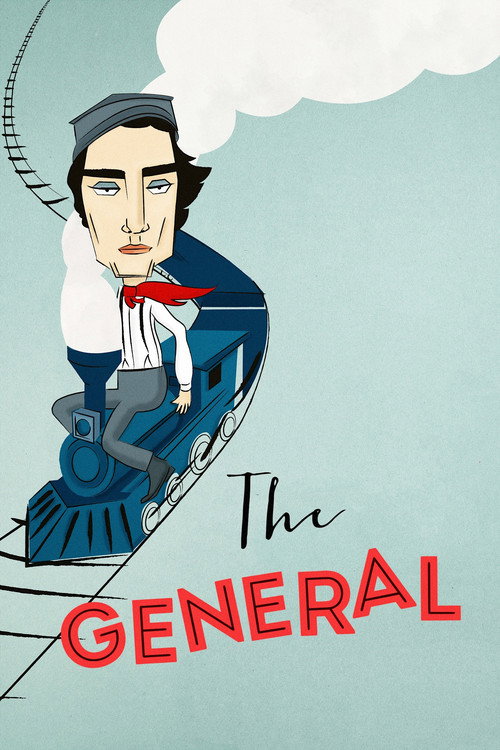
The General1926
Keaton versus a train during the Civil War. Jaw-dropping action disguised as comedy. Literally invented modern action filmmaking while being genuinely funny about it.
But The Civil War setting treats the Confederate side sympathetically, which is deeply uncomfortable. The comedy and craft don't redeem that.
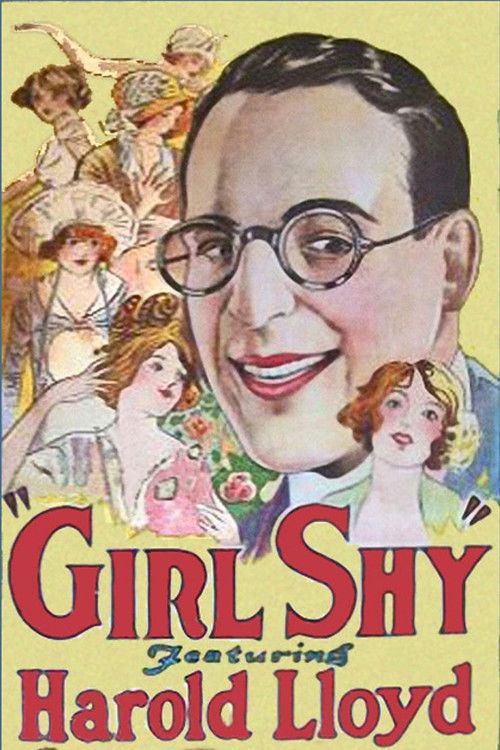
Girl Shy1924
Lloyd running through Los Angeles trying to stop a wedding. Looser, less technically perfect than Safety Last, but the chases are joyful and the romantic plot actually lands.
But Technically rough compared to his other features. The middle sags. Less iconic, so less rewarding if you're chasing a particular image.
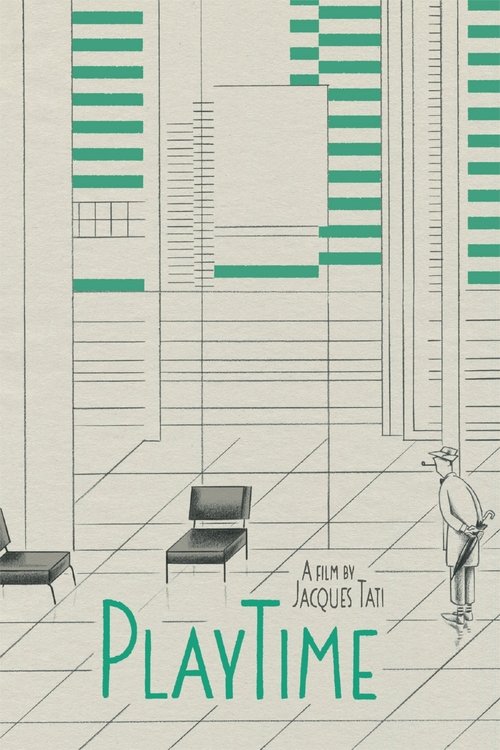
PlayTime1967
Both films are about watching bodies move through space with precision and timing. Tati learned from directors like Chase—the connection is direct lineage, but Tati slowed everything down and took the slapstick out of the action.
Jacques Tati built an entire miniature city just to film two hours of people navigating it. Not slapstick—too deliberate and architectural for that—but pure visual comedy with zero dialogue. Totally unique and endlessly rewatchable.
But Modern audience reviews call it 'slow' and 'plotless' constantly. If you need a story engine, this is abstract observation. It's meditative, not frantic.
People
Cast
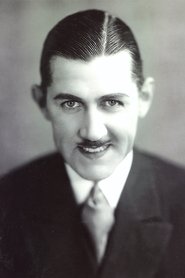 Charley ChasePvt. Charley Chase
 Thelma ToddAntoinette
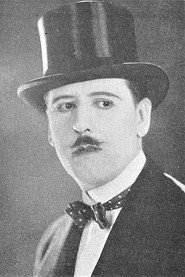 Carlton GriffinLieutenant
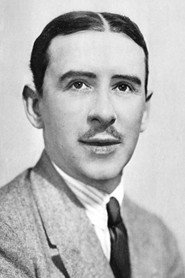 Jimmie AdamsPvt. Jimmie Adams
- Frank GagePvt. Frank Gage
- Marvin HatleyPvt. Marvin Hatley
- Vern TrimblePvt. Vern Trimble
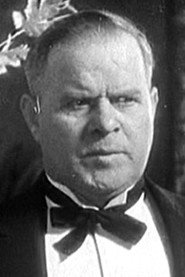 Harry BernardOfficer on Deck (uncredited)
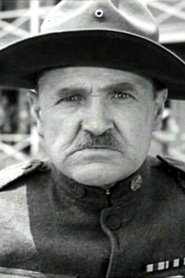 Frank BrownleeShip's Captain (uncredited)