
Film
College
- Romantic comedy
- Light-hearted
Buster Keaton's silent comedy about a studious boy who discovers that brains alone won't win the girl—he'll need athletic prowess too. It's a love letter to physical comedy and the absurdity of college life, built on escalating sight gags and Keaton's deadpan perfection. Essential viewing for anyone who thinks silent film is quaint rather than thrilling.
If you liked this
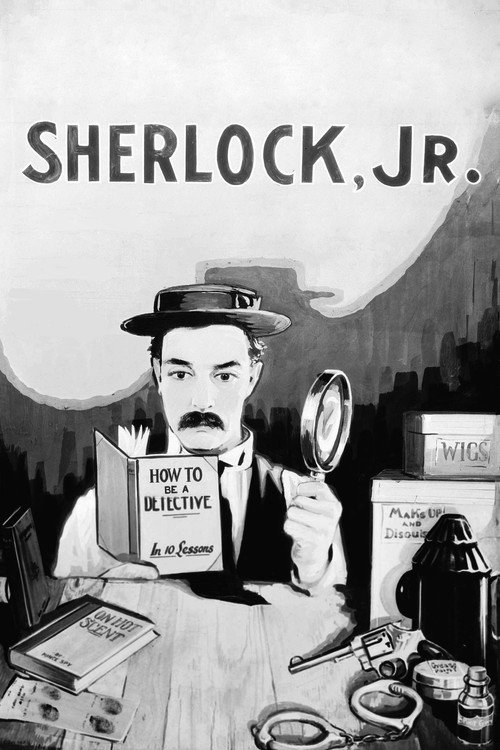
Sherlock Jr.1924
Keaton at his inventive peak: a projectionist dreams himself into a film and must solve a mystery through increasingly impossible stunts. The gags are structurally perfect, designed to explore what bodies can do on camera.
But It's very short and very old, and if you need plot to stay engaged, the premise might feel thin.
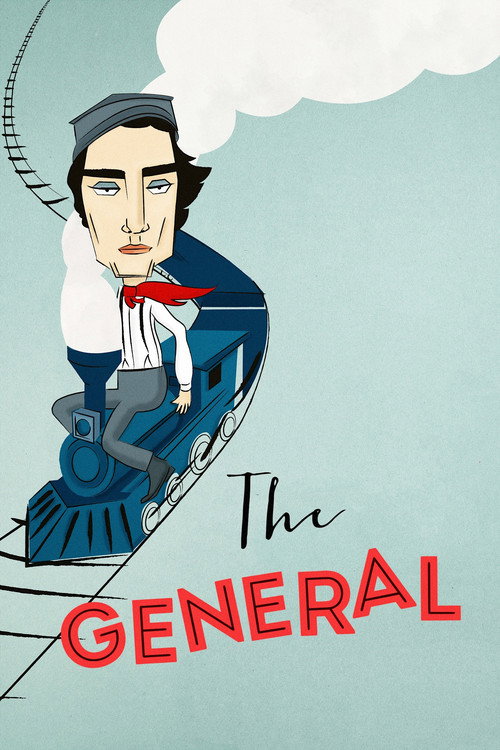
The General1926
Keaton performs impossibly dangerous stunts on a moving train, all for love and the Confederacy. A masterclass in how to make machine-scale action comedy sing without dialogue or special effects.
But It's a Civil War film that roots for the South. The historical politics are uncomfortable, even if the filmmaking transcends them.
Singin' in the Rain1952
Gene Kelly and Donald O'Connor inherit the silent era's physical vocabulary and run with it into the sound age. Pure joy, pure craft, and genuinely funny without punching down.
But It's a musical romance. If that formula bores you, the technical brilliance might not save it.

Not sure tonight? Get a pick in a minute, starting from College
The wildcard
Something you would not have found on your own.
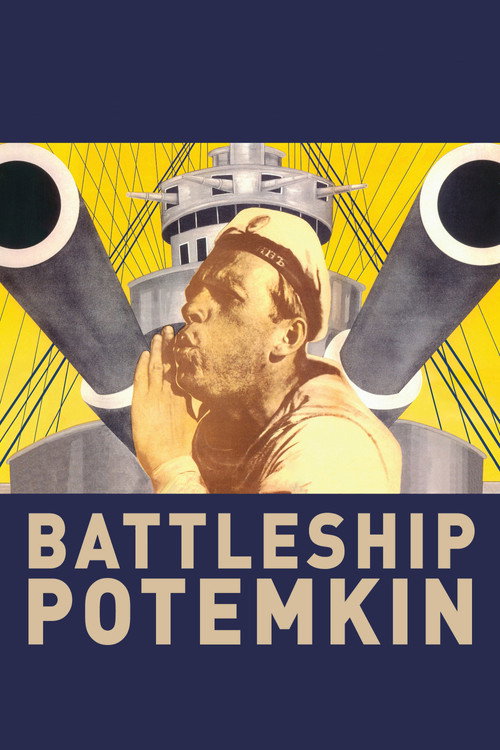
Battleship Potemkin1925
Both are 1920s silent films that prove cinema could be art without sound. Where Keaton builds meaning through physical space and the body, Eisenstein builds it through cutting and collision. Both are about escape—one personal, one political.
Sergei Eisenstein's Soviet masterpiece about a ship's mutiny—a technical revolution in how to use montage to create meaning and emotion. It's the opposite of Keaton's approach to cinema: abstract, intellectual, almost mathematical.
But It's a Soviet propaganda film with no dialogue and an entirely different visual language. Challenging to watch, and slow if you're expecting narrative momentum.
More like this (8)
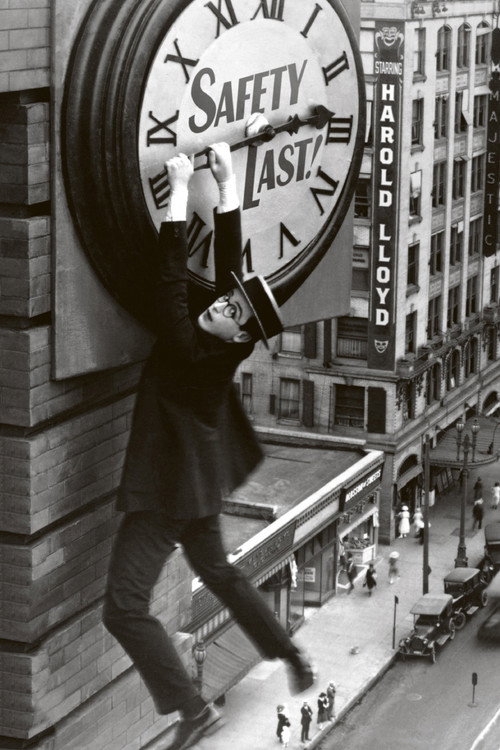
Safety Last!1923
Harold Lloyd hangs from a clock on the side of a building. Genuinely, actually does it. The film is a love story and a comedy about ambition, held together by the most audacious stunt ever filmed.
But Lloyd's comedy is broader than Keaton's, and the romantic plot is pretty thin stuff.
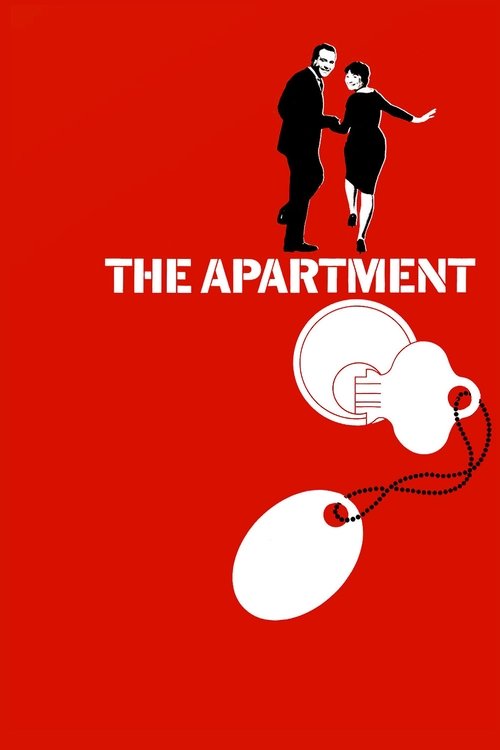
The Apartment1960
A young office worker loans his apartment to executives for affairs to climb the ladder, then falls for the woman his boss uses it for. Romantic comedy with genuine heartbreak and social observation underneath.
But It's long and occasionally melodramatic, and the sexual politics, while progressive for 1960, show their age.
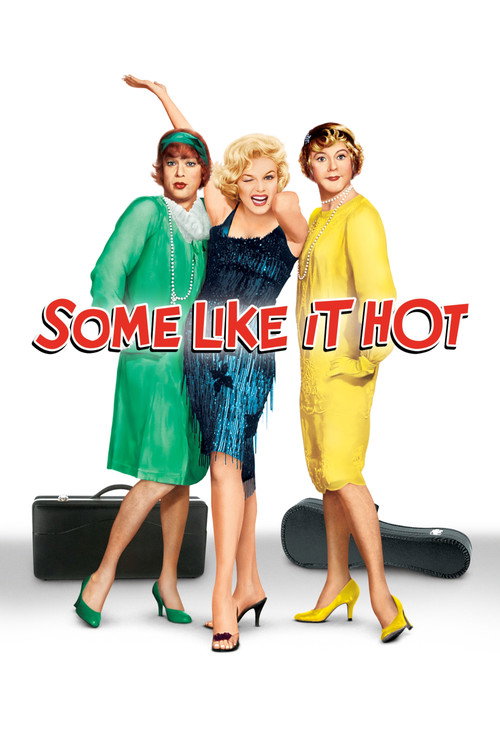
Some Like It Hot1959
Two musicians witness a murder and flee Chicago disguised as women in an all-female orchestra. Perfectly constructed farce with real sentiment, and it holds up because the script is airtight.
But It's a Marilyn Monroe film from an era with real gender politics problems. Some of the jokes haven't aged well.
It Happened One Night1934
A reporter and a runaway heiress fall in love while hitchhiking to New York. Romantic comedy made with such style and pace that it still feels modern—the prototype for the screwball era.
But The early sound recording makes dialogue a bit muddy, and the class comedy might read as condescending now.

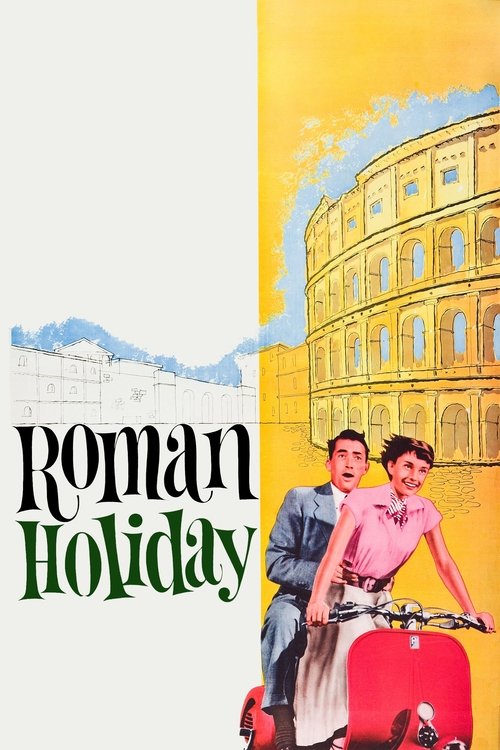
Roman Holiday1953
A runaway princess and an American journalist spend one day in Rome. Audrey Hepburn's charm and Gregory Peck's warmth carry what could be a thin script into something genuinely affecting.
But It's treacly and aristocratic in its romance. The plot is almost nothing—a day in the city and then goodbye.
Breakfast at Tiffany's1961
Audrey Hepburn as a New York woman who reinvents herself constantly, pursued by a writer who sees through the act. It's about identity, reinvention, and finding where you belong.
But The Mickey Rooney character is a genuinely racist caricature that no amount of style can redeem. And it's more style than substance.

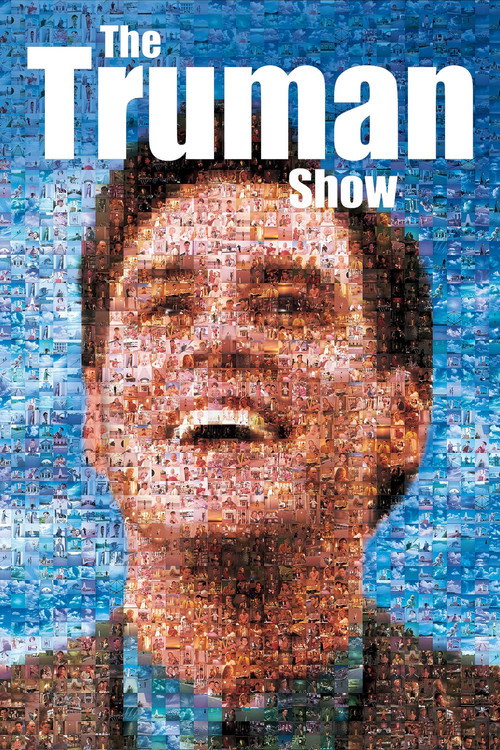
The Truman Show1998
Both are about a young man trapped in a game designed by institutional authority, trying to prove himself to win approval and love. Both are comedies about the performance of masculinity. The difference: Keaton tries to join the system, Carrey tries to escape it.
Jim Carrey plays a man in a constructed world, unaware he's in a TV show. It's a sci-fi premise about performance, reality, and the cost of other people's entertainment—made as a broad comedy that gets genuinely philosophical.
But It's 1990s Jim Carrey, which means rubber-faced mugging. If you hate his performance style, this won't convert you.
Tokyo Story1953
Both use the college/family setting to ask what we owe each other and what it means to grow up. Keaton's answer is energetic and American—try harder, prove yourself through action. Ozu's answer is quiet and Japanese—accept what you cannot change. The same emotional landscape, opposite solutions.
Yasujirō Ozu's film about elderly parents visiting their children in Tokyo—nothing happens, everything happens. It's about connection, disappointment, time, and the quiet courage of ordinary life. Visual poetry with no plot.
But It's slow, Japanese, and from 1953. No jokes, minimal drama, and it demands patience. It's a film about accepting that life doesn't resolve itself.

People
Cast
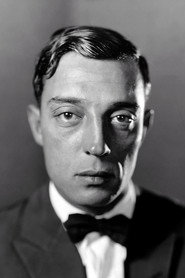 Buster KeatonRonald, The Boy
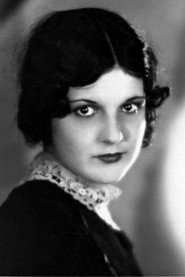 Anne CornwallMary Haynes, The Girl
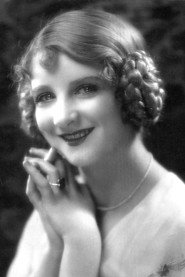 Flora BramleyMary's friend
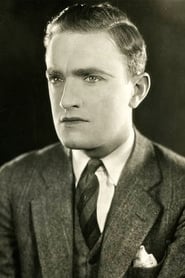 Harold GoodwinJeff Brown, A rival
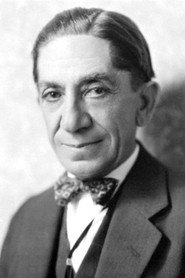 Snitz EdwardsThe Dean
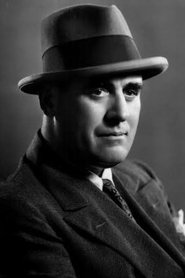 Carl HarbaughCrew Coach
- Sam CrawfordBaseball Coach
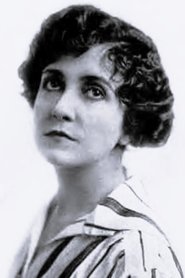 Florence TurnerA Mother
 Lee BarnesUSC Athlete (uncredited)
- Robert BolingUSC Athlete (uncredited)
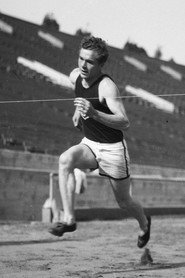 Charley BorahUSC Athlete (uncredited)
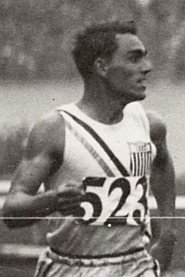 Leighton DyeUSC Athlete (uncredited)
Directing
- Buster KeatonDirector
- James W. HorneDirector
Writing
- Bryan FoyWriter
- Carl HarbaughWriter
Production
- Joseph M. SchenckProducer
- Harry BrandProduction Supervisor