
Film
The Play House
A 24-minute silent comedy where Buster Keaton, playing every role from orchestra to audience to stage manager, orchestrates a fever dream of theatrical chaos. It's virtuosic physical comedy built on a single brilliant premise, executed with Keaton's trademark deadpan precision. For anyone who loves pure inventiveness and wants to see silent film at its most playful.
If you liked this
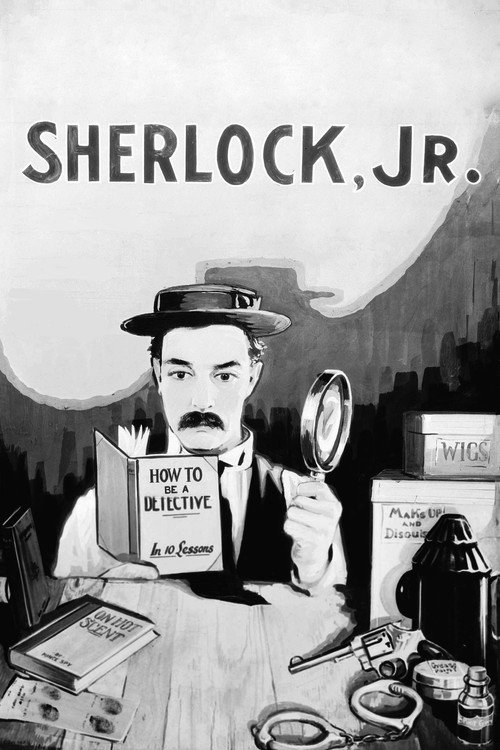
Sherlock Jr.1924
Keaton plays a projectionist who literally enters a film, creating surreal set pieces and impossible logic. It's another showcase of his geometric genius, building comedy from the physics of the impossible with the same relentless ingenuity.
But The narrative is thin and exists mainly as scaffolding for gags. If you want character development or emotional stakes, you're watching the wrong film.
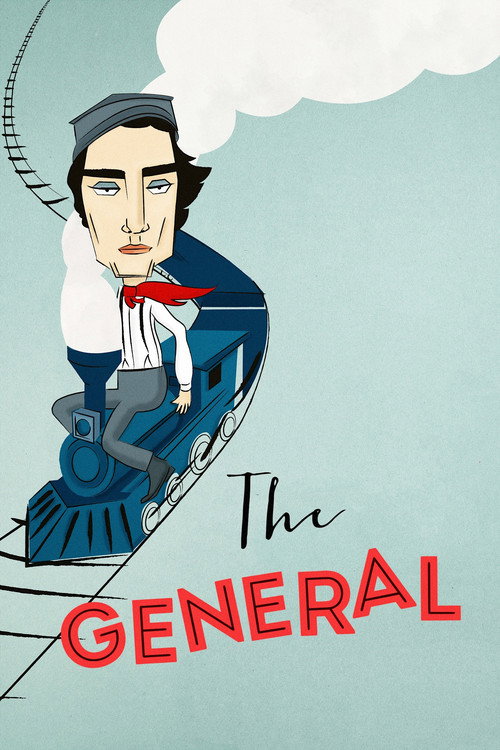
The General1926
Keaton's masterpiece: a Civil War chase film where he's a train engineer, deadpan through destruction, performing stunts that still look impossible. Every frame is composed like a painting; every gag lands like clockwork.
But It's longer and slower than The Play House, and some of the Civil War framing feels dated. The comedy is architectural rather than laugh-out-loud funny.
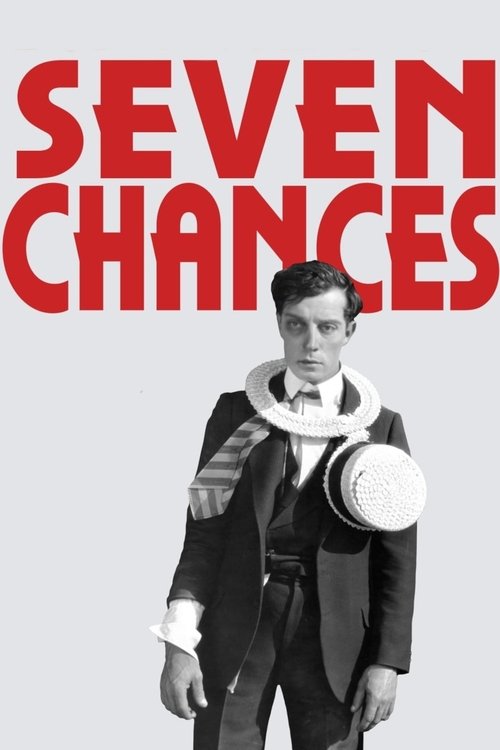
Seven Chances1925
Keaton must propose to a stranger before midnight to inherit a fortune. The premature is absurd, the escalation is relentless, and the finale—Keaton running from an avalanche of boulders—is genuinely spectacular.
But The plot is threadbare and occasionally uncomfortable by modern standards. It exists mainly as an excuse for increasingly elaborate physical comedy.
Not sure tonight? Get a pick in a minute, starting from The Play House
The wildcard
Something you would not have found on your own.
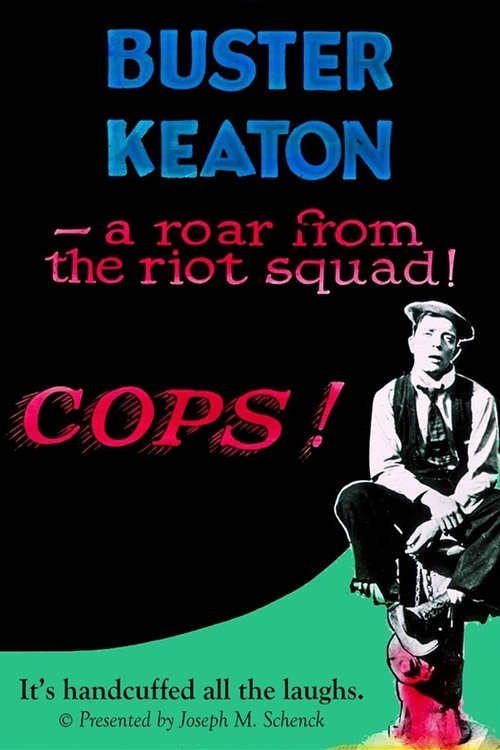
Cops1922
Both compress Keaton's genius into minimal runtime. The Play House uses doubling and theatrical space; Cops uses pursuit and urban space. Both prove that Keaton's comedy is fundamentally about structure, not personality.
Keaton alone against an entire police department in a nine-minute sprint of escalating chaos. It's pure momentum, a feedback loop of cause and effect where Keaton is an innocent bystander accelerating toward catastrophe.
But There is virtually no plot, character, or meaning. It's mechanics without substance, and if you don't find the rhythm of failure beautiful, it's just tedious.
More like this (7)
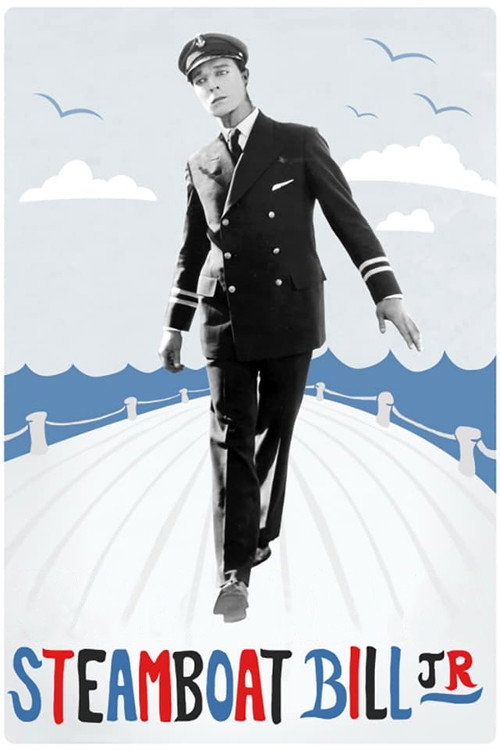
Steamboat Bill, Jr.1928
Keaton, reunited with Joe Buster Keaton collaborator Charles Chaplin's rival, delivers his greatest stunts: a famous scene where a falling building facade narrowly misses him is breathtaking and genuine.
But It's more slapstick and less conceptually clever than his best work. If you prefer idea-driven comedy, the stunt obsession might feel gratuitous.
Variety1925
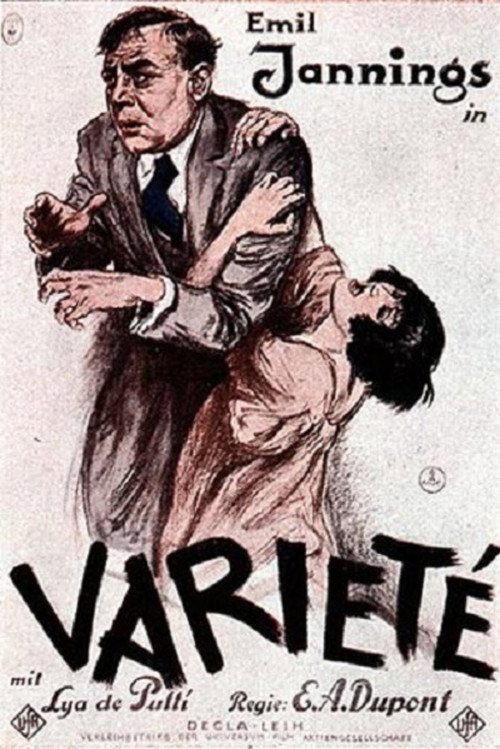
German Expressionism meets the circus. Emil Jannings is magnetic as a trapeze artist; the camerawork is genuinely innovative and the emotional stakes are real—passion, betrayal, and obsession in the ring.
But It's heavy, sometimes melodramatic, and occasionally stodgy. The silent theatrical acting style will feel overwrought if you're not in the mood.
Pandora's Box1929
Louise Brooks as the most dangerous woman in cinema, gliding through a Weimar nightmare of desire and destruction. G.W. Pabst's direction is masterful; Brooks' performance is mythic and utterly modern.
But It's bleak and tragic, not comedic. Watching beauty and chaos spiral downward is not everyone's idea of entertainment.

Battleship Potemkin1925
Sergei Eisenstein's revolutionary montage technique redefined cinema. It's visceral, politically urgent, and the Odessa Steps sequence remains one of cinema's most powerful passages.
But It's a Soviet propaganda film about mutiny, heavy with ideology and distance. The technique is extraordinary; the emotional experience is austere.

The Phantom Carriage1921
Swedish supernatural drama with stunning visual effects for its era. A man condemned to drive death's carriage confronts his wasted life; it's genuinely eerie and emotionally complex.
But It's slow-paced, serious, and bleak. The special effects, while impressive historically, lack the immediacy of modern cinema.

Man with a Movie Camera1929
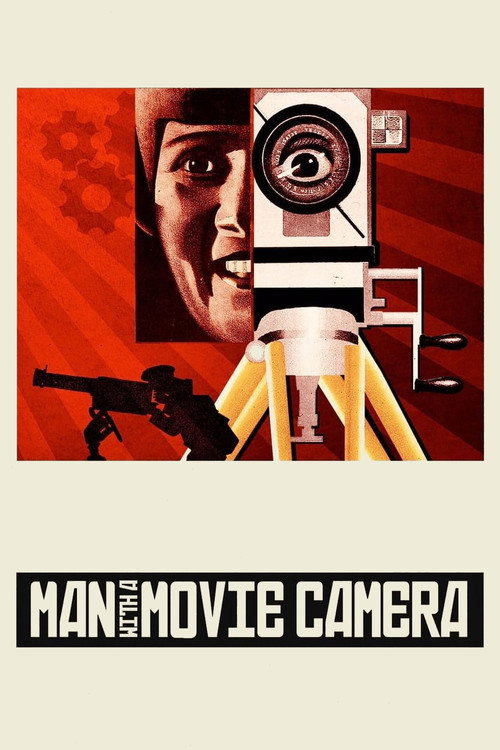
Both use film itself as the subject. The Play House is about theater performing itself; Man with a Movie Camera is about cinema observing itself. Both use the apparatus—doubling, editing, repetition—to make form the content.
Dziga Vertov's documentary symphony of Soviet life is a formal experiment: the camera sees everything, the editing creates meaning, the city becomes a character. It's exhilarating, innovative cinema that still feels radical.
But It has no narrative, no characters, no plot. If you need story, this will feel like watching an avant-garde installation rather than a film.
Meshes of the Afternoon1943
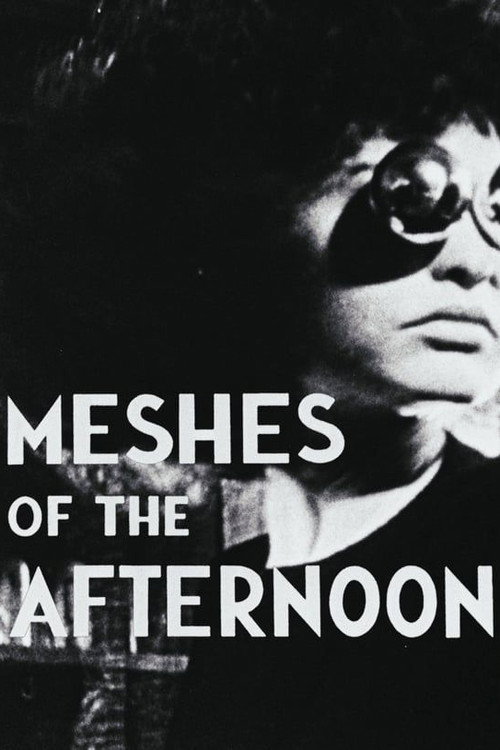
Both are dream-logic films about identity fragmentation. The Play House populates the world with Keatons; Meshes populates it with Derens. Both use doubling to explore how cinema can shatter a unified self.
Maya Deren's 14-minute experimental film is dreamlike and hypnotic: a woman enters a house and encounters fractured versions of herself. It's haunting, surreal, and genuinely disorienting in the best way.
But It's avant-garde and abstract. There's no conventional plot or logic; it exists in the language of dreams and symbolism, which many will find impenetrable.
People
Cast
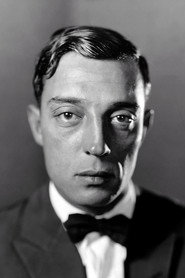 Buster KeatonOrchestra / Minstrels / Dancers / Audience / Stagehand
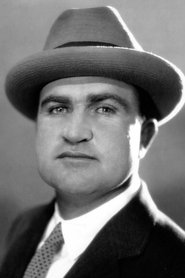 Edward F. ClineOrangutan Trainer (uncredited)
 Virginia FoxTwin (uncredited)
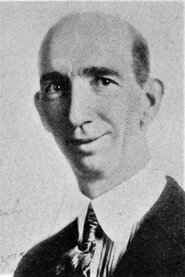 Joe MurphyOne of the Zouaves (uncredited)
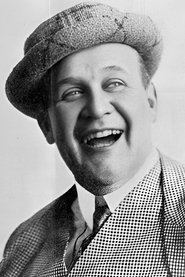 Joe RobertsActor / Stage Manager (uncredited)
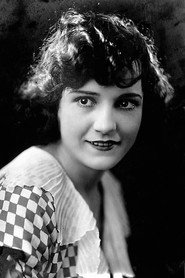 Sybil SeelyTwin (uncredited)
Directing
- Buster KeatonDirector
- Edward F. ClineDirector
Writing
- Buster KeatonWriter
- Edward F. ClineWriter
Production
- Joseph M. SchenckProducer