
Film
Sons of the Desert
- Slapstick
- Light-hearted
A Laurel and Hardy masterpiece about two bumbling men who lie to their wives about a cruise to sneak off to a convention. It's pure physical comedy: precision-crafted slapstick, brilliant timing, and a perfect balance of sympathy and chaos. For anyone who loves silent-era comedians or wants to understand why these two remain the gold standard.
Should you watch it?
Watch it if you find the slow-building mischief of two bumbling friends dodging their wives a joy, and enjoy classic physical comedy where small escalating errors snowball.
Skip it if you need fast-paced modern gags or sharp dialogue, since this 1933 comedy moves at its own leisurely rhythm and leans on broad, sometimes dated slapstick.
What it asks of you: A brisk hour and five minutes, but you have to let the pratfalls land on their own schedule, and it rewards close watching of faces more than quick cuts.
Not sure? Find tonight's pick in a minute.
If you liked this
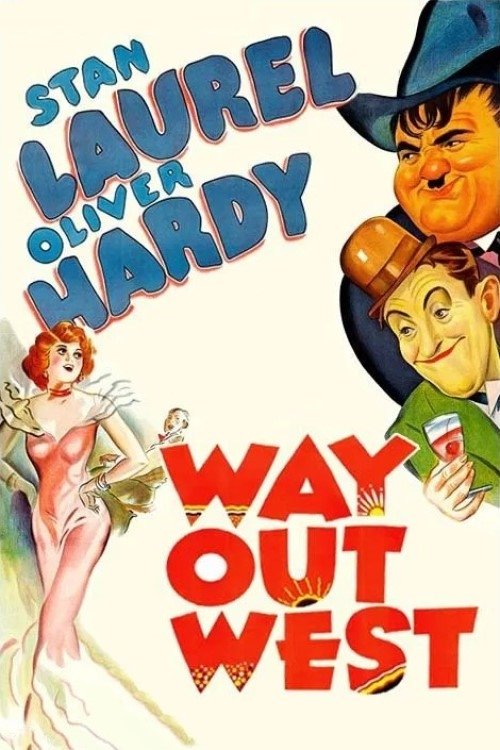
Way Out West1937
Laurel and Hardy at their absolute peak, with their most elaborate physical sequences and a genuine sweetness beneath the destruction. This is the one to start with if you're new to them.
But The humor is almost entirely visual and slapstick; if you need witty dialogue or plot, you'll feel adrift.
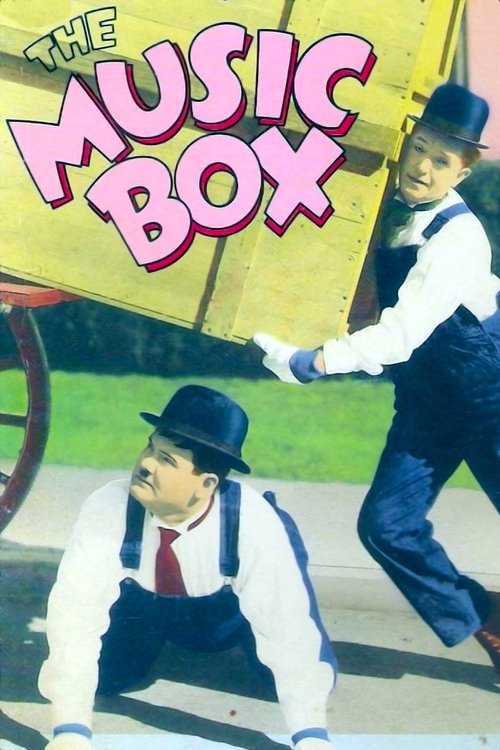
The Music Box1932
An Oscar-winning short about two men trying to move a piano up a staircase. Every single gag lands perfectly. Comedy doesn't get more mechanical or more beautiful than this.
But It's only 30 minutes, and once you've seen it, the joke—however brilliant—doesn't surprise again on rewatch.
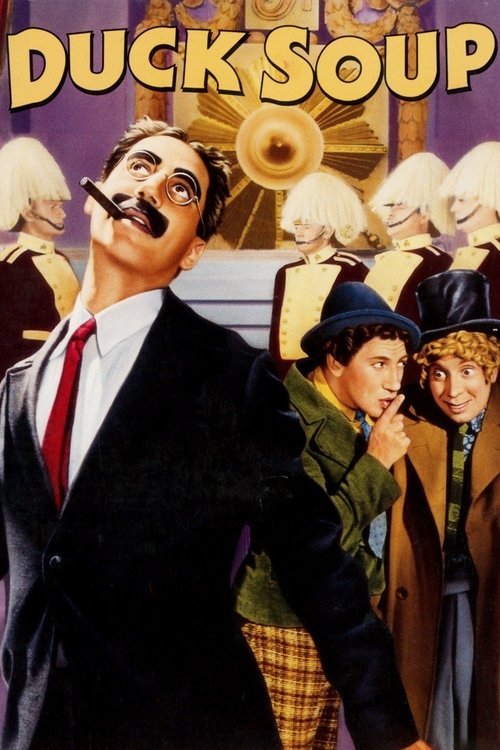
Duck Soup1933
The Marx Brothers in their sharpest political satire, with rapid-fire wordplay and absurdist logic. Released the same year as Sons of the Desert, it shows how differently comedy could work.
But The anarchic pacing can feel chaotic if you're not in the mood; the humor is more cerebral and less warm than Laurel and Hardy.
Not sure tonight? Get a pick in a minute, starting from Sons of the Desert
The wildcard
Something you would not have found on your own.
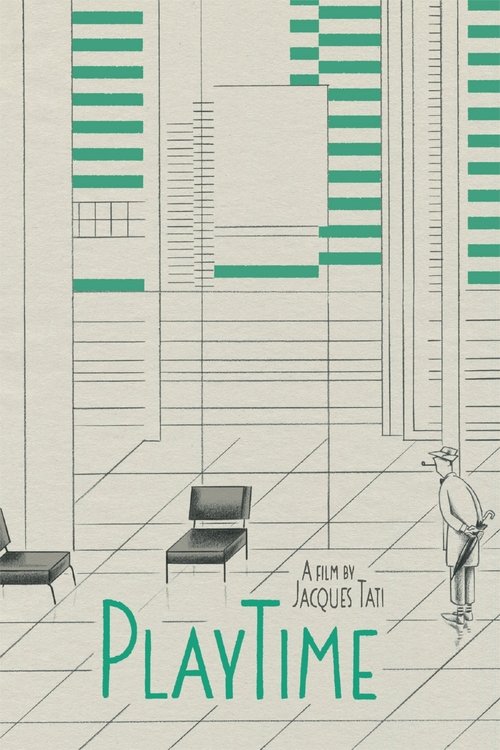
PlayTime1967
Both use physical comedy as a language; both are about ordinary men overwhelmed by circumstance and things that refuse to cooperate. Both require you to look at the entire frame.
Jacques Tati's masterly comedy about a world of modern surfaces and mechanical confusion. Like Laurel and Hardy, it's about two men lost in systems larger than themselves, played entirely through physical comedy and sight gags. Not a single word of dialogue matters.
But It's 124 minutes of patience required; if you need plot or dialogue, it will feel like watching paint dry. Tati's humor is colder and more pessimistic.
More like this (8)
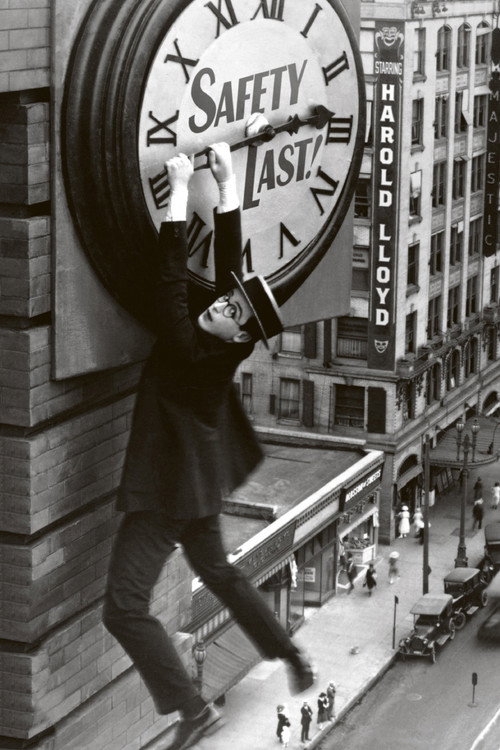
Safety Last!1923
Harold Lloyd climbing a skyscraper in real stunts. Pure suspense-comedy that influenced Laurel and Hardy's own style. A revelation if you thought silent comedy was just pie-throwing.
But Lloyd's character is a vain hustler, less sympathetic than Stan and Ollie; the romance subplot drags occasionally.
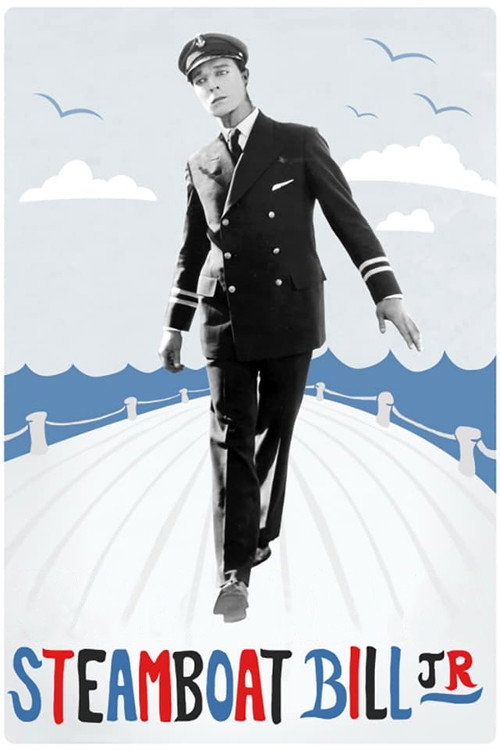
Steamboat Bill, Jr.1928
Buster Keaton's masterpiece of timing and deadpan physical comedy, with a flood sequence that's genuinely spectacular. The emotional core makes it more than gags strung together.
But Keaton's stone face and minimalist approach is the opposite of Laurel and Hardy's reactive mugging; some find it cold.
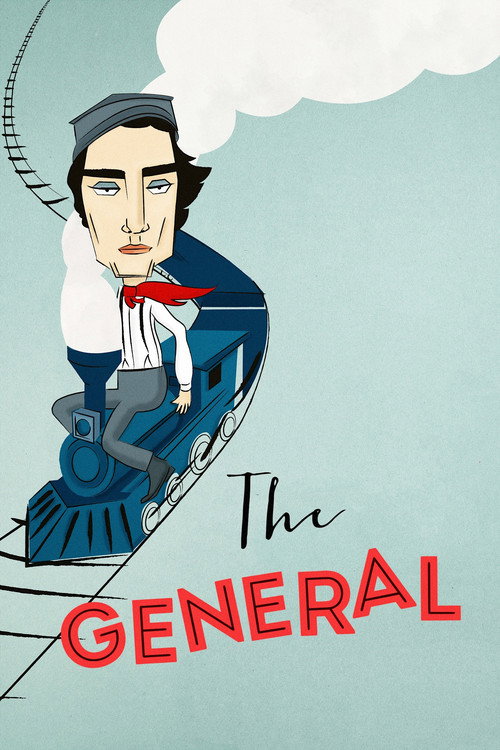
The General1926
Buster Keaton performing impossible stunts on a moving train while keeping perfect comedic timing. It's slapstick elevated to cinema art, with a real plot and emotion woven through.
But At 75 minutes, it's longer and more ambitious than short-form comedy; the Civil War setting confuses some modern viewers.
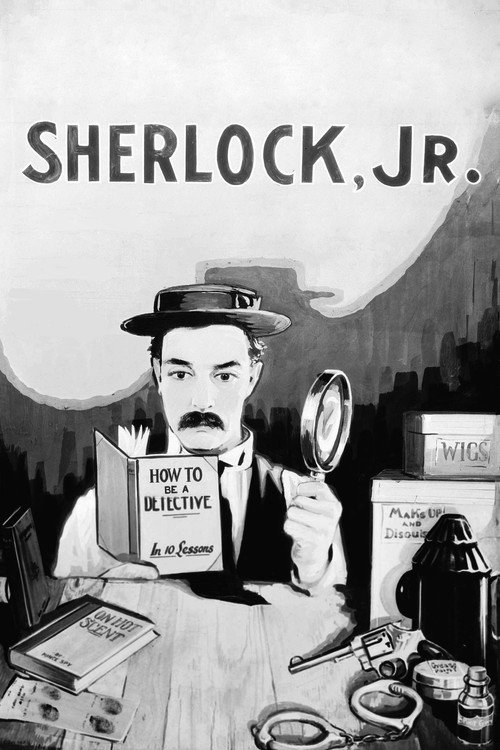
Sherlock Jr.1924
Keaton dreams himself into a movie within the movie. The visual inventiveness is staggering, and the romance actually matters. Pure cinema, impossible to describe without watching.
But The second half is technically dazzling but looser than the first; the emotional climax feels tacked on to some.
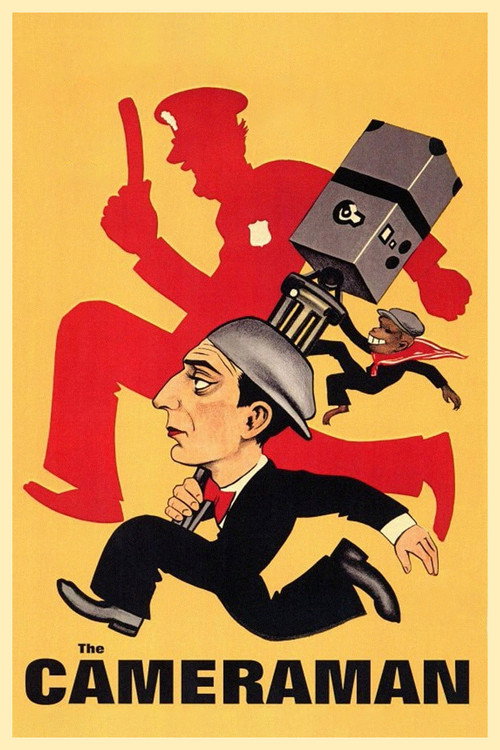
The Cameraman1928
Keaton as a bumbling cameraman trying to impress a girl. It's slapstick with genuine pathos, proving silent comedy could break your heart while you're laughing.
But The first half is better than the second; the sentimental ending undercuts the purity of the physical comedy for some viewers.
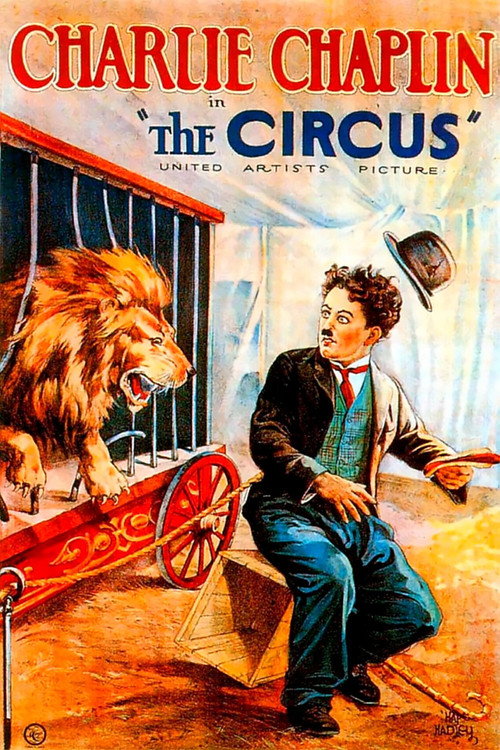
The Circus1928
Charlie Chaplin's Little Tramp in a circus setting, mixing acrobatic gags with surprising melancholy. A bridge between pure slapstick and Chaplin's later emotional depth.
But It's uneven—some sequences drag, and Chaplin's self-pitying persona grows tiresome if you're not already devoted to him.
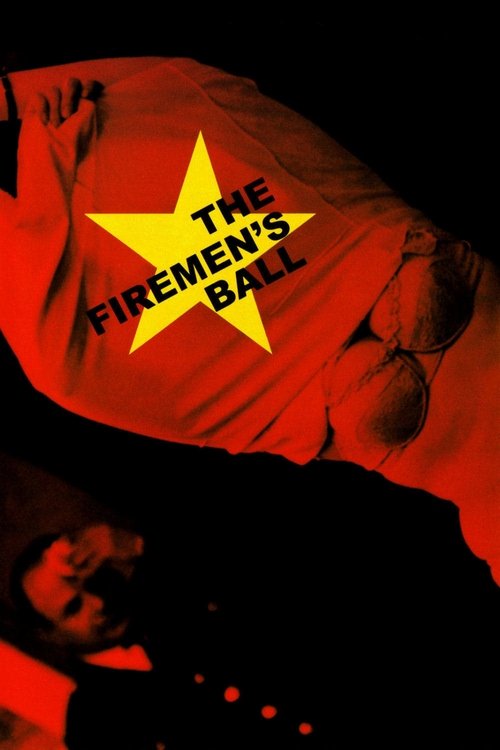
The Firemen's Ball1967
Both celebrate the dignity of bumbling; both find comedy and pathos in the same moment without separating them into 'funny' and 'serious' scenes.
Miloš Forman's pitch-black comedy about a small-town fire brigade's festival. It shares Laurel and Hardy's warmth toward hopeless, well-meaning men, but adds bitter Czech humor and real social stakes. Hilarious and quietly devastating.
But It's a tonal whiplash if you're expecting pure fun; the tragedy underneath the comedy is genuine, and not everyone wants that mix.
Synecdoche, New York2008
Both are about well-intentioned men whose schemes spiral into elaborate disasters; both find the humanity in failure and confusion. Both believe in the dignity of trying hard and failing spectacularly.
Charlie Kaufman's fever dream about a theater director staging an increasingly elaborate production. It's about men chasing something they can't articulate, creating chaos in their wake. Ambitious, strange, and funnier than you'd expect from someone this ambitious.
But It's a three-hour puzzle box that doesn't solve itself; if you watch it looking for a coherent plot or comfort, you'll feel lost and frustrated.

People
Cast
 Stan LaurelStanley 'Stan' Laurel
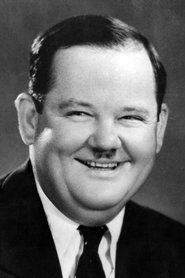 Oliver HardyOliver 'Ollie' Hardy
 Mae BuschMrs. Lottie Hardy
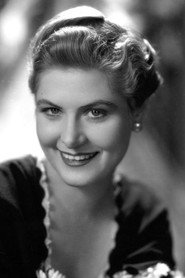 Dorothy ChristyMrs. Betty Laurel
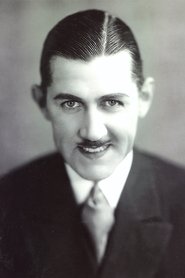 Charley ChaseCharley
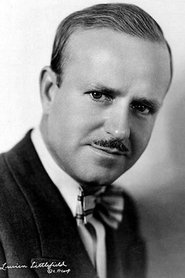 Lucien LittlefieldDr. Horace Meddick
- Ernie AlexanderWaiter (uncredited)
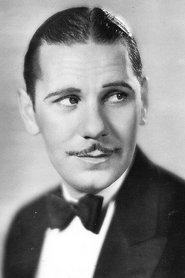 Brooks BenedictA Son of the Desert (uncredited)
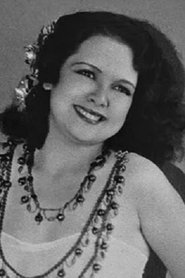 CharitaLead Hula Dancer (uncredited)
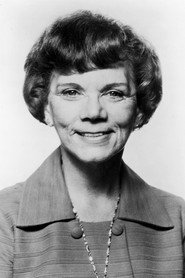 Ellen CorbyPartygoer at Table Next to Charley's (uncredited)
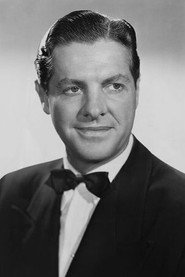 Robert CummingsSteamship Announcement Witness (uncredited)
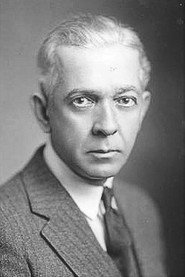 John ElliottExalted Ruler (uncredited)
Directing
- Chet BrandenburgAssistant Director
- Lloyd FrenchAssistant Director
- Byron MorganContinuity
- William A. SeiterDirector
Writing
- Frank CravenStory
- Charley ChaseWriter
- Eddie WelchWriter
- Frank TerryWriter
- Glenn TryonWriter
- Hal RoachWriter
- Jack BartyWriter
- Oliver HardyWriter
- Stan LaurelWriter
- William A. SeiterWriter
Production
- Lawrence TarverCasting
- Hal RoachProducer
Recommended by
Step Brothers, Le Million, Way Out West, Hollywood Party, Our Relations, Merry Go Round of 1938