
Film
Our Relations
- Slapstick
- Light-hearted
A 1936 Laurel and Hardy masterpiece where the boys play dual roles: respectable married men and their raffish sailor twins. The collision of identities spirals into escalating chaos—mistaken appointments, jealous spouses, criminal misunderstandings—all executed with the geometric precision that made them silent comedy's greatest architects. Pure physical comedy, endlessly inventive.
If you liked this
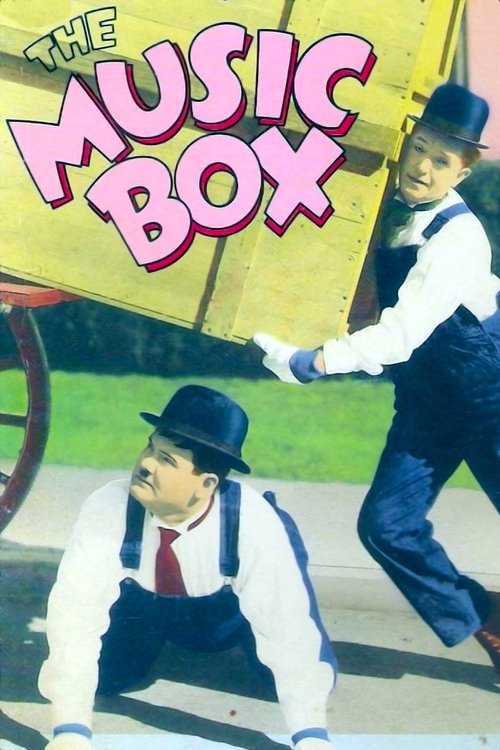
The Music Box1932
Laurel and Hardy at peak form, attempting to haul a piano up an impossibly long staircase. Every solution creates a new problem. It's a masterclass in timing, escalation, and the comedy of human persistence versus physics.
But If you're expecting plot-driven narrative, you'll be disappointed—it's essentially one premise stretched to eleven minutes. Some find pure slapstick tedious.
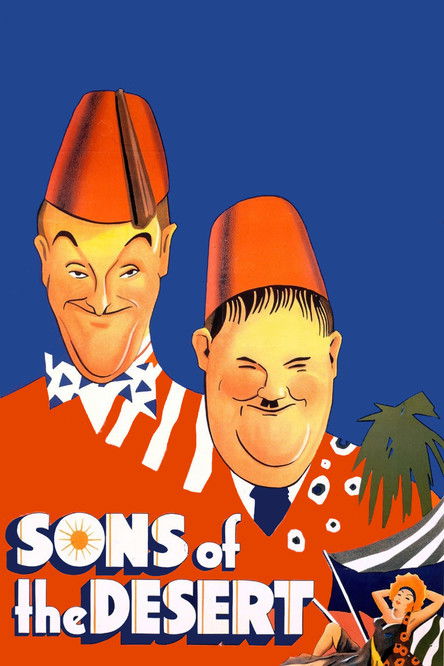
Sons of the Desert1933
Their most perfectly constructed feature: a fraternal lodge convention plot that bifurcates into deception, desert misadventure, and domestic reckoning. Beautifully paced, genuinely funny, and surprisingly touching.
But The humor relies entirely on physical timing and reaction shots. If you need snappy dialogue to stay engaged, this older style might feel slow.
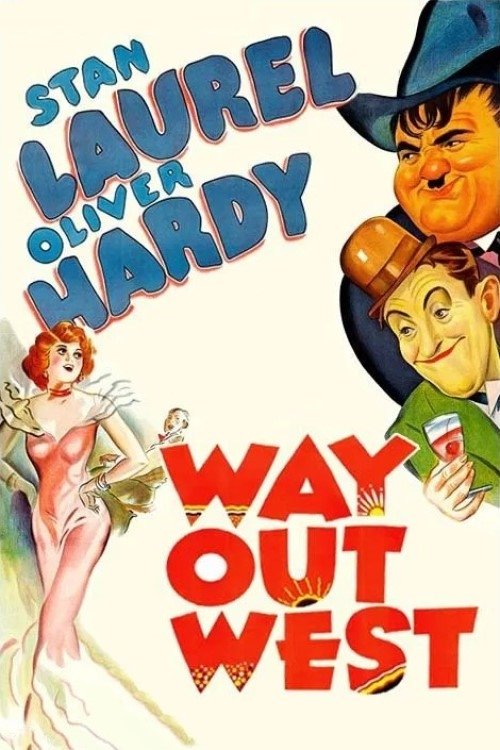
Way Out West1937
Laurel and Hardy in the Old West, hunting for a lost deed. Features their only musical number, colorful sets, and some of their most imaginative set-piece gags. It's whimsical and confidently weird.
But The plot is genuinely thin and exists only to string together sketches. If you prefer coherent storytelling, this prioritizes laughs over logic.
Not sure tonight? Get a pick in a minute, starting from Our Relations
The wildcard
Something you would not have found on your own.
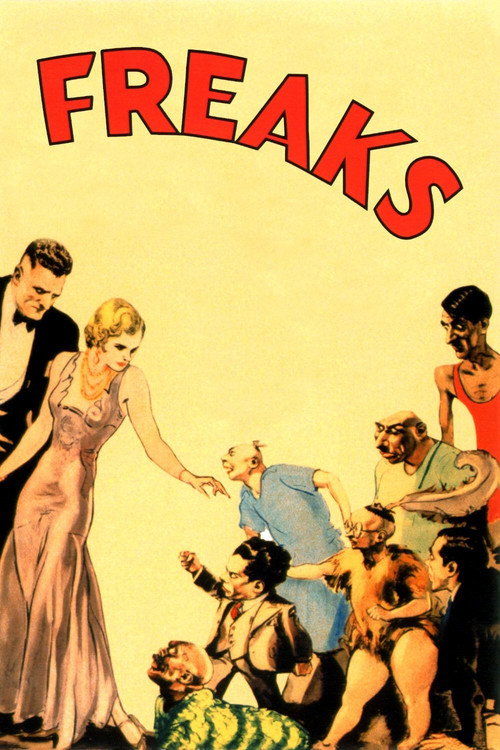
Freaks1932
Both films play with doubling and identity—Freaks through the pinhead twins, Our Relations through Laurel and Hardy's dual roles—but Freaks uses the premise to trouble audience comfort rather than generate laughter.
Tod Browning's transgressive horror-melodrama uses real circus performers with disabilities and deformities. It's deeply strange, morally complex, and features genuine pathos alongside moments of grotesque beauty. Nothing else feels quite like it.
But It's genuinely disturbing and exploitative in ways modern audiences will clock immediately. The plot is thin, and the sympathies are muddied. You may feel uncomfortable and uncertain if that discomfort is earned.
More like this (8)
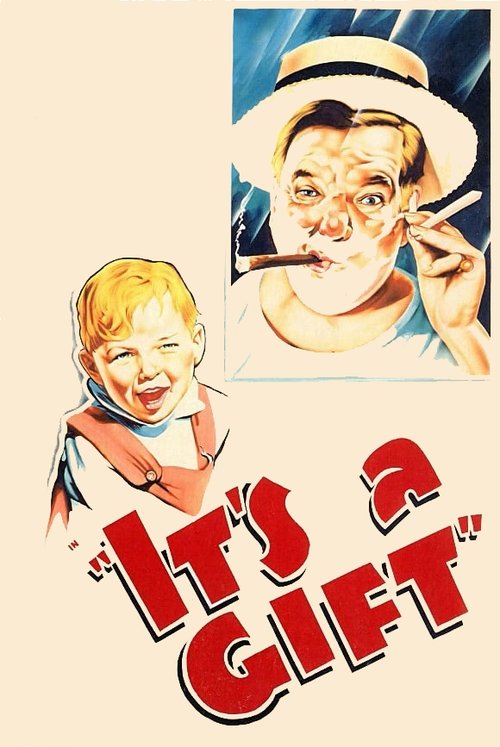
It's a Gift1934
W.C. Fields in domestic chaos, trying to enjoy peace while everyone demands his attention. Anarchic, inventive, and filled with quotable moments from one of comedy's finest curmudgeons.
But Fields' persona is aggressively selfish and mean-spirited toward family. If you need your comedy heroes likeable, he'll grate on you.
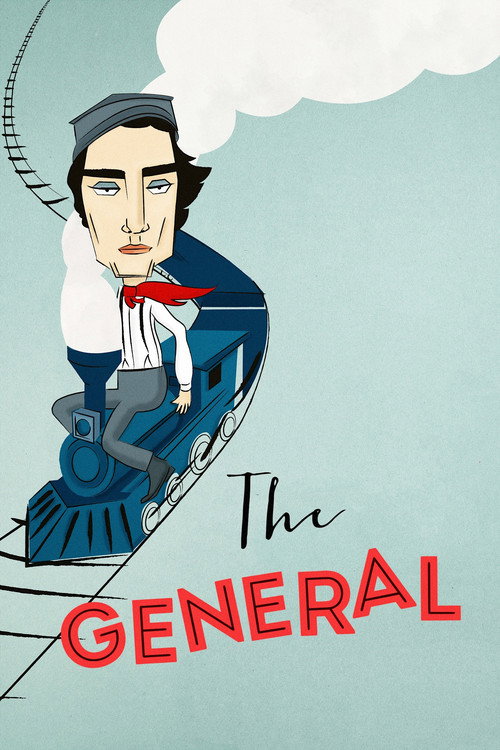
The General1926
Buster Keaton's silent masterpiece: a man reclaims a stolen locomotive during the Civil War. The stunts are breathtaking, the timing impeccable, and Keaton's deadpan face is a marvel of expressiveness.
But It's silent and relatively long. The historical context might feel like padding if you're only here for gags. Keaton's emotional range is famously frozen.
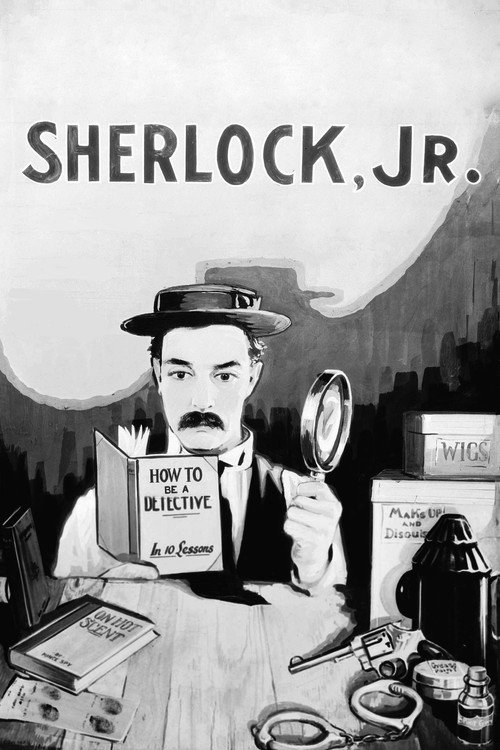
Sherlock Jr.1924
Buster Keaton dreams himself into a film-within-a-film, executing impossible stunts with casual ingenuity. Wildly inventive and genuinely thrilling, with visual jokes that still surprise.
But The plot framing (projection room romance) is dated and thin. Early silent pacing might feel slack if you're used to modern editing.
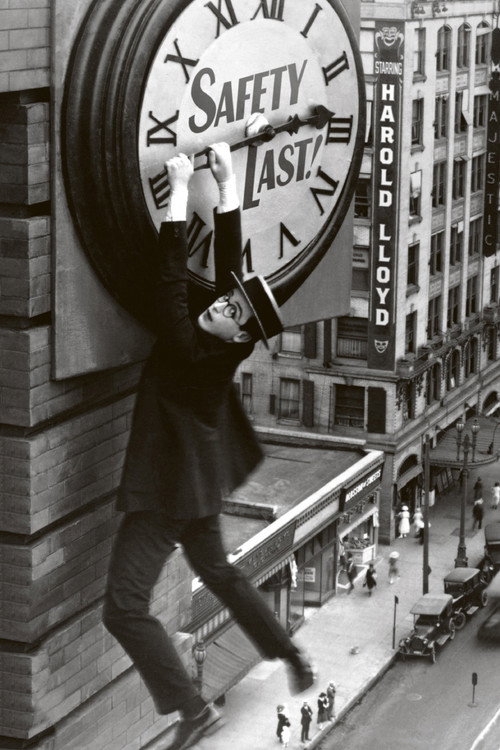
Safety Last!1923
Harold Lloyd hanging from a clock on the side of a building. The vertigo is real, the comedy is real, and the stunt work remains genuinely astonishing. A perfect distillation of silent comedy's nerve.
But Lloyd's character is somewhat generic compared to Keaton or Chaplin. The plot is negligible—it exists to justify the gag, not the other way around.
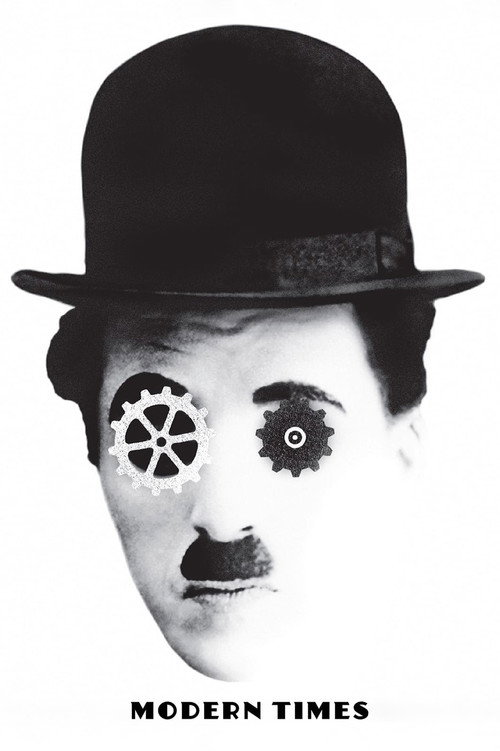
Modern Times1936
Chaplin's Little Tramp in the machine age, choreographed against assembly lines and automation. Socially pointed without being preachy, and the physical comedy is as inventive as anything Laurel and Hardy did.
But The social commentary can feel heavy-handed, and Chaplin's pathos sometimes tips toward sentimentality. His voice, when it arrives, might disappoint if you've imagined it differently.
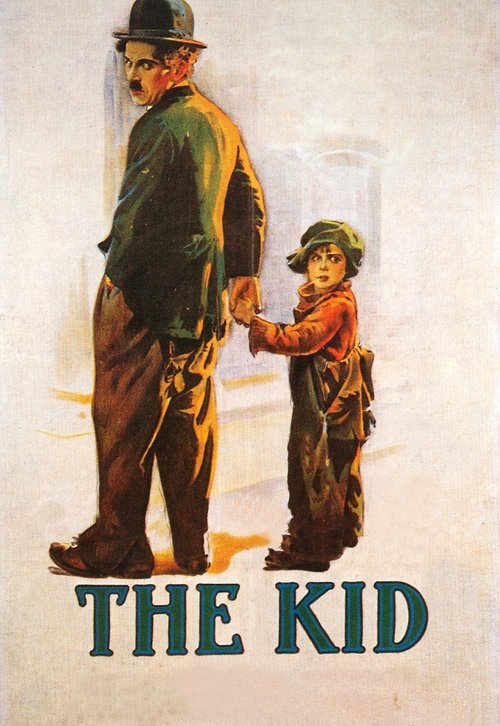
The Kid1921
Chaplin and a child actor in a story of poverty and love. It balances comedy with genuine emotion in ways that influenced every comedy team that came after, including Laurel and Hardy.
But It's genuinely sad in stretches. If you came for laughs only, the emotional pivot might feel manipulative. The custody plot is melodramatic by modern standards.
Singin' in the Rain1952
Both celebrate the physical vocabulary of silent cinema while grappling with the arrival of new technology—Our Relations through the transition from silents to early talkies, Singin' in the Rain through the same historical moment, but from behind the curtain.
Gene Kelly, Donald O'Connor, and Debbie Reynolds navigate early Hollywood's transition from silent to sound film. The dancing is extraordinary, the comedy is energetic and clever, and it captures the joy of physical performance across mediums.
But It's a musical with considerable plot. If you want pure physical comedy without the romance and production numbers, the structure will feel diluted.

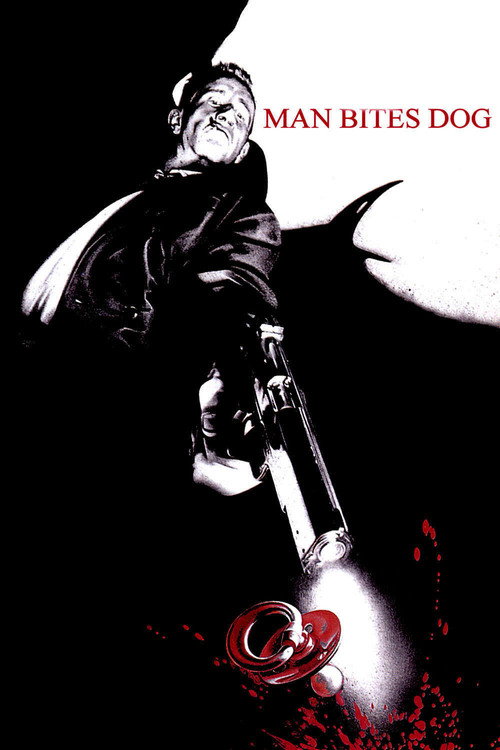
Man Bites Dog1992
Like Our Relations, it's built on mistaken identity and performance—the crew's complicity in the killer's performance mirrors how identity shifts and doubles in Laurel and Hardy, but here the doubling is sinister and implicates the audience in ways pure comedy never does.
A Belgian mockumentary following a film crew documenting a serial killer's life. It's a found-footage predecessor that's darkly comic, formally audacious, and genuinely unsettling. It subverts documentary and performance in ways both funny and troubling.
But It's violent, transgressive, and morally corrosive. The comedy sits on top of real brutality. If you need clear separation between laughs and stakes, this will be deeply uncomfortable. Some find it pretentious trash.
People
Cast
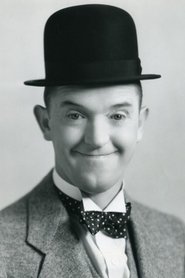 Stan LaurelStan / Alf Laurel
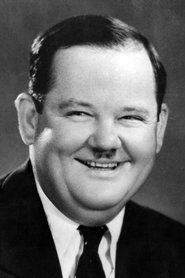 Oliver HardyOllie / Bert Hardy
 Betty BrownMrs. Betty Laurel
 Daphne PollardMrs. Daphne Hardy
 Alan HaleJoe Grogan
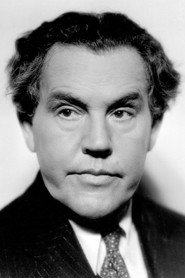 Sidney TolerCaptain of SS Periwinkle
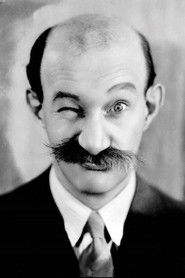 James FinlaysonFinn
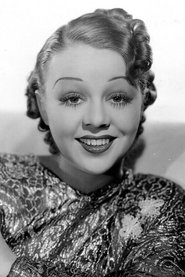 Iris AdrianAlice
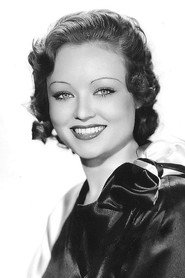 Lona AndreLily
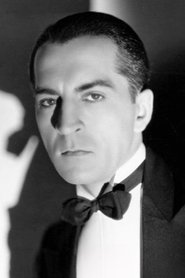 Ralf HaroldeGangster Boss
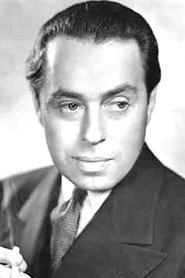 Noel MadisonSecond Gangster at Pirate's Club
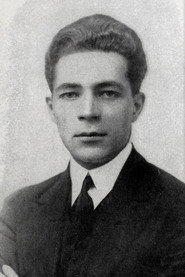 Arthur HousmanDrunk
Directing
- Harry LachmanDirector
Writing
- Charley RogersAdaptation
- Jack JevneAdaptation
- Felix AdlerScreenstory
- Richard ConnellScreenstory
- W.W. JacobsStory
Production
- Stan LaurelProducer
- L.A. FrenchProduction Supervisor