
Film
Way Out West
- Slapstick
- Comedy western
- Light-hearted
A masterclass in wordless comedy that just happens to be a Western. Stan and Ollie deliver a deed to a gold mine, but con artists stand in their way. Watch for the physical invention, the perfect timing, and a musical number that somehow works. It's Laurel and Hardy at their creative peak: silly, tender, and technically immaculate.
Should you watch it?
Watch it if you love the slow-burn gag construction of Laurel and Hardy, where a simple errand keeps collapsing into escalating mishap and the timing of a glance does more than any punchline.
Skip it if you need plot to carry comedy forward, since this one wanders into musical numbers and sight gags that pause the story for long stretches.
What it asks of you: Sixty-four minutes is all it wants, but it wants them at a classic-era pace, letting set pieces play out to the last beat rather than cutting quickly between jokes.
Not sure? Find tonight's pick in a minute.
If you liked this
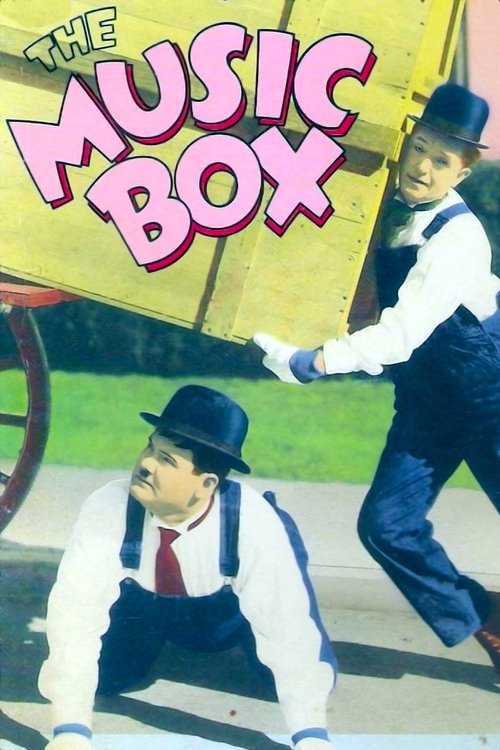
The Music Box1932
Laurel and Hardy's Oscar-winning short where they attempt to move a piano up a flight of stairs. Pure escalating slapstick that builds to magnificent disaster. If you love their problem-solving logic here, you'll adore Way Out West.
But At 20 minutes, it's a different beast than a feature film—shorter rhythms, denser gags. Some find the repetition wearing rather than hypnotic.
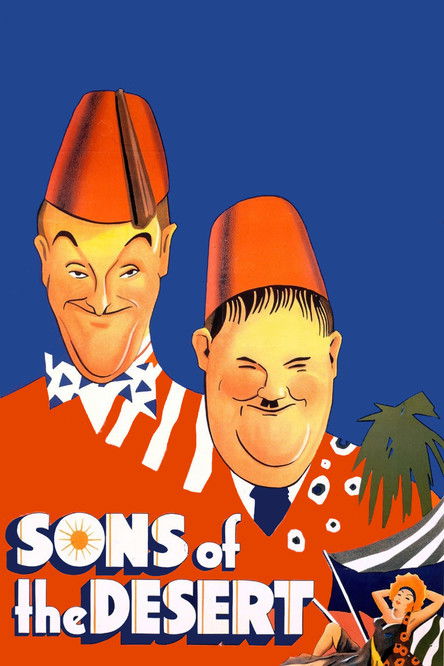
Sons of the Desert1933
A fuller picture of the Laurel and Hardy dynamic: schemes, incompetence, lies to wives, and genuine affection underneath. The plot is intricate and character-driven in ways that make the comedy land harder.
But Rests more on plot than pure physical comedy. If you want nonstop gags, this requires patience for setup.
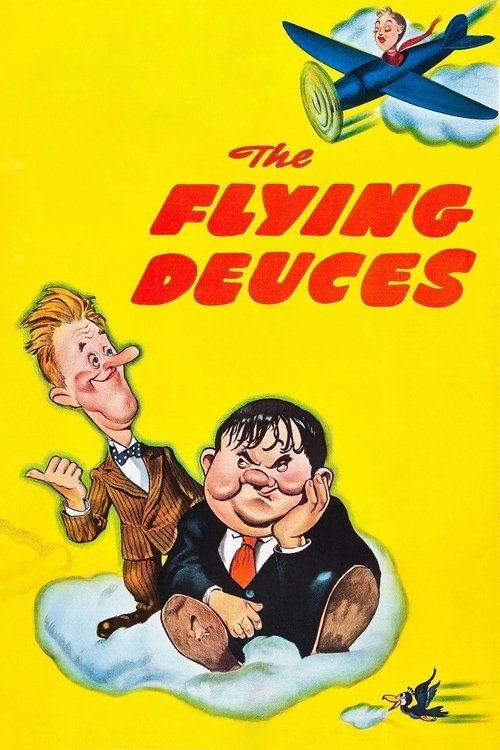
The Flying Deuces1939
Laurel and Hardy join the Foreign Legion out of romantic heartbreak. Later and looser than Way Out West, with wonderful nonsense and a surprisingly poignant undercurrent about loyalty and friendship.
But Broader and less controlled than their best work. The humor sometimes feels scattered, and the emotional beats are uneven.
Not sure tonight? Get a pick in a minute, starting from Way Out West
The wildcard
Something you would not have found on your own.
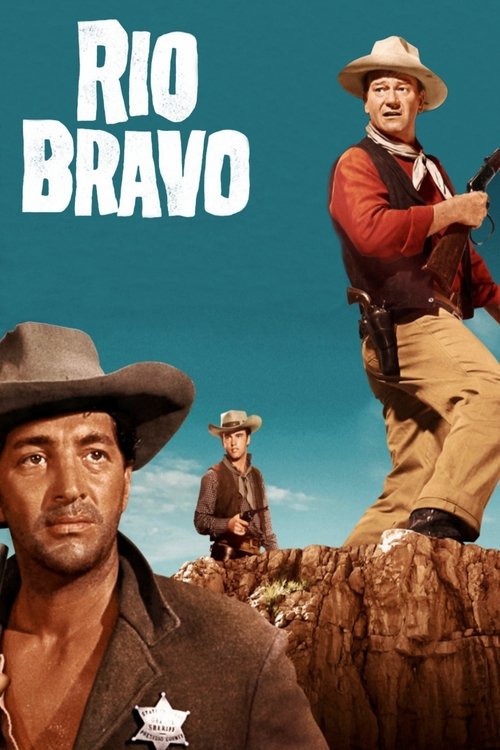
Rio Bravo1959
Both films understand that Western tropes are a framework for exploring human relationships. Both use genre to examine loyalty and kindness rather than heroism.
Howard Hawks's Western where heroes are ordinary men who talk, drink coffee, and shoot when they must. No grand heroics—just competence, loyalty, and banter. Hawks learned from silent comedy how to let behavior breathe on screen. The ease between characters, the trust, the humor in routine: this is what happens when slapstick logic matures into character.
But A three-hour Western where very little happens in conventional plot terms. Hawks makes duration itself part of the meaning. Impatience will undo it.
More like this (7)
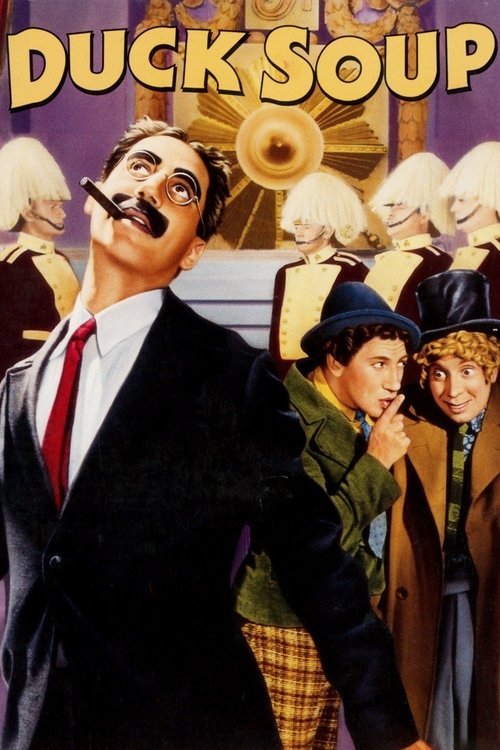
Duck Soup1933
Marx Brothers anarchic political satire where language itself becomes absurd. Different comedians, but the same era's fearlessness—dialogue used like slapstick, logic inverted beautifully.
But Relies heavily on rapid-fire wordplay and cultural references. The pacing can feel chaotic if you're not attuned to their style.
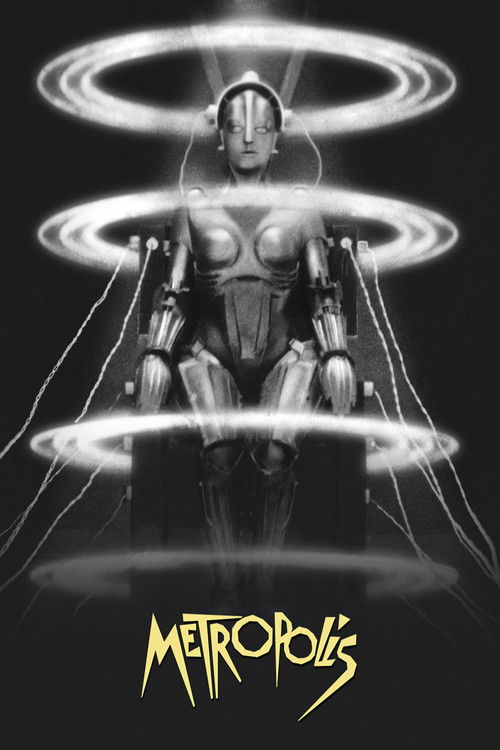
Metropolis1927
A visual spectacle where image does the storytelling. Like Way Out West, it trusts the audience to read gesture and composition. Early cinema at its most ambitious and inventive.
But Silent, highly stylized, and concerned with themes rather than character moments. The pacing is deliberate; modern audiences often find it slow.
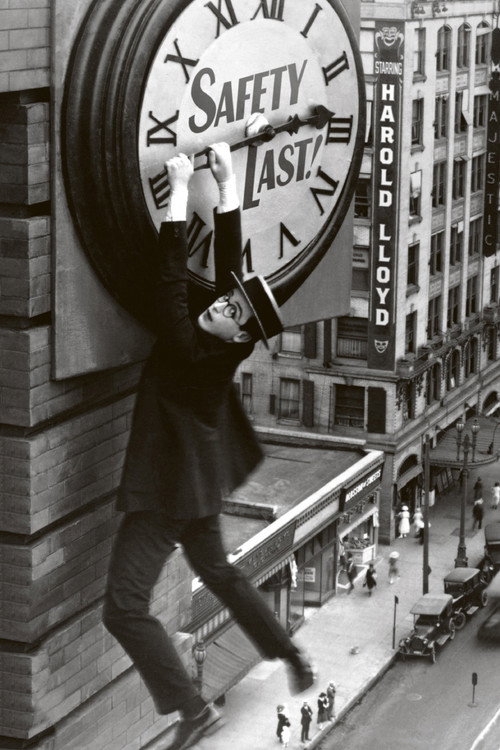
Safety Last!1923
Harold Lloyd scaling a building in dizzying long shots. The physical comedy is genuinely thrilling—stakes feel real in ways that make the humor sharper and more inventive.
But The humor can feel dated, and Lloyd's character is sometimes unsympathetic. Less about warmth than about clever survival.
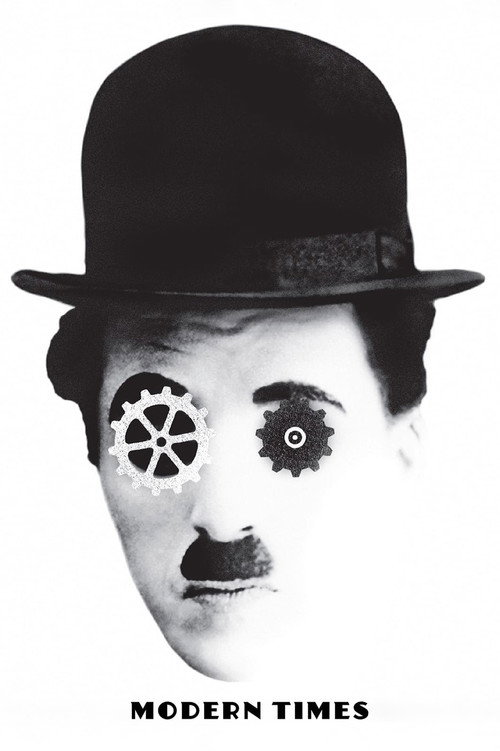
Modern Times1936
Chaplin in the machine age, using pantomime and slapstick to say something true about industrial life. Comedy with a conscience, but never preachy. Made the same year as Way Out West—the era's best.
But The social commentary is unavoidable. Some find it shifts the tone; others find the balance perfect. You won't watch it carelessly.
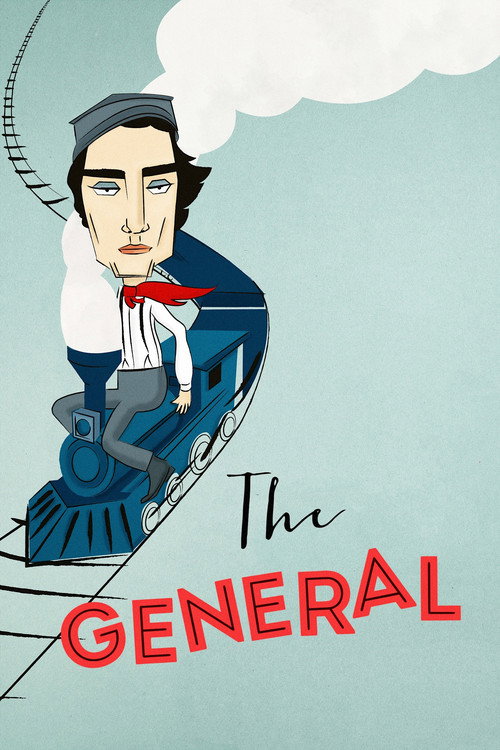
The General1926
Buster Keaton directing and starring in a Civil War comedy. A train chase that is also a love story, built from perfect timing and visual clarity. Comedy as precision engineering.
But Keaton's stone-faced delivery and the scale of the production might feel cold. It's admirable rather than warm, ambitious rather than intimate.
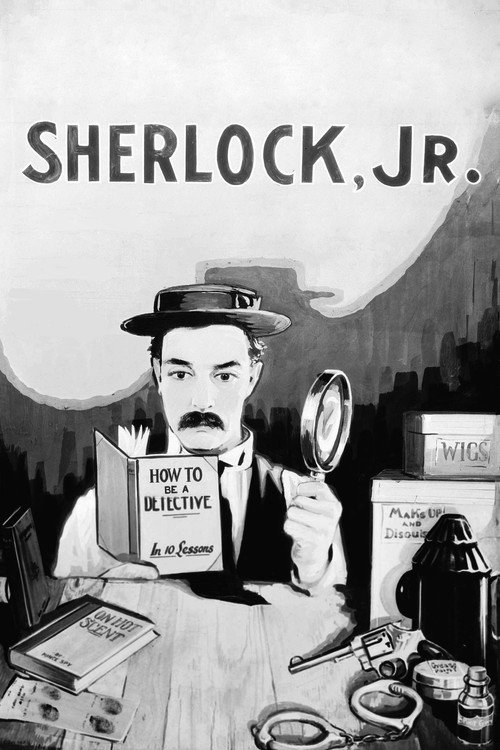
Sherlock Jr.1924
Buster Keaton as a projectionist dreaming himself into a film. Visually inventive, conceptually bold, and funny in ways that still surprise. A love letter to cinema itself.
But The dream logic is dreamlike—it doesn't cohere into a traditional narrative. Some find it scattered; others find that's the whole point.
The Killing1956
Both films build complex structures out of simple premises: a deed to deliver, a heist to pull off. Both find meaning in the breakdown between plan and reality. Both are genre films that use their form as philosophy.
Kubrick's heist film told in fragmented time—events shown from multiple angles and moments. Like Way Out West, it's about a scheme, incompetence, and chance. But Kubrick uses form to create meaning; the fractured chronology is moral commentary, not just style. Comedy's timing becomes something darker and more complex.
But Black, cynical, and structurally demanding. Requires active attention. The tone is noir and hard; there's nothing soft or forgiving in it.

People
Cast
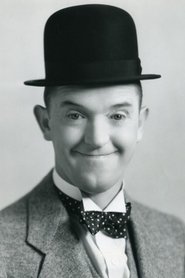 Stan LaurelStan
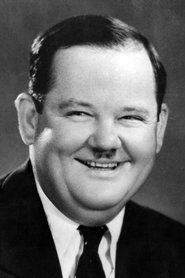 Oliver HardyOllie
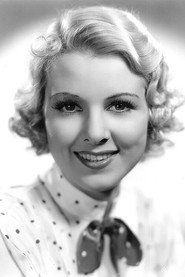 Rosina LawrenceMary Roberts / Stan's falsetto (voice)
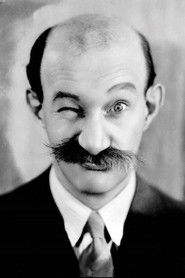 James FinlaysonMickey Finn
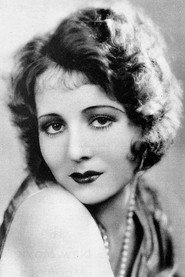 Sharon LynnLola Marcel
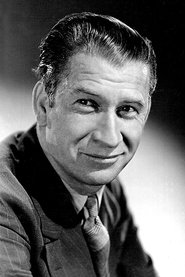 Chill WillsLead Singer of the Avalon Boys / Stan's Bass Singing (uncredited)
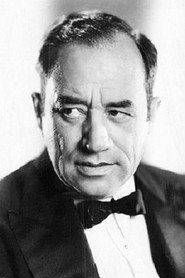 Stanley FieldsSheriff
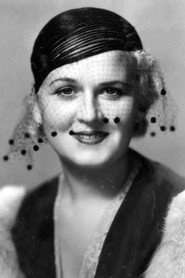 Vivien OaklandSheriff's Wife
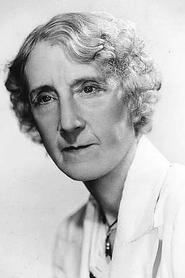 Flora FinchMaw (uncredited)
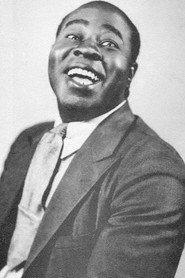 Fred 'Snowflake' ToonesJanitor
 Eddie BordenBarfly (uncredited)
 Sam LufkinStagecoach Baggage Handler (uncredited)
Directing
- Chet BrandenburgAssistant Director
- James W. HorneDirector
Writing
- Charley RogersOriginal Story
- Jack JevneOriginal Story
- Charley RogersScreenplay
- Felix AdlerScreenplay
- James ParrottScreenplay
- Arthur V. JonesWriter
- James W. HorneWriter
- Oliver HardyWriter
- Stan LaurelWriter
Production
- Hal RoachProducer
- Stan LaurelProducer