
Film
The Music Box
A 29-minute masterpiece of physical comedy where Laurel and Hardy attempt to haul a player piano up an endless flight of stairs. What emerges is pure cinema: wordless, escalating, balletic destruction. It's watching two men wage war against gravity, architecture, and their own incompetence. For anyone who thinks comedy requires dialogue or plot, this is a corrective.
Should you watch it?
Watch it if you love slapstick built on patient, escalating physical logic, where one stubborn object and a set of steps become a long, mounting argument between two good-natured men who never quite give up.
Skip it if you need a story with character arcs, since this is one escalating routine built on repetition that can feel thin to anyone wanting more than the gag.
What it asks of you: Half an hour long and nearly all physical, it moves at a steady, deliberate clip, with its comedy arriving through timing and mounting exasperation rather than dialogue.
Not sure? Find tonight's pick in a minute.
If you liked this
Singin' in the Rain1952
A musical where the physical comedy—Gene Kelly's dancing, the pratfalls, the geometric precision of movement—rivals anything plot-based. You'll recognize the DNA of Music Box in how bodies and spaces create the story.
But Mid-century musical conventions feel dated to some. If tap dancing doesn't speak to you on sight, the film won't convert you.

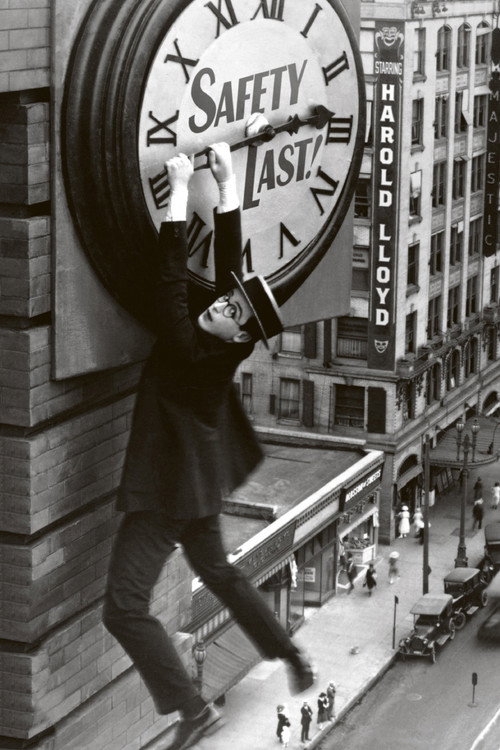
Safety Last!1923
Harold Lloyd climbing a building with the same relentless logic as Laurel and Hardy climbing stairs. Pure suspense-comedy born from a single premise and the laws of physics. A spiritual sibling to Music Box.
But Silent film pacing is glacial by modern standards. The gags repeat with variations that can feel thin if you're impatient.
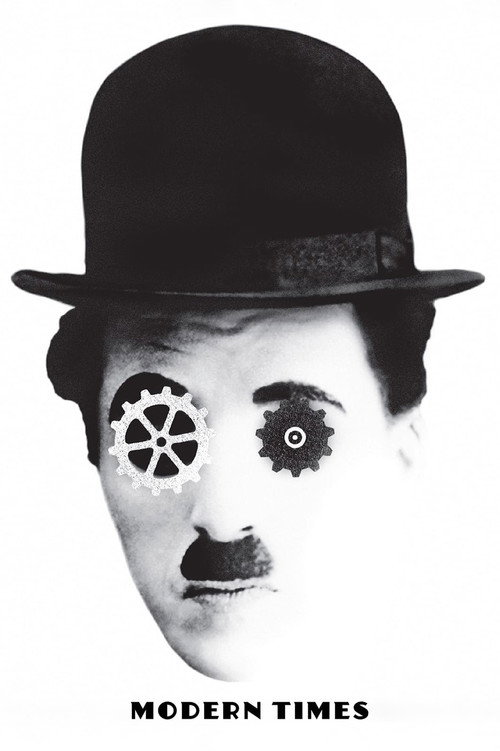
Modern Times1936
Chaplin's silent masterpiece, where the mechanical world defeats the individual through absurdist repetition. Like Music Box, it builds comedy from constraint and inevitability, but with anarchist bite underneath.
But The factory sequences are bleak and grinding. It's funny, but it's also a critique that lands heavy.
Not sure tonight? Get a pick in a minute, starting from The Music Box
The wildcard
Something you would not have found on your own.
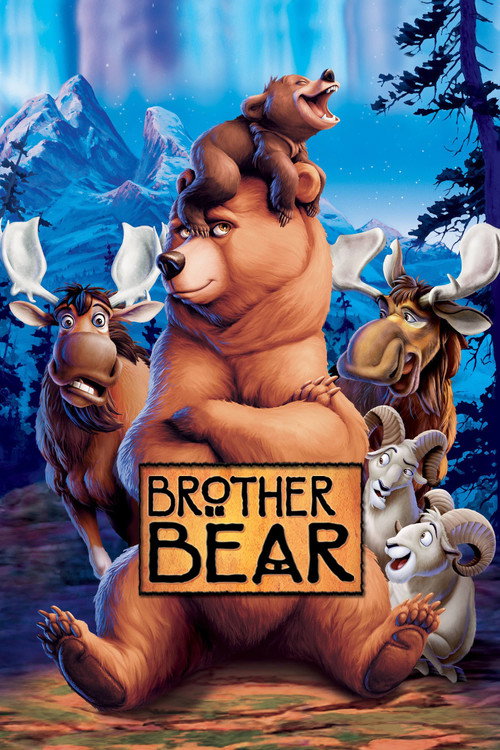
Brother Bear2003
Both films understand that constraint—spatial, physical, emotional—generates their entire dramatic engine. The stairs and the kitchen are not settings; they are the story.
A Russian minimalist drama about a spoiled teen locked in a kitchen with her estranged father. Compressed, suffocating space. Same escalating tension as Music Box—two figures in one room, gravity working against them—but the piano is replaced by silence and resentment.
But Bleak and claustrophobic with no music and minimal dialogue. A punishment if you expect catharsis.
More like this (7)
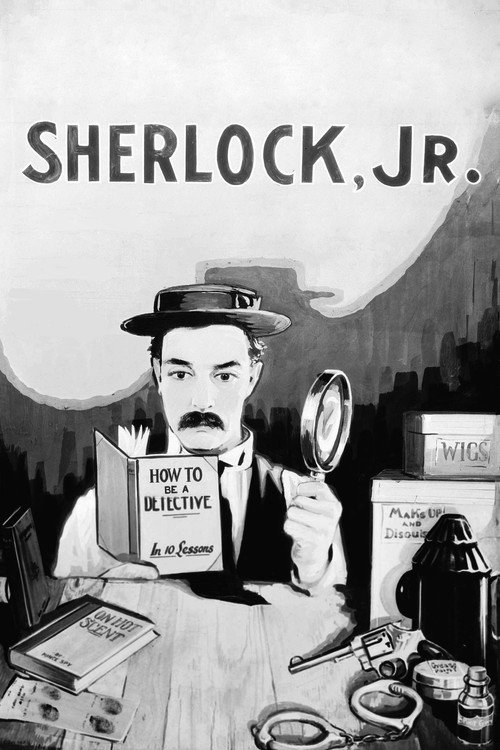
Sherlock Jr.1924
Keaton's face never moves, yet his body tells everything. The projectionist-turned-detective gag builds with the same architectural precision as the stairs—each obstacle spawns the next with perfect logic.
But Keaton's deadpan approach can read as icy. If you want warmth or mugging, his restraint might feel cold.
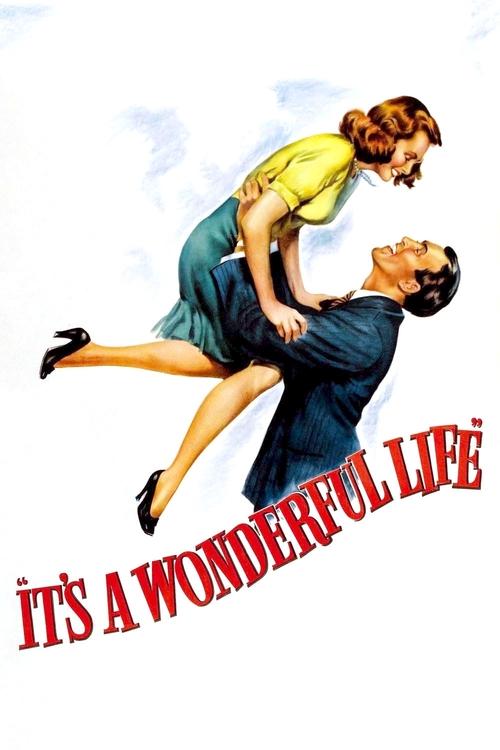
It's a Wonderful Life1946
Capra's masterwork has moments of genuine slapstick—a fallen bannister, a phone gag—that channel the spirit of silent comedy into a narrative about community and worth. Warmth with pratfalls embedded.
But At three hours, it's not a quick sit. The sentimentality will either hit you or feel treacly depending on your mood.
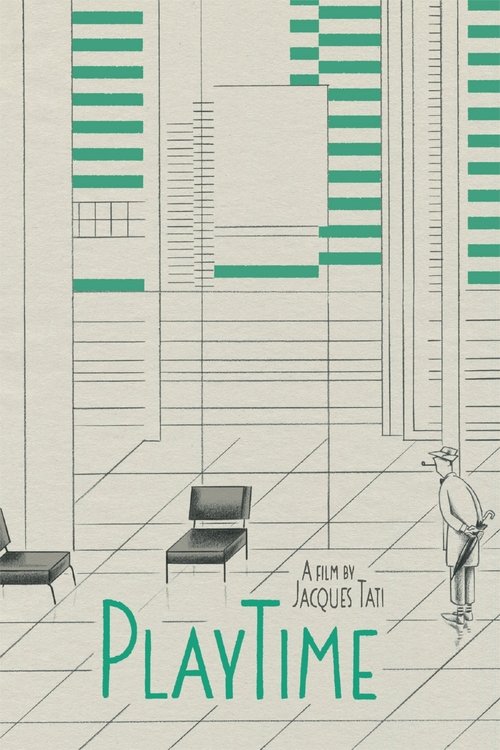
PlayTime1967
Jacques Tati's meditation on modernity told almost entirely through visual gags and spatial comedy. Like Music Box, one situation spirals into choreographed chaos, but in a hypermodern Parisian office.
But Glacially paced and distant. Tati never lets you feel emotion, only observe. Some find it sterile.
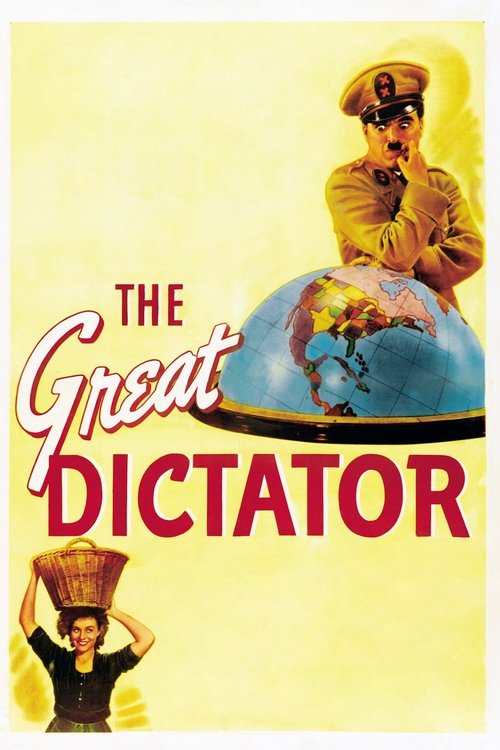
The Great Dictator1940
Chaplin's final silent turn contains some of his greatest physical comedy—a barber giving a shave with the precision of a ballet. The comedy and humanity breathe together here.
But The final monologue abandons comedy for earnest political speech. Some see it as necessary, others as tonal whiplash.
Breakfast at Tiffany's1961
Henry Mancini's score aside, the best sequences are silent or near-silent: Henry Golding and Audrey Hepburn moving through apartment and street with balletic grace. Comedy born from bodies in space.
But The yellowface side character is genuinely offensive and indefensible. It doesn't track with modern sensibilities.

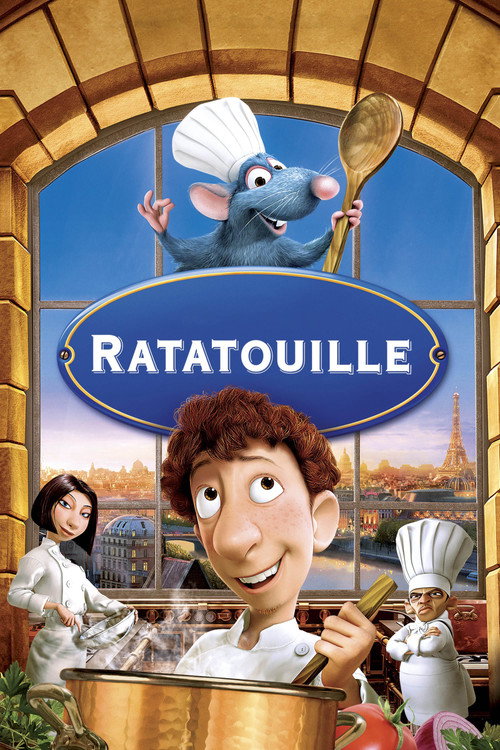
Ratatouille2007
An animated film where the physical comedy logic of Laurel and Hardy—a character controlling another through hair—drives the emotional arc. Slapstick as plot engine and metaphor.
But It's Pixar comfort food. If you've outgrown family animation, the sentiment will feel cloying.
Stalker1979
Both films trust that repetition and escalation—not climax—are how we feel time and consequence. The piano returns to the bottom of the stairs; the men return to the same railway carriage. Failure becomes the form itself.
Tarkovsky's science fiction meditation on desire, filmed as a real-time journey through a mysterious zone. A single locomotive carries three men toward an unknowable goal. The relentless forward momentum against invisible resistance mirrors the piano climbing the stairs.
But 163 minutes of contemplative silence and landscape shots. Actively hostile to plot. Your phone will feel heavy.

People
Cast
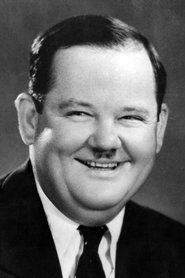 Oliver HardyOllie
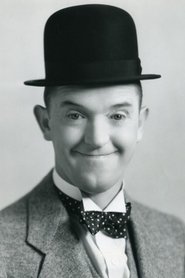 Stan LaurelStan
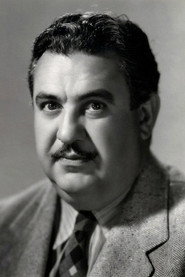 Billy GilbertProfessor von Schwarzenhoffen (uncredited)
 William GillespiePiano Salesman (uncredited)
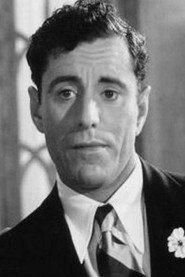 Charlie HallPostman (uncredited)
- Hazel HowellMrs. von Schwarzenhoffen (uncredited)
- Lilyan IreneNursemaid (uncredited)
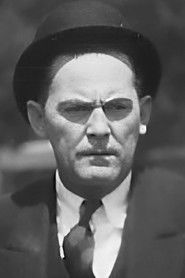 Sam LufkinPoliceman (uncredited)
Directing
- Morey LightfootAssistant Director
- James ParrottDirector
Writing
- H.M. WalkerDialogue
- Charley RogersWriter
- H.M. WalkerWriter
- James ParrottWriter
- Oliver HardyWriter
- Stan LaurelWriter
Production
- Hal RoachProducer
Recommended by
Sons of the Desert, Way Out West, Laughing Gravy, Our Relations