
Film
The Great Dictator
Chaplin's brave, strange 1940 satire pairs a preening fascist dictator with a persecuted Jewish barber – both played by Chaplin himself. It's slapstick and vaudeville tangled up with genuine dread, made while the horrors it mocks were still unfolding. Funny, then suddenly not. A landmark of political comedy, and possibly the only film where a rubber-globe dance number sits beside one of cinema's most earnest political speeches.
If you liked this
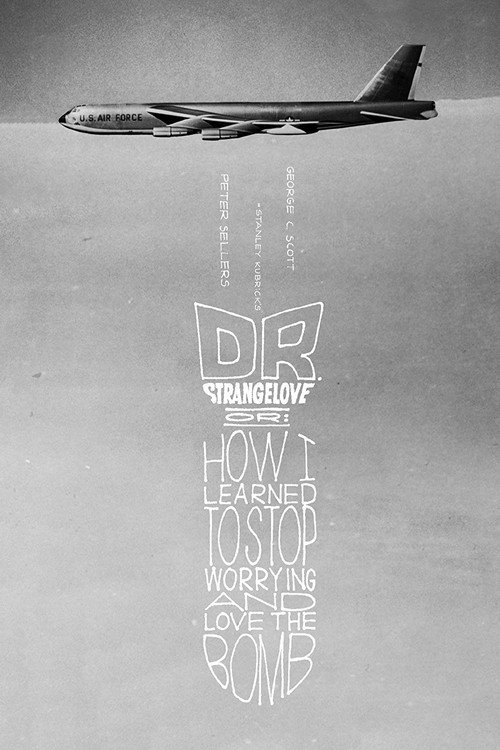
Dr. Strangelove or: How I Learned to Stop Worrying and Love the Bomb1964
The purest heir to Hynkel's playbook: a satire that finds the exact bureaucratic lunacy inside apocalyptic politics, played dead straight by everyone except Peter Sellers, who is somehow doing three impossible roles at once.
But Black-and-white, deliberately paced, and its Cold War specifics need a little historical context to land fully.
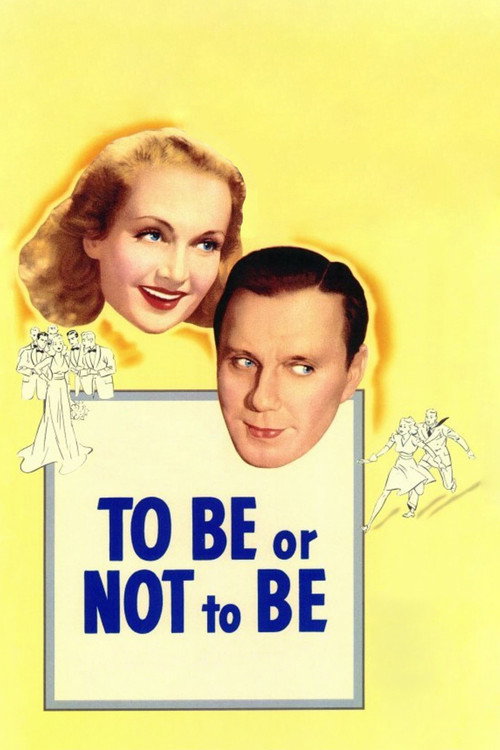
To Be or Not to Be1942
Made two years later, Lubitsch's Warsaw theatre-troupe comedy is even sharper about weaponising farce against fascism, funnier scene for scene, and just as fearless given the moment.
But Jack Benny's comic register is broader and creakier than Chaplin's; some of the period jokes have aged into a shrug.
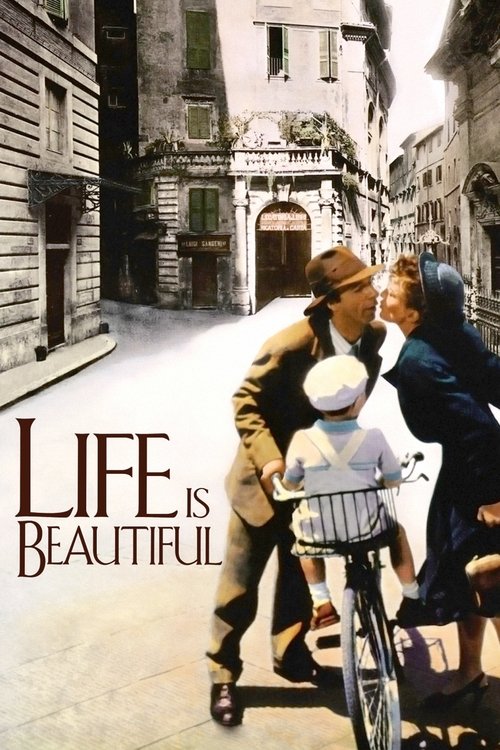
Life Is Beautiful1997
Takes the same gamble as Chaplin - comedy pressed right against genuine atrocity - and pushes it further, into the camps themselves, via a father's performance for his son that becomes devastating.
But The swing from whimsy to grief is severe, and some viewers find the comic first half too cute for what follows.
The wildcard
Something you would not have found on your own.
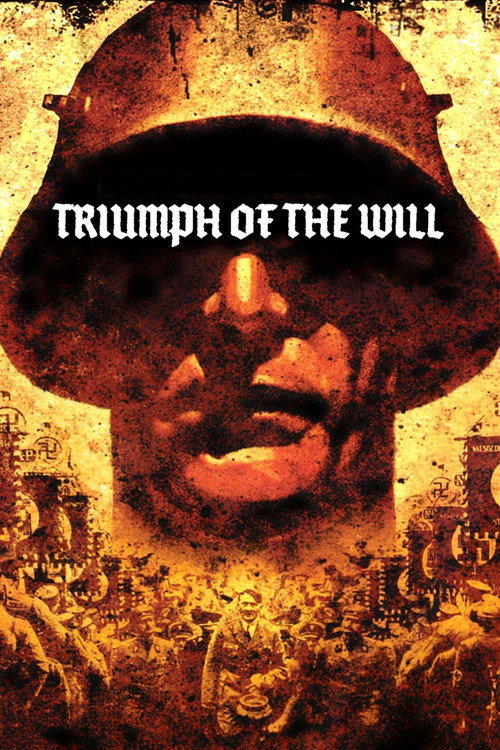
Triumph of the Will1935
This is the Riefenstahl documentary Chaplin drew on to choreograph Hynkel's rallies and rhetoric; seeing the real footage shows exactly how precise his mimicry was.
Watch the actual Nuremberg rally footage Chaplin reportedly studied frame by frame to build Hynkel's speeches and salutes - the source material is, if anything, more unsettling than the parody, because nobody involved thought it was a joke.
But Ninety minutes of unfiltered Nazi propaganda with no narration or counterpoint - watching it is an exercise in vigilance, not entertainment.
More like this (8)
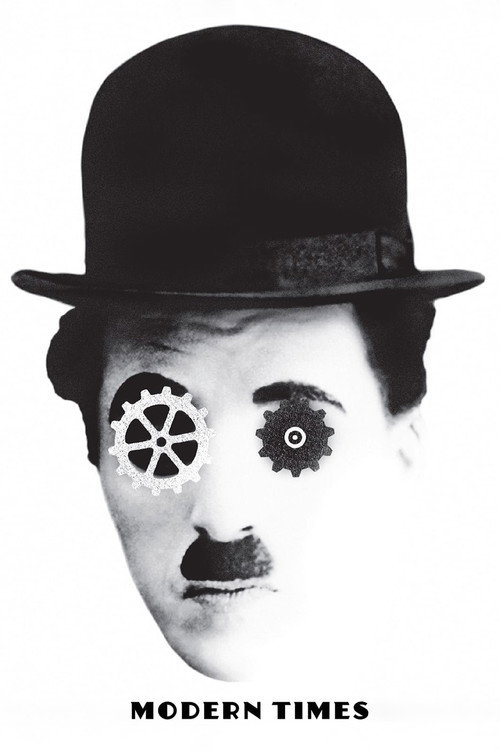
Modern Times1936
Chaplin's own dry run for mixing Tramp comedy with hard political commentary, this time aimed at industrial capitalism rather than fascism, with the same tender, wordless romance underneath.
But No dialogue beyond a closing song, so the pacing and humour are pure silent-era Chaplin, take it or leave it.
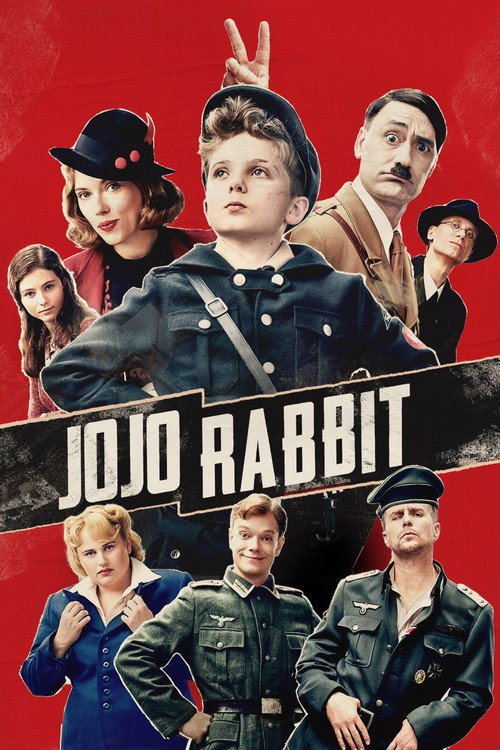
Jojo Rabbit2019
A modern, willfully tasteless descendant, using a boy's imaginary friend Hitler to do exactly what Chaplin did - shrink a monster to human, mockable size - before turning serious just as fast.
But Its tonal swings are more jarring and its whimsy more twee than anything Chaplin allowed himself.
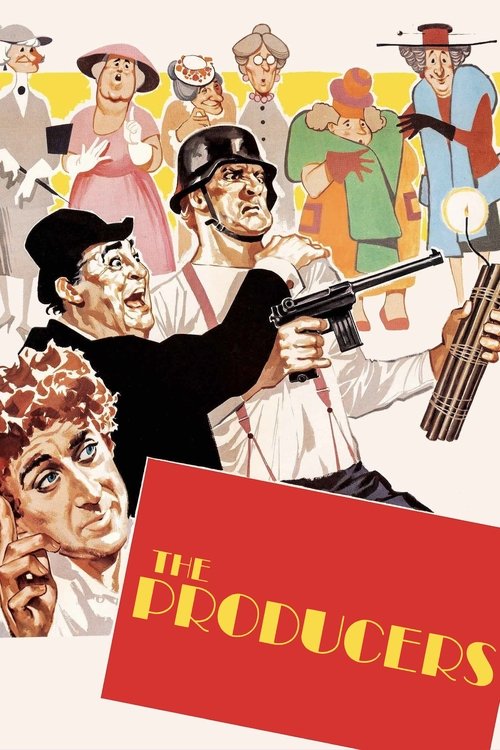
The Producers1968
Mel Brooks takes the "make Hitler ridiculous" idea and runs it straight into vaudeville anarchy with "Springtime for Hitler," proving the joke Chaplin started still had decades of mileage left.
But Broader, cruder, and entirely uninterested in the earnestness and pathos that give Chaplin's film its weight.
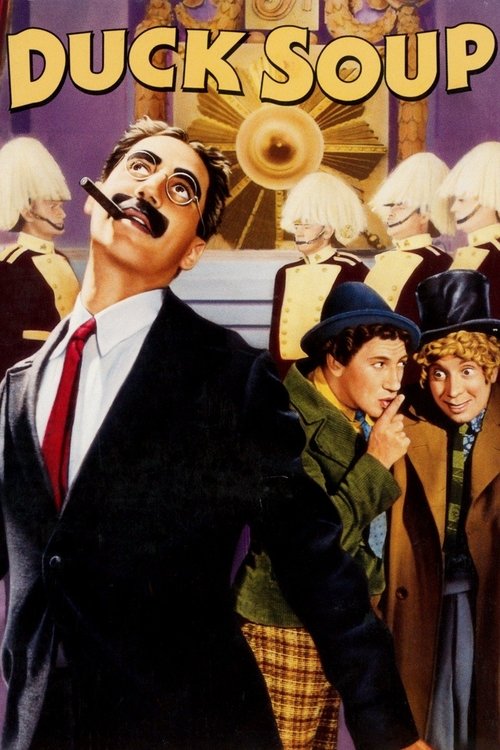
Duck Soup1933
The Marx Brothers get to dictators first, turning the whole apparatus of government and war into pure anarchic nonsense, with barely a plot getting in the way of the gags.
But There's no real political point being made, just glorious chaos - if you want satire alongside the comedy, look elsewhere.
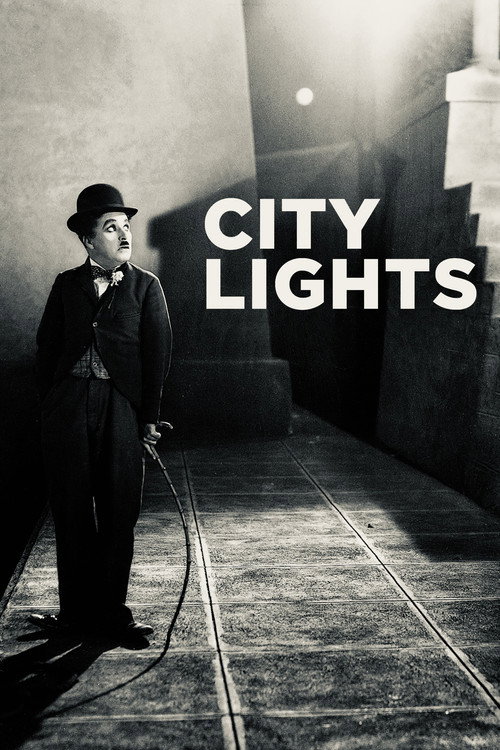
City Lights1931
For anyone new to Chaplin, this is the purest showcase of what made him beloved before he got political - the Tramp's timing and heartbreak, minus any dictators at all.
But Apolitical and slight by comparison, with none of the satirical bite that makes The Great Dictator sting.
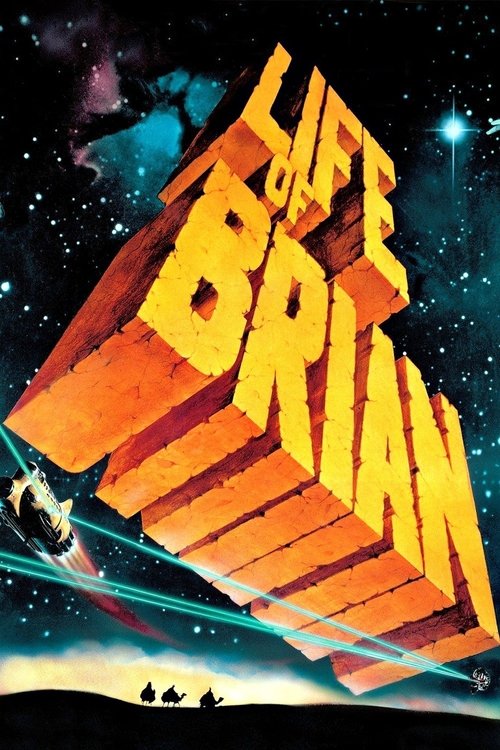
Life of Brian1979
A looser, weirder lineage: comedy aimed at institutional power and mob politics rather than one man, proving Chaplin's basic move - mock the machinery, sympathise with the crowd caught in it - still works.
But Its target is religious rather than fascist, and the humour is considerably sillier and more scattershot throughout.
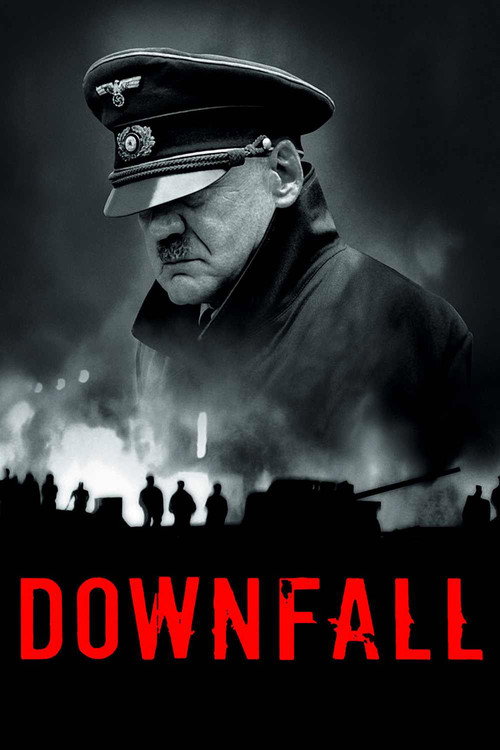
Downfall2004
Same historical target, opposite method: where Chaplin shrinks the dictator with ridicule, this film examines him at full, terrible scale, and each film sharpens the other.
The tonal opposite number - a claustrophobic, deadly serious German drama set in Hitler's final bunker days, treating the same man Chaplin turned into a clown as a human catastrophe rather than a punchline.
But Unrelentingly grim and subtitled, with none of the comic relief that makes Chaplin's film bearable - this is straight tragedy.
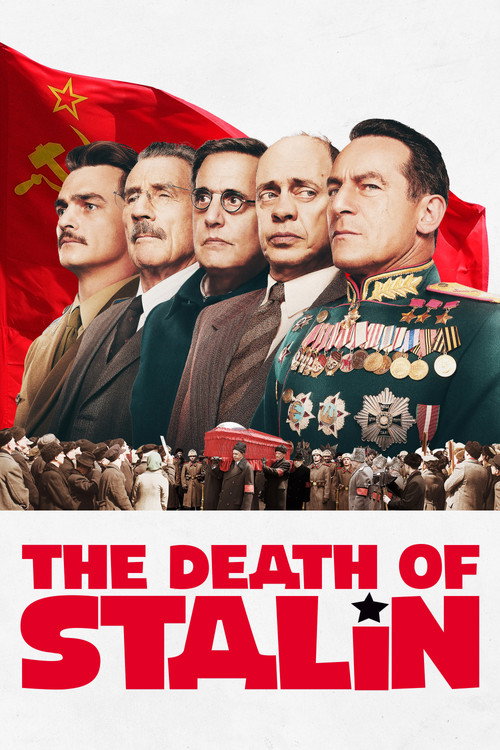
The Death of Stalin2017
Descends directly from Chaplin's satirical mode - toppling a dictator through absurdity - proving the joke still travels intact across eight decades and a different totalitarian regime.
A modern, splattery black comedy that inherits Chaplin's exact structural gamble - real terror hiding inside farce - but relocates it to Soviet Russia and cranks the cynicism and body count way up.
But Considerably nastier and more nihilistic than Chaplin's film, with a starry ensemble doing broad accents instead of one man carrying two roles.
People
Cast
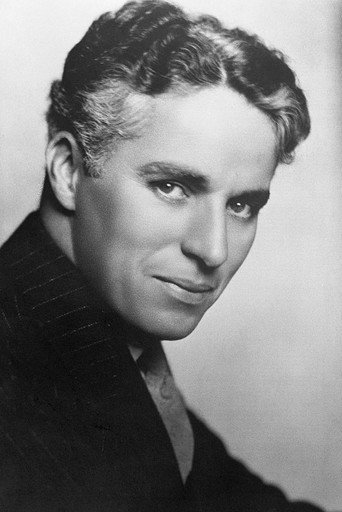 Charlie ChaplinAdenoid Hynkel, Dictator of Tomania / A Jewish Barber
 Paulette GoddardHannah
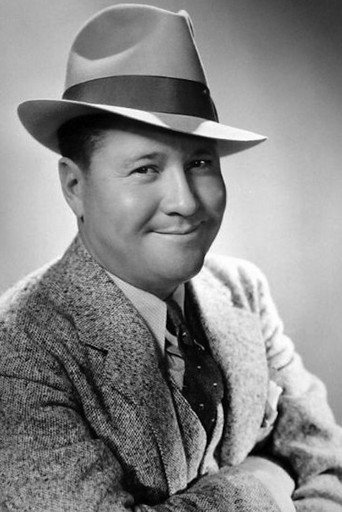 Jack OakieBenzino Napaloni, Dictator of Bacteria
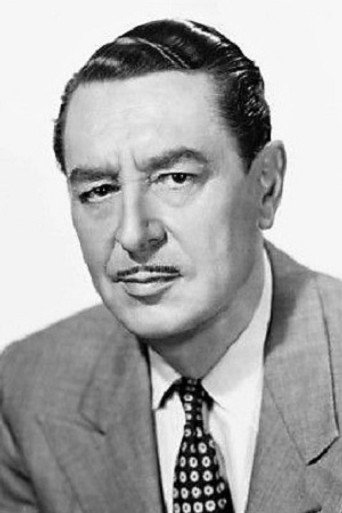 Reginald GardinerCommander Schultz
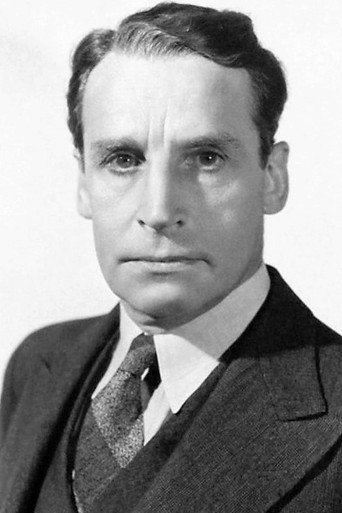 Henry DaniellGarbitsch
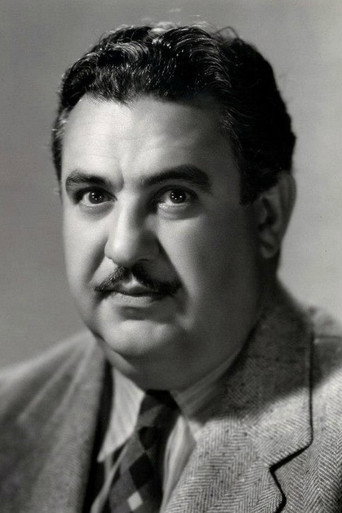 Billy GilbertField Marshal Herring
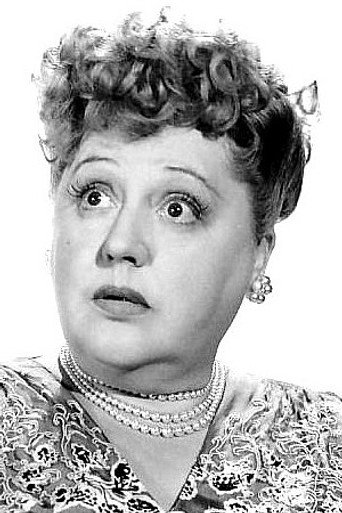 Grace HayleMadame Napaloni
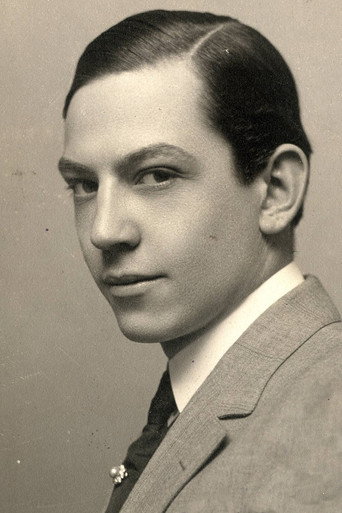 Carter DeHavenSpook
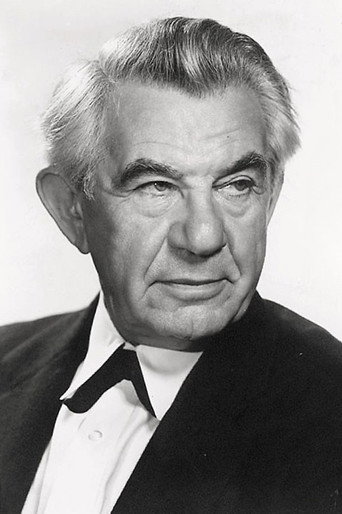 Maurice MoscovitchMr. Jaeckel
 Emma DunnMrs. Jaeckel
 Bernard GorceyMr. Mann
 Paul WeigelMr. Agar
Directing
- Wheeler DrydenAssistant Director
- Charlie ChaplinDirector
Writing
- Charlie ChaplinScreenplay
Production
- Carter DeHavenAssociate Producer
- Charlie ChaplinProducer
- Alfred ReevesProduction Manager
- Kathleen PryorProduction Secretary
Recommended by
The Death of Stalin, To Be or Not to Be, Kagemusha, Richard III, Life of Brian, Inglourious Basterds, The King's Speech, Triumph of the Will, The Life of Emile Zola, History of the World: Part I, Duck Soup, The Mouse That Roared