
Film
The Prince and the Pauper
Other titles called The Prince and the Pauper: the 1937 film, the 1996 series (BBC One).
- Swashbuckler
- Light-hearted
A 1962 adventure film that captures Mark Twain's beloved tale of switched identities in Tudor England. Two identical boys—a prince and a pauper—swap places, triggering a whirlwind of slapstick mishaps, narrow escapes, and genuine warmth. It's spirited family viewing with real stakes beneath the fun, aimed at anyone who loves period adventure with heart over historical accuracy.
If you liked this
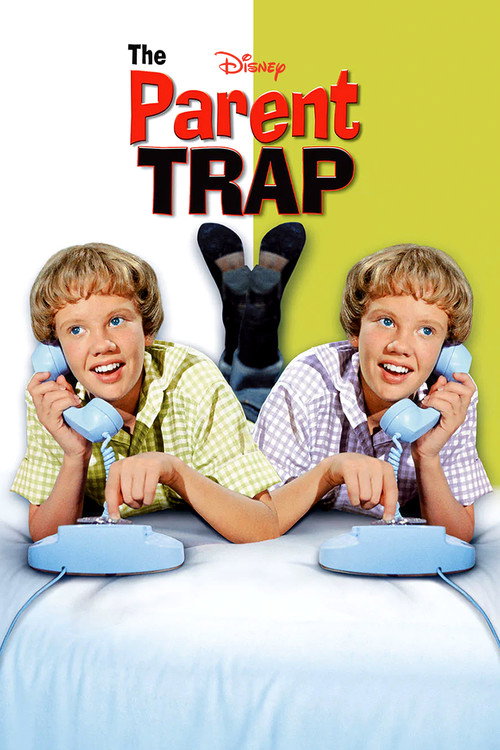
The Parent Trap1961
Two identical children separated by circumstance reunite and scheme to swap roles, creating chaos and ultimately healing a family. Like The Prince and the Pauper, it mines comedy from confusion while building toward genuine emotional resolution.
But The parent-trap setup feels overly contrived, and the romance subplot between the parents can feel forced alongside the children's antics.
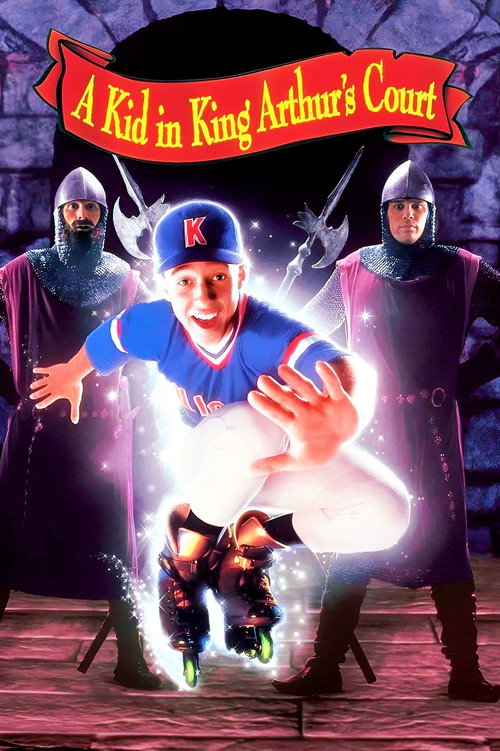
A Kid in King Arthur's Court1995
A modern girl transported to medieval England must navigate a world she doesn't understand while keeping her true identity hidden. The same fish-out-of-water energy, period setting, and discovery that goodness matters more than social rank.
But It's broader and campier than The Prince and the Pauper, leaning hard into 90s Disney comedy that hasn't aged perfectly well.
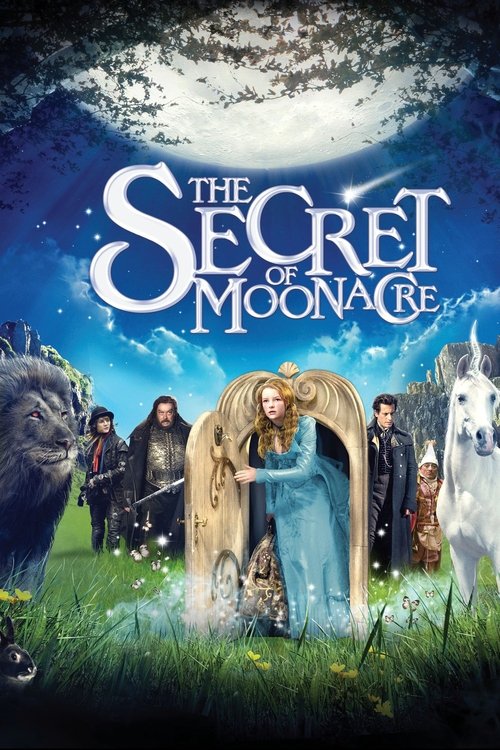
The Secret of Moonacre2009
A gorgeous, slightly weird Victorian adventure about a girl discovering her family's hidden past through a magical realm. It shares that same storybook quality—period setting, identity mysteries, and the sense that kindness and truth will ultimately prevail.
But The plot meanders and the fantasy elements feel underbaked; it can feel like a children's film without quite committing to either logic or whimsy.
Not sure tonight? Get a pick in a minute, starting from The Prince and the Pauper
The wildcard
Something you would not have found on your own.
Kes1970
Both argue that a person's value lies within, not in their station. But where The Prince and the Pauper ends with restored hierarchy, Kes suggests the system itself is the problem.
A working-class Yorkshire boy finds dignity and purpose through his bond with a wild hawk. Like The Prince and the Pauper, it's about a child discovering their true worth outside the class system that seeks to diminish them, but it's a kitchen-sink realist masterpiece rather than period adventure.
But It's bleak and uncompromising about poverty and institutional cruelty; there's no magical resolution, and the boy's situation doesn't improve as neatly as in Twain's tale.

More like this (8)
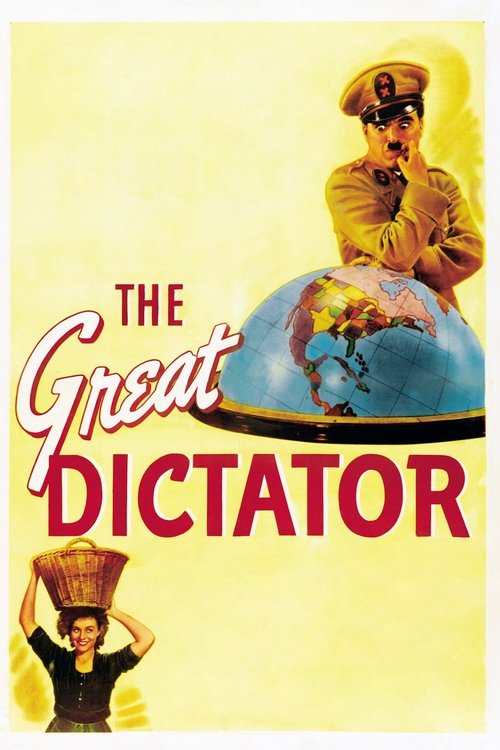
The Great Dictator1940
Charlie Chaplin plays both a dictator and a pauper in a biting satire that uses the swap premise to expose cruelty and injustice. A masterwork that shows how identical-twin narratives can carry real moral weight.
But It's a Chaplin silent-ish film; the melodrama and sentimentality of the ending will feel alien if you're used to modern pacing.
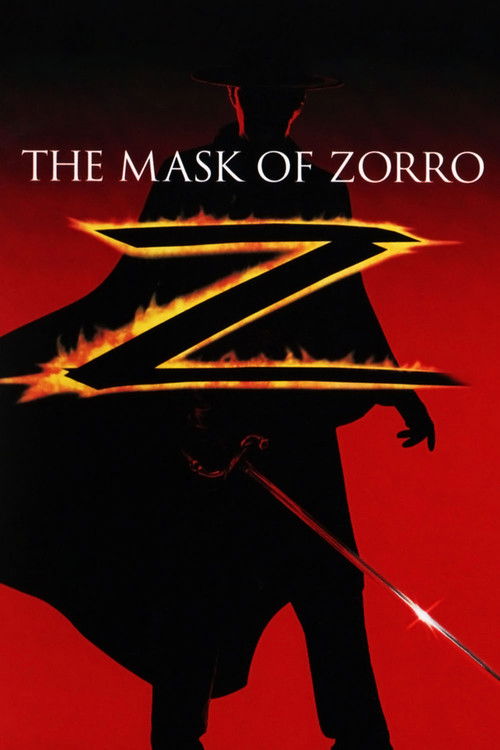
The Mask of Zorro1998
Antonio Banderas as a nobleman who secretly lives as a masked outlaw, moving between two identities to fight injustice. The same theme of hidden nobility and using disguise to champion the powerless, but with swashbuckling romance.
But It's considerably more adult and romantic than The Prince and the Pauper; the tone is darker and less whimsical.
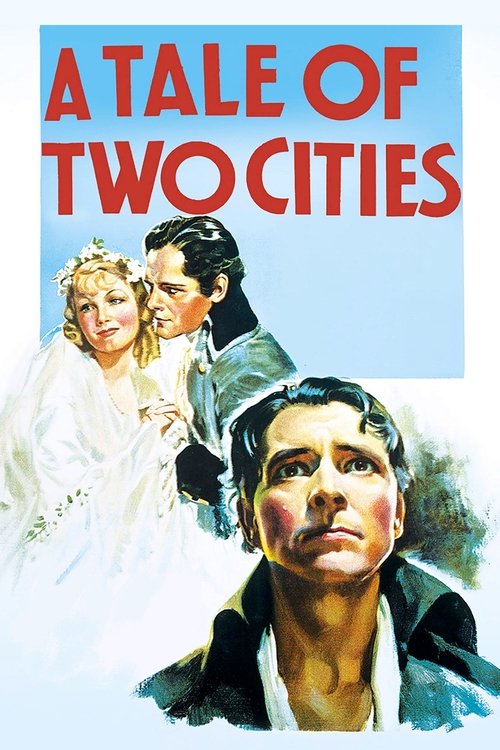
A Tale of Two Cities1935
Ronald Colman as a dissolute English lawyer who finds redemption by assuming a dead man's identity to save lives during the French Revolution. Dickens's tale of sacrifice and dual identities, genuinely moving and beautifully acted.
But It's melodramatic by modern standards, and the ending—while iconic—tips into sentimentality that some will find saccharine.
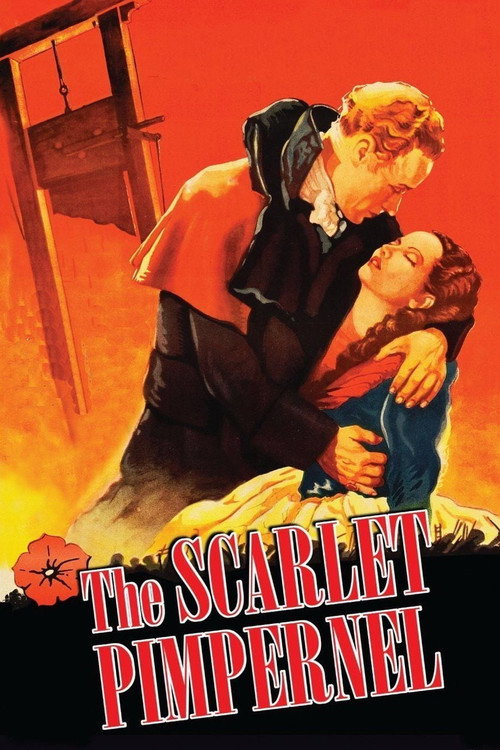
The Scarlet Pimpernel1934
Leslie Howard as an English fop who is secretly a daring revolutionary aristocrat rescuing French nobles. Like The Prince and the Pauper, it's about hidden identities and nobility of character transcending social position.
But The pacing is leisurely and the disguise scheme feels creaky; it's very much a product of its era.
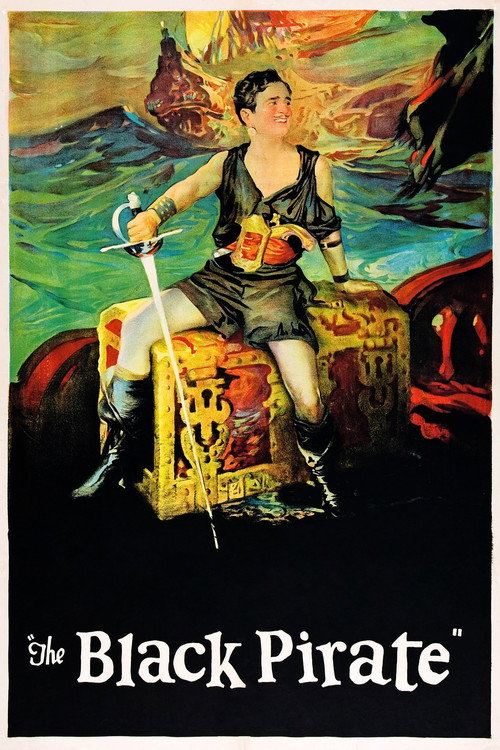
The Black Pirate1926
Douglas Fairbanks as a nobleman infiltrating a pirate crew to avenge his father. Swashbuckling adventure with real stunt work, period charm, and a hero using deception to restore justice.
But It's silent, which means you're reading titles and relying on physical comedy; the plotting is thin by design.
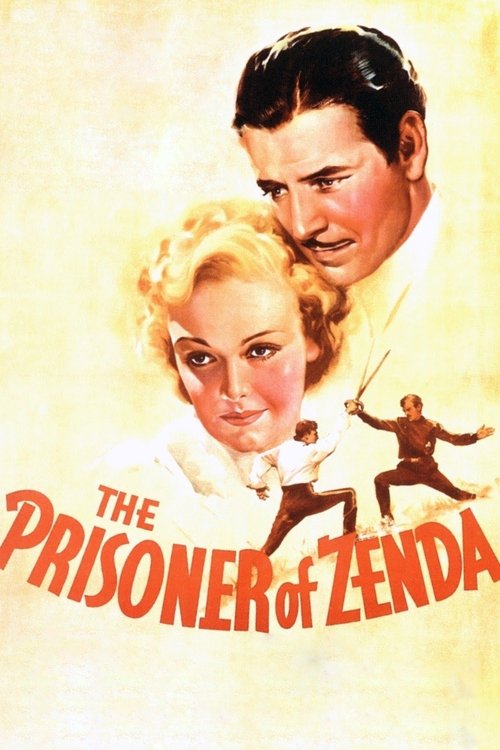
The Prisoner of Zenda1937
Ronald Colman again, this time as an Englishman forced to impersonate a European king. A classic identity-swap adventure with intrigue, romance, and the same idea that circumstance can thrust anyone into nobility.
But The plot is increasingly convoluted, and the second half gets bogged down in political intrigue that diffuses the story's momentum.
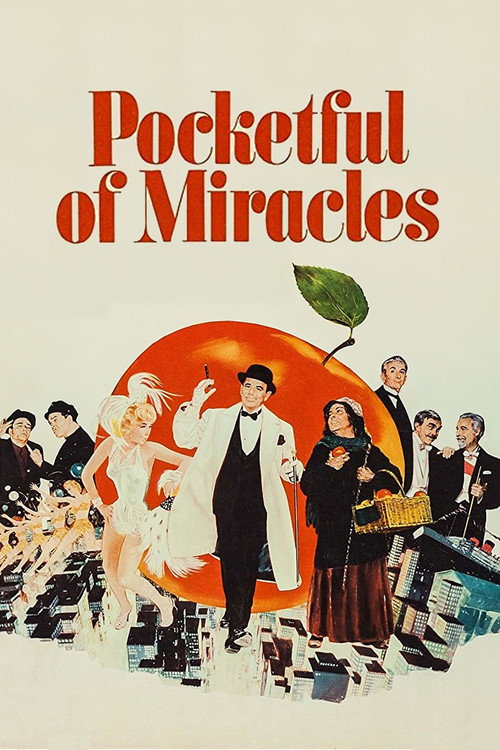
Pocketful of Miracles1961
Both believe that swapping identities reveals not difference but kinship—that if we change clothes and circumstance, we're all fundamentally the same.
Frank Capra's final film: a con man and his gang transform an old street peddler into a society matron for a day. It's a gentler, more comedic version of the identity-swap premise, full of Capra's faith in human goodness and redemption.
But It's relentlessly sentimental and the plotting is thin; modern audiences often find Capra's saccharine view of humanity exhausting rather than moving.
Moonlight2016
Both explore how identity is performative—how we become different people depending on who we're with and where we are. The Prince and the Pauper suggests this can be healed through understanding; Moonlight suggests it's a wound we carry.
A formally adventurous three-part portrait of a Black man's coming-of-age across three decades, each chapter a different aesthetic and register. It reimagines the identity-swap premise as fragmented selfhood—the boy becoming someone different in each chapter.
But It's meditative and non-narrative, relying on mood and suggestion; there's no plot engine or conventional story arc to carry you.

People
Cast
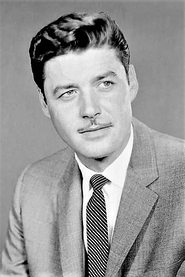 Guy WilliamsMiles Hendon
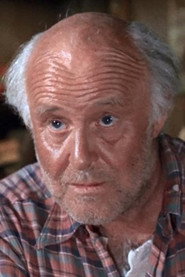 Laurence NaismithEarl of Hertford
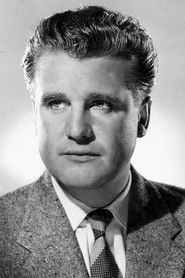 Donald HoustonJohn Canty
 Sean ScullyPrince Edward / Tom Canty
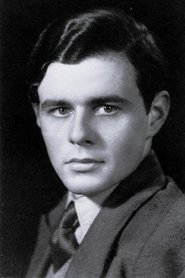 Niall MacGinnisFather Andrew
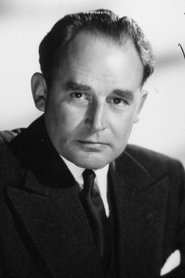 Geoffrey KeenYokel
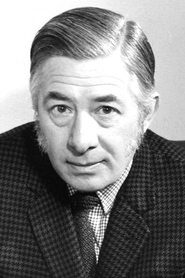 Paul RogersHenry VIII
 Dorothy AlisonMrs. Canty
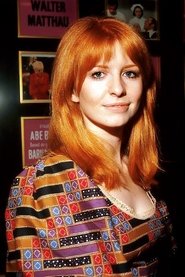 Jane AsherLady Jane Grey
 Peter ButterworthWill the Knifegrinder
 Reginald BeckwithLandlord
 Sheila AllenPrincess Mary
Directing
- Dennis BerteraAssistant Director
- Don ChaffeyDirector
Writing
- Mark TwainNovel
- Jack WhittinghamWriter
Production
- Hugh AttwoollAssociate Producer
- Walt DisneyProducer