
Film
The Secret of Moonacre
A Victorian-tinged fantasy adventure where a London orphan discovers her reclusive uncle's crumbling manor holds centuries of secrets, magic, and a curse demanding a sacrifice. Gorgeously shot with a fairy-tale atmosphere, it's a lush escape for viewers who love production design as much as plot, and who don't mind sentiment worn openly.
Should you watch it?
Watch it if you like old-fashioned children's adventure with a storybook heart, where a stubborn girl is pulled into a mossy English valley full of legend and a grudge older than anyone remembers.
Skip it if you find sugary, cosy fantasy hard to swallow, since its romance is a sketch and its villainy is more costume than menace.
What it asks of you: About an hour and three-quarters, unhurried at first, with the storytelling winding through gardens, secrets and rural set pieces rather than sprinting.
Not sure? Find tonight's pick in a minute.
If you liked this
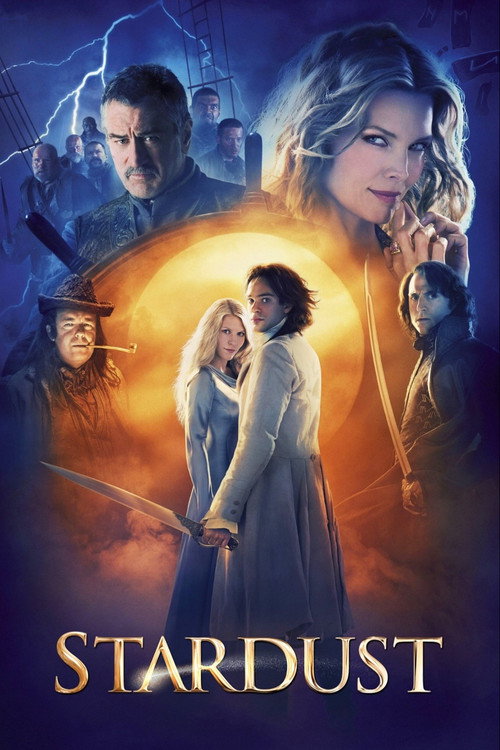
Stardust2007
A magical kingdom hidden from the modern world, a quest through impossible terrain, and romance that earns itself. This shares Moonacre's commitment to genuine enchantment and its willingness to be unironic about wonder.
But The pacing is leisurely and the plot meanders deliberately. Some viewers find that contemplative rhythm frustrating rather than atmospheric.
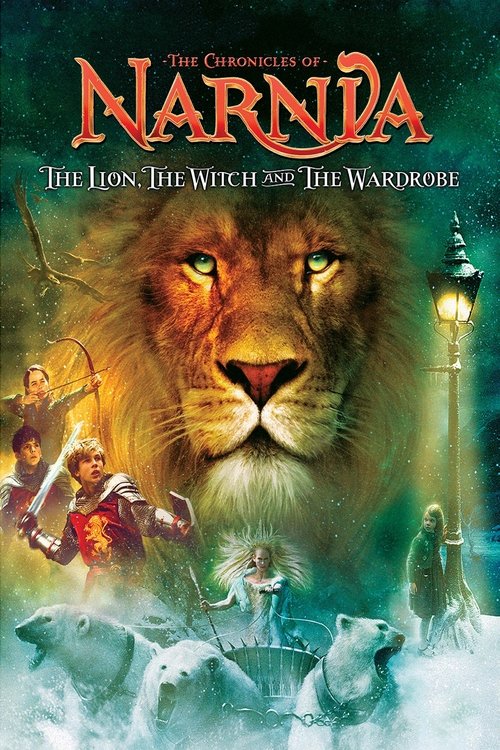
The Chronicles of Narnia: The Lion, the Witch and the Wardrobe2005
An orphaned child enters a hidden world via a found portal, guided by a wise older relative. Both films trade in that specific comfort of discovering you belong somewhere you never expected, with magical rules to learn and stakes that matter.
But The 2005 film can feel overly polished and sometimes loses the book's intimacy. The fantasy mechanics are explained rather than simply inhabited.
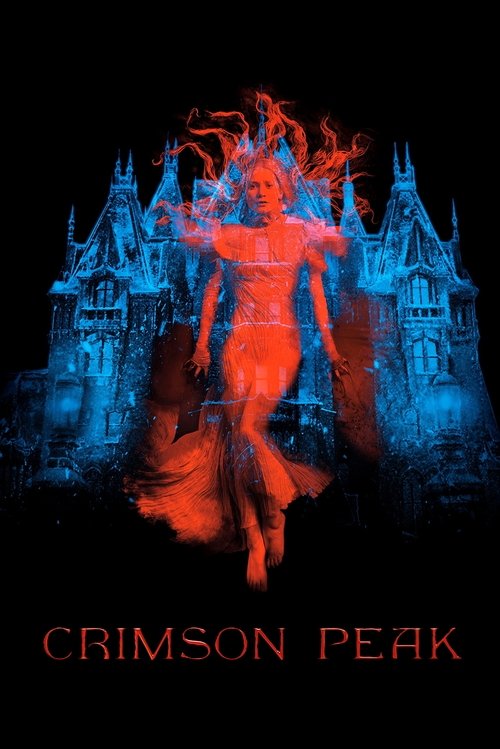
Crimson Peak2015
A haunted manor, family secrets, romance with teeth, and production design so sumptuous you want to live in the frame. It's got Moonacre's aesthetic hunger and its refusal to choose between beauty and dread.
But Guillermo del Toro's film is darker and more sinister—genuinely unsettling where Moonacre is whimsical. The tonal shift can be jarring.
Not sure tonight? Get a pick in a minute, starting from The Secret of Moonacre
The wildcard
Something you would not have found on your own.
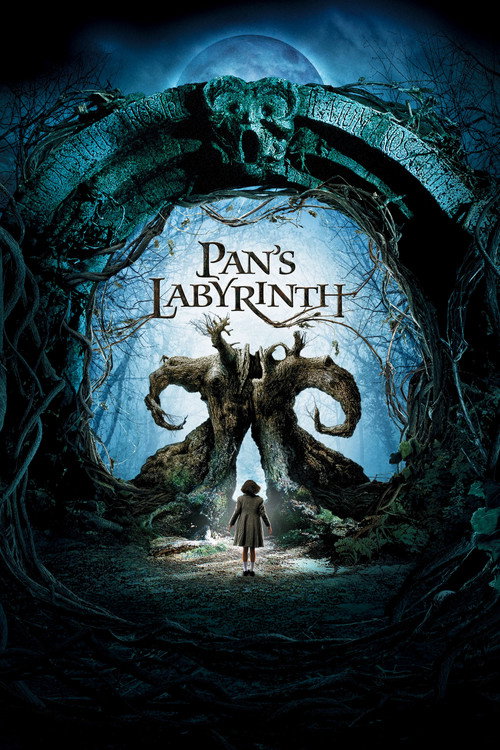
Pan's Labyrinth2006
Both believe that magic is most powerful when it lives alongside real pain. But where Moonacre offers solace, Pan's Labyrinth offers reckoning.
A girl discovers a magical realm hidden within a fascist landscape. Like Moonacre, it uses fairy-tale logic and gorgeous production design to make the fantastical feel urgent and real—but it's a companion to trauma and war, not an escape from loneliness.
But It's Spanish-language, subtitled, and contains graphic violence and child peril. The fantasy serves a serious historical narrative, not comfort.
More like this (8)
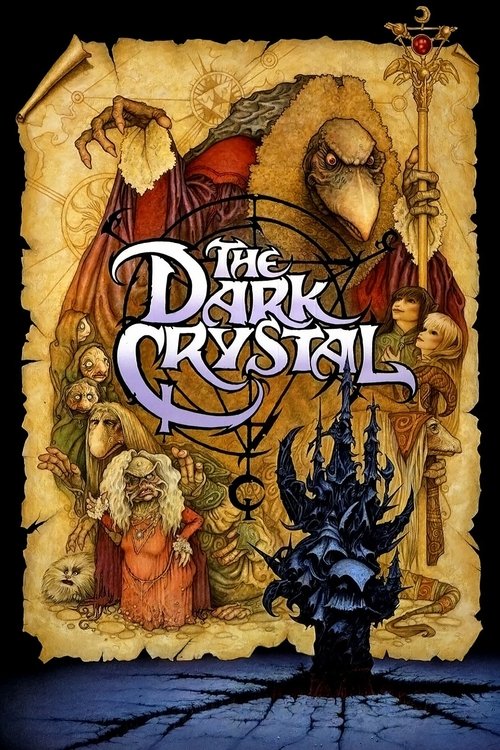
The Dark Crystal1982
A quest narrative through a fully realized secondary world, practical puppetry that feels tactile and alive, and genuine stakes balanced against a dream-like atmosphere. Both films trust their visuals to carry meaning.
But It's deliberately slow, deliberately strange. The creature design won't appeal to everyone, and the story requires patience to unfold.
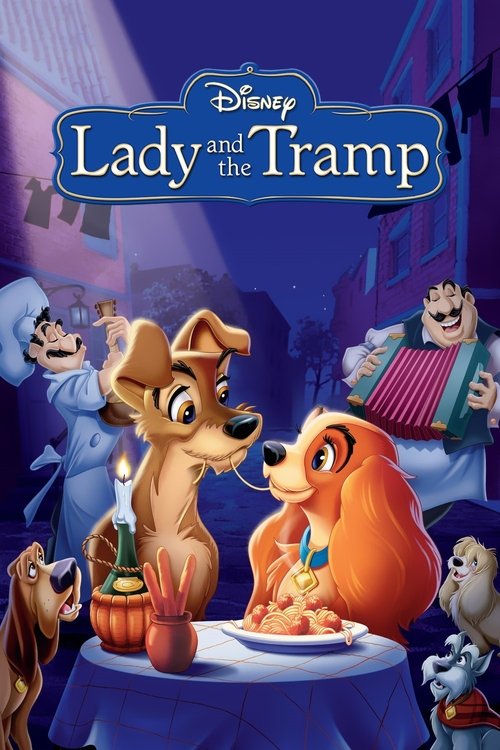
Lady and the Tramp1955
A forbidden romance bridging two worlds, lush animation that prioritizes beauty and mood over constant action. Both understand that love can be central to a story without making it cynical.
But It's a Disney film from 1955, which means dated gender dynamics and a pace that feels genuinely unhurried by modern standards.
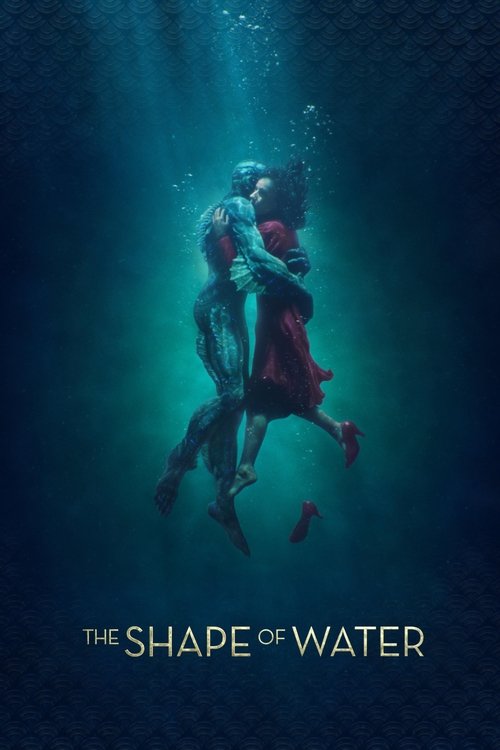
The Shape of Water2017
Romance between a woman and a creature in a decaying, gorgeous world full of political intrigue and hidden pasts. Like Moonacre, it finds beauty and tenderness in unlikely places and commits fully to its own logic.
But The film earns an R rating for a reason. It's far more sexually explicit and deals with darker themes than Moonacre's whimsy allows.
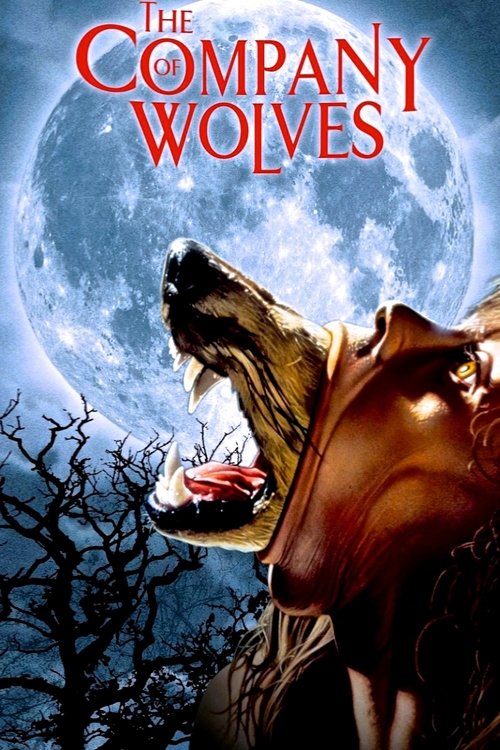
The Company of Wolves1984
A girl navigates a fairy-tale world that's unsettling and gorgeous in equal measure. Storybook logic collides with genuine dread—it proves fantasy needn't be childish to be wondrous.
But It's deliberately disorienting and sometimes incoherent. The surreal dream-logic will frustrate anyone wanting straightforward narrative.
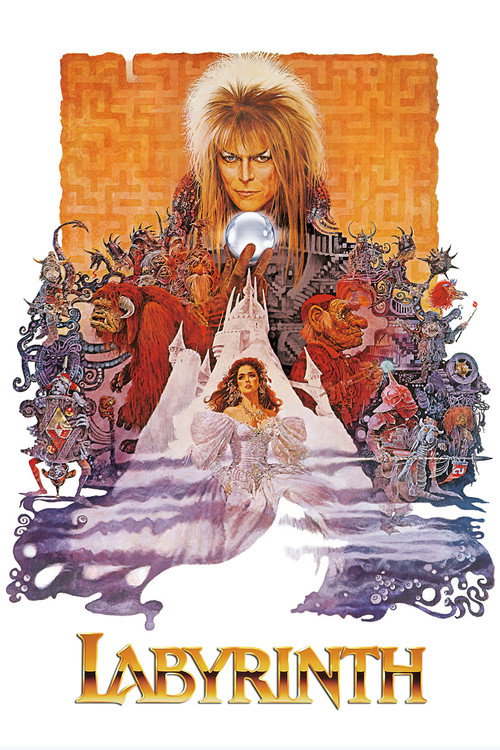
Labyrinth1986
A girl crosses into a magical realm to save someone she loves, navigates impossible architecture and cryptic characters, and discovers her own power. It's got Moonacre's mix of whimsy and genuine jeopardy, with practical effects that age beautifully.
But The tone wobbles between comedy and peril. Some find the tonal inconsistency charming; others find it distracting.
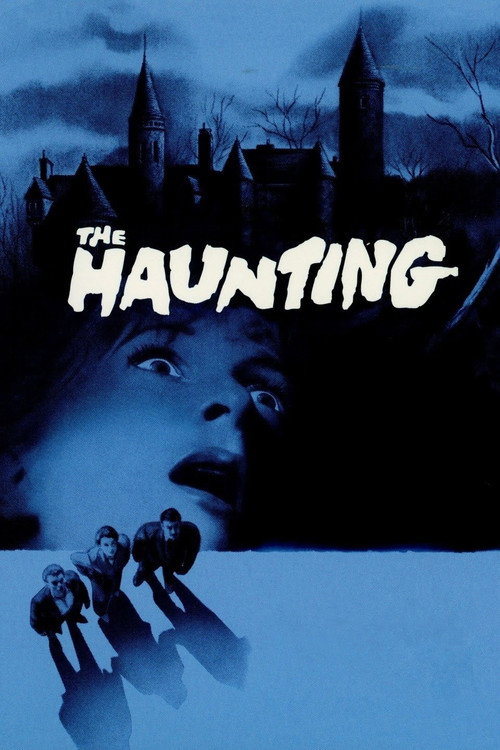
The Haunting1963
An atmospheric psychological tale centered on a mysterious old house with secrets embedded in its stones. Both films understand that a setting can be as important a character as the people inhabiting it.
But This is black-and-white, deliberately paced, and relies on suggestion rather than spectacle. Modern audiences often find it too restrained.
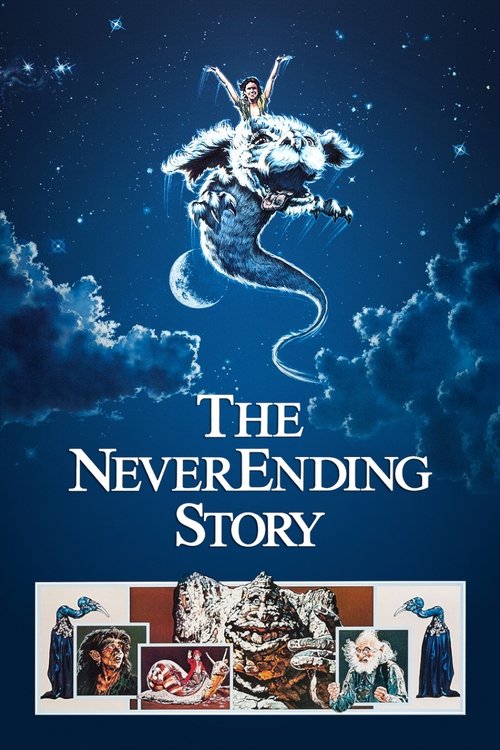
The NeverEnding Story1984
Both center on a child discovering that the worlds we create and believe in are as real as we need them to be. Moonacre is more romantic; this is more metaphysical.
A boy reading a magical book becomes part of its world, tasked with saving a fantasy realm from dissolution. It shares Moonacre's belief that imagination and story have real stakes, and that entering another world changes you.
But It's episodic and sometimes feels like it's made for younger children. The puppet work is intentionally low-tech, which some find endearing and others find cheap.
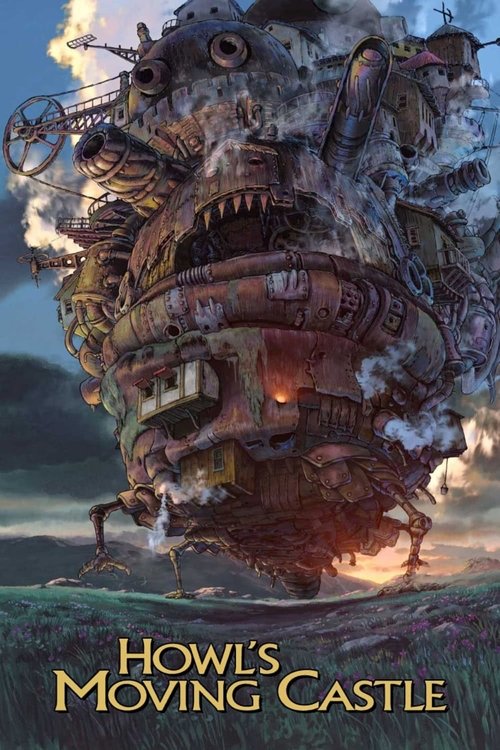
Howl's Moving Castle2004
Both are essentially love letters to old houses and the magic that lives in them. Both treat their heroines' transformations as the real story beneath the plot.
A cursed young woman enters a ramshackle magical castle and finds a world of beauty, mystery, and romance waiting inside. It's as obsessed with production design and the visual splendor of its spaces as Moonacre is, and equally unashamed about sentiment.
But It's Japanese animation, which means a completely different visual language. The narrative is deliberately loose and episodic rather than plot-driven.
People
Cast
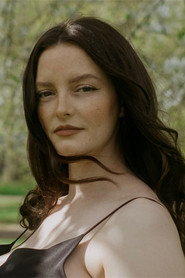 Dakota Blue RichardsMaria Merryweather
 Ioan GruffuddSir Benjamin Merryweather / Sir Wrolf Merryweather
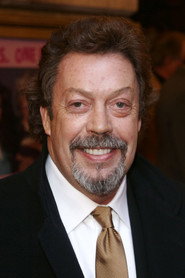 Tim CurryCoeur De Noir
 Augustus PrewRobin De Noir
 Natascha McElhoneLoveday
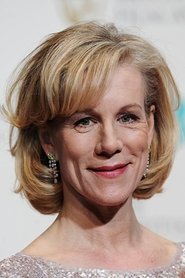 Juliet StevensonMiss Heliotrope
- Tamás TóthVicar
- György SzathmáriLawyer
- George MendelPriest
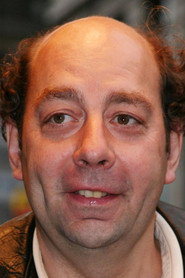 Michael WebberDigweed
- Szabolcs CsákHenry
- LurkoWrolf the Dog
Directing
- Gábor CsupóDirector
- Caroline SaxScript Supervisor
Writing
- Elizabeth GoudgeBook
- Graham AlboroughScreenplay
- Lucy ShuttleworthScreenplay
Production
- Jim DaveyAssociate Producer
- Lucy ShuttleworthAssociate Producer
- Celestia FoxCasting
- Gábor VáradiCo-Producer
- Péter MiskolcziCo-Producer
- Alex MarshallExecutive Producer
- David BrownExecutive Producer
- Jennifer SmithExecutive Producer
- Kaspar StrandskovExecutive Producer
- Matthew JoynesExecutive Producer
- Simon CroweExecutive Producer
- Simon FawcettExecutive Producer
- Victor HadidaExecutive Producer
- Brian DonovanLine Producer
- Jason PietteProducer
- Meredith GarlickProducer
- Michael CowanProducer
- Monica PendersProducer
- Samuel HadidaProducer
Recommended by
Rosemary & Thyme, Flowers in the Attic, Midnight Is a Place, The Prince and the Pauper