
Film
The Story of Robin Hood and His Merrie Men
A 1952 Technicolor adventure where young Robin Hood becomes an outlaw after his father's murder, rallying the Merrie Men in Sherwood Forest to defy Prince John's tyranny. It's brightly coloured swashbuckling for families—direct, action-packed, and refreshingly straightforward about its heroes and villains. A foundational version of the myth, made when such things still felt urgent.
If you liked this
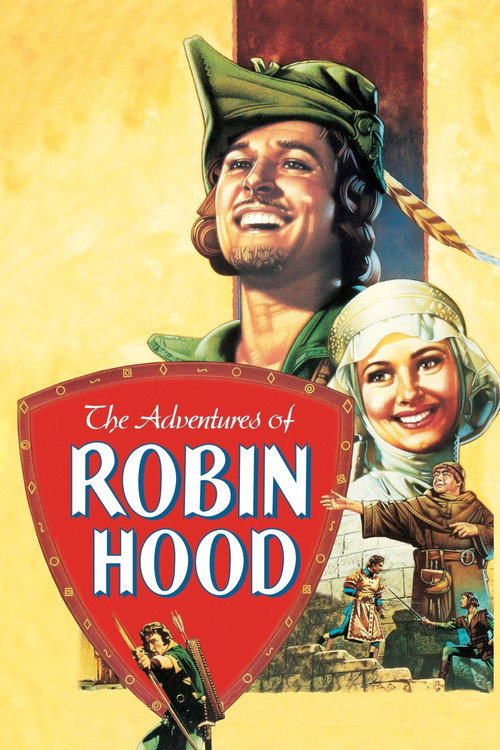
The Adventures of Robin Hood1938
Errol Flynn's definitive swashbuckler: faster, funnier, and shot in Technicolor that makes the 1952 version look muted. Pure cinema joy, the template everything else follows.
But Nearly ninety minutes of unbroken charm can feel slight if you want moral complexity or dramatic weight. It's entertainment first, nothing else.
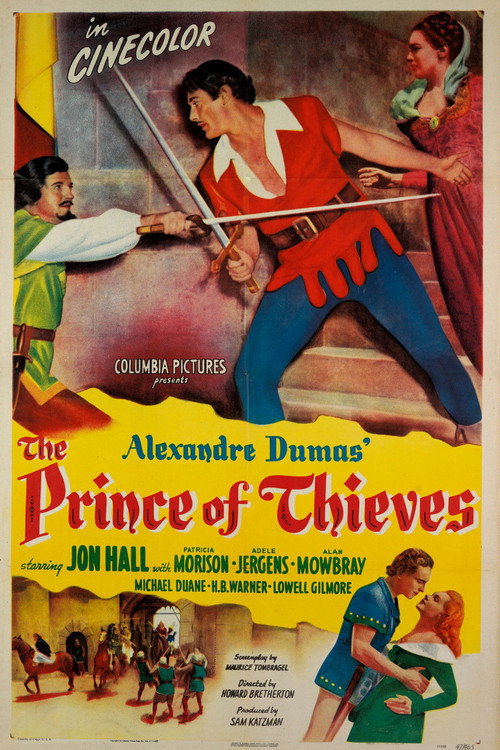
The Prince of Thieves1948
Jon Hall as Robin Hood in a version that predates the 1952 film and emphasizes the political stakes—Prince John is a real threat, not pantomime. Darker and more adult without losing adventure.
But Low budget shows in the sets and action sequences. The pacing sags in the middle act. It's workmanlike rather than inspired.
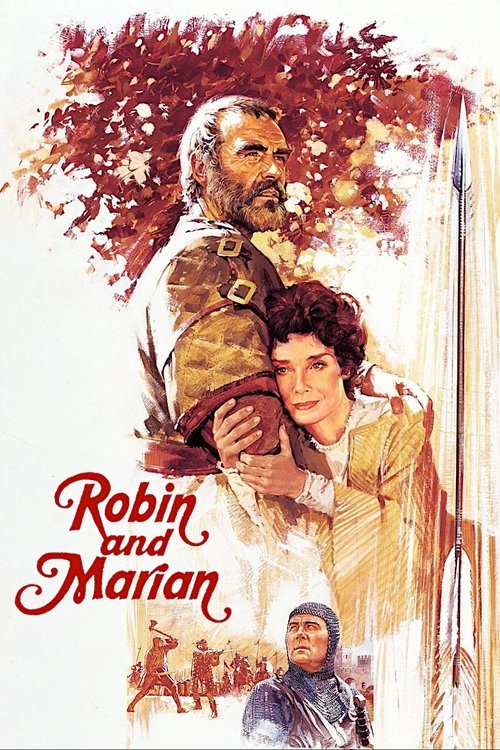
Robin and Marian1976
Sean Connery and Audrey Hepburn in middle age, returning to Sherwood as something sadder and more human. Richard Lester's direction finds melancholy and grace in the legend.
But Deliberately slow and reflective after the opening battle. If you came for swashbuckling, this is elegiac farewell instead—beautiful, but not what you wanted.
Not sure tonight? Get a pick in a minute, starting from The Story of Robin Hood and His Merrie Men
The wildcard
Something you would not have found on your own.
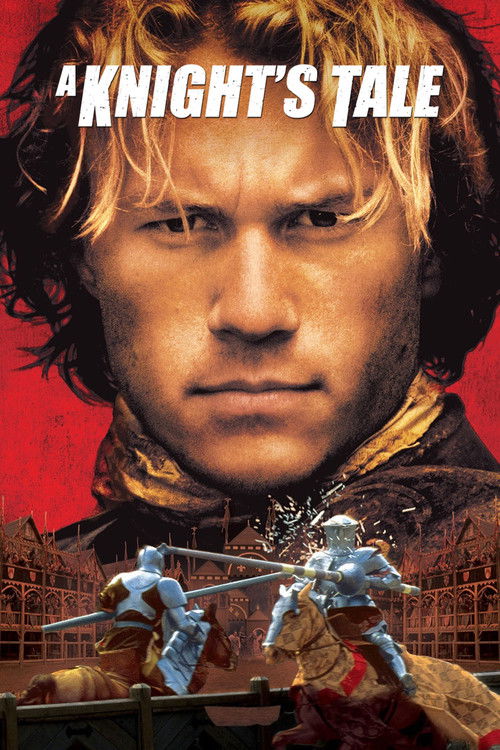
A Knight's Tale2001
Both are fundamentally about the gap between what the system allows you to be and what you actually are. Robin Hood retreats into Sherwood; William Marshal fights his way out. Same problem, opposite answers.
Heath Ledger as a peasant forging his way into nobility through skill and audacity, armed with anachronistic rock music and genuine joy. It reverses Robin Hood's trajectory—the outlaw trying to become acceptable—and finds tenderness in the impossibility of that.
But The anachronisms are deliberate and jarring. The tone is tonal soup—half-historical, half-comedy. Comes apart if you care about consistency.
More like this (8)
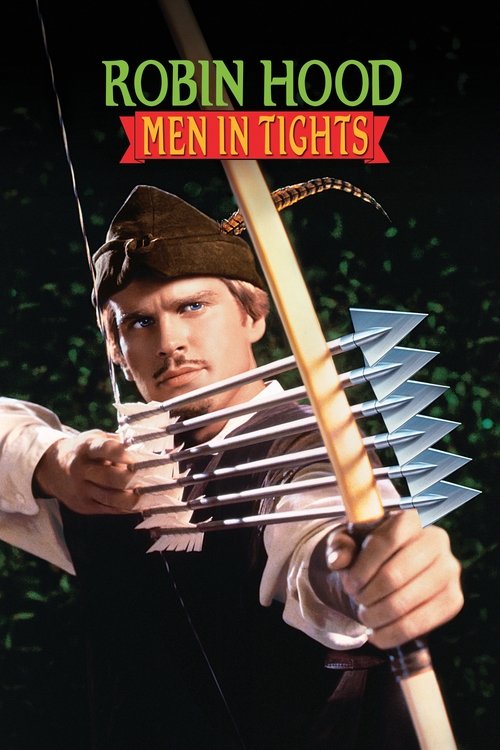
Robin Hood: Men in Tights1993
Mel Brooks's parody finds real affection for Robin Hood while demolishing every cliché. Genuinely funny without being mean to the material, and the action is actually competent.
But Comedy spoofs date badly and rely on references that don't land if you're not steeped in '90s cinema. Some jokes simply don't work anymore.
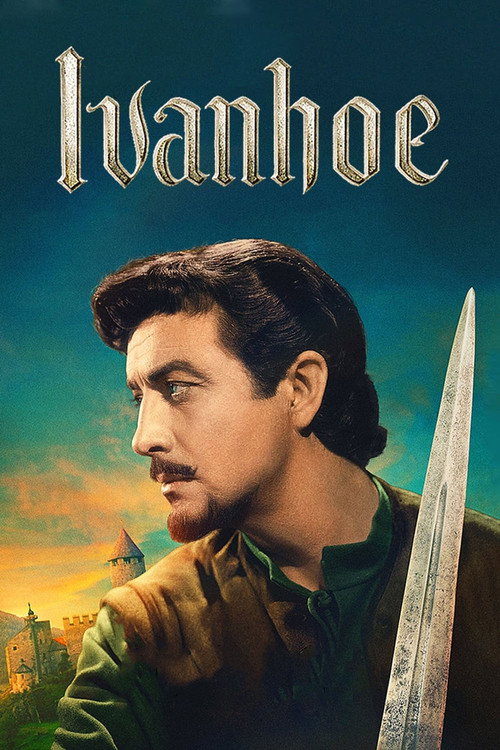
Ivanhoe1952
Made the same year by the same studio, with overlapping cast and crew. Robert Taylor in medieval England—similar tone, similar Technicolor splendour, same satisfying clarity about right and wrong.
But Even more earnest and plot-heavy than Robin Hood. The romance takes up space the adventure doesn't have. Requires patience with mid-century pacing.
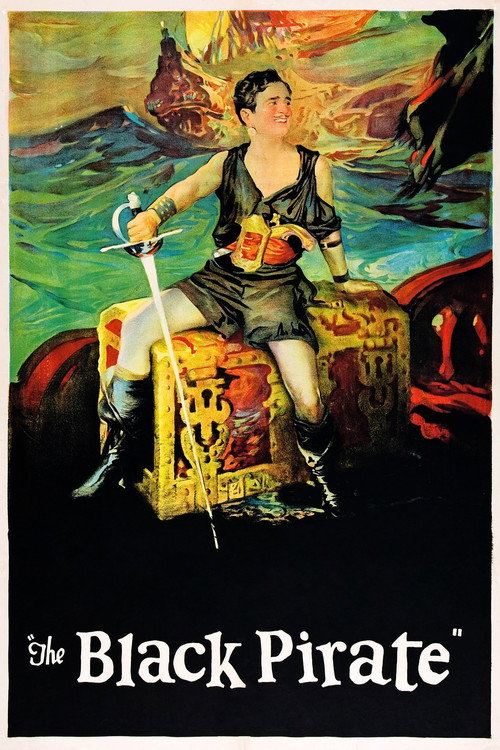
The Black Pirate1926
Douglas Fairbanks Sr. in silent action adventure—the granddaddy of everything Robin Hood movies learned. Inventive stunts, visual storytelling that makes dialogue seem unnecessary.
But Silent film, obviously. The title has nothing to do with Robin Hood. Requires adjustment to a completely different cinematic language.
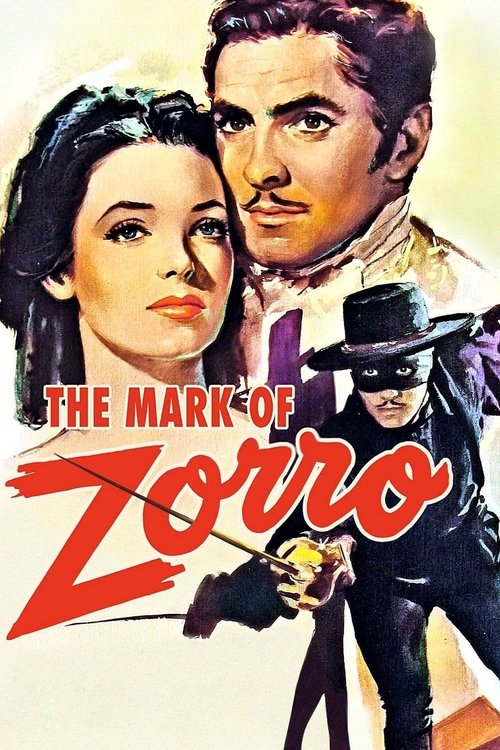
The Mark of Zorro1940
Tyrone Power as a masked avenger fighting injustice from the shadows. The DNA of every Robin Hood and superhero story that followed, executed with real style and perfect comic timing.
But Spanish California rather than Sherwood Forest means the political conflict feels less personal. The tone wavers between comedy and earnestness.
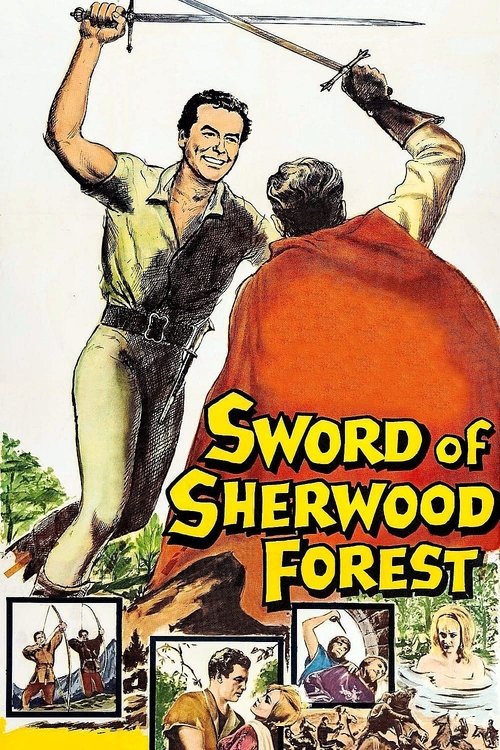
Sword of Sherwood Forest1960
Peter Cushing as the Sheriff, Ivor Emmanuel as Robin—a British production that treats the legend with genuine respect. Lean, focused, and visually distinctive in colour.
But Deliberately low-key after Technicolor spectacle. The second and third acts drift. Cushing steals every scene he's in, leaving everyone else adrift.
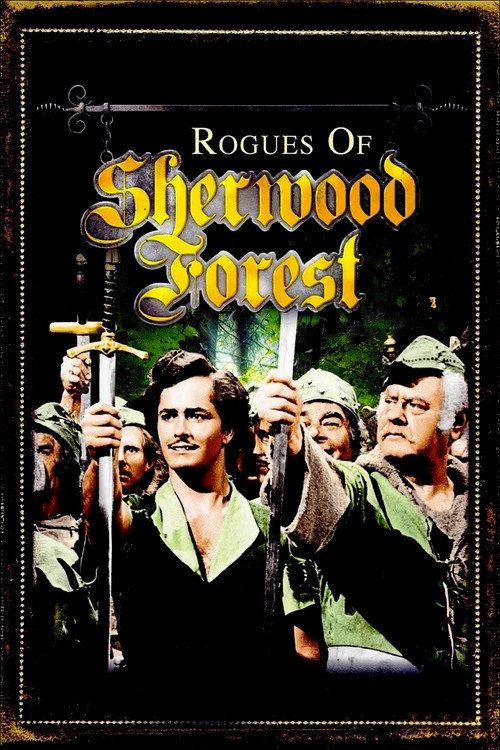
Rogues of Sherwood Forest1950
John Derek before he became famous, in a brisk adventure that doesn't mistake itself for something it isn't. Eighty-two minutes of pure plot momentum with charm to spare.
But Genuinely obscure and minor. Made quickly and cheaply, it shows. The dialogue can be wooden. You'd only find this if you were hunting.
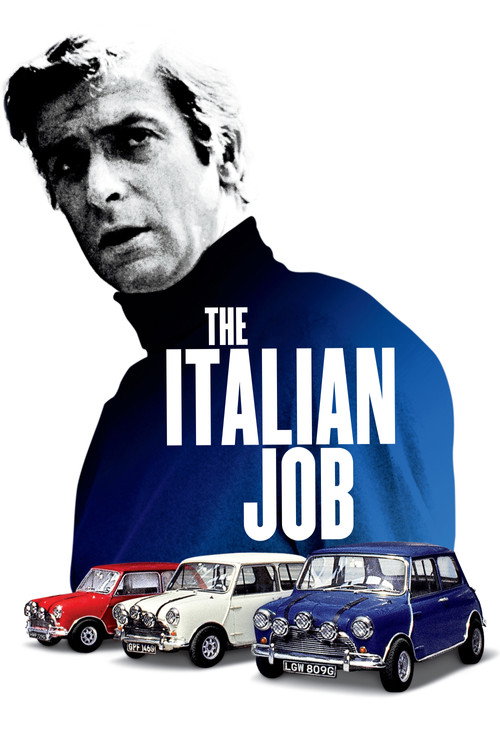
The Italian Job1969
Both celebrate competent outlaws who steal from the corrupt powerful and do it because the system left them no honest choice. The Merrie Men and the heist crew operate on identical logic: loyalty, skill, and cheerful amorality in service of something just.
Michael Caine and a crew of lovable rogues pulling off the perfect heist against corrupt authority. The film's warmth comes from these men genuinely liking each other—Sherwood Forest as a London heist movie, outsiders who are better than the system they're stealing from.
But The heist consumes the final third. The women are functional. The political edge is window-dressing around what's really a caper comedy.
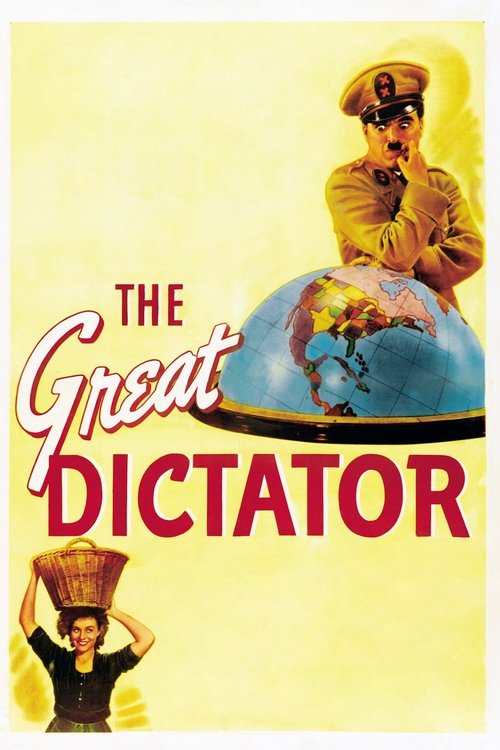
The Great Dictator1940
Both films are made when their respective systems (monarchy, fascism) are still active threats, and both choose clarity over ambiguity. They're made by people who had something urgent to say about power and justice and chose directness over sophistication. Robin Hood and the barber both speak for the people the powerful have decided don't matter.
Chaplin as a Jewish barber mistaken for a fascist dictator, speaking directly to camera about tyranny and mercy when the film could easily just be satire. A quiet film that becomes profound without warning. The final monologue is one of cinema's greatest moments.
But Tonal whiplash—the first half is slapstick, the second half is grief. For a 1940 film made during the war, it was politically dangerous in ways that feel distant now. The satire is blunt.
People
Cast
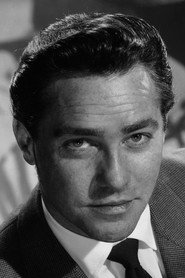 Richard ToddRobin Hood
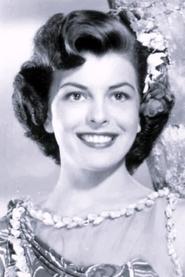 Joan RiceMaid Marian
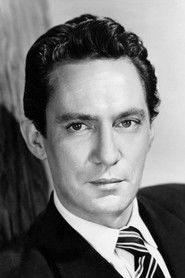 Peter FinchSheriff of Nottingham
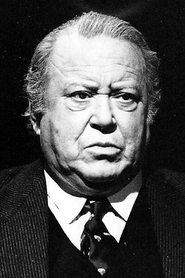 James HayterFriar Tuck
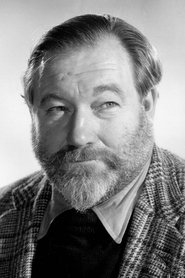 James Robertson JusticeLittle John
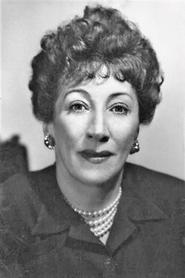 Martita HuntQueen Eleanor
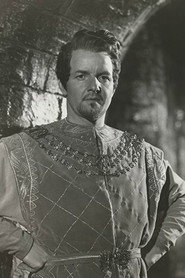 Hubert GreggPrince John
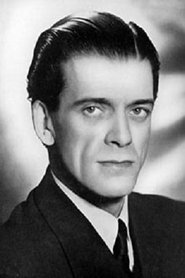 Bill OwenStutely
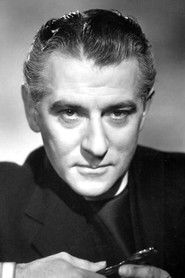 Reginald TateHugh Fitzooth
- Elton HayesAllan - a - Dale
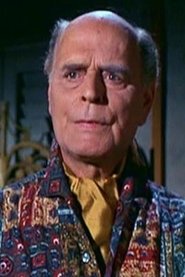 Anthony EustrelArchbishop of Canterbury
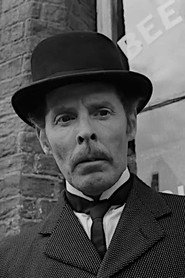 Hal OsmondMuch the Miller
Directing
- Peter BoltonAssistant Director
- Ken AnnakinDirector
- Alex BryceSecond Unit Director
Writing
- Lawrence Edward WatkinScreenplay
Production
- Walt DisneyExecutive Producer
- Perce PearceProducer
- Douglas PeirceProduction Manager
- F. Sherwin GreenUnit Manager
Recommended by
The Golden Voyage of Sinbad, Sword of Sherwood Forest, Rogues of Sherwood Forest, The Black Knight, The Men of Sherwood Forest