
Film
The Black Knight
A blacksmith-turned-swordsman invents a masked alter ego to win a lady's heart and save Arthurian Britain. This 1954 Technicolor adventure leans into spectacle and swashbuckling over historical weight, delivering Saturday-matinee thrills with castle raids, sword fights, and a hero juggling identity crises. It's for anyone who wants colour, action, and the cosy fantasy of a medieval Britain that never quite existed.
Should you watch it?
Watch it if you want a brisk, old-fashioned swashbuckler where a humble craftsman's secret double life drives the fights and the romance, and you enjoy costume-drama myth played with a straight face.
Skip it if you need modern pacing or a serious take on the legend, since this one keeps its tone bright, its plotting simple, and its swordplay more cheerful than gritty.
What it asks of you: At eighty-five minutes, it moves in brisk scenes and asks only for light, undivided attention, accepting its myth-making without much irony or sorrow.
Not sure? Find tonight's pick in a minute.
If you liked this
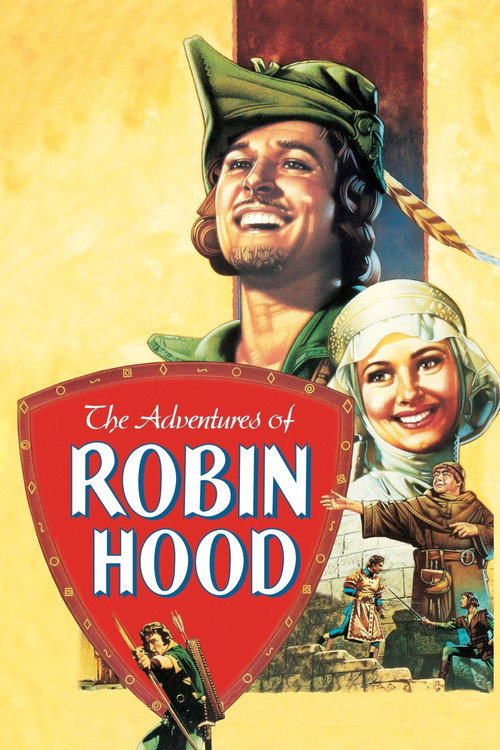
The Adventures of Robin Hood1938
The template Technicolor adventure: vibrant, energetic, packed with sword work and romantic tension. Errol Flynn moves through this like he was born mid-cartwheel. If you enjoy The Black Knight's colour palette and swashbuckling energy, this is where it learned to play.
But The pacing feels leisurely by modern standards, and the Technicolor process sometimes looks softer than you'd expect. Some action beats sit longer than they need to.
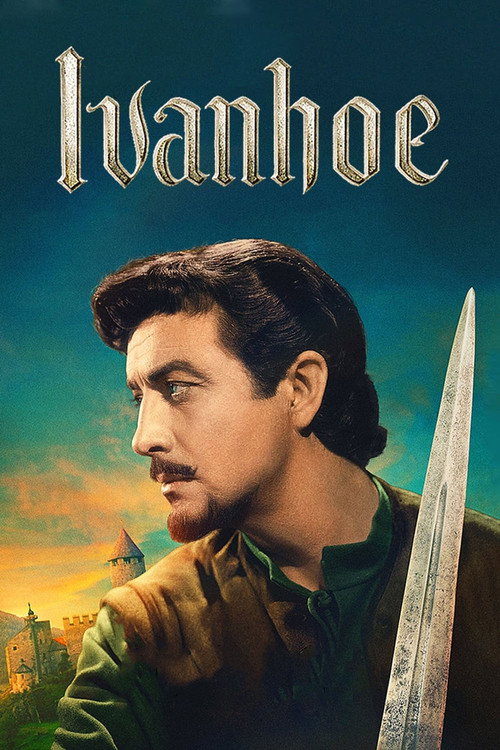
Ivanhoe1952
Robert Taylor as another masked knight protecting the realm while nursing a secret identity crisis. Shares The Black Knight's Technicolor grandeur, medieval pageantry, and that very 1950s earnestness about honour and duty. More sweeping in scope.
But Nearly three hours long, and the political intrigue can feel talky compared to the action sequences you're waiting for. Also somewhat heavy on the nobility angle.
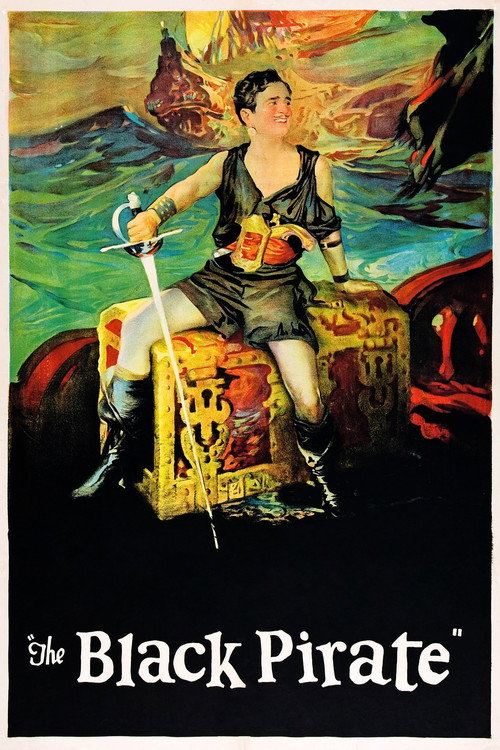
The Black Pirate1926
Douglas Fairbanks inventing the modern action hero—an aristocrat in disguise, fighting wrongs while the world thinks he's a villain. Silent, but the stunts are so clever and visible you won't miss dialogue. Pure kinetic joy.
But It's silent, which means it requires different watching muscles. The print quality varies, and some sequences are dated even by 1920s standards. Comedy relief feels very old.
Not sure tonight? Get a pick in a minute, starting from The Black Knight
The wildcard
Something you would not have found on your own.
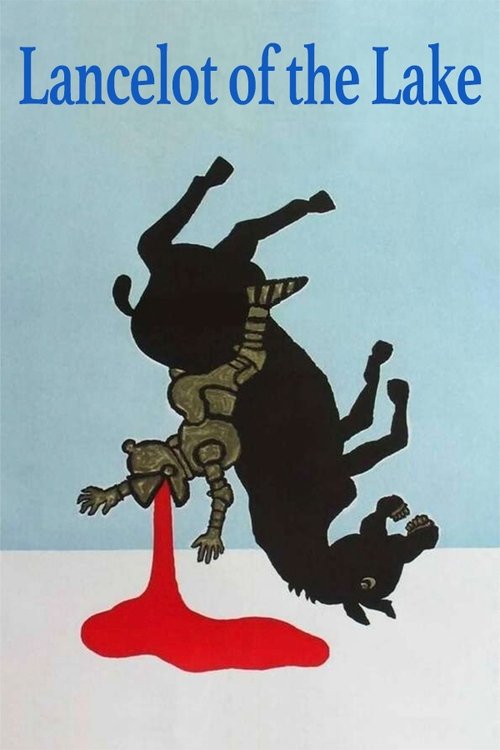
Lancelot of the Lake1974
Both films centre on a knight's obligation to Camelot and the tension between personal desire and duty. The Black Knight solves it with a secret identity; Bresson says the conflict is insoluble. Opposite answers to the same question.
Bresson's fractured, radical reinvention of Arthurian legend. The same characters and castle, but stripped of romance and pageantry—armour clanks, knights are exhausted, Camelot is morally bankrupt. Cinema instead of theatre.
But There is almost no conventional plot. It's meditative, austere, sometimes deliberately boring. If you wanted adventure and got experimental French cinema instead, this will frustrate you deeply.
More like this (7)
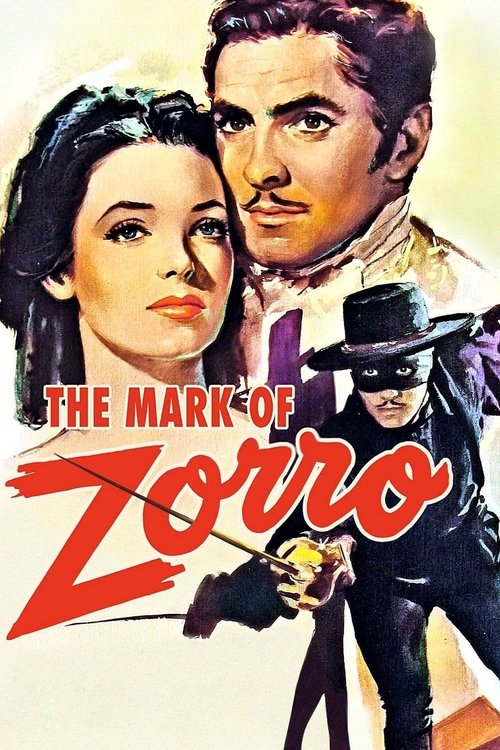
The Mark of Zorro1940
Tyrone Power as the original masked swordsman superhero—nobleman by day, justice-dealing avenger by night. The plot DNA of The Black Knight lives here. Tighter and more focused than you might expect from 1940.
But Feels more like a prototype than the finished idea. The romance subplot doesn't quite sing, and the action scenes are brief by adventure standards.
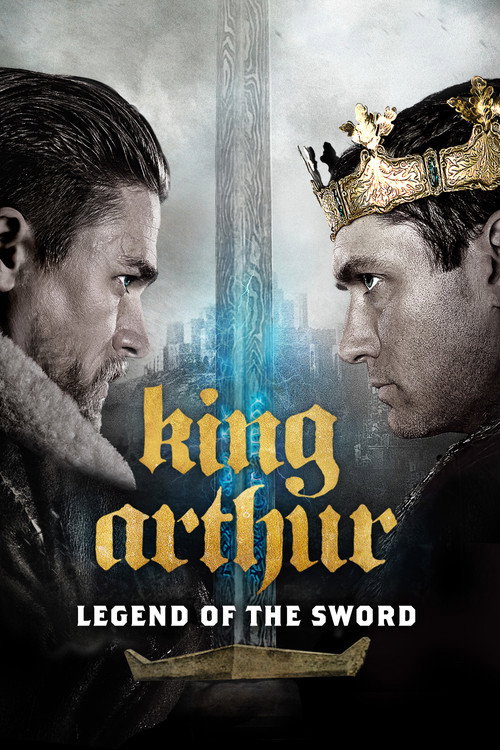
King Arthur: Legend of the Sword2017
Guy Ritchie's visceral, kinetic take on Arthurian legend. Fast-cut, loud, impossibly stylish—the opposite of stately. If you want a version where Camelot feels like it has an actual pulse and muscles.
But It sacrifices character depth for visual bombast. Some find Ritchie's style exhausting rather than exhilarating. The plot doesn't have time to breathe between set pieces.
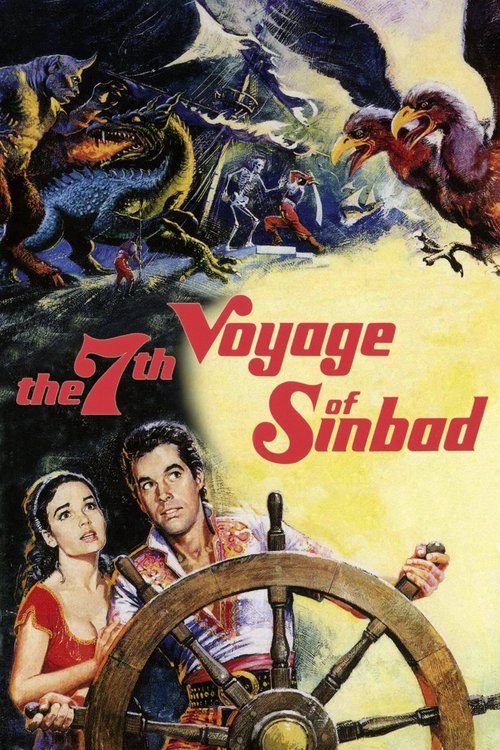
The 7th Voyage of Sinbad1958
Ray Harryhausen's stop-motion magic. A hero on an impossible quest, fighting monsters and magic with courage and wit. The same spirit as The Black Knight—adventure cinema that delights in spectacle and doesn't apologize.
But The stop-motion can feel stiff to modern eyes, and the dialogue isn't the draw here. Pacing is deliberate; it's not rushing toward anything.
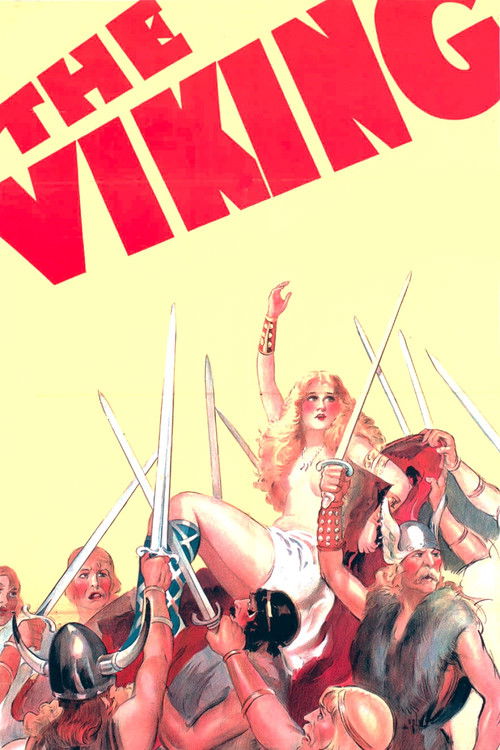
The Viking1928
Another silent adventure with a hidden-identity premise: a man poses as a Viking to infiltrate enemy ranks. Practical stunts, genuine excitement, that pre-1930s sincerity about heroism. Direct spiritual cousin to The Black Knight.
But Silent, with all the attendant issues. The plot is simple to the point of spare, and special effects are minimal. Requires patience with a different rhythm entirely.
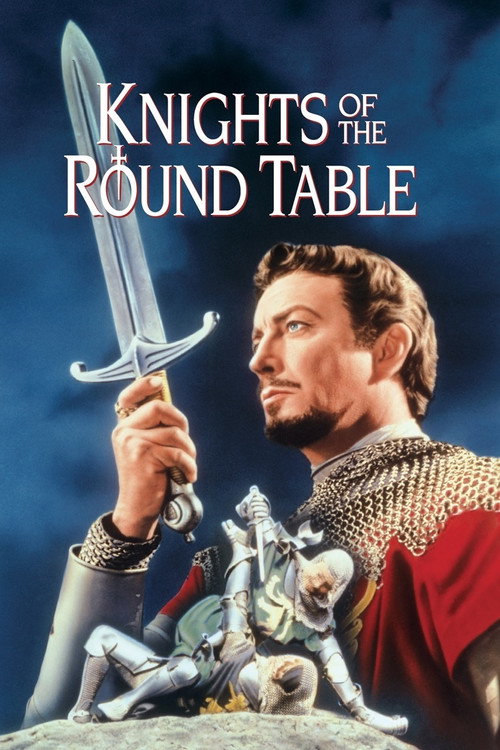
Knights of the Round Table1953
MGM's Technicolor Arthurian spectacle, made a year before The Black Knight. Ava Gardner, Robert Taylor, a tournament climax that's genuinely thrilling. Bigger budget, similar sensibility.
But More interested in romantic intrigue than action, which some find dilutes the adventure. The love triangle feels overdone even for 1953. Runs long without quite earning it.
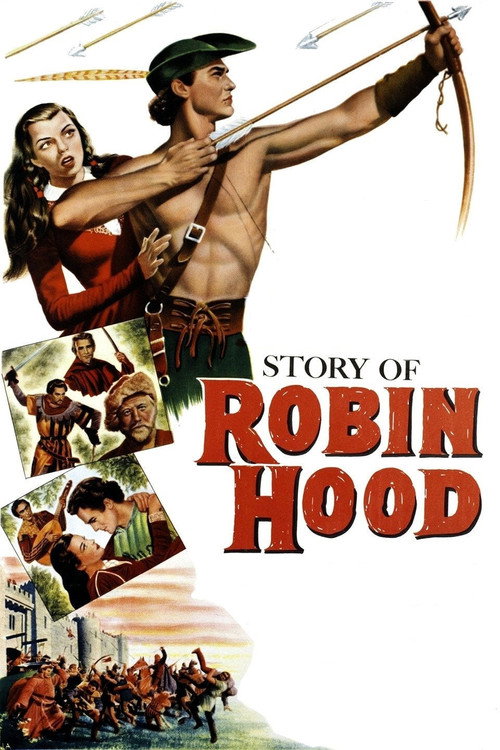
The Story of Robin Hood and His Merrie Men1952
A British Technicolor adventure from the same era and studio ecosystem as The Black Knight, with sword work, a secret identity, and genuine affection for its own mythology. Solid, unironic fun.
But The acting is stagy, and it doesn't have the energy or invention of the best '50s adventures. Feels like a well-made television movie in spots.
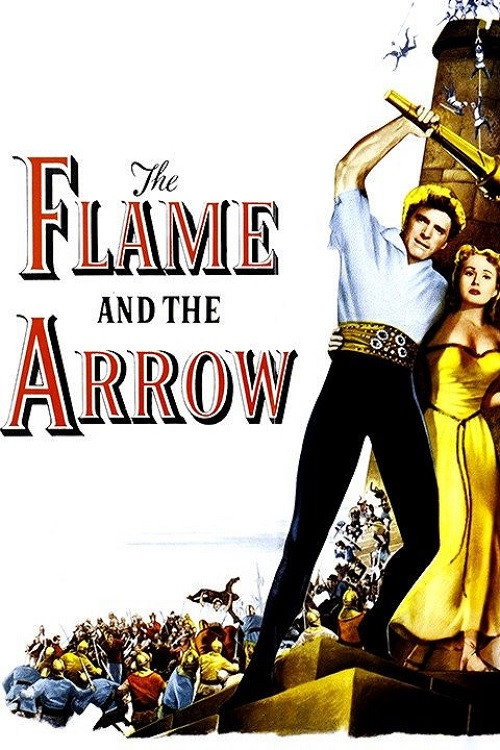
The Flame and the Arrow1950
Both feature a low-born hero creating an alternate identity through costume and spectacle to gain power in a feudal world. But where The Black Knight uses swords and secrecy, Lancaster uses acrobatics and show—the same social mobility achieved through entertainment.
Burt Lancaster in an Italian-set medieval adventure where he invents trapeze acrobatics as weaponry. The same Technicolor spectacle, but the hero is a commoner outsider using wit and body instead of noble swordwork. Pure physical cinema.
But The action is occasionally incoherent—you're not always sure what's happening or why it matters. Lancaster's charm carries scenes that don't quite earn themselves. Some find it silly rather than swashbuckling.
People
Cast
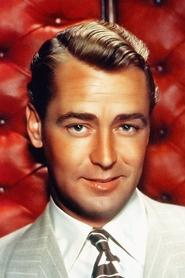 Alan LaddJohn
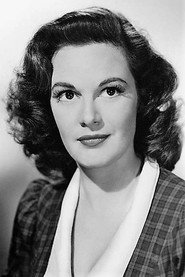 Patricia MedinaLinet
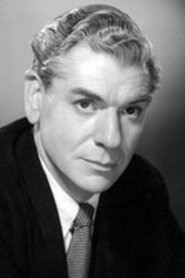 André MorellSir Ontzlake
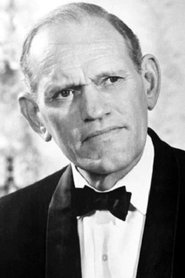 Harry AndrewsEarl Of Yeonil
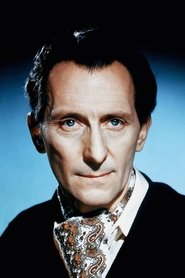 Peter CushingSir Palamides
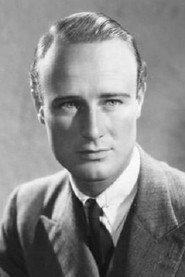 Anthony BushellKing Arthur
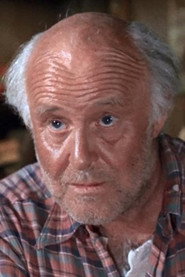 Laurence NaismithMajor Domo
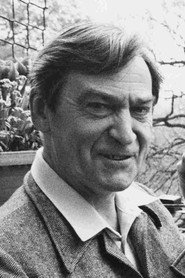 Patrick TroughtonKing Mark
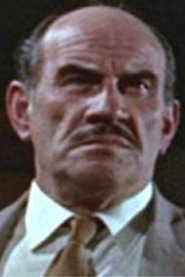 Bill BrandonBernard
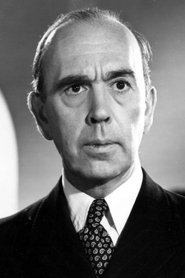 Ronald AdamThe Abbot
- Basil ApplebySir Hal
- Tommy MooreThe Apprentice
Directing
- Phil ShipwayAssistant Director
- Betty HarleyContinuity
- Tay GarnettDirector
- Betty HarleyScript Supervisor
Writing
- Bryan ForbesDialogue
- Dennis O'KeefeDialogue
- Alec CoppelScreenplay
Production
- Phil C. SamuelAssociate Producer
- George BrownOther
- Albert R. BroccoliProducer
- Irving AllenProducer
- Adrian D. WorkerProduction Supervisor
- Arthur AlcottProduction Supervisor
- Jean OsbornePublicist