
Film
Lancelot of the Lake
Bresson's austere masterpiece strips Arthurian legend to its armoured skeleton—a meditation on desire, duty, and the corruption of ideals. The knights clank through mist-shrouded forests in silver-grey silence, their mythic quest reduced to intimate betrayal and political ruin. Formally severe and emotionally devastating, it's for viewers hungry for cinema that thinks in images rather than words.
Should you watch it?
Watch it if you love austere, deliberately withheld filmmaking where meaning sits in gestures, clanking armour and long unbroken shots rather than in speeches or swordplay spectacle.
Skip it if you want rousing battles or emotionally open performances, since the acting is deliberately flat and the pace is slow, ritualistic and often wordless.
What it asks of you: Eighty-five minutes of patient, stilted, sparse ceremony, with long takes that let horses, armour and faces do the talking.
Not sure? Find tonight's pick in a minute.
If you liked this
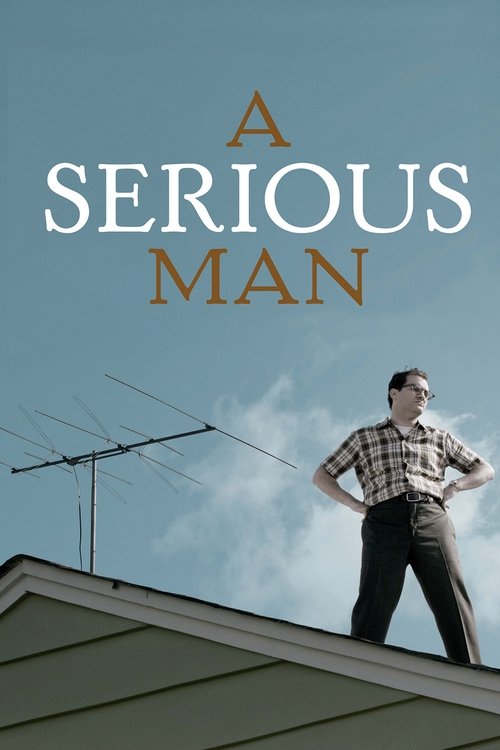
A Serious Man2009
Both films are about men paralysed by impossible moral choices, set in worlds that feel sealed off from redemption. The Coens use dark comedy where Bresson uses silence, but the architecture of anguish is identical.
But It's set in 1960s Minneapolis, not medieval France. If you want that period milieu, this abandons it entirely.
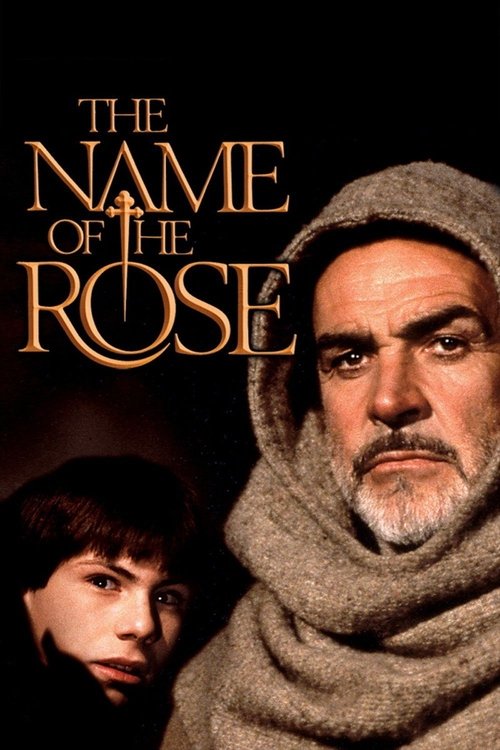
The Name of the Rose1986
Annaud's mystery unfolds in a monastery under institutional pressure, with the same grey-stone severity and moral weight. Sean Connery's intellectual detective echoes the knights' failed search for meaning.
But It's far more plot-driven and explicable than Bresson. Where Lancelot breathes silence, this one explains itself.
The Seventh Seal1957
Bergman's knight returning from crusade, haunted by what he's seen and failed to accomplish, faces death and moral collapse. Medieval Europe as a place of psychological desolation, not pageantry.
But Bergman is more metaphysically explicit. Bresson trusts you to feel the emptiness without being told.

Not sure tonight? Get a pick in a minute, starting from Lancelot of the Lake
The wildcard
Something you would not have found on your own.
Shoah1985
Both are formally austere meditations on guilt and the inadequacy of speech to address human catastrophe. Both use landscape and the body as primary texts.
Lanzmann's nine-hour documentary uses long, wordless takes of landscapes and faces to convey the unspeakable. Like Lancelot, it trusts silence and repetition as bearers of truth. Both films believe atrocity and moral failure live in what is *not* said.
But It's a Holocaust documentary, not medieval romance. The subject matter is incomparably graver, and the runtime demands genuine commitment. This is not entertainment.
More like this (7)
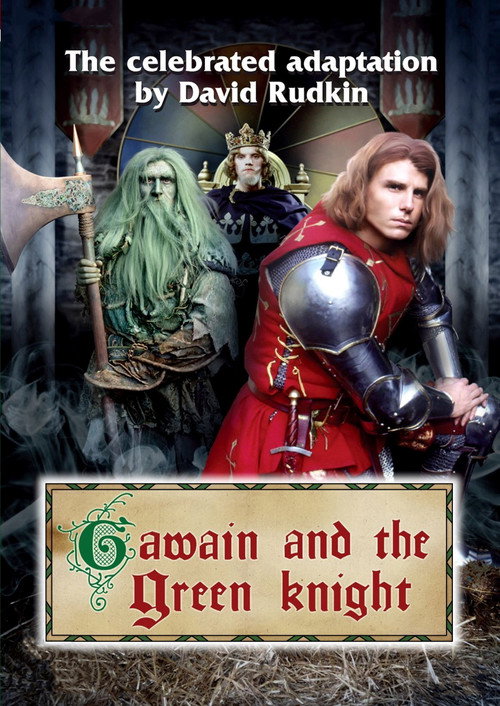
Gawain and the Green Knight1991
Ciaran Carson's adaptation embraces the poem's strangeness and moral knottiness rather than explaining it away. Another English medieval tale that prizes integrity and honour as impossible, beautiful burdens.
But It's more accessible than Lancelot but less formally innovative. You might find it covers similar ground without the aesthetic precision.
Stalker1979
Tarkovsky's pilgrimage through a mysterious zone carries the same dreamlike inevitability. Men moving through landscape toward something they cannot possess, with every step a betrayal of something else.
But It's nearly three hours of slow Russian cinema. The reward is metaphysical rather than dramatic; patience is mandatory.

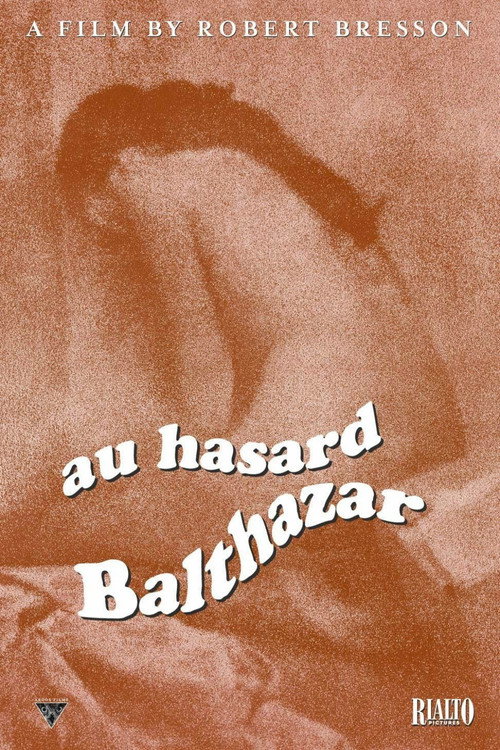
Au Hasard Balthazar1966
Bresson's own earlier film: a donkey witnesses human sin and suffering with mute acceptance. The same visual austerity, the same belief that cinema speaks through objects and bodies rather than explanation.
But A donkey is the protagonist. If you need human psychology centre-stage, this will feel oblique and frustrating.
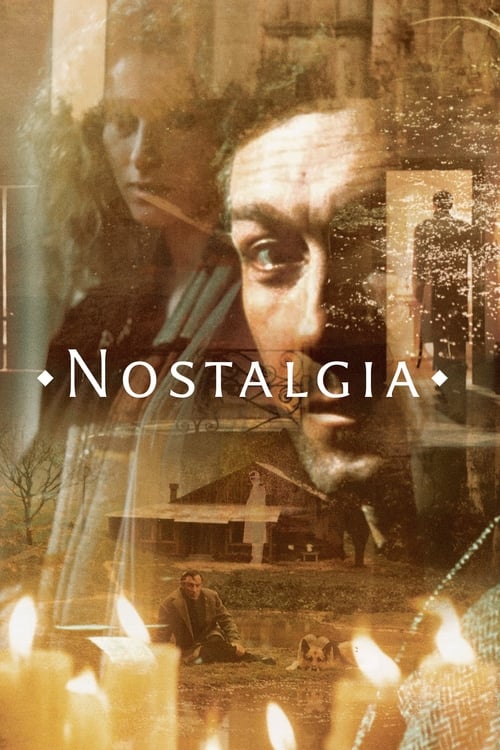
Nostalgia1983
Tarkovsky again, but this time a man torn between fidelity to his past and an impossible present love. The same languorous, inescapable architecture of longing and duty in collision.
But It's set in Italy, not Camelot, and moves even slower than Stalker. Some will find it indulgent rather than meditative.
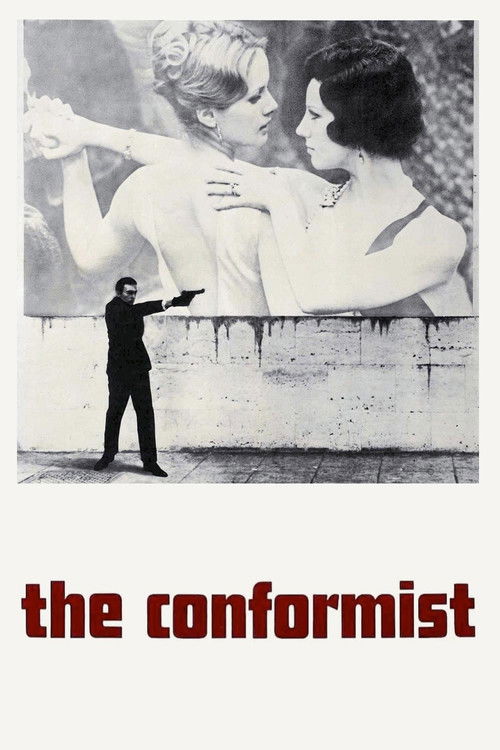
The Conformist1971
Bertolucci's portrait of a man choosing political loyalty over personal desire, shot through with dread and beauty. The 1970s aesthetics are different, but the moral machinery—duty versus love—turns the same way.
But It's a Fascist-era thriller, narratively complex in ways Lancelot refuses to be. You might miss the formal precision for plot momentum.
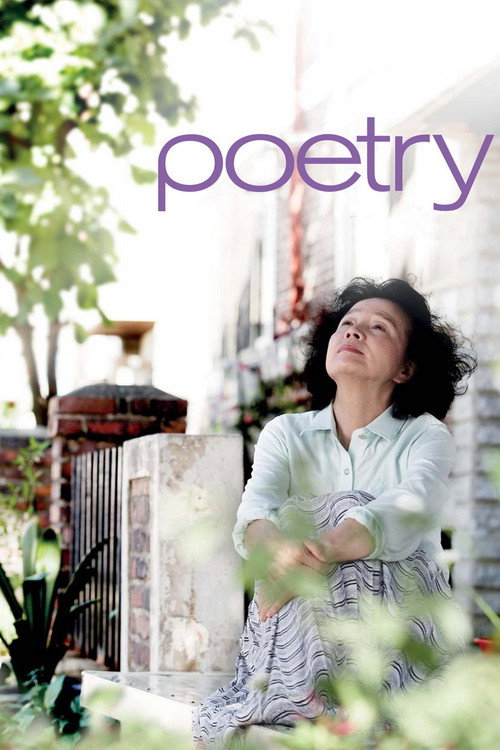
Poetry2010
Both reject the possibility of redemption while insisting on the reality of beauty and desire. Both believe falling is irreversible but worth witnessing.
Lee Chang-dong's film about an elderly Korean woman discovering poetry in the aftermath of moral collapse—beauty emerging from complicity and shame. Like Lancelot, it finds tenderness in a fallen world and trusts visual grace over redemption narratives.
But It's a contemporary Korean drama. If you're watching Bresson for the medieval armour, you'll feel displaced by the present day and intimate domestic scale.
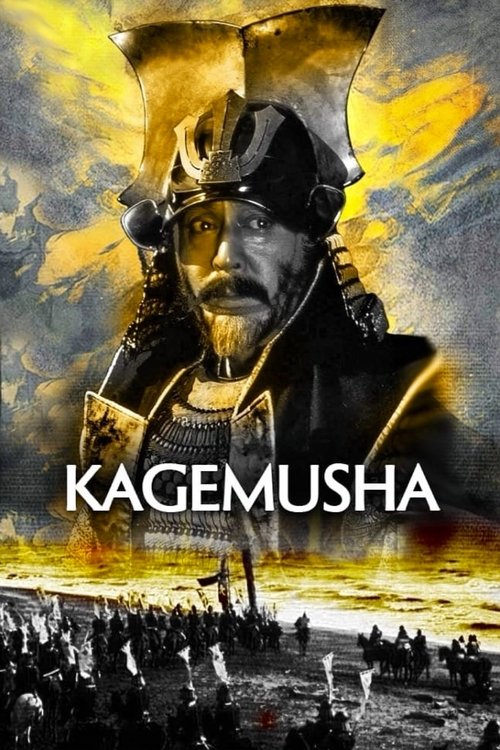
Kagemusha1980
Both centre on men bound by feudal honour, watching themselves become unworthy of it. Both use armour—here, literal samurai costume—as the mask loyalty demands we wear while inside we betray ourselves.
Kurosawa's samurai film is built on the same engine: duty to a lord, the impossibility of living up to an ideal, the body as the site of failure. Japanese feudalism instead of Arthurian legend, but the moral architecture is identical—you cannot serve two masters.
But It's a three-hour samurai epic in Japanese. The scale and action are grander than Bresson's chamber-piece approach; some will find it too grand to share the same DNA.
People
Cast
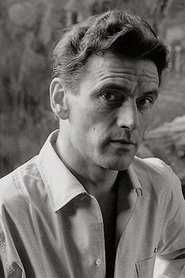 Luc SimonLancelot du Lac
- Vladimir Antolek-OresekLe Roi (The King)
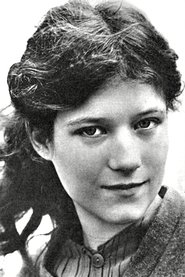 Laura Duke CondominasLa Reine (The Queen), Guinevere
- Patrick BernhardMordred
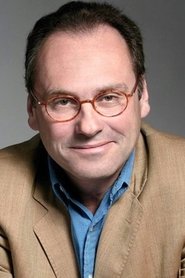 Humbert BalsanGauvain
- Arthur De MontalembertLionel
 Daniel BenoinChevalier giflé
Directing
- Bernard CohnAssistant Director
- Robert BressonDirector
Writing
- Robert BressonScreenplay
Production
- Alain CoiffierProducer
- Alfredo BiniProducer
- François RochasProducer
- Jean-Pierre RassamProducer
Recommended by
Knights of the Round Table, Sword of Lancelot, The Prince of Thieves, The Black Knight, Elippathayam, Ivanhoe, Tristan and Isolde