
Film
Sword of Lancelot
A 1963 Arthurian romance that places Lancelot and Guinevere's passionate affair at the heart of Camelot's tragedy. Cornel Wilde brings physical grace to a knight undone by love, while the film luxuriates in colour, costume, and courtly intrigue. It's earnest, emotional medieval soap opera—for viewers who want their legends to ache.
If you liked this
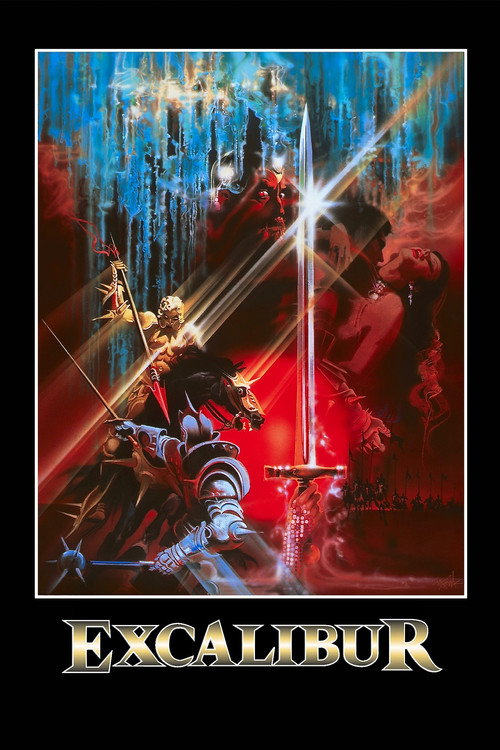
Excalibur1981
John Boorman's ravishing, mythic take on the full Arthurian cycle, with an equally doomed Lancelot and Guinevere. Raw magic and genuine tragedy, shot through with Wagnerian ambition and colour that echoes Wilde's film.
But Boorman's style is baroque and sometimes impenetrable; scenes sprawl and interconnect in ways that demand patience and repeated viewings.
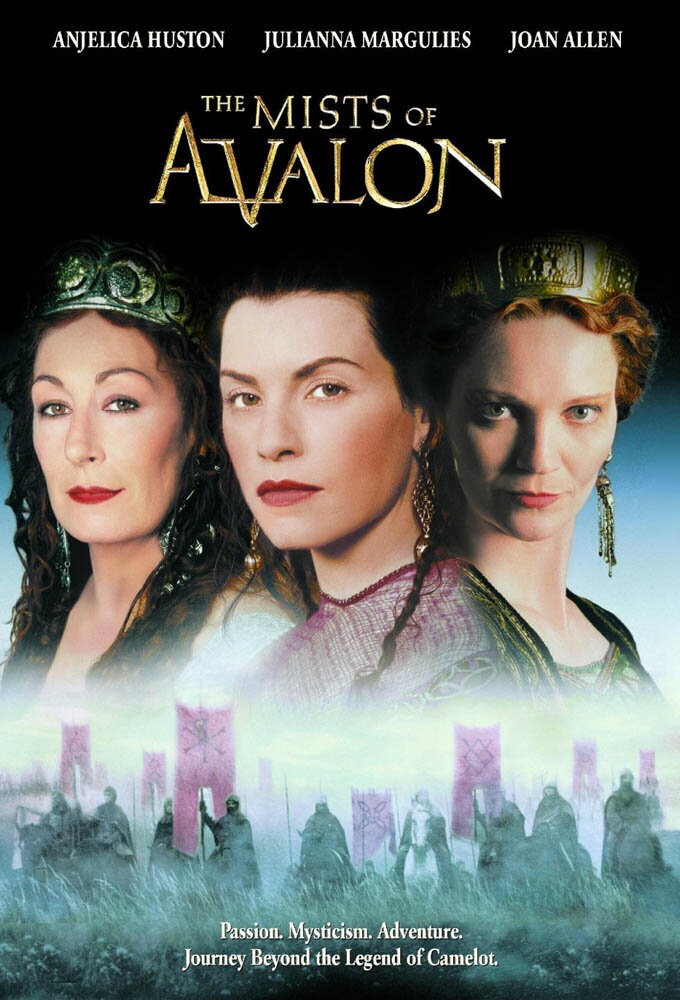
The Mists of Avalon2001
A miniseries that centres the women of Arthurian legend—Guinevere included—as political players, not just romantic prizes. Lush production design and scheming that rivals any medieval drama, with real emotional stakes.
But The pacing can feel ponderous, and the romance is secondary to clan warfare and religious conflict. Not a swooning love story.
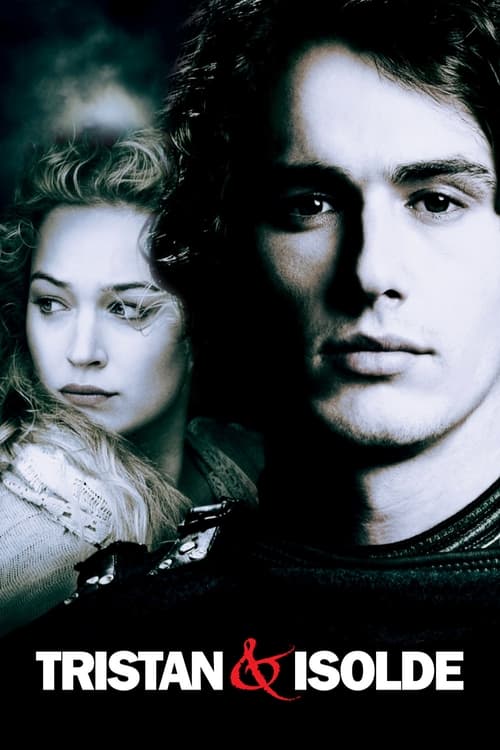
Tristan & Isolde2006
Another doomed Celtic romance with a similar structure: forbidden love, betrayal, political ruin. Visually sumptuous, with James Franco and Sophia Myles in the title roles. It understands why we return to these myths.
But The script is straightforward and sometimes clichéd. It relies entirely on the power of the legend and its leads' chemistry rather than originality.
Not sure tonight? Get a pick in a minute, starting from Sword of Lancelot
The wildcard
Something you would not have found on your own.
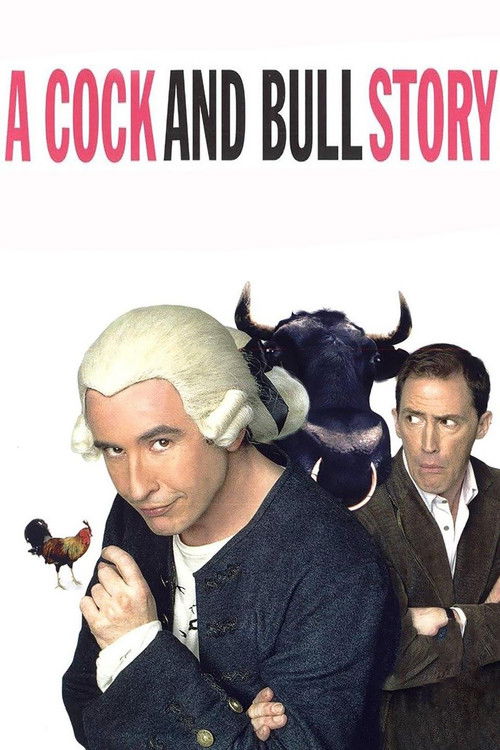
A Cock and Bull Story2005
Both are passion-based narratives undone by the impossibility of the passion itself—but where Sword of Lancelot mourns the tragedy, Tristram Shandy laughs at the very idea that a story can contain what we feel.
An impossible adaptation of an impossible novel that uses the Arthurian legend (via Tristram and Isolde) as one of many threads in its tangled, hilarious meditation on storytelling itself. If you loved Sword of Lancelot's earnestness, this is the anti-mirror.
But It's deliberately confusing and playfully hostile to the viewer. You will not understand what is happening, and the film doesn't care. Intellectual pleasure, not emotional.
More like this (7)
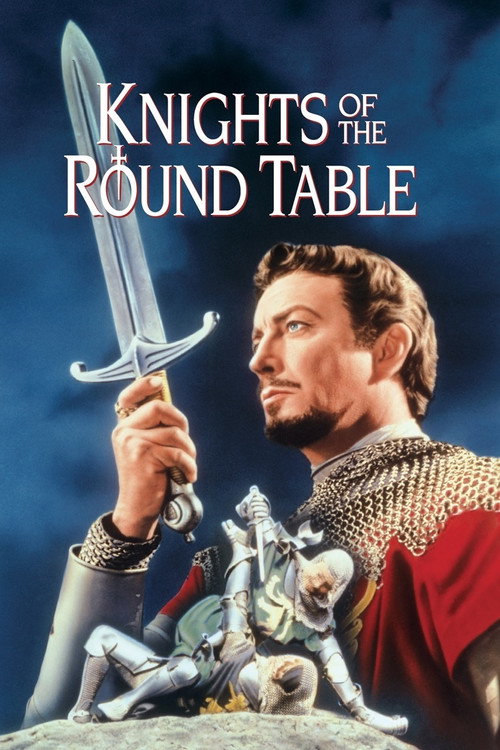
Knights of the Round Table1953
Made a decade before Sword of Lancelot and directed by Richard Thorpe, this Technicolor spectacular has similar sweep and sincerity. Ava Gardner as Guinevere and Robert Taylor as Lancelot; pure escapist romance on a castle-sized scale.
But It's pitched at a remove from reality that makes emotional investment difficult. The camp is unironic but hard to ignore.
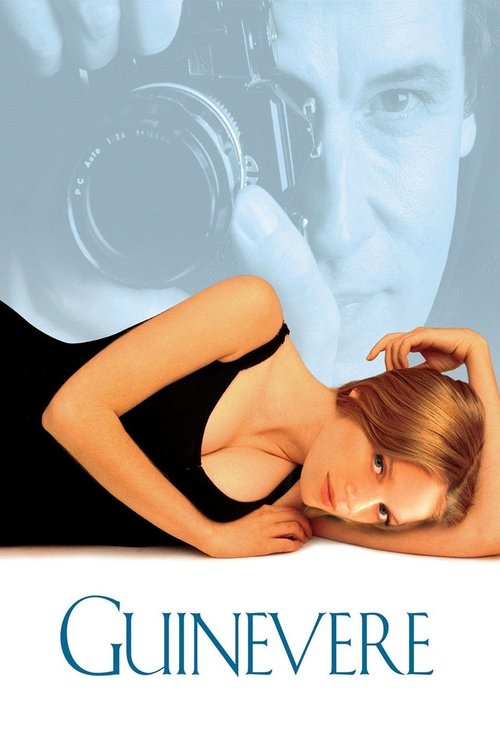
Guinevere1999
A quieter, more intimate take on the legend that focuses on Guinevere's education and awakening. Sarah Michelle Gellar brings vulnerability to a woman discovering who she is, then discovering she must unmake herself.
But It strips the Arthurian apparatus down to almost nothing—a risky choice that won't satisfy anyone looking for swords, ceremony, or knights.
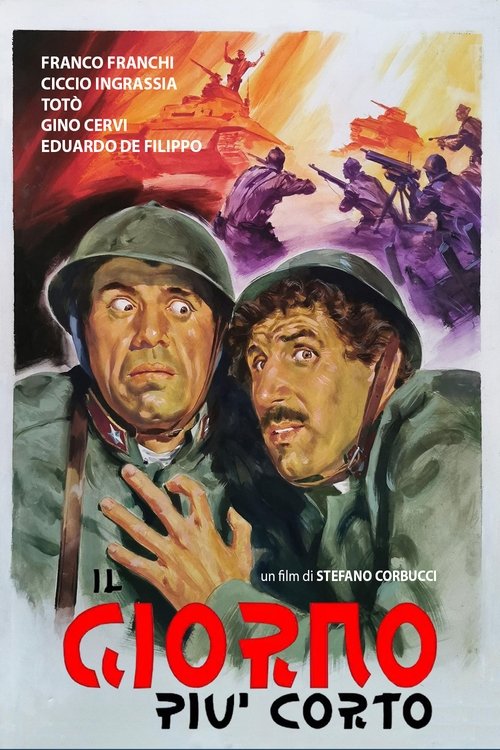
The Shortest Day1963
A different kind of epic that shares Sword of Lancelot's patient, respectful approach to spectacle. Not Arthurian, but the same slow-burn sense of destiny and duty compromised by the human heart.
But It's a World War II film, sprawling and deliberately paced, with an ensemble cast and a fractured narrative that never quite congeal.
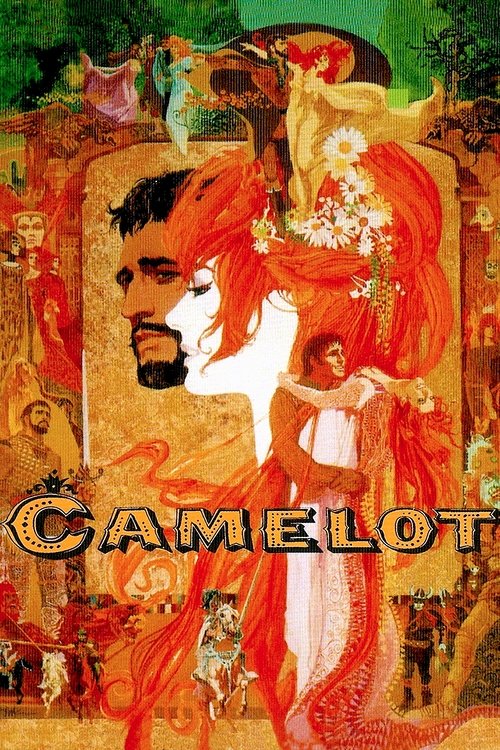
Camelot1967
Lerner and Loewe's Broadway musical as a film: all yearning and ceremony, with Richard Harris as Arthur and the Lancelot-Guinevere affair treated as a classical tragedy. The songs lodge in your head and your heart.
But Musicals are not for everyone, and Camelot is three hours long. The second half slows considerably, and some will find the tone saccharine.
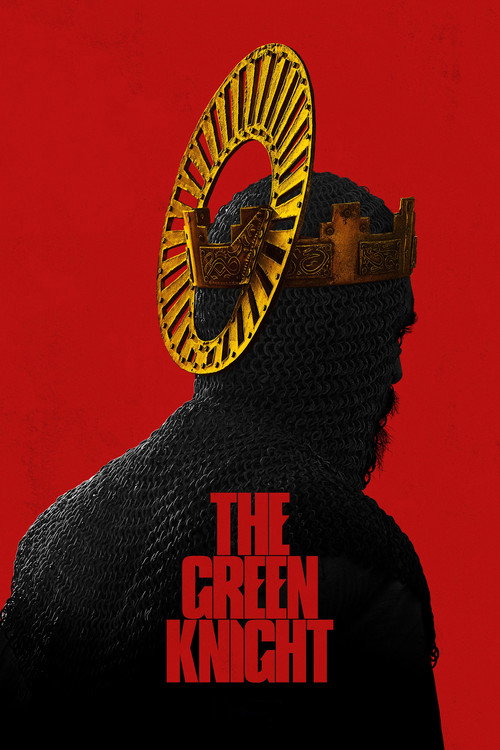
The Green Knight2021
David Lowery's visually extraordinary film about Sir Gawain (not Lancelot, but close enough in the Round Table universe). Meditative, strange, and genuinely mythic in a way that respects Arthurian legend as something alive and strange.
But This is not a straightforward narrative. It's dreamlike, slow, and uneasy. It asks a lot from the viewer and rewards patience unevenly.
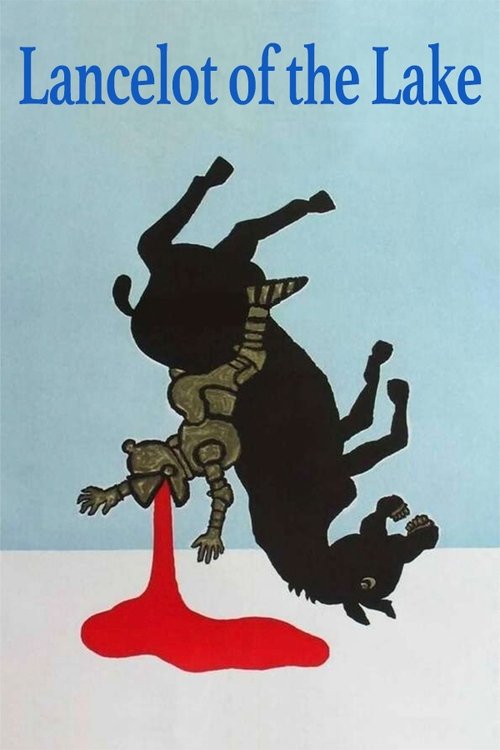
Lancelot of the Lake1974
Robert Bresson's austere, radical reimagining of the Lancelot legend. Gone are the spectacle and romance; what remains is medieval warfare as chaos and Lancelot as a man emptied of faith. Completely uncompromising.
But Bresson strips away everything decorative. Dialogue is sparse, the image is bleak, and the film moves at a drift. It's philosophy wearing armour, not adventure.
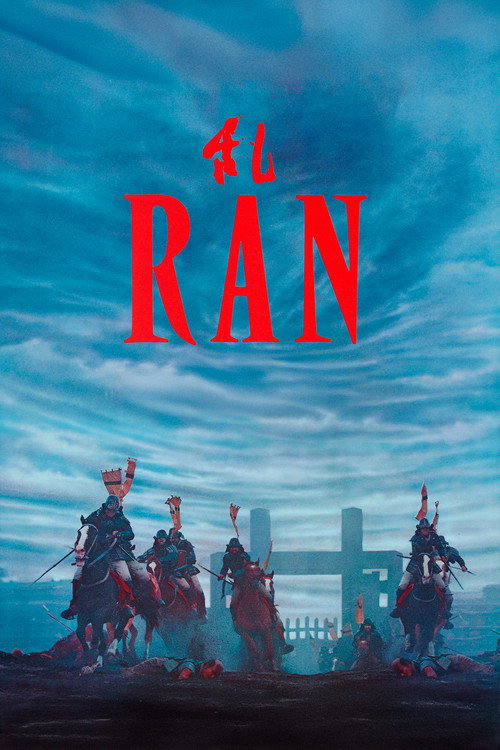
Ran1985
Both take legendary narratives seriously—not as quaint stories but as tragedy. Both understand that courts and kingship are doomed by the same emotions that make us human. Both are about the price of love.
Kurosawa's feudal Japanese King Lear, shot in colour so vivid it hurts. An ageing ruler undone by his own blindness; a kingdom fractured by love, betrayal, and the machinations of those who should protect it. The closest film equivalent to tragedy.
But It is not Arthurian and not in English. It is also long, violent, and utterly pitiless. Catharsis arrives only after devastation.
People
Cast
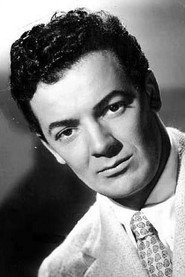 Cornel WildeSir Lancelot
 Jean WallaceGuinevere
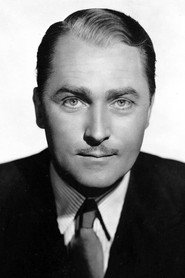 Brian AherneKing Arthur
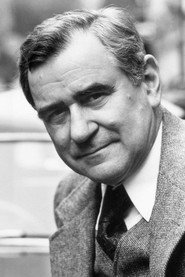 George BakerSir Gawaine
 Archie DuncanSir Lamorak
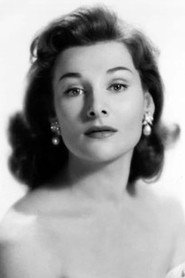 Adrienne CorriLady Vivian
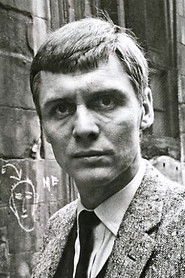 Michael MeachamSir Modred
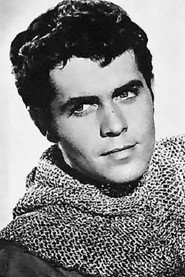 Iain GregorySir Tors
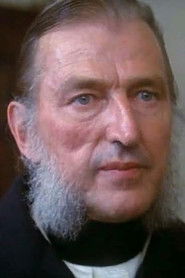 Mark DignamMerlin
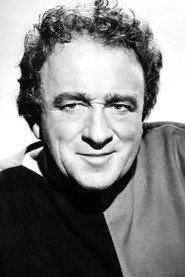 Reginald BeckwithSir Dagonet
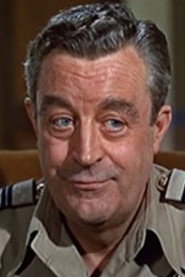 John BarrieSir Bevidere
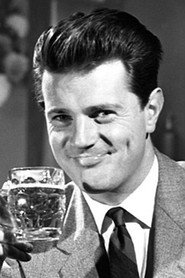 Richard ThorpSir Gareth
Directing
- Cornel WildeDirector
Writing
- Cornel WildeWriter
- Richard SchayerWriter
Production
- George PitcherAssociate Producer
- Bernard LuberProducer
- Cornel WildeProducer