
Film
The Taming of the Shrew
Other titles called The Taming of the Shrew: the 1967 film.
- Comedy
- Romantic comedy
- Light-hearted
Mary Pickford and Douglas Fairbanks—silent cinema's most charismatic couple—tear through Shakespeare's battle-of-the-sexes comedy with physical invention and genuine affection. It's speedy, anarchic, and delighted with itself. For anyone curious what Shakespeare looked like when actors could still surprise an audience with their bodies.
Should you watch it?
Watch it if you enjoy watching two strong-willed performers spar on screen, and you find early talkie stagecraft charming rather than creaky, since it's a battle of wits played with real gusto.
Skip it if the premise of a man breaking a woman's spirit grates on modern nerves, and the broad early-sound mugging can feel stagey.
What it asks of you: It runs barely an hour and moves at a stage-comedy clip, so you'll need to tolerate heightened, shouting performances and slapstick timing rather than subtle naturalism.
Not sure? Find tonight's pick in a minute.
If you liked this
It Happened One Night1934
Screwball comedy at its peak: fast dialogue, romantic sparring that crackles, and two leads with perfect chemistry pretending to despise each other while clearly not. Frank Capra's masterpiece of witty collision.
But If you haven't seen pre-1950s cinema before, the pacing and some of the gender politics may feel alien at first.

Breakfast at Tiffany's1961
Audrey Hepburn as a woman impossible to pin down, paired with a man trying anyway. Urbane, funny, tinged with real loneliness beneath the charm. George Peppard matches her wit.
But The treatment of a secondary character has aged poorly; it's a real bump in an otherwise elegant film.

Singin' in the Rain1952
Physical comedy so joyous it feels like a conversation between bodies. Gene Kelly and Donald O'Connor move the way Fairbanks did—not to show off, but because delight demands movement. Pure cinema.
But If musical numbers feel like obstacles rather than pleasures, you'll spend half the runtime waiting for the plot to restart.

Not sure tonight? Get a pick in a minute, starting from The Taming of the Shrew
The wildcard
Something you would not have found on your own.
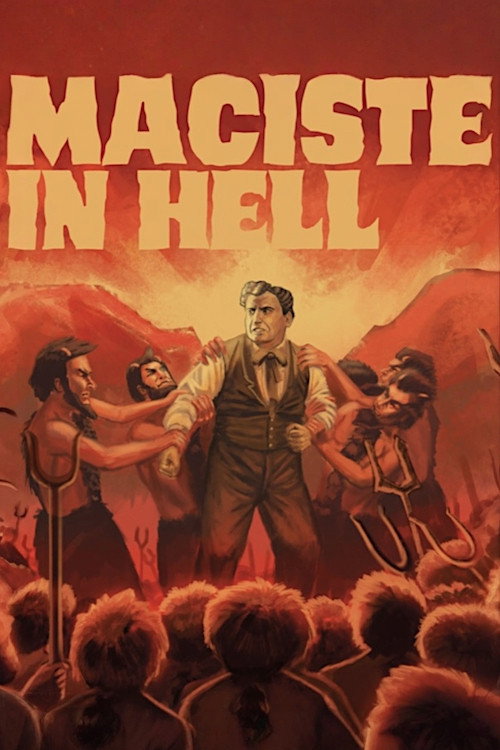
Maciste in Hell1925
Both are adaptations of classical texts remade as vehicles for their era's biggest stars, more interested in spectacle and personality than fidelity. Both are wildly fun because they're so confident they're entertaining.
Italian silent spectacle: a muscular hero tours Dante's Inferno as a slapstick travelogue. Grotesque, gorgeous, utterly mad. It's what happens when you have no budget constraints and complete creative freedom; silent cinema at its most unhinged.
But It's 90 minutes of people discovering strange things in strange places; if plot is essential to you, it's a carousel of weirdness. Also, the hero is really very muscular and the film is not embarrassed about it.
More like this (8)
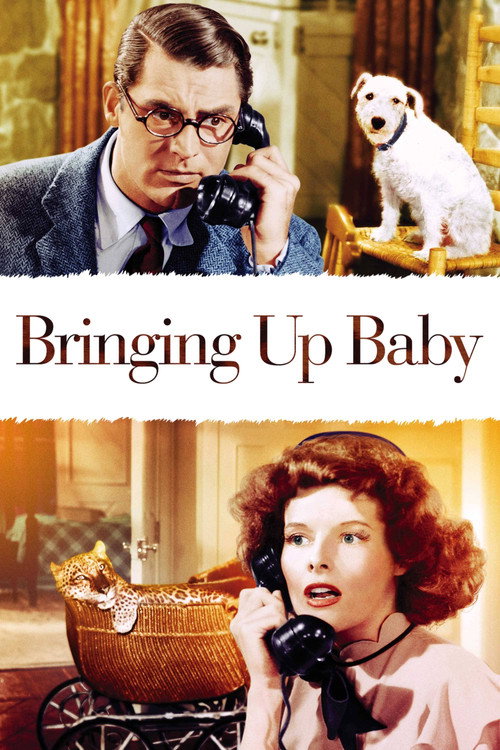
Bringing Up Baby1938
Cary Grant and Katharine Hepburn in Howard Hawks's controlled chaos. Every scene builds on the last; it's a Rube Goldberg machine of misunderstanding and desire, and it never stops being funny.
But Some find the relentless pace exhausting rather than exhilarating. It doesn't breathe much.
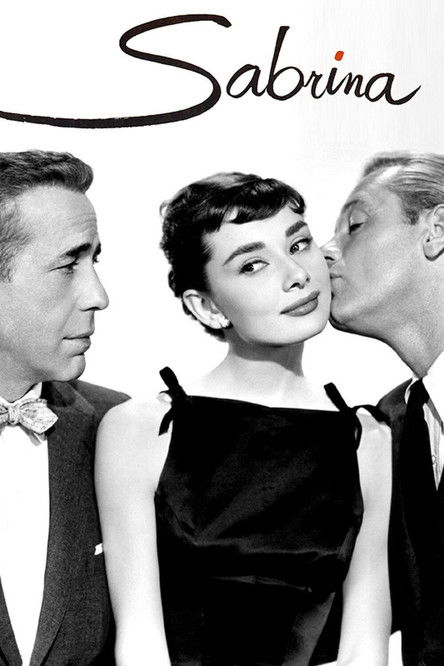
Sabrina1954
Audrey Hepburn caught between Bogart and Holden, with Billy Wilder directing. Romance wrapped in elegance, with real stakes beneath the glamour. Watchable forever.
But The central plot device—a woman as a prize between brothers—hasn't aged thoughtfully. The film doesn't examine what it proposes.
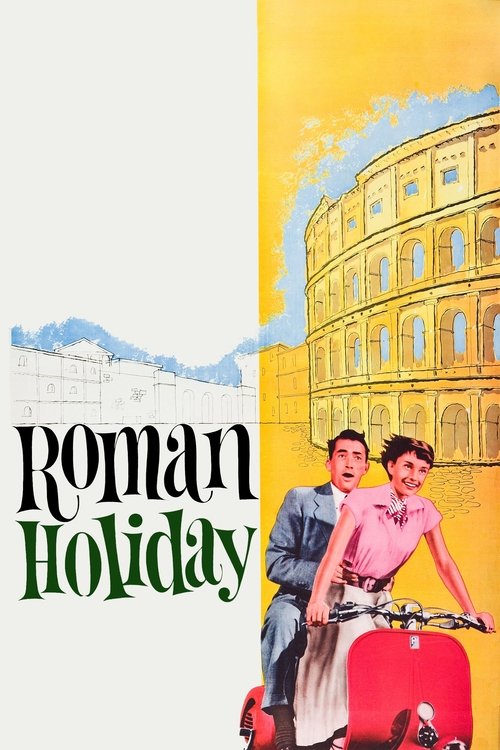
Roman Holiday1953
Audrey Hepburn and Gregory Peck in Rome, a princess with a day of freedom, a journalist with a conscience. Romantic without being sentimental. William Wyler knows exactly how much to show and how much to withhold.
But The ending comes attached to a melancholy that some find heavy-handed. It chooses nobility over happiness.
The Philadelphia Story1940
Cary Grant, Katharine Hepburn, James Stewart—three movie stars playing characters who are also movie stars. Clever without being smug, romantic without losing its edge. Brilliant screenwriting from Donald Ogden Stewart.
But It's a film about wealthy people's romantic problems; if that premise irritates you, nothing here will change your mind.

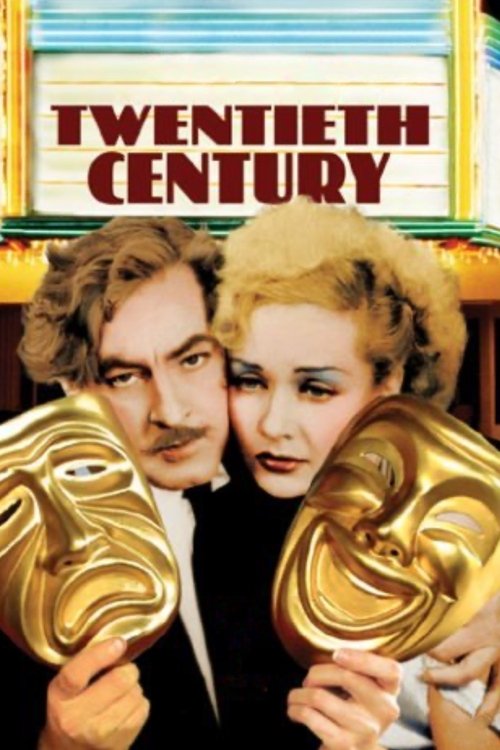
Twentieth Century1934
John Barrymore and Carole Lombard in Ben Hecht's play about theater people at war. Manic, theatrical, funny because the characters are performing constantly and can't stop even when it matters.
But Theatrical doesn't mean restrained. If you prefer subtlety in your comedy, the escalating hysteria will wear you down.
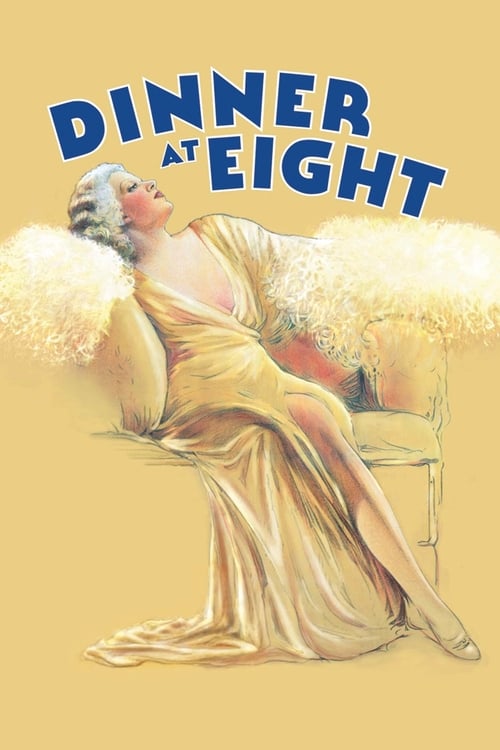
Dinner at Eight1933
Seven interlocking stories, an ensemble cast, pre-code Hollywood doing what it did best: sophisticated, acid, sexy. George Cukor's direction feels effortless. Jean Harlow and Marie Dressler alone are worth the evening.
But It's built as separate vignettes rather than a unified narrative. The momentum is episodic; some will find it scattered.
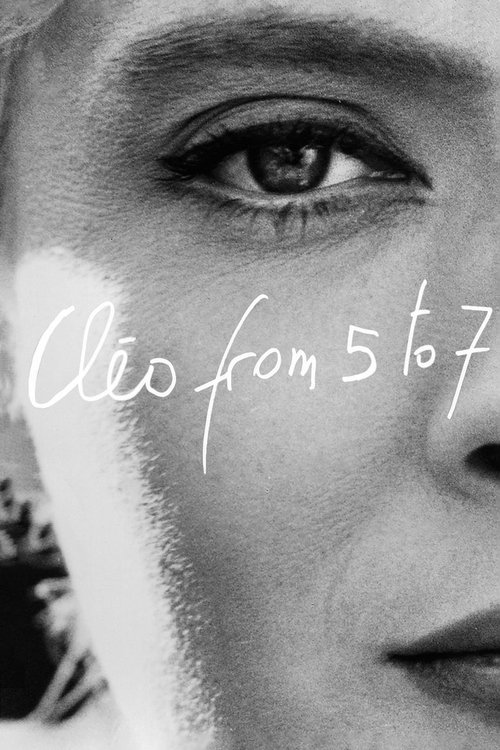
Cléo from 5 to 71962
Both play the tension between what women are expected to be and what they actually are, using comedy (one loud, one quiet) to explore the gap. Both find power in refusal.
Agnès Varda watches a beautiful woman spend two hours in Paris waiting for medical results. Nothing happens; everything matters. The city, the light, the waiting, the performance of confidence hiding fear—it's meditative and urgent at once.
But No plot. A woman walks around Paris thinking. If you need dramatic incident to stay engaged, this will feel like marking time.
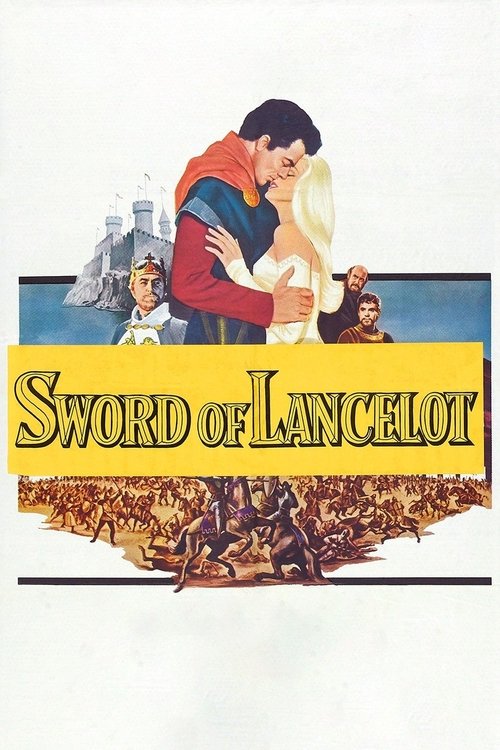
Sword of Lancelot1963
Both pit desire against duty with no apology, and both trust that a charismatic actor can carry you through extremity. Both believe in wanting things loudly.
Cornel Wilde in a Malory adaptation that forgets restraint exists. Medieval romance, courtly spectacle, genuine passion for its own excess. It's how you make Arthurian legend when you have a sword, ambition, and no irony.
But Earnest in a way that reads as unintentionally comic. If sincerity in a B-picture bothers you, you'll spend it smirking rather than watching.
People
Cast
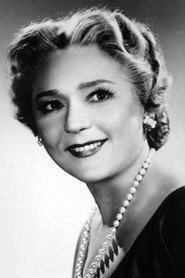 Mary PickfordCaterina
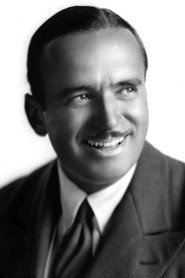 Douglas FairbanksPetruccio
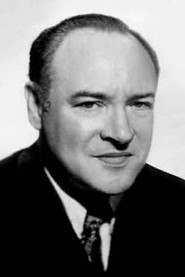 Edwin MaxwellBattista
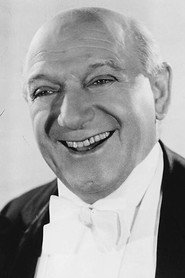 Joseph CawthornGremio
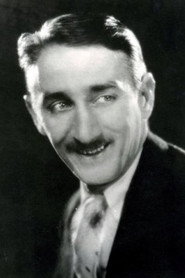 Clyde CookGrumio
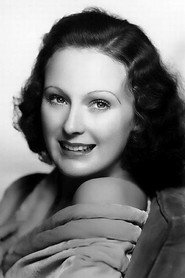 Dorothy JordanBianca
- Geoffrey WardwellHortensio
- Wilson BengeServant (uncredited)
- Frankie GenardiLittle Boy (uncredited)
- Billie Jeane PhelpsLittle Girl (uncredited)
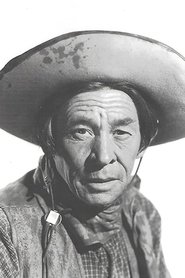 Charles StevensServant (uncredited)
Directing
- Sam TaylorDirector
Writing
- Sam TaylorScreenplay
- William ShakespeareTheatre Play
Production
- John CraigProduction Assistant