
Film
Maciste in Hell
A 1925 Italian silent film where the strongman Maciste is dragged to Hell itself and forced to navigate demonic torment. It's a visual feast of practical effects, grotesque set design, and earnest melodrama—the kind of horror that operates through architecture and atmosphere rather than jump scares. For anyone curious about how early cinema imagined the supernatural, or who loves horror that prioritises spectacle over subtlety.
Should you watch it?
Watch it if you love silent-era spectacle with a strongman hero and a lurid, inventive vision of the underworld, where the gothic set-pieces matter more than tidy plotting.
Skip it if you need modern pacing or sound, since this is a silent picture with intertitles and a loose, episodic structure that can drag between its more striking scenes.
What it asks of you: Roughly ninety-eight minutes of patience with broad, theatrical silent-film acting, and a willingness to let the mood of the journey carry you more than the plot.
Not sure? Find tonight's pick in a minute.
If you liked this
Nosferatu1922
The definitive vampire film that established every gothic trope that followed. Murnau's use of shadow and geometric composition creates dread through pure visual grammar, predating Maciste by three years but cut from the same cloth.
But Silent films require patience with intertitles and a willingness to read performance rather than hear dialogue. The pacing feels glacial to modern audiences accustomed to rapid cutting.

The Phantom Carriage1921
Swedish master Sjöström crafts a story of redemption and the supernatural with astonishing emotional depth. Like Maciste, it uses elaborate sets and practical effects to visualize the invisible world, but with greater psychological sophistication.
But The narrative is sentimental in ways that can feel heavy-handed. It's also very long and demands sustained attention to appreciate its subtleties.

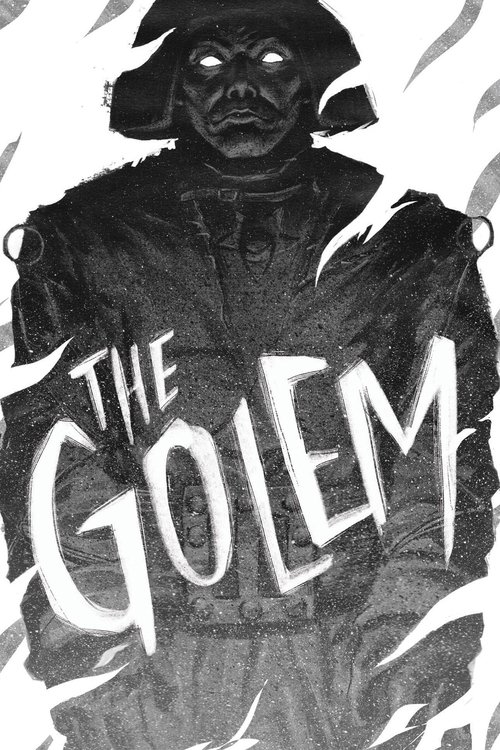
The Golem: How He Came into the World1920
Another German Expressionist masterpiece that uses grotesque makeup, distorted sets, and practical effects to create a living nightmare. The creature design and atmosphere directly parallel Maciste's infernal visions.
But The plot is fairly straightforward monster-rampage material, which can feel thin if you're watching for narrative sophistication rather than visual horror.
Not sure tonight? Get a pick in a minute, starting from Maciste in Hell
The wildcard
Something you would not have found on your own.
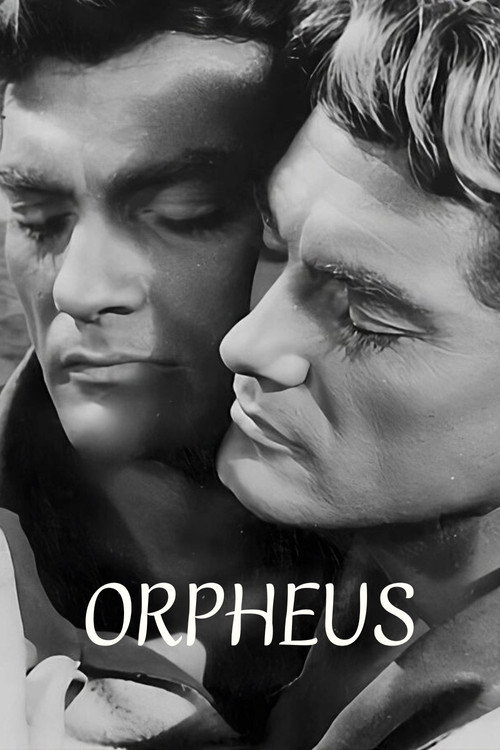
Orpheus1950
Both films treat descent into an underworld (literal or metaphorical) as a psychic journey where visual design is the real language. Both insist that fantasy needn't be realistic to be true.
Cocteau modernizes the Orpheus myth into 1950s Paris, with death represented by a motorcycle and mirrors. It shares Maciste's confidence that the supernatural and the mundane can occupy the same frame, but with Surrealist poetry instead of spectacle.
But The style is deliberately artificial and mannered—if you want naturalism or clarity, this will feel precious and obtuse. It also requires familiarity with Greek myth to fully land.
More like this (8)
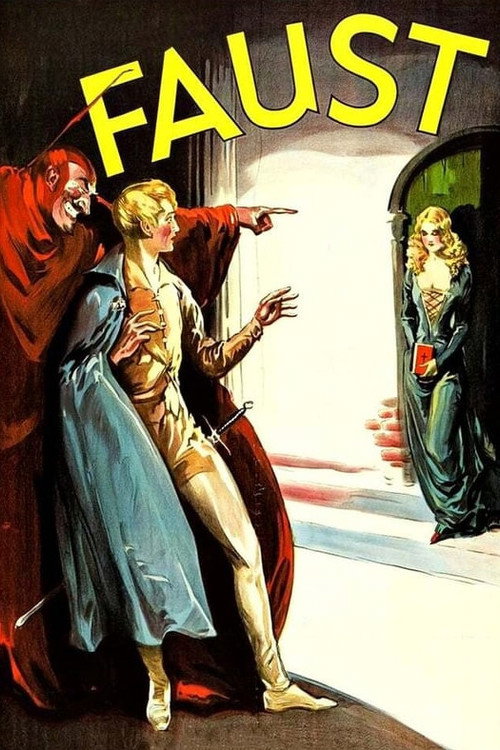
Faust1926
Murnau again, this time adapting Goethe's Faustian bargain with demonic landscapes and special effects that dwarf anything Maciste attempted. The scale and ambition are breathtaking.
But At nearly three hours, it's demanding even by silent film standards. The pacing, while deliberate, occasionally feels indulgent.
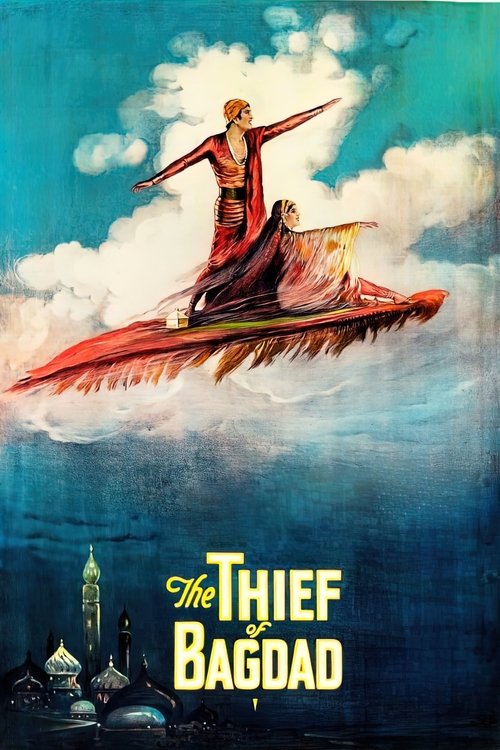
The Thief of Bagdad1924
Douglas Fairbanks in a fantasy adventure that matched Maciste's visual ambition. Elaborate miniatures, matte paintings, and practical effects create a fully realized magical world without a single word of dialogue needed.
But The adventure-serial tone is lighter and breezier than Maciste's darker register. If you want horror, the fantasy-adventure register may feel too playful.
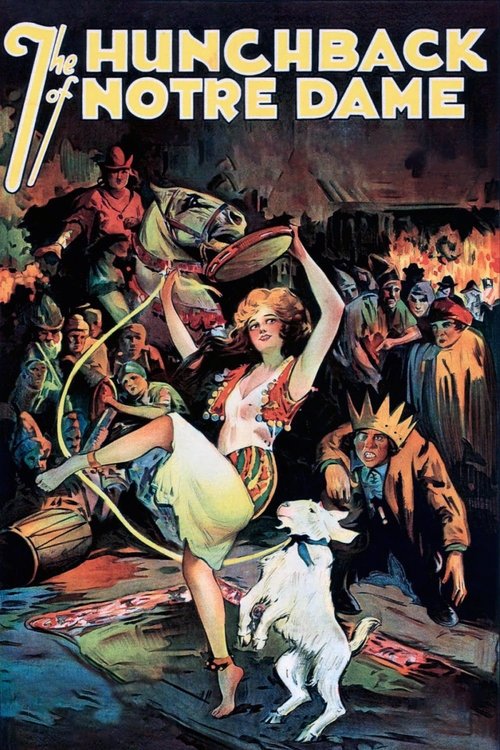
The Hunchback of Notre Dame1923
Lon Chaney's performance and the monumental set design create a gothic world of genuine tragedy. The spectacle serves character rather than drowning it, offering a model of how to scale up production values responsibly.
But The melodrama can feel overwrought, especially in how it depicts disability. Some sequences test modern viewers' patience with sentiment.
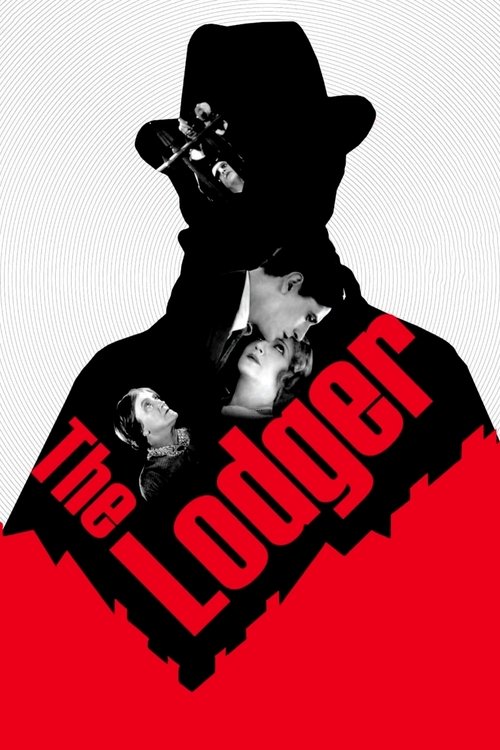
The Lodger: A Story of the London Fog1927
Hitchcock's breakthrough uses German Expressionist influence to turn a London townhouse into a space of creeping dread. Psychological horror through framing and editing rather than monsters or makeup.
But It's subtle to the point of opacity in places. If you're watching for explicit scares or narrative clarity, you may find it frustratingly oblique.
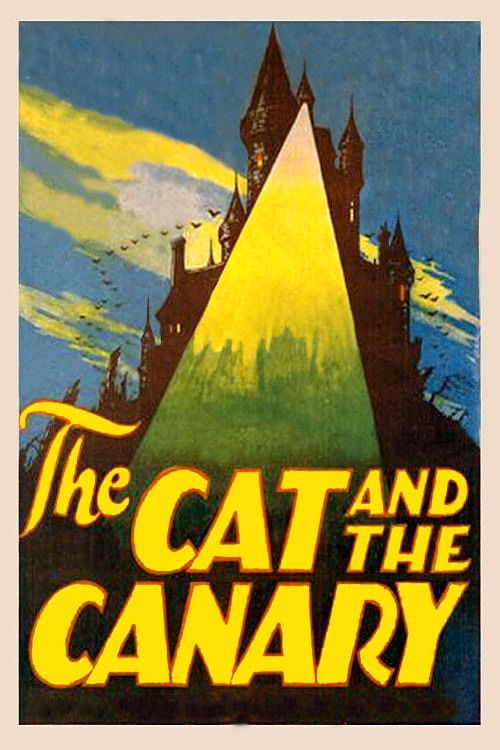
The Cat and the Canary1927
A haunted-house mystery with genuine visual inventiveness and darkly comic timing. It proves that silent-era horror doesn't require tragedy—some of it just wants to unsettle and amuse you.
But The comedy tone undercuts the horror elements. If you came for dread, the winking will feel like a betrayal halfway through.
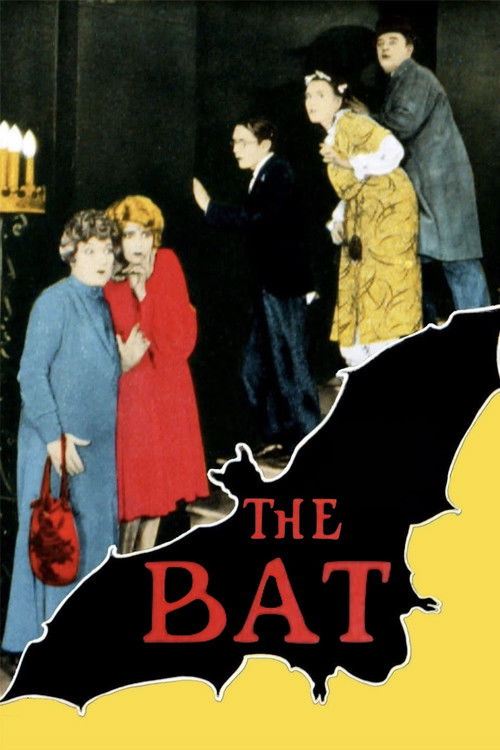
The Bat1926
A creature-feature with a masked villain that influenced every serial and B-movie that followed. The production design is solid and the pacing snappier than many of its contemporaries.
But The plot is genuinely flimsy and the character motivations often nonsensical. It's more fun as a historical artifact than a coherent story.
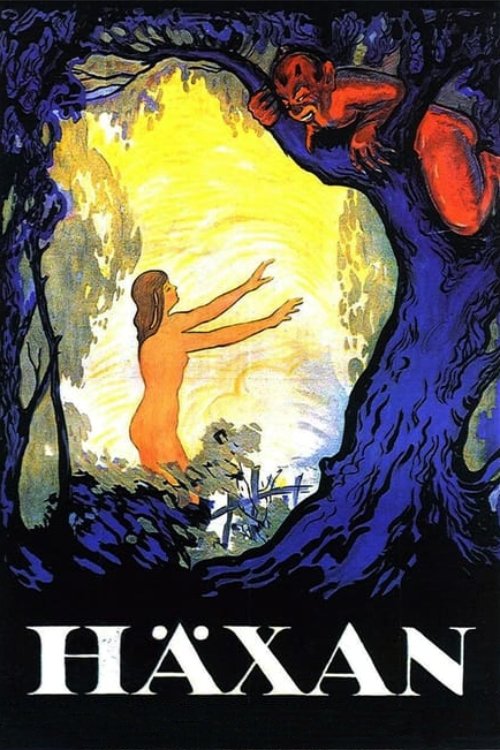
Häxan1922
Both films visualize the invisible world through practical effects and conviction rather than naturalism. Both use spectacle to create a fully inhabited nightmare realm.
A Swedish documentary-essay about witchcraft history that casually slips into staged dramatizations of demonic rituals and sabbaths. It's genuinely unsettling—less a film than a grimoire that happens to move. No plot, just atmosphere and dread.
But It's structurally baffling if you expect narrative. The mix of archival footage, reenactment, and essay feels formless, and the subject matter includes graphic depictions of medieval punishment and sexual violence.
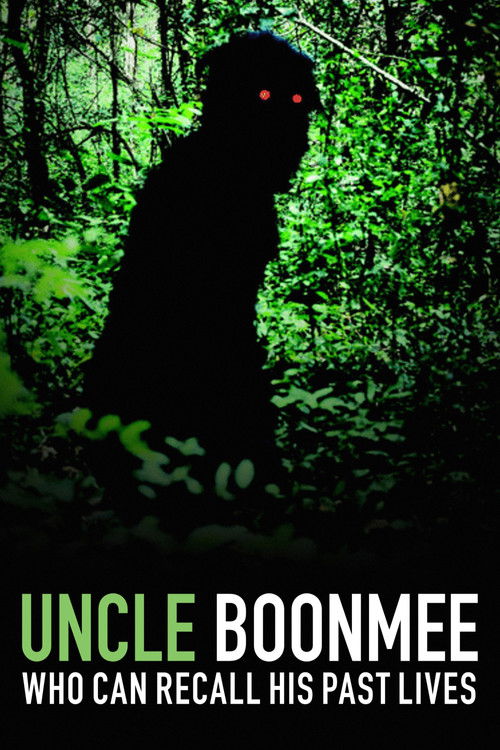
Uncle Boonmee Who Can Recall His Past Lives2010
Both films assert that the other world—Hell, the afterlife—is not a place of theatrical spectacle but of intimate truth. Both believe we can actually see it if we look right at it, without flinching or explaining it away.
A Thai meditation on death, memory, and the permeability between worlds. Ghosts simply appear and sit quietly with the living. It's slow, hypnotic, and treats the supernatural with such gentleness that it becomes profound.
But Nothing happens. There is no plot, no conflict, no arc. It's an experience of being present with grief, which some will find beautiful and others will find interminable.
People
Cast
- Bartolomeo PaganoMaciste
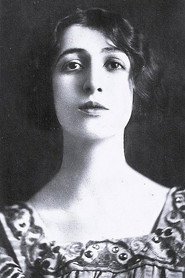 Elena SangroProserpina, Pluto's wife
- Lucia ZanussiLuciferina, Pluto's daughter
- Franz SalaBarbariccia / Dottor Nox
- Umberto GuarracinoPluto, Master of Hell
- Mario SaioGerione
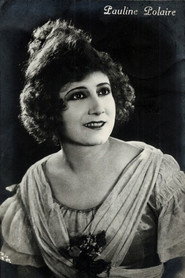 Pauline PolaireGraziella
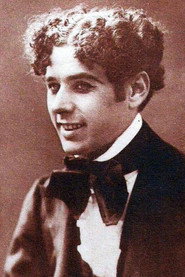 Domenico SerraGiorgio