
Film
The Hunchback of Notre Dame
Other titles called The Hunchback of Notre Dame: the 1939 film, the 1956 film, the 1996 film.
Lon Chaney's 1923 silent masterpiece transforms Hugo's novel into pure visual spectacle. Chaney's Quasimodo is heartbreaking and grotesque in equal measure—the makeup and movement are astonishing. It's Gothic melodrama played with genuine pathos, sweeping medieval sets, and the kind of committed performance that reminds you why silent cinema mattered. For anyone who thinks old movies are quaint.
Should you watch it?
Watch it if you love silent-era spectacle where a single performer carries the whole film, and you don't mind melodrama played with big gestures and painted sets.
Skip it if you need quick pacing or modern dialogue; at 113 minutes of silent storytelling, the intertitles and deliberate staging can feel slow to anyone raised on sound.
What it asks of you: Patience for silent conventions: you read title cards, watch faces closely, and let the grand, theatrical crowd scenes build over a long runtime.
Not sure? Find tonight's pick in a minute.
If you liked this
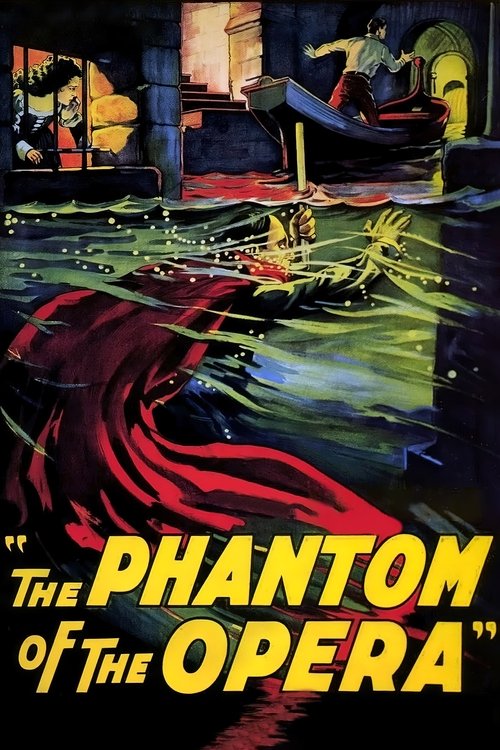
The Phantom of the Opera1925
Chaney gives another transformative, sympathetic performance as a disfigured outcast in love with someone who can never return it. Same tragic register, equally ornate sets, and the unmasking scene is genuinely unforgettable.
But It's even slower-paced than most silents, and the final act relies on melodramatic convention rather than Chaney's usual intensity.
Nosferatu1922
German Expressionism at its peak: a vampire film that builds dread through shadow and geometry rather than jump scares. Genuinely unsettling, visually stunning, and made just before Hunchback with the same commitment to mood over plot.
But The pacing is glacial and the print quality varies wildly depending on which version you find. You'll need patience.

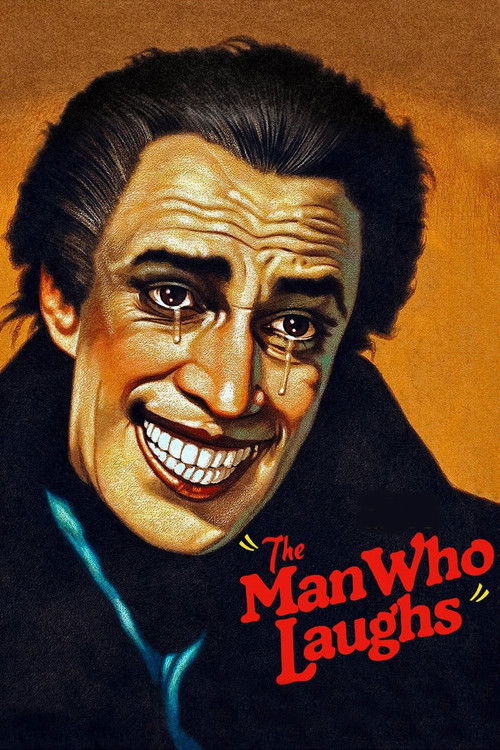
The Man Who Laughs1928
Another silent Gothic about a man whose face is frozen in a grotesque grin, loved by a woman who sees past his appearance. Chaney brings devastating vulnerability to impossible circumstances, and the visual language rivals anything in Hunchback.
But It's one of Chaney's later silents—technically accomplished but sometimes overwrought, and the plot drifts in places.
Not sure tonight? Get a pick in a minute, starting from The Hunchback of Notre Dame
The wildcard
Something you would not have found on your own.
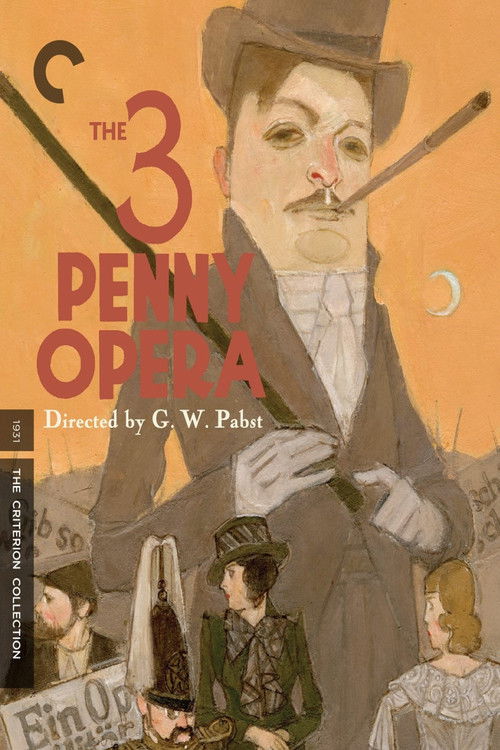
The Threepenny Opera1931
Both use elaborate theatrical settings and grotesque makeup to ask who the real monsters are: the disfigured outsider or the society that excludes him.
Brecht and Weill's cynical musical-play about beggars, thieves, and corrupt officials in a Gothic underworld. It's darkly funny where Hunchback is tragic, but both are exploring how society deforms people and how power corrupts mercy. The beggars' pageantry mirrors the cathedral's grandeur.
But It's deliberately artificial and didactic—Brecht wants you thinking about systems, not feeling for characters. If you want emotional investment, this will frustrate you.
More like this (8)
Intolerance: Love's Struggle Throughout the Ages1916
D.W. Griffith's four-era epic with architectural ambition that makes Notre Dame look modest. The Babylon sequence alone is worth the three-hour runtime—scale and technical brilliance in service of genuine emotion.
But The racism embedded in the film is real and poisonous. Griffith's sympathies are actively wrong, and that can't be separated from what you're watching.

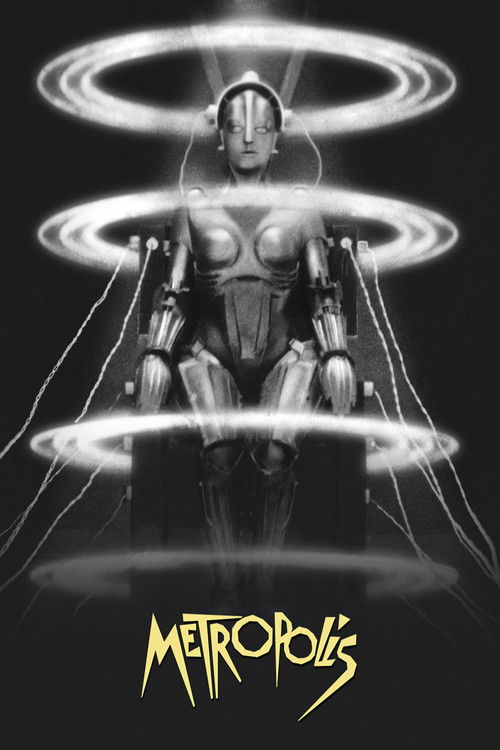
Metropolis1927
Another German Expressionist vision of a doomed society, with industrial scale that dwarfs even Hunchback's cathedral. Robot Marías, revolutionary crowds, and visual effects that still astonish nearly a century later.
But The restored version is long and sometimes incoherent—missing footage was reconstructed from multiple sources, and it shows. The politics are also fairly simplistic.
The Cabinet of Dr. Caligari1920
Twisted sets, distorted perspectives, and a somnambulist who murders on command. German Expressionism perfected: every frame looks like a nightmare. It's short, complete, and hypnotic.
But The plot is flimsy and the ending is meant to flip everything—some find it clever, others find it annoying. Very obviously a stage play translated to film.

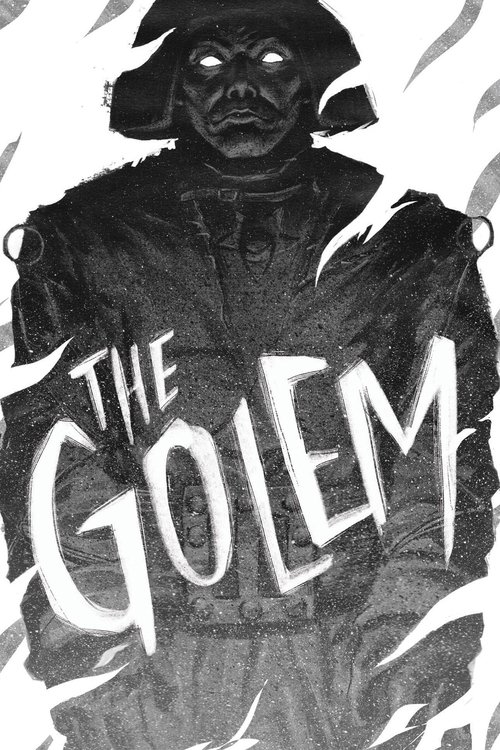
The Golem: How He Came into the World1920
A rabbi creates a clay creature to protect his community from persecution in Renaissance Prague. Slower and stranger than Hunchback, with an alien beauty—this is folk horror before the term existed.
But It's genuinely slow and meditative where Hunchback is melodramatic. That's a feature, but if you want plot momentum, look elsewhere.
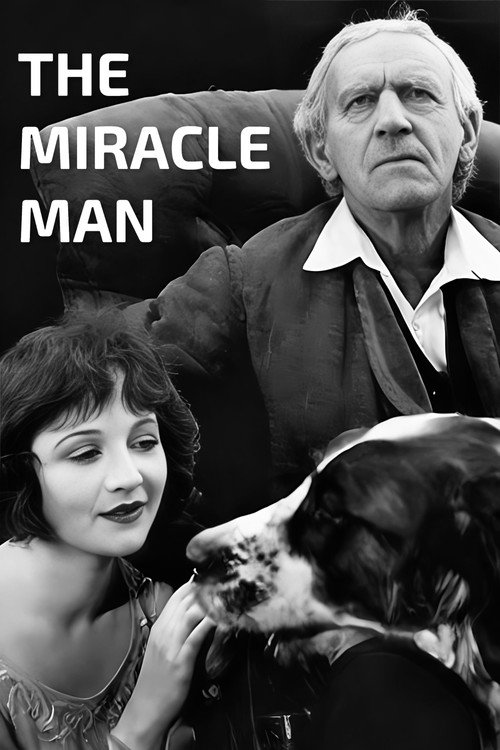
The Miracle Man1919
Chaney's earlier vehicle where he plays a cripple faking disability for a con. The contrast with Hunchback shows his range—same commitment to physical deformation, completely different character and tone.
But The story is thinner than Hunchback and the moral framework is dated. It's worth watching mainly for Chaney, not the plot.
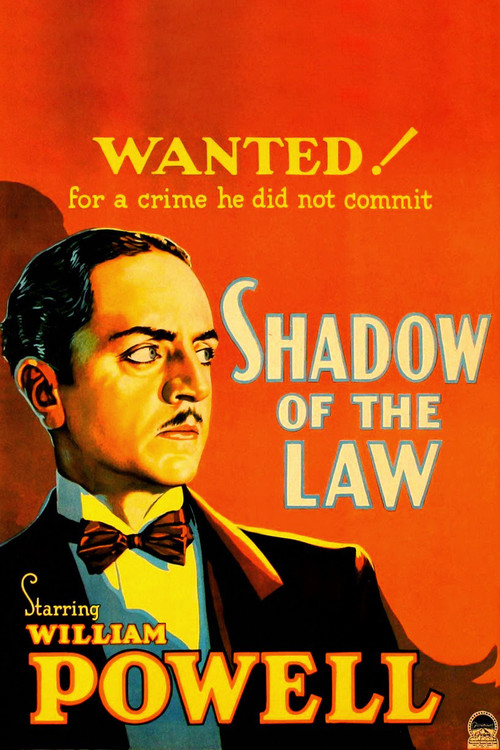
Shadow of the Law1930
A wrongly convicted man returns to his hometown seeking revenge. It's a proto-noir with the same melodramatic intensity and commitment to moral murkiness that Hunchback brought to Gothic romance.
But It's one of the later silents where sound was creeping in—some prints are choppy and it hasn't aged as gracefully as the earlier masterpieces.
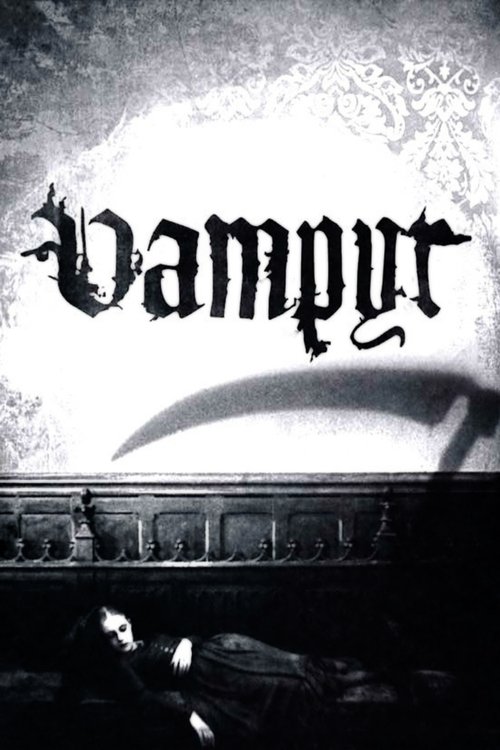
Vampyr1932
Both films prove that visual language alone—makeup, light, composition, movement—can tell you more about a character than any dialogue or exposition.
Dreyer's hallucinogenic vampire film shot through gauze and shadow. It's not horror in the way Nosferatu is—it's something stranger, more like watching a fever dream. The Gothic atmosphere is even more hypnotic than Hunchback's because it has almost no plot.
But There is essentially no story. You're watching mood and tone for 70 minutes. If plot matters to you, this will feel like pretentious cinema punishment.
The Lodger: A Story of the London Fog1927
Both are about the gap between appearance and reality, and how fear of the outsider can destroy innocence—but Hitchcock is asking whether our fear is justified, while Hugo asks us to overcome it.
Hitchcock's silent masterpiece about a mysterious lodger suspected of being a serial killer by the people sheltering him. It inverts Hunchback's dynamic: here the disfigured outsider's danger is uncertain, and the everyday world becomes Gothic and paranoid. Chiaroscuro photography that feels as deliberate as Chaney's makeup.
But Hitchcock's visual cleverness sometimes outpaces the actual suspense. The ending is somewhat anticlimactic and the female lead is underwritten.

People
Cast
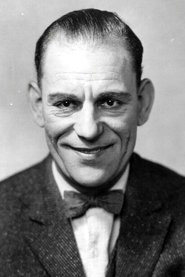 Lon ChaneyQuasimodo
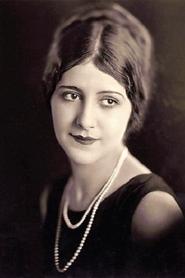 Patsy Ruth MillerEsmeralda
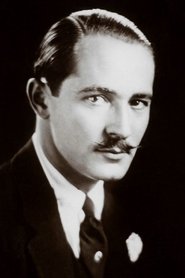 Norman KerryPhoebus de Chateaupers
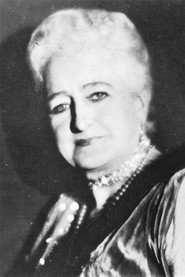 Kate LesterMadame de Condelaurier
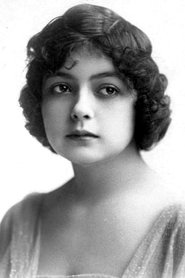 Winifred BrysonFleur de Lys
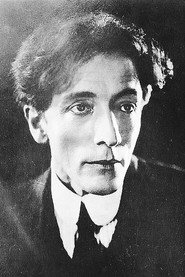 Nigel De BrulierDon Claudio
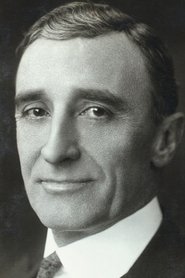 Brandon HurstJehan
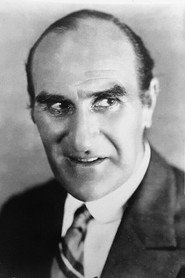 Ernest TorrenceClopin
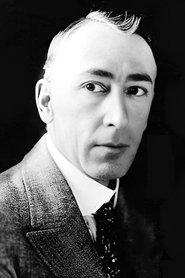 Tully MarshallEl Rey Luis XI
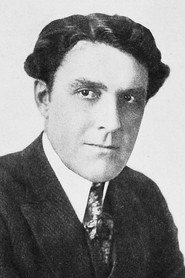 Harry von MeterMons. Neufchatel
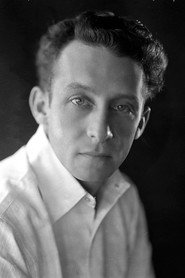 Raymond HattonGringoire
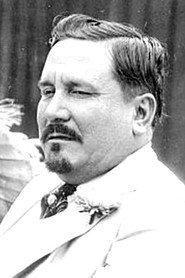 Nick De RuizMons. Le Torteru
Directing
- Jack SullivanAssistant Director
- James DuganAssistant Director
- Robert WylerAssistant Director
- William WylerAssistant Director
- Lon ChaneyCo-Director
- Charlotte WoodsContinuity
- Wallace WorsleyDirector
Writing
- Perley Poore SheehanAdaptation
- Victor HugoNovel
- Edward T. Lowe Jr.Scenario Writer
- Chester L. RobertsWriter
Production
- Fred A. DatigCasting
- Carl LaemmleProducer
- Irving ThalbergProducer
- Albert ContiProduction Assistant
- Edgar SteinProduction Assistant
- George M. StallingsProduction Manager
- William KoenigUnit Manager
Recommended by
The Scarlet Letter, The Phantom of the Opera, The Man Who Laughs, The Thief of Bagdad, Orphans of the Storm, The Monster, Maciste in Hell, Judex, Ashes of Vengeance, O Cravo e a Rosa, Kismet, The Tower of Lies