
Film
The Miracle Man
A 1919 silent melodrama where a criminal gang infiltrates a small town and cynically exploits a faith healer for profit—until an unexplained genuine miracle upends their con and forces a reckoning with conscience. Lon Chaney's physical performance anchors this morality tale that mingles crime noir elements with spiritual mystery, unfolding with the atmospheric clarity only early cinema achieves.
Should you watch it?
Watch it if you are drawn to silent-era morality plays where con artists and miracles share the same dusty main street, and you don't mind a story that takes its sincerity slowly.
Skip it if you need a complete, polished story, because this film is lost and only one famous scene survives, leaving most of it missing.
What it asks of you: Runs a brisk eighty minutes, with the tone shifting from sly swindle to earnest feeling, and it trusts you to sit with quiet moral turns rather than hurry past them.
Not sure? Find tonight's pick in a minute.
If you liked this
Nosferatu1922
German Expressionism at its most hypnotic. The visual language—shadows, geometry, dread—creates atmosphere without a word spoken. A masterpiece that proves cinema's power lies in what you see, not what's said.
But The pacing is glacial by modern standards, and the plot is straightforward vampire hunting. If you need constant plot movement, this will test your patience.

Intolerance: Love's Struggle Throughout the Ages1916
D.W. Griffith's epic ambition: four historical narratives intercut across millennia, all exploring how intolerance destroys. Visually staggering and narratively daring in ways that still feel radical.
But At nearly four hours with minimal linear plot, it demands active attention. The film's historical attitudes are deeply troubling in places.

The Cabinet of Dr. Caligari1920
Twisted sets, distorted angles, madness made visible. This psychological horror invents visual language for the interior world—influence runs everywhere from here forward.
But The deliberate artificiality (the painted sets, the staginess) can feel mannered rather than unsettling if you're not in the right mood for it.

Not sure tonight? Get a pick in a minute, starting from The Miracle Man
The wildcard
Something you would not have found on your own.
Under Two Flags1912
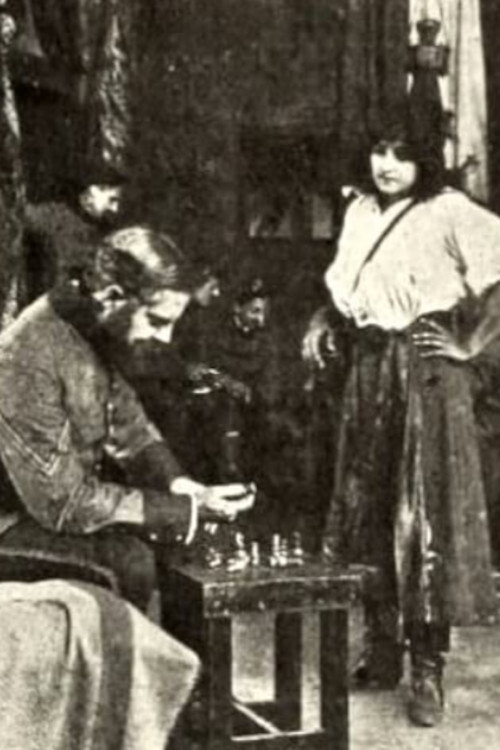
Both pivot on the same mechanism: a character mired in moral corruption confronted by their own capacity for transformation, resolved through self-sacrifice and grace.
Melodrama about a disgraced officer in the Foreign Legion finding redemption through sacrifice. The spiritual framework parallels *The Miracle Man* exactly—sin, atonement, transformation through faith and circumstance.
But Extremely plot-driven and emotionally obvious. The acting style is broad pantomime by later standards.
More like this (7)
Sunrise: A Song of Two Humans1927
F.W. Murnau transforms a simple domestic tragedy into something mythic. The cinematography is liquid and alive; the emotional turbulence feels contemporary.
But The plot hinges on a woman's moral weakness that the film frames as inevitable, which lands poorly now. Some patience required for the pacing.

The Phantom Carriage1921
Swedish ghost story with genuine melancholy. A man confronted by spectral consequence for his cruelty finds redemption possible but difficult. Atmosphere of fog and regret hangs through every frame.
But Deeply slow and meditative. The supernatural elements serve spiritual meaning rather than thrills, which some find heavy-handed.

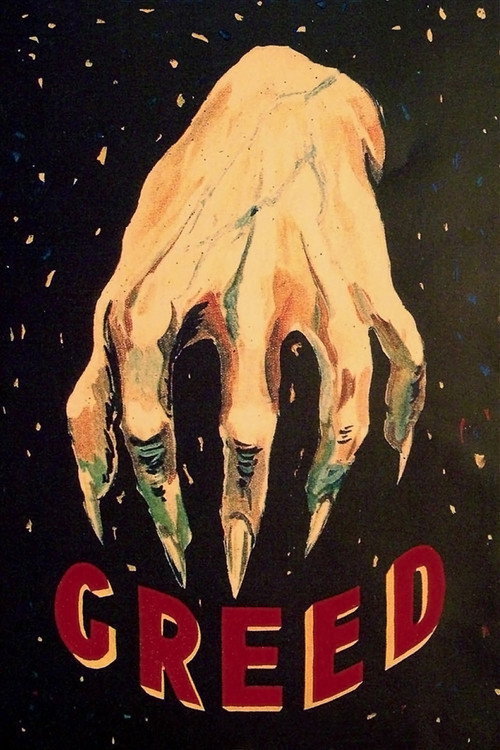
Greed1924
Erich von Stroheim's obsessive masterwork about how money corrodes a marriage and souls. Shot in natural light in real locations with meticulous psychological realism—it feels lived-in.
But Originally ten hours; surviving cut is still exhausting. The misogyny baked into the narrative is hard to square with its artistic achievement.
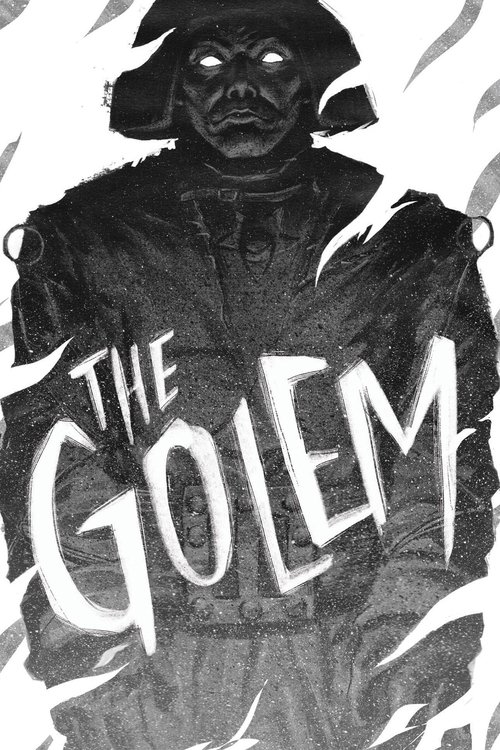
The Golem: How He Came into the World1920
Jewish folklore becomes German Expressionist horror. A clay creature built to protect becomes a force of uncontrollable destruction—visually inventive and thematically haunting.
But The narrative is thin and the pacing uneven. The historical context of its makers and its use by later regimes adds discomfort.
Pandora's Box1929
Louise Brooks as Lulu, a woman of appetite and charm whose refusal to be tamed destroys everyone around her. Morally complex, sensually alive, and Brooks is magnetic.
But It's more character study than plot, and its view of female sexuality as inherently catastrophic feels dated. The ending is bleak without redemption.

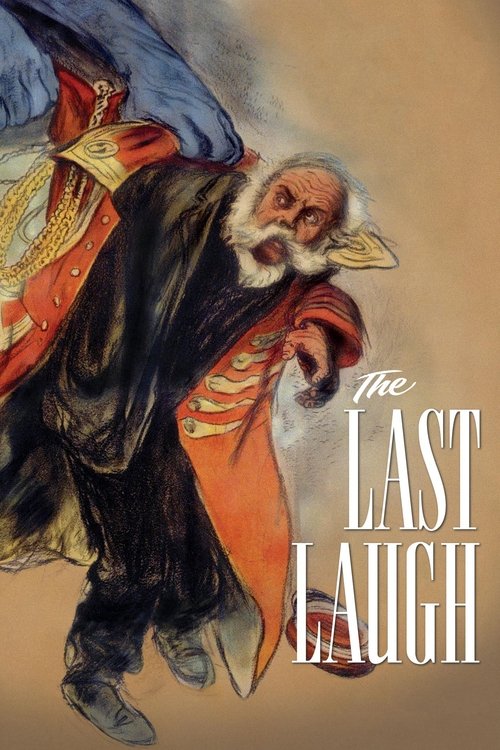
The Last Laugh1924
A doorman loses his uniform and his dignity. Emil Jannings gives a performance of total physical humiliation. The camera moves freely in ways that were revolutionary—cinema as lived experience.
But The sentimental ending undercuts the film's hard-won power. The humiliation of the protagonist, though the point, can feel relentless.
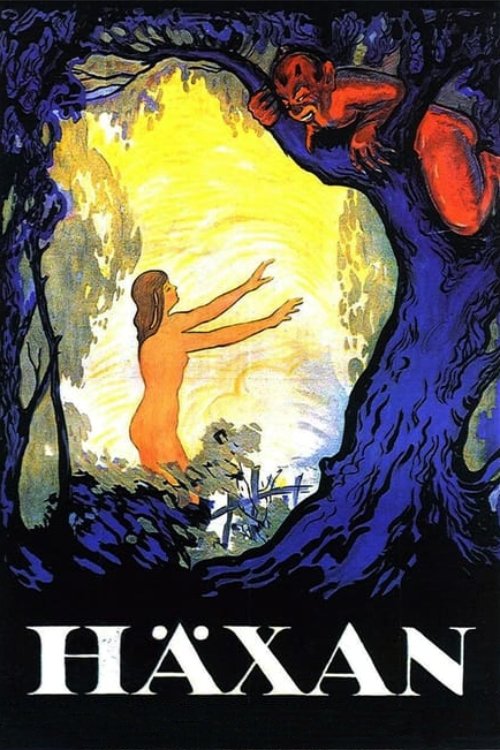
Häxan1922
Both examine how communities project spiritual explanations onto mundane phenomena, and how belief itself becomes more powerful than truth—but *Häxan* approaches this as historical tragedy while *The Miracle Man* treats it as moral fable.
A documentary-horror hybrid about witchcraft belief across history, mixing scholarly investigation with staged reconstructions of impossible nightmares. Visually unlike anything else—baroque, obscene, hypnotic.
But It's not a narrative film at all; the horror is abstract and conceptual. The staged sequences mix realism and grotesque in ways that can feel tonally confused.
People
Cast
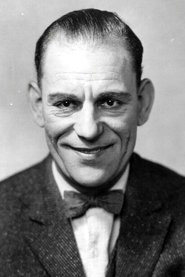 Lon ChaneyThe Frog
 Betty CompsonRose
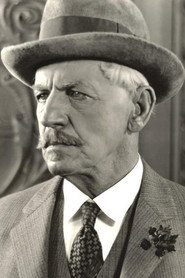 Joseph J. DowlingThe Patriarch
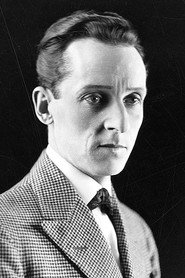 J.M. DumontThe Dope
 Elinor FairClaire King
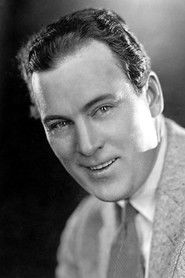 Thomas MeighanTom Burke
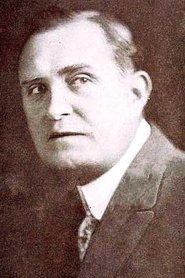 F.A. TurnerMr. Higgins
 Lucille HuttonRuth Higgins
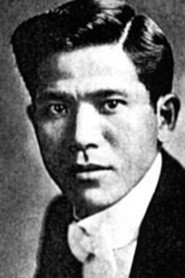 Kisaburō KuriharaThe Jap


Directing
- George Loane TuckerDirector
Writing
- Frank L. PackardNovel
- Robert Hobart DavisNovel