
Film
Orphans of the Storm
D.W. Griffith's 1921 epic of two sisters torn apart during the French Revolution's chaos. A grandly melodramatic silent film where the plot pivots on blind coincidence, aristocratic villainy, and the machinery of history grinding flesh. Gorgeously shot, structurally audacious, occasionally maddening—the kind of film that shows you exactly why cinema mattered, and why you might want to strangle it.
Should you watch it?
Watch it if you love old-fashioned silent melodrama, where big gestures, huge crowd scenes and a sister-bond told in pure images carry the emotion, and the Revolution is backdrop more than lesson.
Skip it if you need dialogue and brisk editing, because at two and a half hours of silent intertitles and stage-like acting, the pace is deliberate and the melodrama is unashamedly broad.
What it asks of you: A long runtime at a lingering pace, scenes that hold on faces rather than cut quickly, and sentiment that swells without apology; it rewards an evening with few interruptions.
Not sure? Find tonight's pick in a minute.
If you liked this
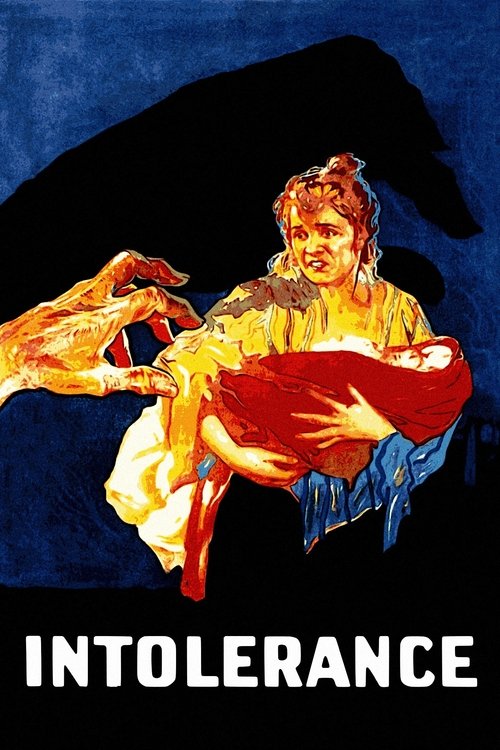
Intolerance: Love's Struggle Throughout the Ages1916
Griffith's earlier and even more sprawling epic about persecution across four historical eras. If Orphans made you gasp at what's possible in silent cinema, Intolerance will ruin you for everything else. Extraordinary scale and ambition.
But It's nearly four hours long, structurally confusing, and operates on pure emotion rather than plot logic. Some sequences feel unbearably slow to modern eyes.
The Phantom Carriage1921
Swedish silent masterpiece released the same year, equally operatic about morality and redemption. Uses trick cinematography to haunt you; the emotional intelligence is remarkable. A perfect peer to Griffith's ambition.
But The pacing is deliberate and the melodrama unironic. If you want snappy modern storytelling, this will feel impossibly archaic.

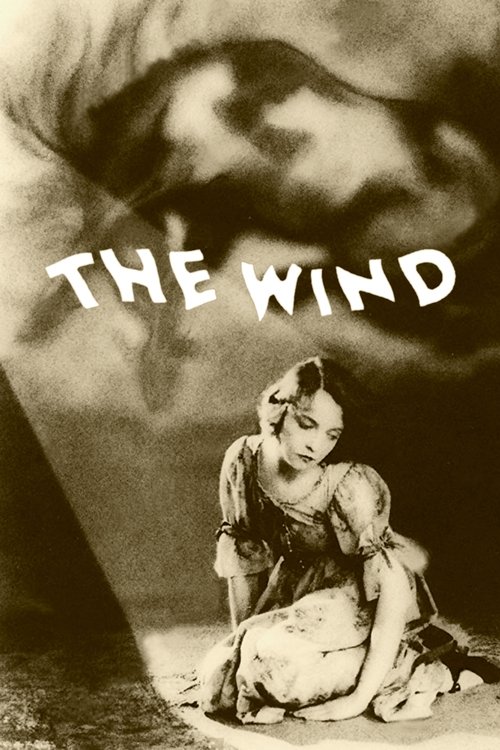
The Wind1928
Lillian Gish (your lead) in her final silent film, a psychological portrait of a woman breaking under harsh circumstance. Raw, genuinely unsettling, and proof that silent acting could be subtle and devastating.
But It's darker and more internally focused than Orphans—less incident, more dread. The romantic resolution may feel imposed on the real story.
Not sure tonight? Get a pick in a minute, starting from Orphans of the Storm
The wildcard
Something you would not have found on your own.
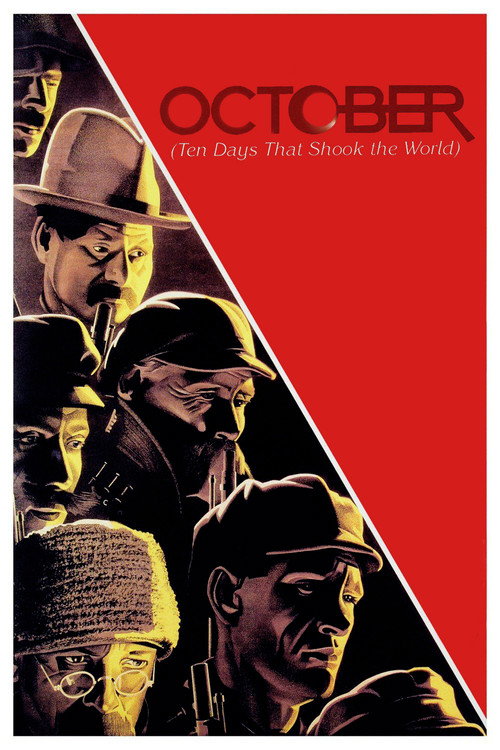
October (Ten Days that Shook the World)1928
Both are historical epics about revolution that blur political event and personal tragedy. But Eisenstein rejects Griffith's rescue-plot emotional logic entirely; the revolution is the character, and individuals are swept up or crushed.
Eisenstein's Soviet epic about the Russian Revolution, made just years after Orphans. Where Griffith saw history as melodrama, Eisenstein saw it as mass movement and collision. Montage as ideology. Revolutionary cinema about revolution itself.
But It's propagandistic, fragmented, and the editing is relentless—almost hallucinatory. There's no romantic plot to follow, only ideas and images battering you. Soviet aesthetics can feel as alien now as then.
More like this (8)
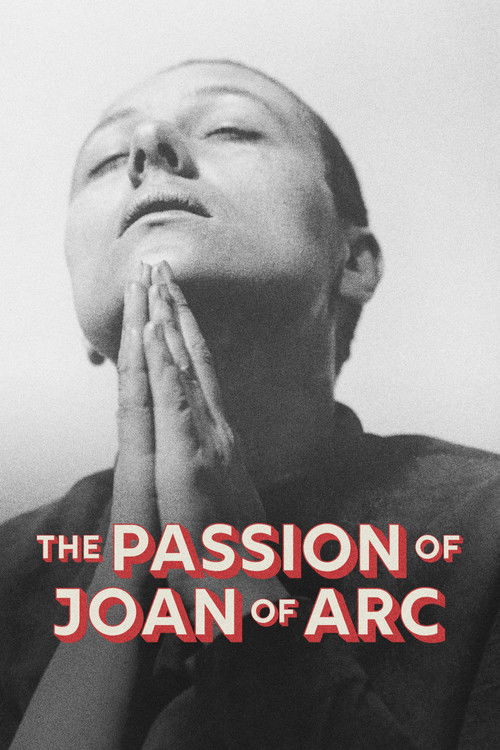
The Passion of Joan of Arc1928
Dreyer's French silent about Joan of Arc facing trial. Uses close-ups the way Griffith uses crowds; utterly different in register but similarly absorbed in faith, persecution, and the individual against history.
But It's essentially one woman's face for ninety minutes. No plot momentum, no action—purely spiritual and emotional endurance.
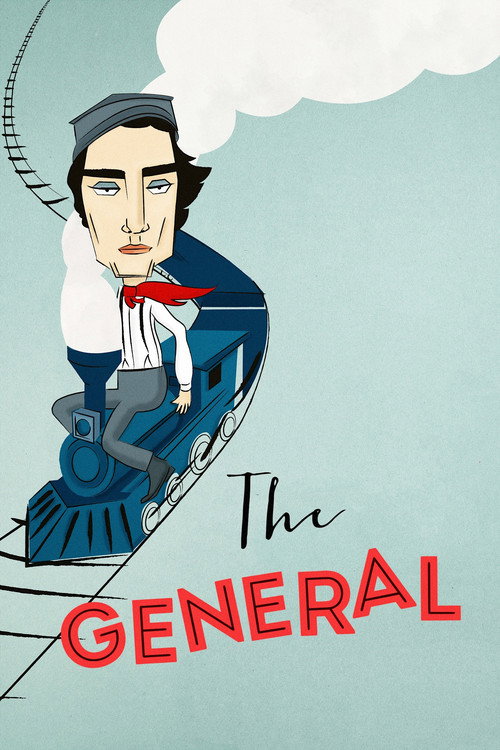
The General1926
A historical adventure from the same era, but Keaton's stone-faced comedy approaches spectacle completely differently. Perfect reminder that silent cinema could do anything, and that Griffith's earnestness wasn't the only way.
But The tone shift from tragedy to slapstick might feel jarring if you wanted to stay in Orphans' world. Comedy is subjective; Keaton's will either delight or leave you cold.
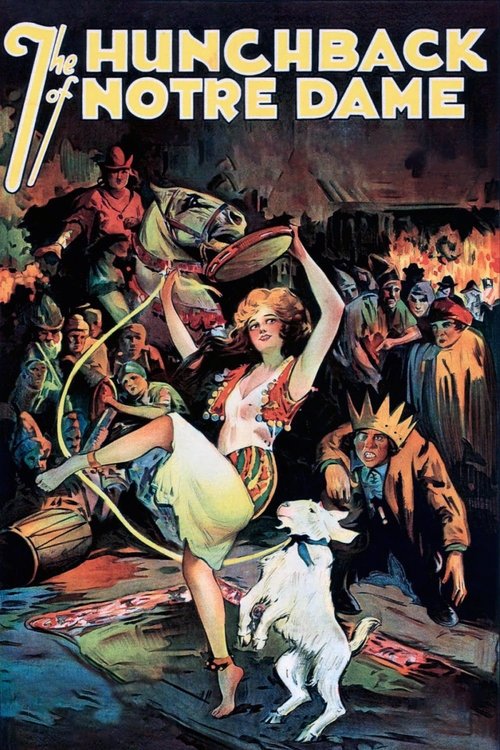
The Hunchback of Notre Dame1923
Lon Chaney in a vast, atmospheric Parisian melodrama. Less about plot and more about pathos and spectacle. Shows how fully the silent epic could capture a city and a feeling.
But The romantic subplot is clumsy and the moral framework is dated. Chaney's performance occasionally tips into camp.
Nosferatu1922
German Expressionist masterpiece made during silent cinema's formal ferment. Proof that the era's visual grammar could create genuine horror without relying on melodrama or rescue scenes.
But It's slow, atmospheric, and utterly grim. If you want emotion and incident like Orphans, this offers only dread and inevitability.

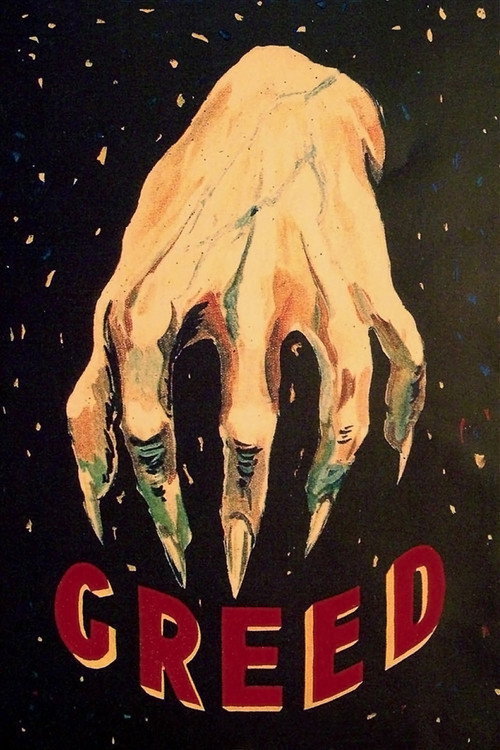
Greed1924
Erich von Stroheim's obsessive vision of American greed and moral decay. Operates at Griffith's scale but with psychological realism and a willingness to let everyone be contemptible. Stunning in its cynicism.
But Nearly six hours in its reconstructed form. The second half becomes increasingly bleak and repetitive, and the narrative sprawl tests patience.
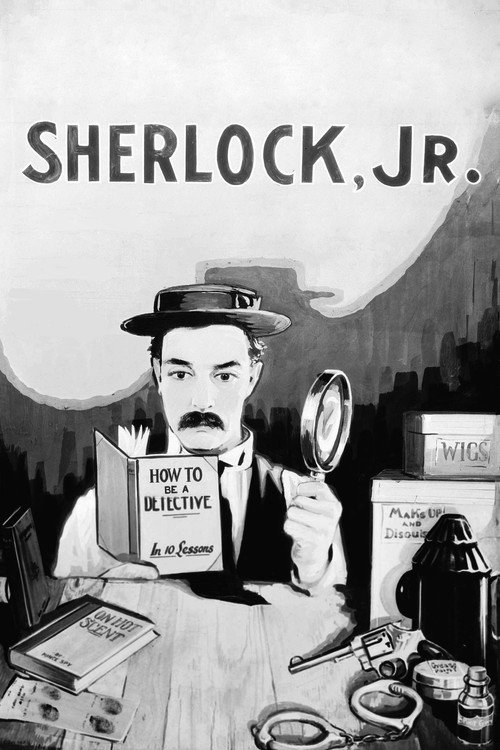
Sherlock Jr.1924
Keaton again, but this time a romantic comedy-mystery with jaw-dropping visual effects. Shows that silent cinema could be clever and playful without sacrificing emotional stakes or formal innovation.
But The self-aware comedy and fantasy sequences are a tonal departure from earnest historical drama. Some jokes have aged.
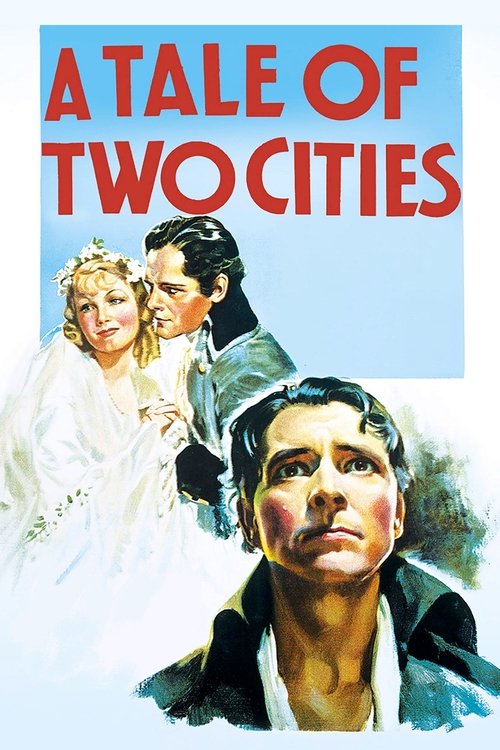
A Tale of Two Cities1935
Both pit two sisters/lovers against Revolution's machinery, using the era as backdrop for personal anguish. But the 1935 version prioritizes the individual romance and patriotic sentiment, while Griffith lets the historical chaos actually drown the plot.
Ronald Colman in a sound-era adaptation of Dickens's French Revolution novel—lush, romantic, high-stakes. Shows how the same historical moment plays in a different medium, with different emotional technology (dialogue, music, close-ups).
But It's studio-bound, much tamer, and emotionally conventional by comparison. The whole thing is smoothed down to fit 1930s Hollywood comfort. You'll feel what cinema gained and lost between 1921 and 1935.
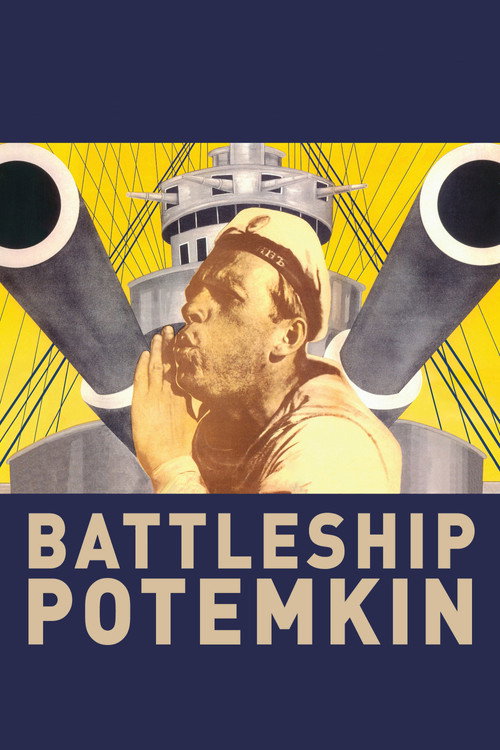
Battleship Potemkin1925
Both are politically charged historical epics where crowds are cinematically as important as individuals. But where Griffith uses history to frame personal melodrama, Eisenstein uses individuals to illustrate historical forces. Potemkin shows you what Griffith's Revolution looks like from the other side.
Eisenstein's earlier, more accessible masterpiece about a mutiny during the Russian Revolution. The Odessa Steps sequence alone is cinema education. Formal perfection in service of political passion—the opposite of Griffith's approach, equally overwhelming.
But It's a Soviet propaganda film with no traditional narrative or character arcs. The revolution is not backdrop but hero. If you want individuals to care about, you will be frustrated.
People
Cast
 Lillian GishHenriette Girard
 Dorothy GishLouise Girard
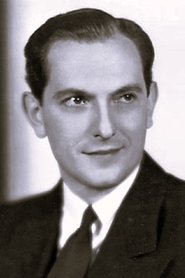 Joseph SchildkrautChevalier de Vaudrey
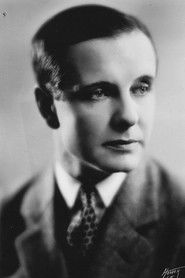 Creighton HalePicard
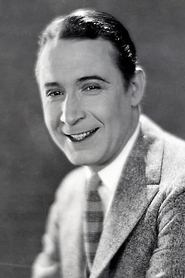 Monte BlueDanton
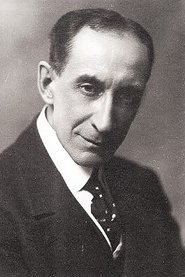 Sidney HerbertRobespierre
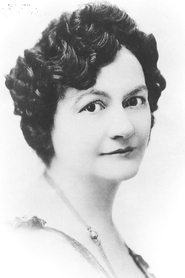 Lucille La VerneMother Frochard
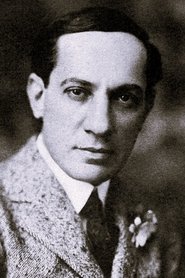 Sheldon LewisJacques Frochard
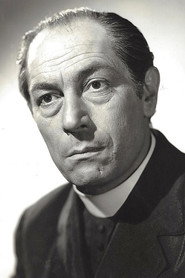 Frank PugliaPierre
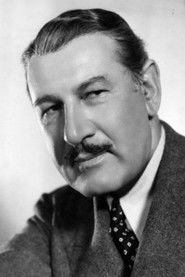 Morgan WallaceMarquis de Praille
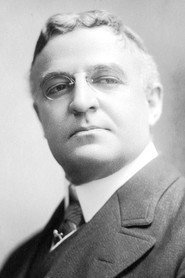 Frank LoseeCount de Linieres
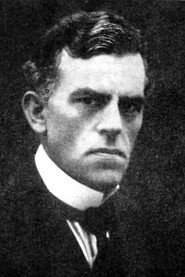 Leslie KingJacques-Forget-Not
Directing
- Herbert SutchAssistant Director
- D.W. GriffithDirector
Writing
- D.W. GriffithScreenplay
- Adolphe d'EnneryTheatre Play
- Eugène CormonTheatre Play
Production
- D.W. GriffithProducer
Recommended by
His Regeneration, Intolerance: Love's Struggle Throughout the Ages, The Birth of a Nation, Scaramouche, The Last Bolshevik, Stella Maris, The Wishing Ring: An Idyll of Old England, A Tale of Two Cities, The Four Horsemen of the Apocalypse