
Film
The Wishing Ring: An Idyll of Old England
A 1914 fairy-tale drama about redemption through hardship. A disgraced nobleman's son must earn his way back to respectability, aided by the magic of an enchanted ring and the kindness of a parson's daughter. It's gentle, earnest cinema—pre-war sentiment preserved in flickering frames, more interested in moral transformation than plot mechanics. For silent-film devotees and anyone curious about how storytelling worked a century ago.
Should you watch it?
Watch it if you love slow, sentimental silent melodrama where class, duty and a pastoral English village carry the emotion, and you don't mind old-fashioned earnestness played straight.
Skip it if you need quick cutting or modern pacing, since this is a short, gentle 1914 picture where stillness and sincere sentiment do most of the work.
What it asks of you: An hour of patience with silent-era acting and intertitles, a gentle rhythm, and a willingness to take its sweetness at face value rather than winking at it.
Not sure? Find tonight's pick in a minute.
If you liked this
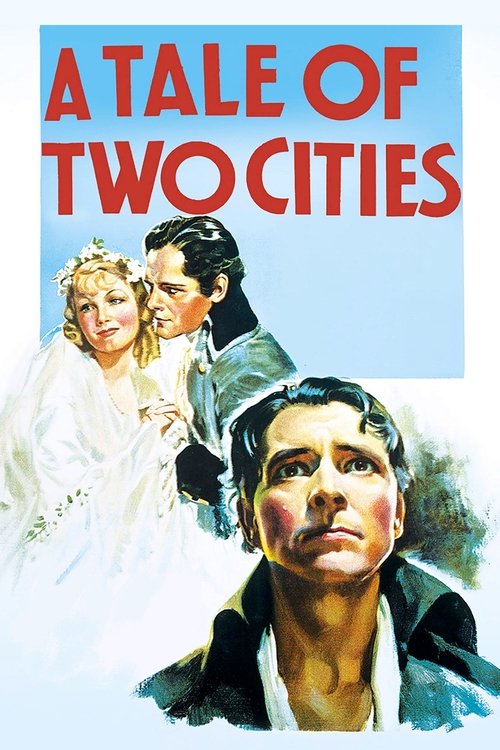
A Tale of Two Cities1935
Colman and Edna May Oliver anchor this sweeping melodrama of sacrifice and redemption. The climax—"It is a far, far better thing"—still carries real weight. Sumptuous production design, genuine emotion.
But Heavy on theatrical acting styles. The plot mechanics feel creaky by modern standards, and it's nearly two hours of relentless earnestness.
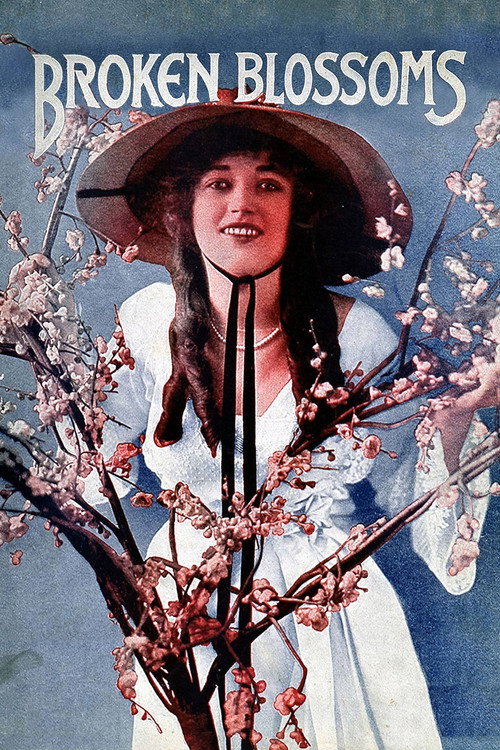
Broken Blossoms or The Yellow Man and the Girl1919
D.W. Griffith's masterpiece of visual storytelling and tender feeling. A Chinese man and an abused English girl find solace in each other. Shot with extraordinary delicacy and genuine heartbreak.
But It's slow by any standard, silent, and deals with themes of abuse and racism that require patient, serious engagement.
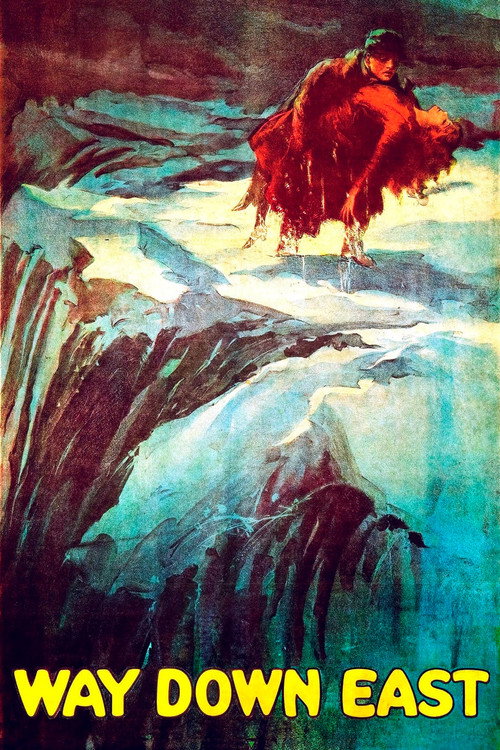
Way Down East1920
Lillian Gish at her peak in a melodrama about a woman undone by circumstance and male cruelty. The rural setting, the moral clarity, the famous ice-floe climax—all of it works. D.W. Griffith directing.
But The moralism is suffocating by modern standards. Gish's virtue is everything; complexity is absent.
Not sure tonight? Get a pick in a minute, starting from The Wishing Ring: An Idyll of Old England
The wildcard
Something you would not have found on your own.
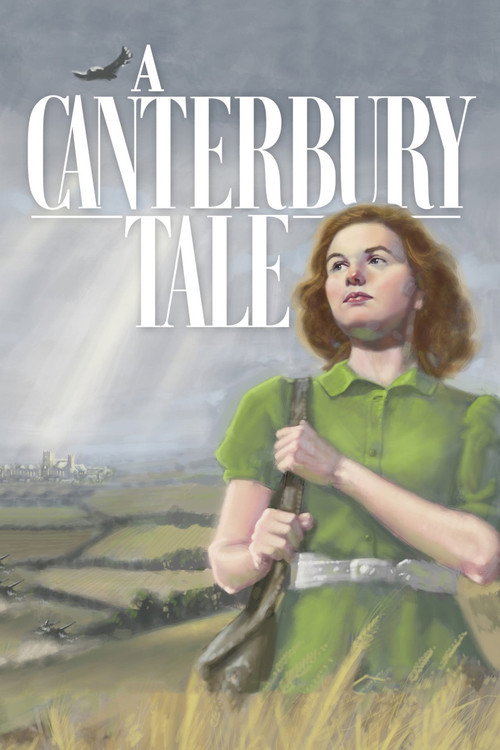
A Canterbury Tale1944
Both are fables about moral awakening and grace, using English villages and supernatural intervention as the machinery. Redemption earned through kindness and revelation rather than just hard work.
Powell and Pressburger's wartime mystery plays like a ghost story dressed as a detective yarn. A group of strangers in Kent experience something inexplicable; Chaucer haunts the narrative. Formally inventive, genuinely strange, deeply moving about faith and community.
But The plot doesn't resolve logically—it transforms into something metaphysical. If you want neat answers, this will frustrate you. Also: the sexual politics are complicated and uncomfortable at times.
More like this (8)
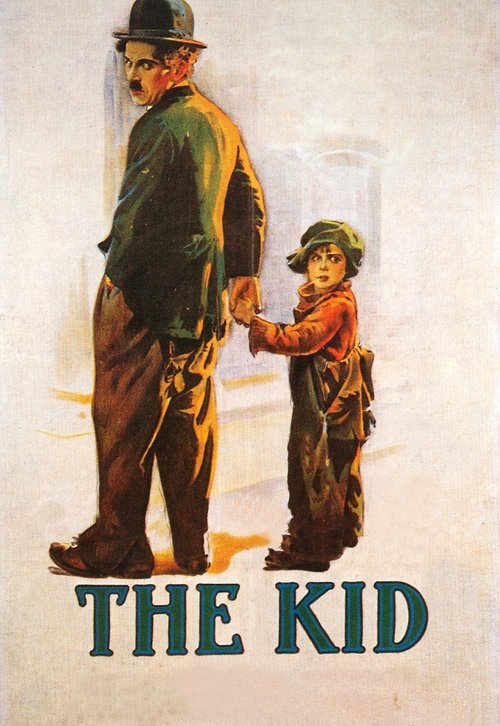
The Kid1921
Chaplin's first feature-length comedy, perfectly balanced between slapstick and genuine pathos. A street urchin and a tramp form a family. It's funny and moving in almost equal measure.
But The sentimental turns can feel manipulative if you're not in the mood. Some of the humor is very of its era.
Intolerance: Love's Struggle Throughout the Ages1916
Griffith's audacious epic weaving four stories across centuries to illustrate how prejudice destroys. The Babylon sequence alone is stunning. Formally daring and thematically ambitious.
But Nearly four hours long, narratively bewildering, and Griffith's racial politics are deeply problematic. Requires immense patience.

Sunrise: A Song of Two Humans1927
F.W. Murnau's masterpiece about a marriage tested by temptation and rekindled by grace. Visually ravishing, emotionally precise. The city sequence is cinema at its most inventive.
But Slow pacing. The plot is schematic—temptation, fall, redemption. If that arc feels familiar, the film won't surprise you.

The Phantom Carriage1921
Swedish ghost story about a dying man shown the consequences of his cruelty. Haunting imagery, genuinely unsettling. Influences everything from Dickens adaptations to modern horror.
But The pacing is glacial. Some sequences feel repetitive. Silent film requires real attention or boredom sets in fast.

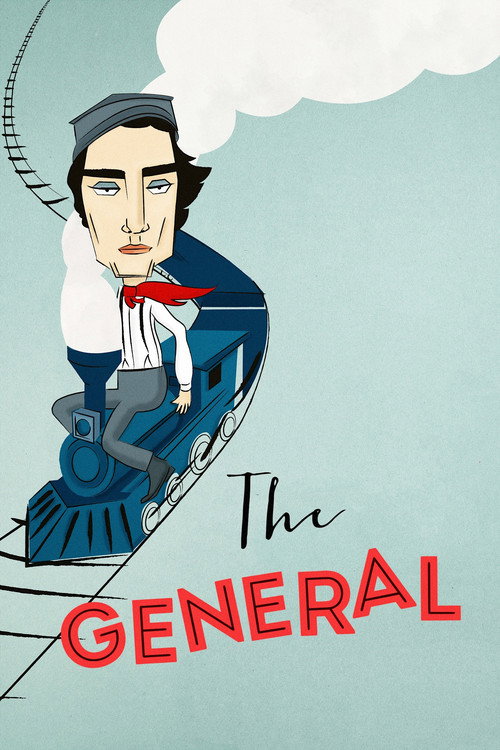
The General1926
Buster Keaton's comedy about the Civil War features stunts of genuine peril and ingenuity. The train sequences are extraordinary. Funny without relying on sentiment.
But The humor is dry and physical; if slapstick leaves you cold, this won't convert you. Also: the Confederate sympathies in the framing are jarring.
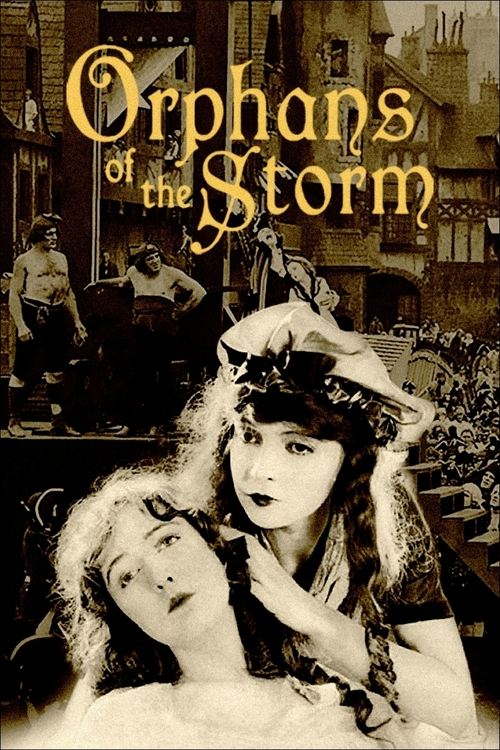
Orphans of the Storm1921
Griffith's tale of two sisters separated during the French Revolution. Lillian and Dorothy Gish are radiant. The climactic rescue across rooftops is genuinely thrilling.
But Lengthy, plot-heavy, and steeped in the same melodramatic conventions that feel overwrought to modern viewers. Requires patience.
Ikiru1952
A different cultural register and era, but the same spiritual engine: a person of low station or diminished circumstance discovers that grace and worth come through service to others, not status or accumulation.
Kurosawa's masterpiece about a dying bureaucrat who discovers meaning by helping others. Quieter than you'd expect, devastatingly human. The second half is some of cinema's greatest work—unsparing, compassionate, transcendent.
But It's slow, Japanese, and entirely about watching a man reckon with mortality and insignificance. Not conventionally dramatic. The first hour is deliberately numbing.

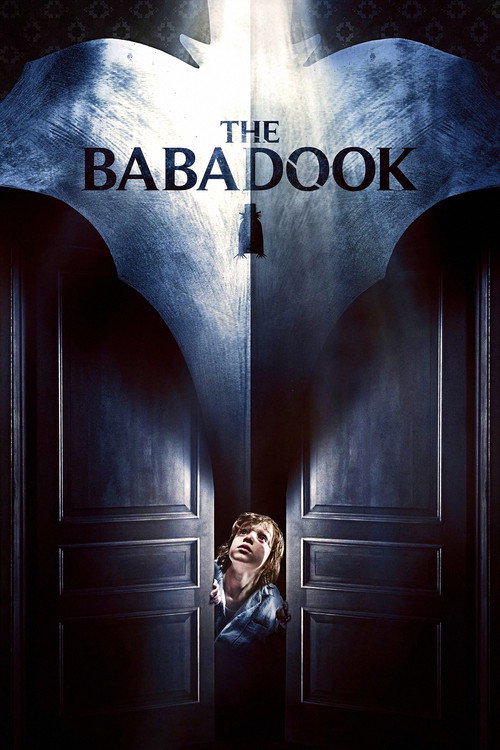
The Babadook2014
Uses a fairy-tale logic—a magical curse, a trial, transformation—to explore real psychological wounds. Like *The Wishing Ring*, it suggests that redemption isn't about earning a crown but about confronting what's broken inside and choosing to live with it anyway.
An Australian horror film that works as a portrait of grief, isolation, and a mother's desperation. Visually inventive, genuinely unsettling, but the real power is emotional—about how trauma mutates into something that consumes you if you won't face it.
But It's a horror film, so expect dread and disturbing imagery. Not comforting. The ambiguity might feel evasive if you want catharsis instead of ambiguity. The ending divides people sharply.
People
Cast
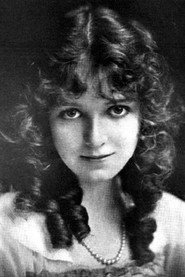 Vivian MartinSally, The Parson's Daughter
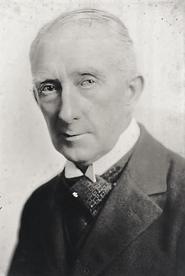 Alec B. FrancisThe Earl Of Bateson
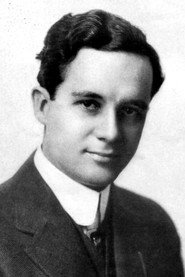 Chester BarnettThe Earl's Son, Giles
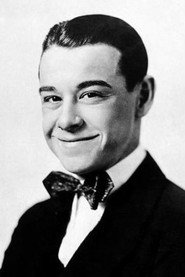 Johnny HinesA Jolly Boy
- Gyp WilliamsThe Orphan
- Simeon WiltsieThe Parson
- Walter MortonMr. Annesley
Directing
- Maurice TourneurDirector
Writing
- Owen DavisTheatre Play
- Maurice TourneurWriter
Production
- William A. BradyProducer