
Film
Judex
Judex is a 1916 French serial adventure—five hours of masked vigilante justice, hypnotic pacing, and visual invention that predates every superhero origin story. It's beautifully strange to watch: urgent and dreamlike, thrilling and oddly tender. For anyone who loves silent cinema, crime serials, or the history of how movies learned to tell stories.
Should you watch it?
Watch it if you love the old serial's pleasure in shadowy avengers, coincidence-driven melodrama and a secret identity that matters more than psychology.
Skip it if you need characters with inner lives and steady pacing, since this is a silent, stylised crime story built in episodic chunks with broad, theatrical acting.
What it asks of you: Its shape is serial rather than sleek: over five hours of silent footage, paced in installments, with long stretches of plot mechanics and little time spent inside anyone's head.
Not sure? Find tonight's pick in a minute.
If you liked this
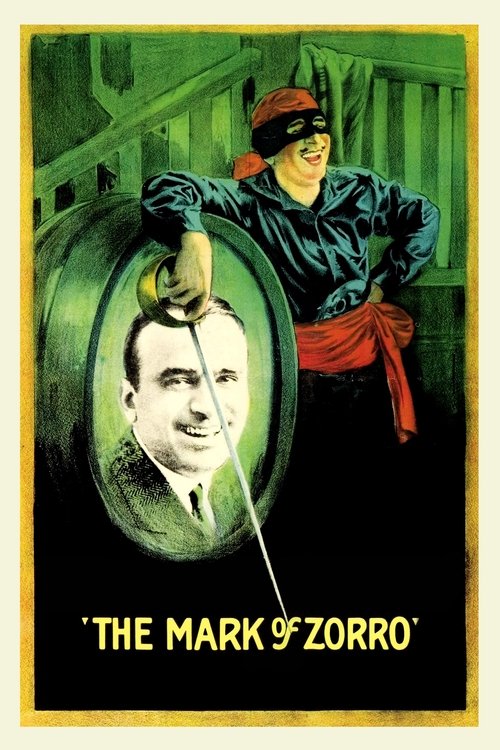
The Mark of Zorro1920
Douglas Fairbanks as the template for every masked avenger after: swashbuckling, witty, impossibly acrobatic. It's what Judex's DNA became in American hands—faster, brighter, more charming.
But Less visually ambitious than Judex. The plot is simpler, the atmosphere lighter. You might want more of Judex's strange melancholy.
The Phantom Carriage1921
Swedish master Asta Nielsen's haunting meditation on guilt and redemption, using supernatural dread the way Judex uses mystery and disguise. Equally hypnotic, equally strange, equally essential silent cinema.
But Slower. More focused on psychology than action. The supernatural elements might feel dated or slow the pace for action fans.

The Lodger: A Story of the London Fog1927
Hitchcock's first thriller: a masked figure, urban paranoia, visual storytelling that speaks without intertitles. The DNA of modern suspense, but rooted in exactly the same era as Judex.
But Shorter and tighter than Judex—some find it feels rushed. The mystery is simpler; Judex's elaborate plot twists might leave you wanting more complexity.

Not sure tonight? Get a pick in a minute, starting from Judex
The wildcard
Something you would not have found on your own.
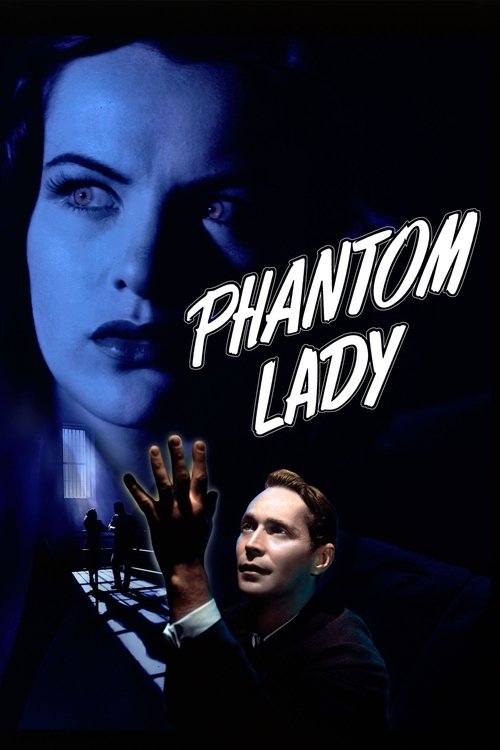
Phantom Lady1944
Both hinge on a protagonist operating outside the law to catch a criminal, using disguise and shadow as weapons. Judex is French idealism; Phantom Lady is American moral compromise.
Robert Siodmak's American noir transplants the Judex formula—masked investigation, wrongful accusation, stylized shadows—into postwar urban America. Same DNA, utterly different world. Visually intoxicating and morally murky.
But Faster, more cynical, much less romantic about justice. The hero is flawed in ways Judex isn't. If you want moral clarity, noir's moral fog might frustrate.
More like this (7)
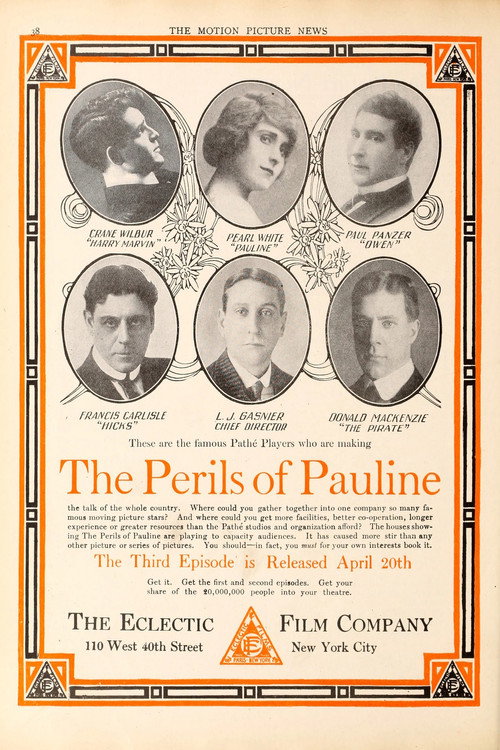
The Perils of Pauline1914
The serial that proved audiences would come back week after week for cliffhangers and impossible escapes. Essential viewing for understanding the world Judex emerged from and mastered.
But It's purely plot machinery with less visual poetry or thematic depth. The spectacle is the point; if you want character or atmosphere, this is thin soup.
Nosferatu1922
German Expressionism at its peak: dread, shadow, a narrative driven by visual language rather than dialogue. Like Judex, it proves silent film could be genuinely unsettling without relying on words.
But Much slower and more meditative. The horror is glacial. If you want adventure and momentum, this will test your patience.

The Cabinet of Dr. Caligari1920
Warped sets, psychological terror, moral ambiguity—German Expressionism weaponizing cinema itself. Shares Judex's obsession with visual strangeness and hidden identities as the engine of dread.
But Abstract and difficult. There's little plot momentum; it's about mood and unease rather than narrative thrust. Very of its moment.

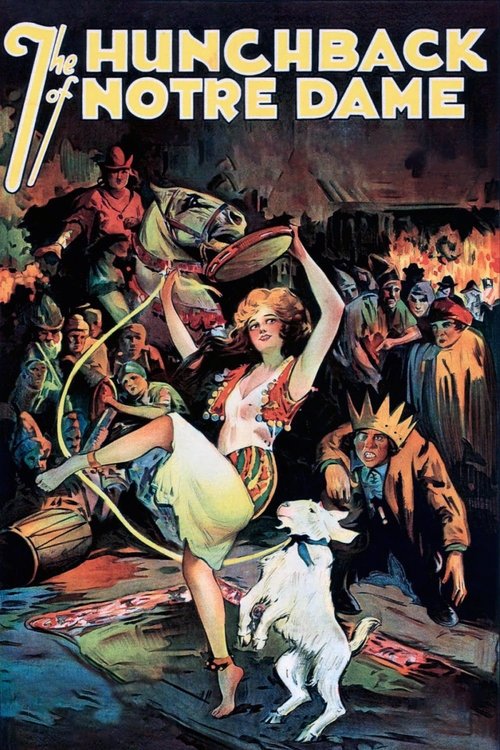
The Hunchback of Notre Dame1923
Lon Chaney's transformative performance in a story about outsiders and justice. Epic scale, emotional complexity, and the silent cinema's gift for making the grotesque sympathetic.
But Slower pacing. More melodrama than mystery. If you want plot momentum and intrigue, this invests heavily in sentiment instead.
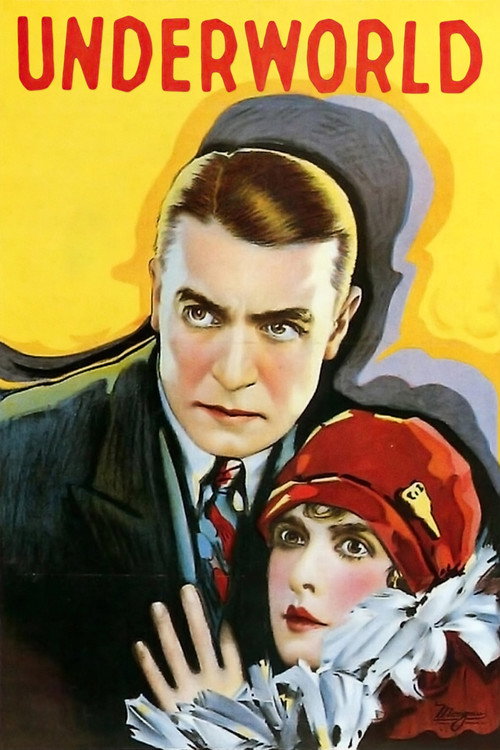
Underworld1927
Josef von Sternberg's stylish dive into the criminal underworld. Shadowy, sophisticated, proof that silent crime dramas could be as morally complex and visually stunning as anything else cinema could do.
But Smaller in scope than Judex. More concerned with character than spectacle. The gangster world might feel less fantastical than Judex's operatic vengeance.
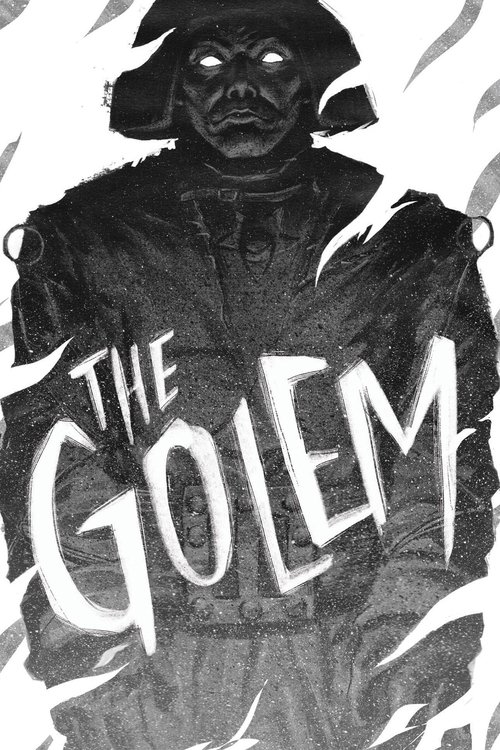
The Golem: How He Came into the World1920
Another German Expressionist masterpiece: a creature summoned to protect a city, moral questions about power and violence. Like Judex, it's about a masked force dispensing justice from outside the law.
But Mythological rather than grounded. Very slow by modern standards. The metaphor might feel heavy-handed compared to Judex's narrative elegance.
The Third Man1949
Both use a city as a character, both are about pursuing a figure through urban shadow, both make you question whether justice and vengeance are the same thing.
Carol Reed's Vienna is Judex's Paris transplanted to the Cold War: a mystery unfolding through shadow and geography, a hero discovering his nemesis is charming, Vienna's zither score as hypnotic as Judex's silence. Equally strange, equally perfect.
But Post-war realism rather than adventure fantasy. Morally ambiguous in ways that might feel unsatisfying. The pacing is deliberate; some find it slow.

People
Cast
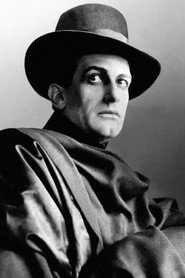 René CrestéJacques de Tremeuse / Judex
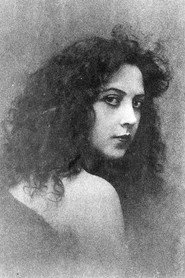 MusidoraDiana Monti / Marie Verdier
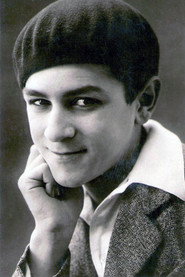 René PoyenThe Boy Réglisse
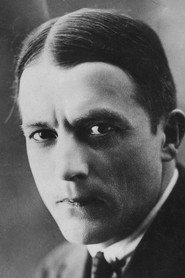 Édouard MathéRoger de Tremeuse
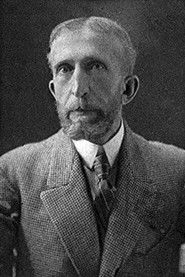 Gaston MichelPierre Kerjean
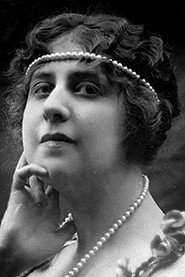 Yvonne DarioCountess de Tremeuse
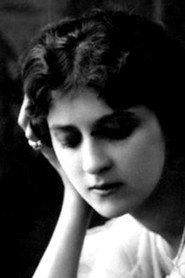 Yvette AndréyorJacqueline Aubry
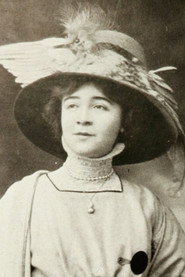 Juliette ClarensGisèle
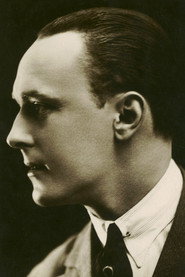 Jean DevaldeRobert Moralés
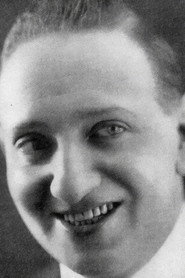 Georges FlateauViscount de la Rochefontaine
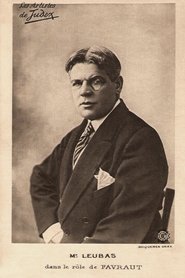 Louis LeubasBanker Favraux
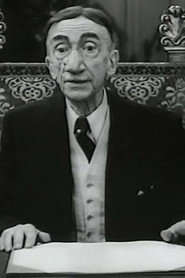 Marcel LévesqueCocantin
Directing
- Louis FeuilladeDirector
Writing
- Arthur BernèdeWriter
- Louis FeuilladeWriter