
Film
Flesh and Blood
Other titles called Flesh and Blood: the 2020 series (ITV1).
A 1922 silent crime melodrama featuring Lon Chaney as a convict who resurfaces under a false identity to hunt the man who framed him fifteen years before, only to discover his daughter has fallen for the villain's son. Chaney's performance carries the film through its tangled plot; it's the kind of story where coincidence and fate collide with genuine emotional stakes. For silent film enthusiasts and anyone curious about early crime cinema.
If you liked this
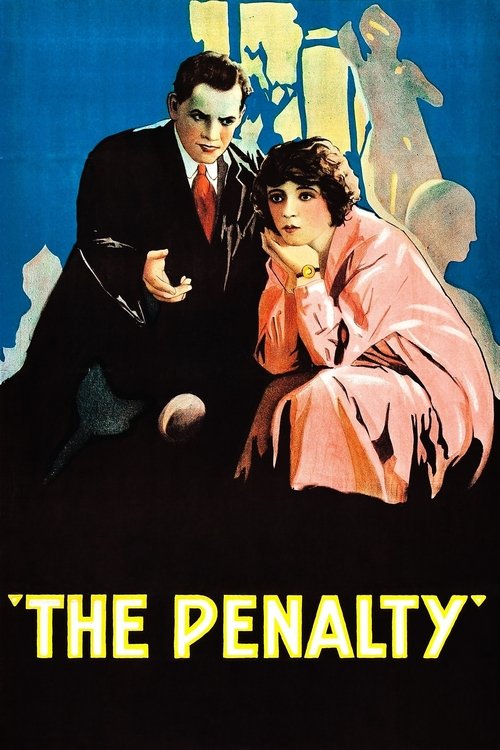
The Penalty1920
Lon Chaney's masterclass in physical acting: a double-amputee criminal who commands a shadow empire from his basement. The role demands total commitment and Chaney delivers something unforgettable, grotesque and pitiable at once.
But The melodrama is thick and the plot creaks under the weight of its own contrivances. You need patience with silent pacing and genuine affection for Chaney's intensity.
Nosferatu1922
A contemporary of Flesh and Blood but operating in pure atmosphere rather than plot mechanics. The dread builds methodically through image alone; it's cinema discovering its own language for fear.
But Almost static by modern standards. If you need forward momentum or dialogue to stay engaged, the slowness will feel punishing rather than hypnotic.

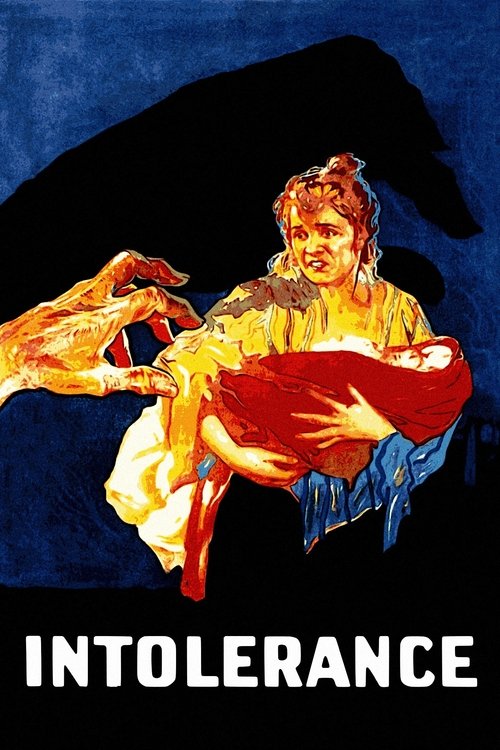
Intolerance: Love's Struggle Throughout the Ages1916
D.W. Griffith's audacious, nearly four-hour epic intercuts four stories across centuries to examine the damaging power of prejudice. Visually staggering and structurally daring in ways that still feel modern.
But The length is genuine and the pacing occasionally bewildering. The film's moral arguments about intolerance are undercut by Griffith's own racism in the material, which doesn't resolve neatly.
Not sure tonight? Get a pick in a minute, starting from Flesh and Blood
The wildcard
Something you would not have found on your own.
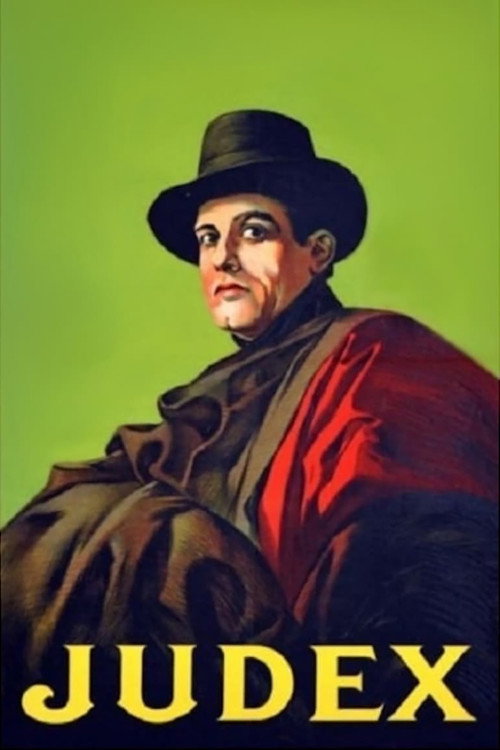
Judex1916
Both feature masked men operating outside law in pursuit of justice or vengeance, but where Chaney works in compressed American melodrama, Feuillade sprawls across French serial tradition—the same engine in radically different registers.
Louis Feuillade's ten-hour serial about a masked avenger, shot with none of the American conventions that shape Chaney's world. It's crime melodrama at the moment it could still be painting, all shadow and architecture and patient revelation.
But At over six hundred minutes, Judex is a commitment. The individual episodes move glacially and the episodic format means real estate spent on cliffhangers that resolve without drama. Serial logic, not plot logic.
More like this (8)
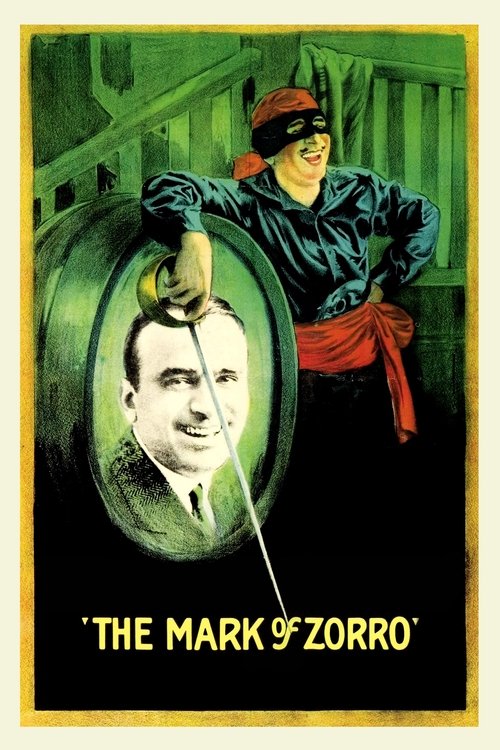
The Mark of Zorro1920
Douglas Fairbanks at his physical peak, playing a man with a secret identity who rights wrongs through charm and acrobatics. Pure adventure cinema with genuine wit and an infectious energy that carries you through.
But It's straightforward fun—no psychological depth or moral ambiguity. If you're seeking substance over entertainment, this will feel lightweight.
The Phantom Carriage1921
Victor Sjöström's Swedish masterpiece about a drunk man visited on New Year's Eve by the driver of death's carriage. Formally inventive ghost story that finds horror and redemption in the same image.
But The emotional register is severe and the supernatural elements take time to unfold. It demands more of your attention than many silent films, and rewards it unevenly.

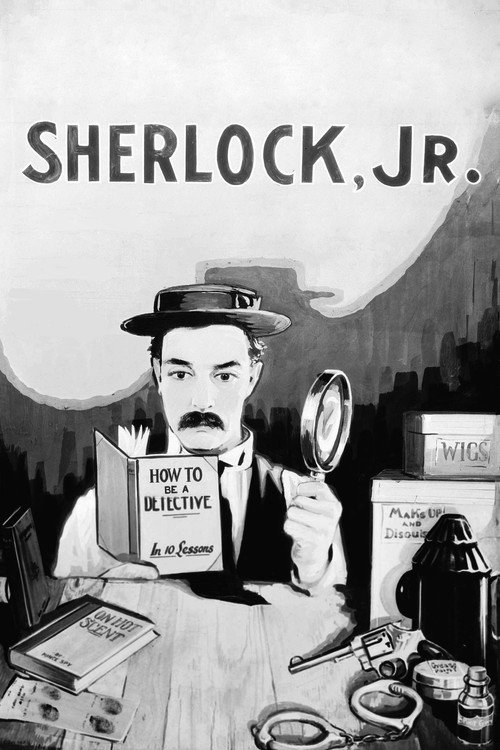
Sherlock Jr.1924
Buster Keaton's balletic physical comedy about a projectionist who dreams himself into the film on screen. Every gag is built from pure mechanics and timing; the famous dream sequence still astonishes.
But The plot is almost beside the point. If you need narrative coherence or character development, the gags-first approach will feel dismissive of story.
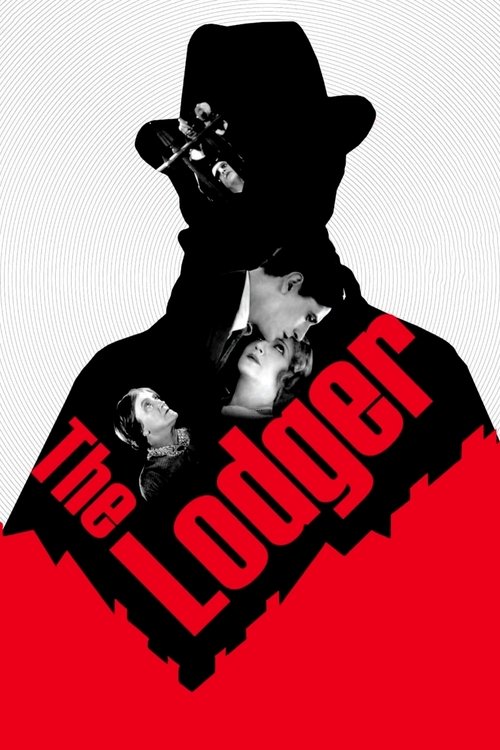
The Lodger: A Story of the London Fog1927
Alfred Hitchcock's assured debut, a Jack the Ripper thriller that builds suspicion and paranoia through purely visual storytelling. You can feel cinema learning to manipulate an audience's emotions.
But As a Ripper film it's more atmosphere than revelation, and the ending feels more convenient than earned. The pacing occasionally sags in the middle act.
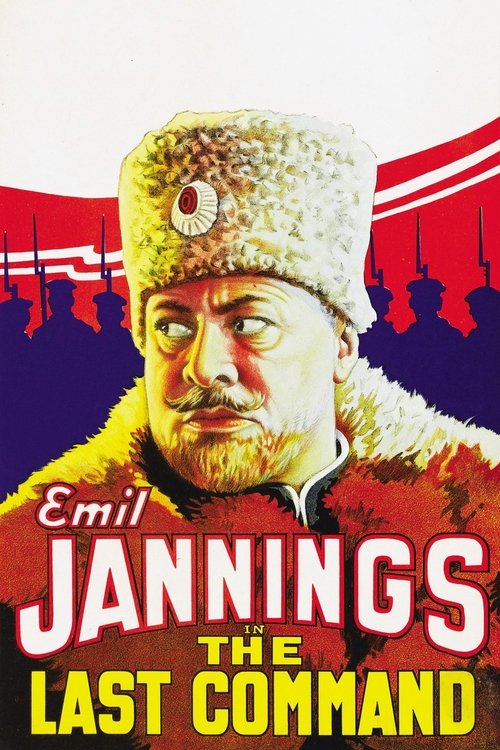
The Last Command1928
Emil Jannings as a Russian general reduced to playing himself in Hollywood films—a knowing, melancholy portrait of exile and the cost of performance. Chaney's contemporary, doing quieter work with equal depth.
But It's a chamber piece masquerading as a war film. The payoff is small and internal, and the final twist may feel maudlin rather than moving.
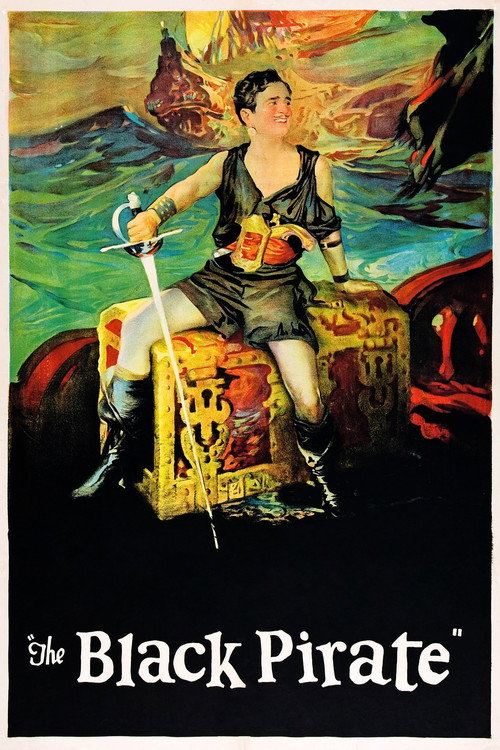
The Black Pirate1926
Douglas Fairbanks in Technicolor, swashbuckling across a pirate ship with one-handed swordplay and impossible stunts. A technical marvel for 1926 and endlessly inventive in its action choreography.
But The plot is tissue-thin and the acting style is operatic. You're here for the spectacle, not the story, and if spectacle alone doesn't sustain you, you'll be impatient.
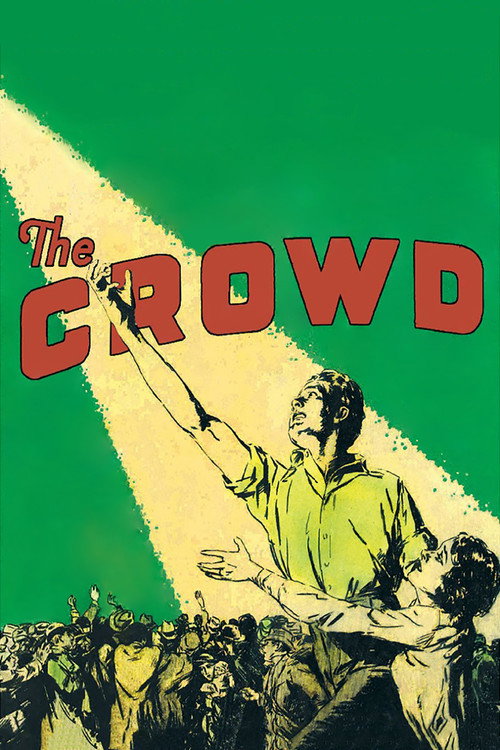
The Crowd1928
Both show men whose pasts and circumstances trap them, but Chaney's convict fights back while Vidor's protagonist simply breaks under the weight. One is revenge melodrama; the other is social devastation.
King Vidor's raw portrait of an ordinary man crushed by circumstance and indifference in the city. No makeup, no performance tricks—just a camera watching lives derail through bad luck and small failures.
But There's no catharsis and no twist that justifies the suffering. If you need your tragedy to mean something or resolve meaningfully, the flat despair will feel like punishment.
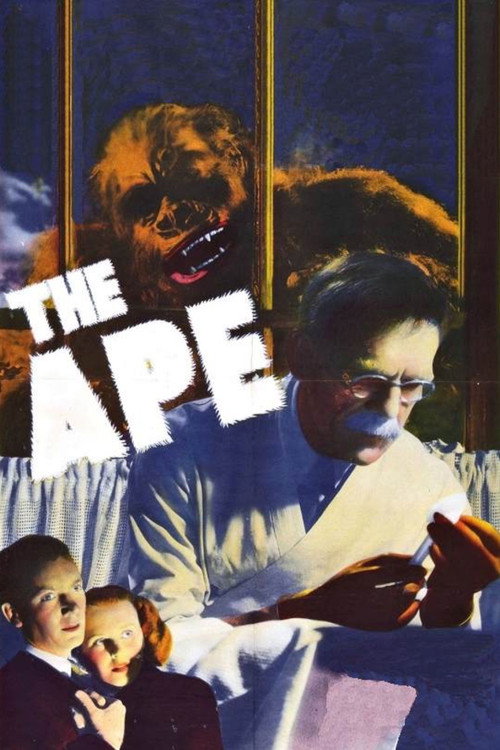
The Ape1940
Both feature men in disguise pursuing goals shaped by love and damaged paternity, but where Chaney operates in a classical crime framework, Nigh ventures into body horror and genuine perversion—the tragic impulse rendered grotesque and unspeakable.
William Nigh's perverse B-picture where a mad surgeon skins a gorilla to wear its hide, all in service of a daughter he loves with ruinous intensity. Grotesque, sincere, and utterly unashamed of its pulp heart.
But It's schlock: the effects are unconvincing, the logic preposterous, the dialogue clunky. The film makes no apologies and neither should you, but that doesn't make it coherent.
People
Cast
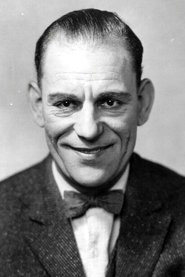 Lon ChaneyDavid Webster
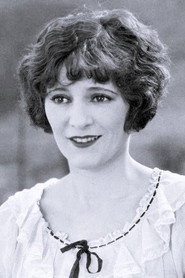 Edith RobertsThe Angel Lady
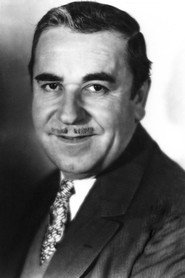 Noah BeeryLi Fang
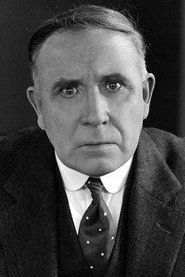 DeWitt JenningsDetective Doyle
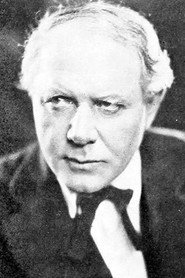 Ralph LewisFletcher Burton
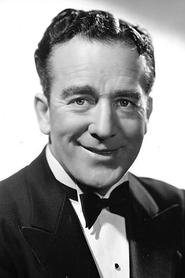 Jack MulhallTed Burton
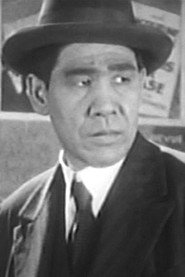 Togo YamamotoThe Prince
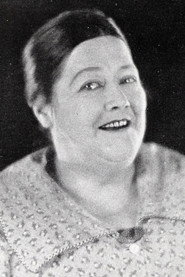 Kate PriceLandlady
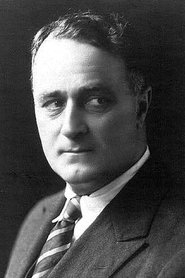 Wilfred LucasThe Policeman
Directing
- Irving CummingsDirector
Writing
- Louis D. LightonStory
- Louis D. LightonWriter
Production
- Irving CummingsProducer