
Film
The Ape
A 1940 mad-scientist thriller where Boris Karloff's sympathetic doctor harvests spinal fluid to cure polio, while a escaped circus ape rampages nearby. Lean, fast-paced, and morally queasy—it's interested in how desperation corrupts good intentions. Perfect if you love pre-war horror that wears its ethics on the outside.
If you liked this
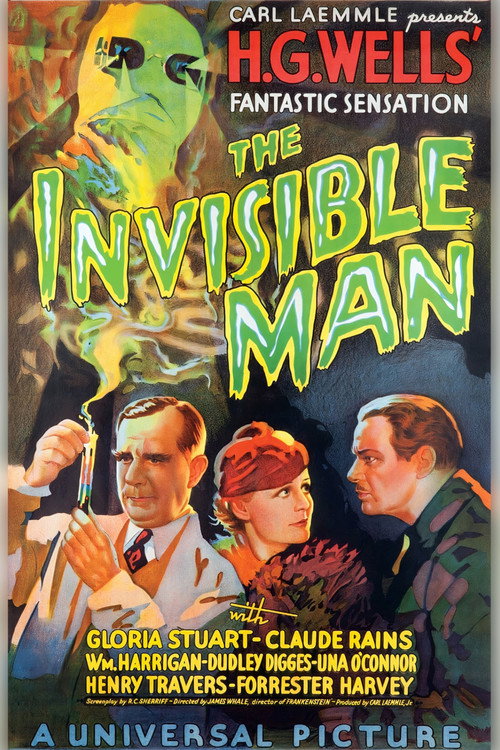
The Invisible Man1933
A scientist's quest for recognition spirals into monstrous behavior. Like The Ape, it's a moral fable about how genius can justify anything, wrapped in genuine suspense and practical ingenuity.
But It's 89 minutes of escalating frustration rather than thrills. The pacing assumes patience you may not have for 1930s melodrama.
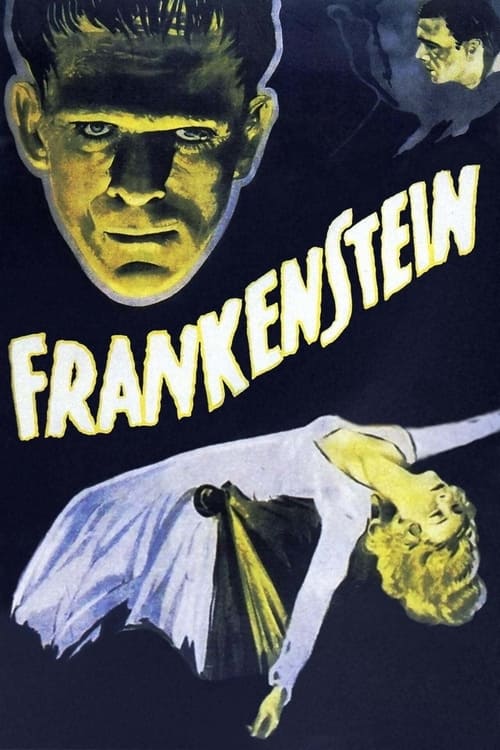
Frankenstein1931
Karloff's most famous role captures the same tragedy: a being created by desperation, condemned by circumstance. Both films ask whether the monster or the man who made him bears more guilt.
But It's reverential and slow by modern standards. If you want action, you'll find restraint instead.
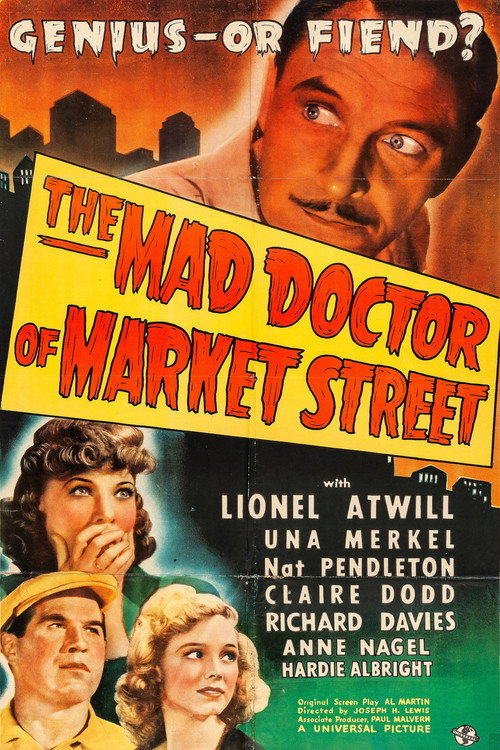
The Mad Doctor of Market Street1942
Released just after The Ape, this film matches its atmosphere of warped charity. A doctor uses islanders for human experimentation under the guise of mercy—same moral rot, same creeping dread.
But It's visibly cheap even for 1941. The performances and effects won't convince anyone used to modern production values.
Not sure tonight? Get a pick in a minute, starting from The Ape
The wildcard
Something you would not have found on your own.
The Cabinet of Dr. Caligari1920
Both films structure their horror around a doctor whose violation of his profession goes invisible because people trust him. Caligari pioneered this moral architecture.
The prototype of all mad-doctor horror: a physician hides behind a somnambulist to commit murders. It's the same betrayal of trust, the same warped logic, but rendered in German Expressionist fever dream. Infinitely more visually radical than The Ape.
But It's silent, deeply weird, and demands you accept its theatrical distortion as normal. If you want naturalism, you'll hate it.

More like this (7)
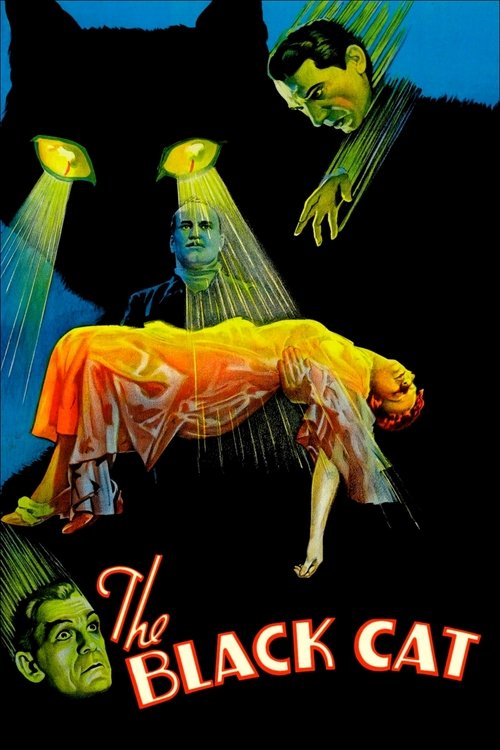
The Black Cat1934
Lugosi and Karloff face off in a fevered Poe adaptation about a man who uses human corpses for occult purposes. Same era, same actor, same nexus of science, death, and justification.
But The plot is genuinely confused. You'll spend half the film unsure what's actually happening.
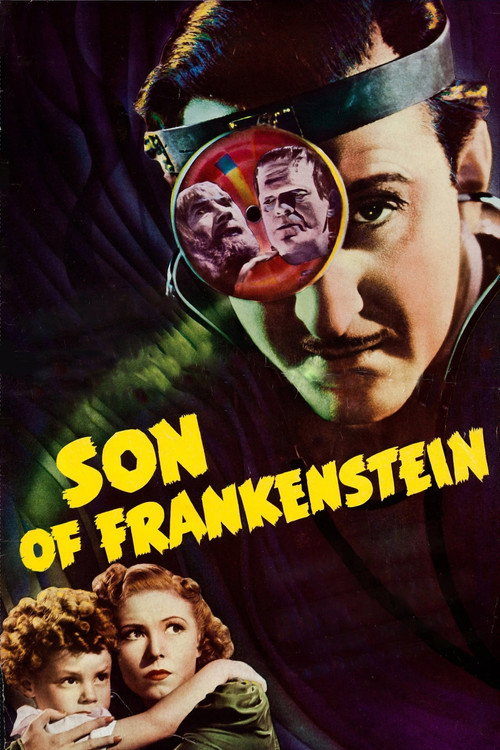
Son of Frankenstein1939
Karloff returns as the creature, now older and more sympathetic. It deepens the tragedy The Ape touches on: what happens to the monster after the scientist is done with him?
But It's primarily a showcase for Basil Rathbone. If you're not charmed by theatrical villainy, it drags.
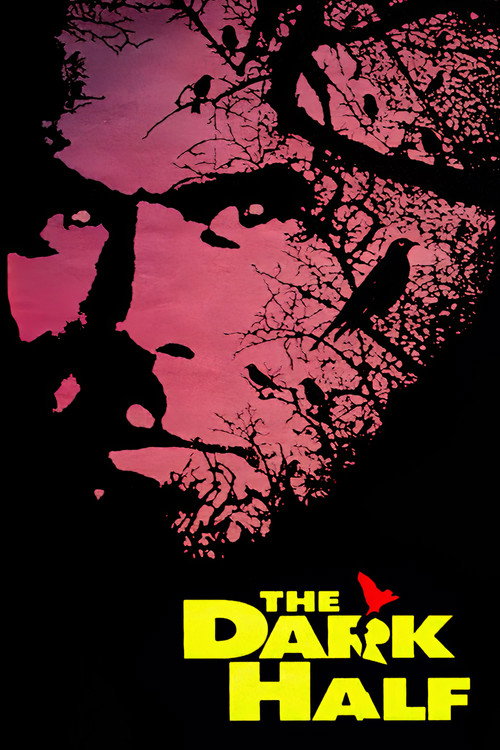
The Dark Half1993
A Stephen King story about a writer's creative desperation manifesting as literal evil. The structure mirrors The Ape: good intent corrupted, then a convenient scapegoat appears to blame it on.
But 1990s King adaptations are uneven, and this one leans horror-comedy in ways that don't always land. Tonally messy.
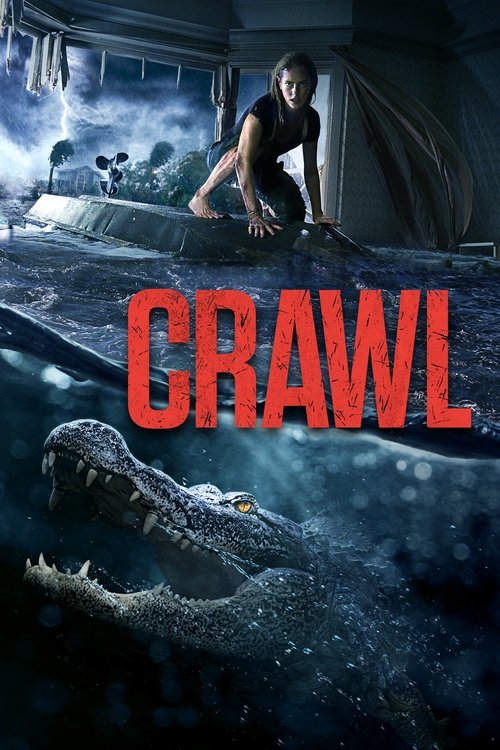
Crawl2019
An escaped animal terror and a human crisis collide—here, a hurricane and alligators. The setup is simpler, but it has The Ape's economy: one problem doubles another, and you can't solve either alone.
But It's a creature feature with no moral dimension. Pure survival, no philosophy. Some will find that refreshing; others, hollow.
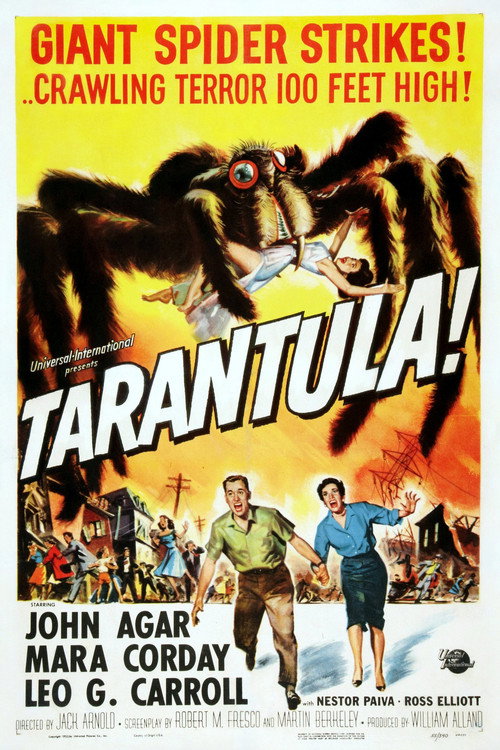
Tarantula1955
A scientist enlarges a spider to feed his giant tarantula experiments. The same moral equation: desperate science, escaped animal, collateral damage. Crisp B-picture logic.
But It's earnest sci-fi boilerplate. If you need complexity, it won't provide it.
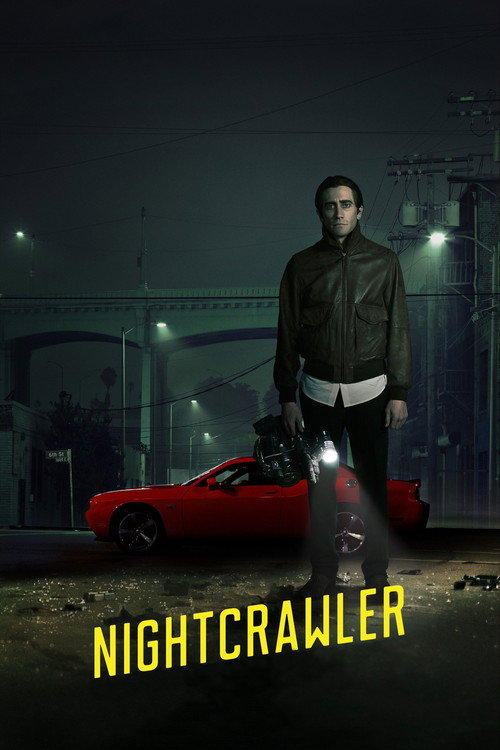
Nightcrawler2014
Both are about descent into amorality justified by a compelling cause. The Ape saves a child; Gyllenhaal pursues success. The logic is identical; only the stakes differ.
Jake Gyllenhaal as a freelance videographer who justifies increasingly destructive behavior through professional necessity. The same cold calculus as Karloff's doctor: each small compromise smooths the path to the next. Modern, merciless, utterly gripping.
But It's bleak and offers no redemption. The film trusts you to stay angry rather than comforted.
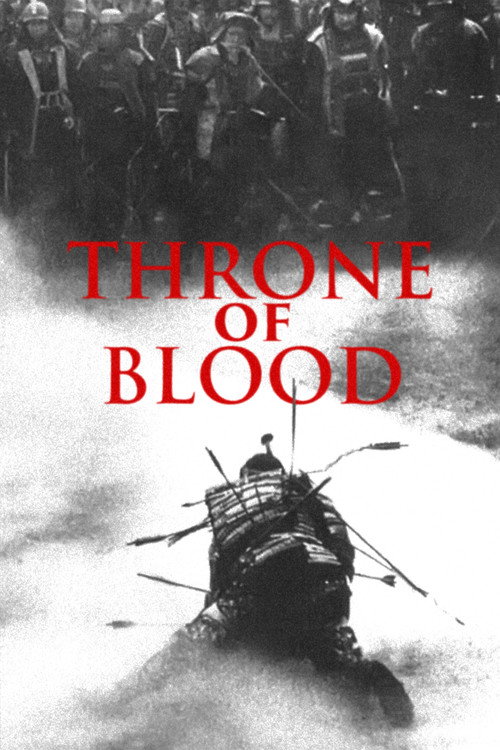
Throne of Blood1957
Both explore how a single justified transgression rewires a person's morality. The Ape does it in 62 minutes; Kurosawa takes 110, but the trajectory is inexorable in both.
Kurosawa's Macbeth in feudal Japan. A warrior's ambition metastasizes into slaughter, each crime making the next inevitable. Shot in pristine black-and-white, it has The Ape's tight fatalism, but Shakespearean scope instead of B-picture size.
But It's slow by design. Every frame is composed to hold. If you need momentum, you'll find it strangled by beauty.
People
Cast
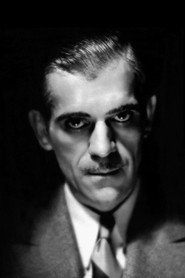 Boris KarloffDr. Bernard Adrian
 Maris WrixonFrances Clifford
 Gene O'DonnellDanny Foster
 Dorothy VaughanMother Clifford
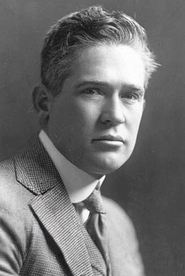 Henry HallSheriff Jeff Halliday
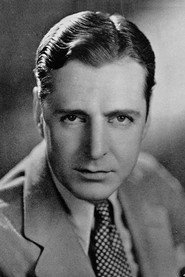 Selmer JacksonDr. McNulty
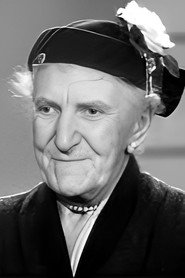 Gertrude HoffmannJane the Housekeeper
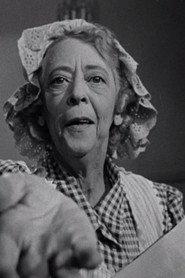 Jessie ArnoldMrs. Brill
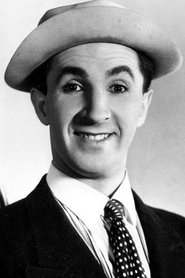 Billy BletcherShort Mustached Posse Man
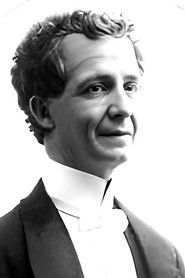 Harry C. BradleyQuinn
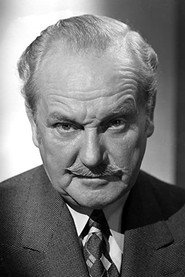 George ClevelandMr. Howley
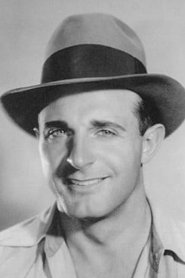 Ray CorriganNabu
Directing
- Allen K. WoodAssistant Director
- William NighDirector
Writing
- Curt SiodmakAdaptation
- Curt SiodmakScreenplay
- Richard CarrollScreenplay
- Adam ShirkTheatre Play
Production
- William T. LackeyAssociate Producer
- Charles J. BigelowProduction Manager