
Film
The Mad Doctor of Market Street
A 1942 horror-comedy about a fugitive mad scientist attempting to resurrect the dead for superstitious South Sea Islanders. It's a delightfully uneven B-movie that lurches between genuine creepiness and slapstick, powered by Lionel Atwill's theatrical menace and the film's cheerful disregard for tone. Perfect for fans of studio-era horror who like their scares seasoned with accidental laughs.
If you liked this
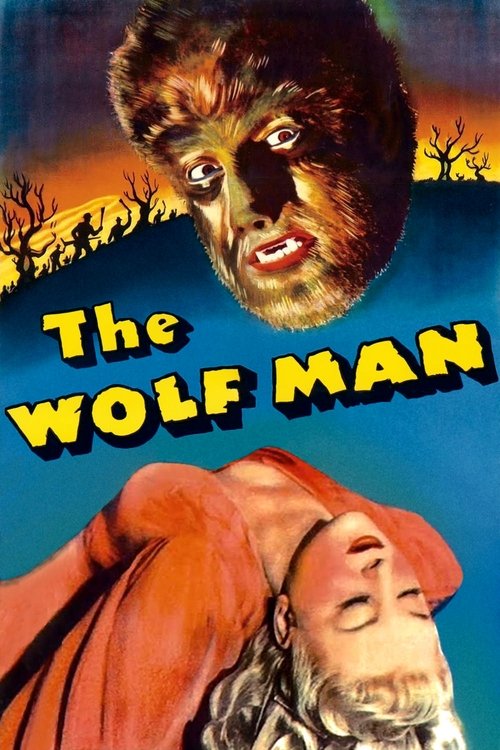
The Wolf Man1941
Lon Chaney Jr.'s transformations anchored Universal's most emotionally grounded monster picture—a tragedy wrapped in fur and atmosphere, with genuine pathos beneath the horror makeup.
But The pacing drags in the middle, and the monster sequences are surprisingly brief for what's supposedly the film's centerpiece.
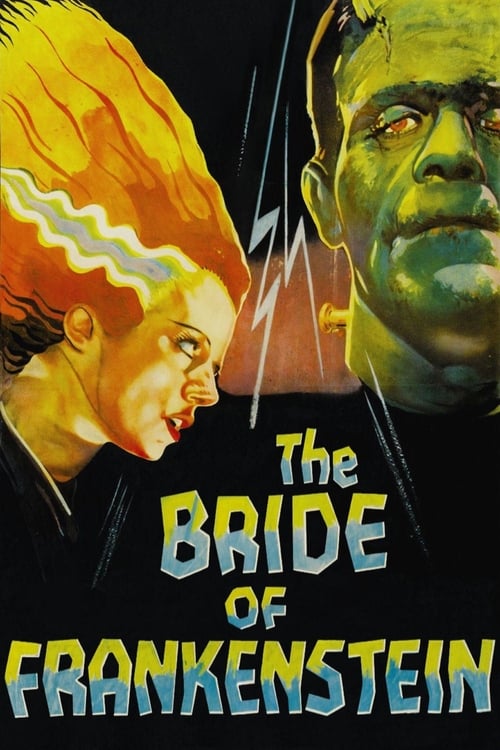
Bride of Frankenstein1935
James Whale's masterpiece of dark comedy and genuine horror, where the monster gains unexpected humanity and the film knows exactly when to make you laugh and when to unsettle you.
But The tonal shifts can feel jarring if you're expecting pure scares; it's too theatrical for modern horror tastes.
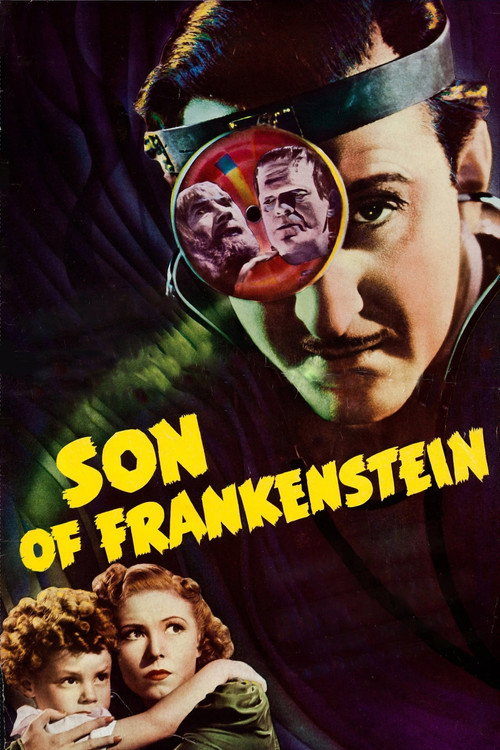
Son of Frankenstein1939
Basil Rathbone and Boris Karloff in a beautifully lit Gothic nightmare where the mad science is a family business and the atmosphere crackles with genuine dread beneath the melodrama.
But It's slower and more expressionist than action-packed; the horror is all mood and suggestion rather than incident.
Not sure tonight? Get a pick in a minute, starting from The Mad Doctor of Market Street
The wildcard
Something you would not have found on your own.
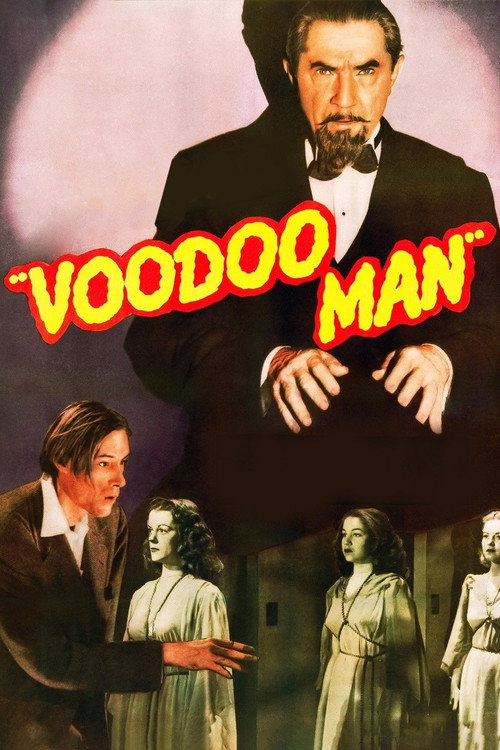
Voodoo Man1944
Both are gloriously unhinged mad-scientist pictures where the budget limitations actually enhance the off-kilter atmosphere—strangers in strange lands conducting impossible experiments with absolute conviction.
Bela Lugosi leads a B-movie where a mad doctor captures women to restore his zombie wife through mystical science—it's trashy, weird, utterly sincere, and captures the same lunatic energy as Market Street but with voodoo instead of resurrection.
But The production values are even cheaper than typical B-movies; dialogue is clunky and the science is nonsense.
More like this (7)
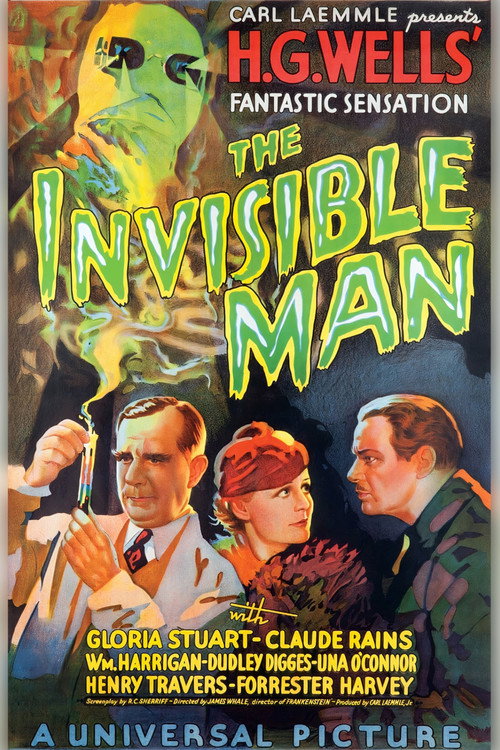
The Invisible Man1933
Claude Rains delivers a career-best performance as a scientist whose invisibility serum drives him magnificently, dangerously mad—wickedly funny and genuinely terrifying in equal measure.
But The special effects, while clever, show their age, and the latter half devolves into a more conventional monster hunt.
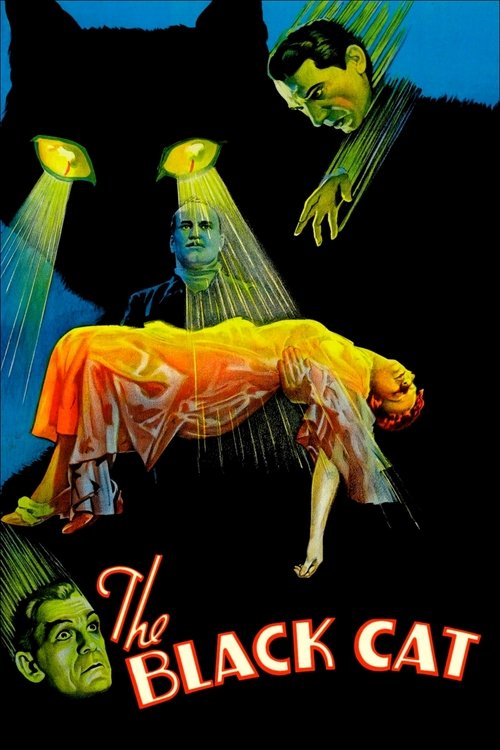
The Black Cat1934
Bela Lugosi and Boris Karloff face off in a surreal, sexually charged Gothic nightmare with art deco architecture and occult imagery that still feels genuinely weird and unsettling.
But The plot is thin and sometimes incoherent; it's more a mood and a visual style than a story.
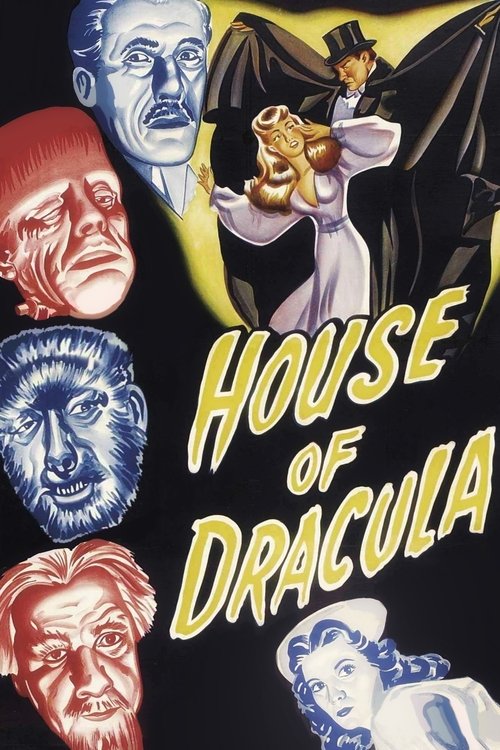
House of Dracula1945
Universal's kitchen-sink monster movie where Dracula, the Wolf Man, and Frankenstein's creature all converge under one roof with genuine invention and surprisingly thoughtful character moments.
But The scattered plot gets messier as it goes; it's a fun mess rather than a well-oiled machine.
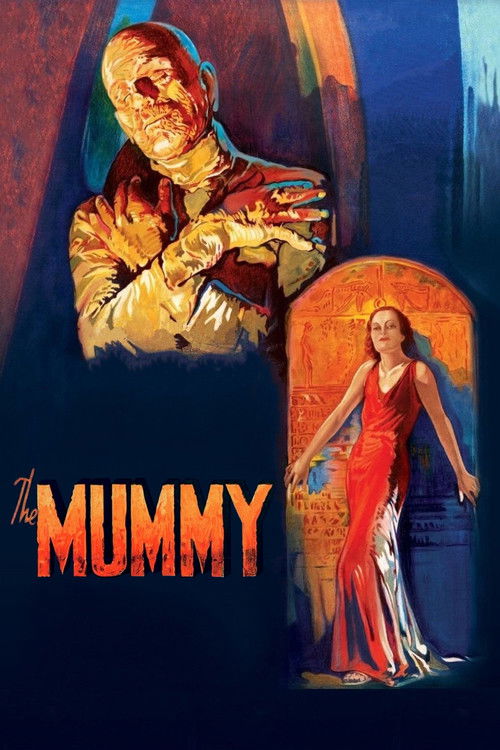
The Mummy1932
Karl Freund's direction transforms what could be a straightforward monster picture into something hypnotic and genuinely melancholic—Karloff's performance is tragedy, not just makeup.
But The pacing is glacial by modern standards, and the monster spends most of the film looking nearly human.
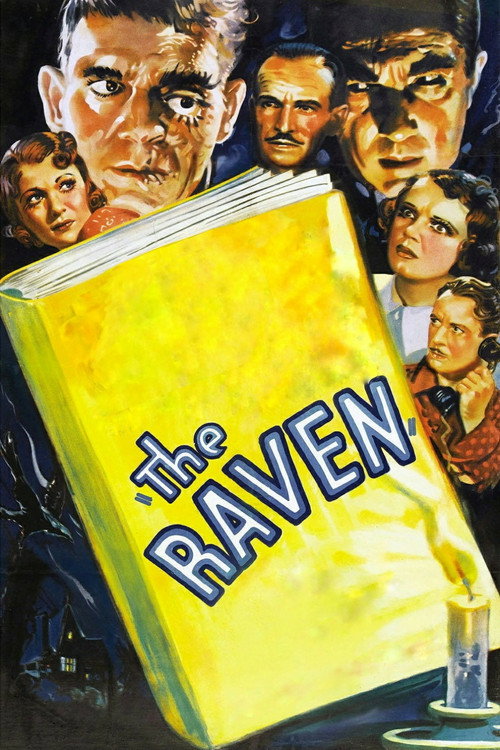
The Raven1935
Lugosi as a brilliant, obsessed architect using torture devices and hidden passages to reshape the world—it's deliciously unhinged, taking its madness seriously while allowing the absurdity to ring true.
But The relationship between Lugosi's sadism and the plot is disturbingly murky; it's also surprisingly grim for Universal's lighter entries.
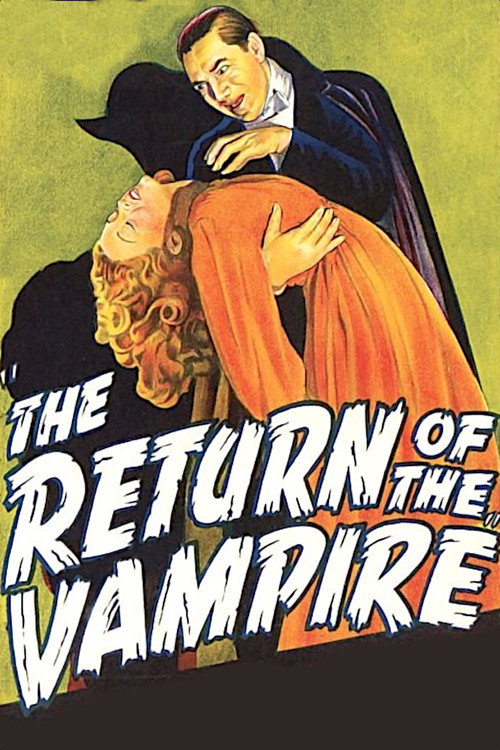
The Return of the Vampire1943
Both films use their modest budgets and studio-system flexibility to blend genres without apology—horror crossed with whatever else the moment demands, with unself-conscious tonal chaos.
Lugosi as a vampire loosened from a grave during the London Blitz—it steals from Universal's formula but adds WWII urgency and genuine wartime dread alongside the gothic trappings, proof that B-horror could comment on reality.
But It's tamer than it sounds and depends heavily on stock footage; the mixing of vampire horror with wartime rationing feels incongruous.
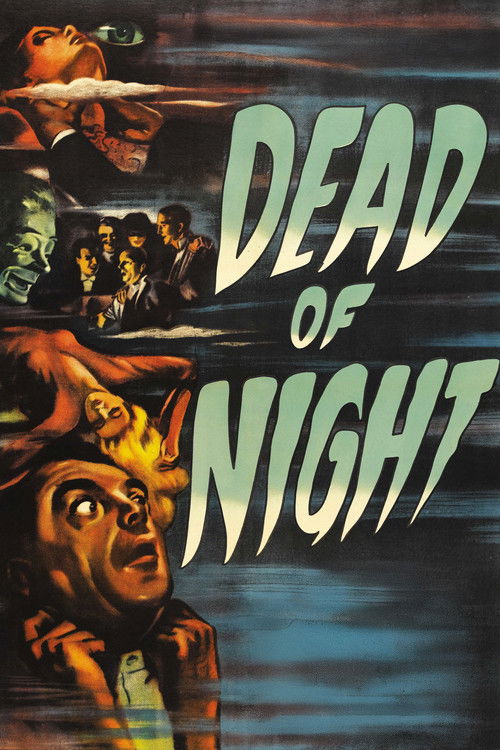
Dead of Night1945
Where Market Street is all theatrical performance and surface chaos, Dead of Night finds horror in psychology and subtext—two responses to the same era showing how B-horror could aim for scares through either energy or craft.
A British horror anthology that influenced everything after it: a ventriloquist's dummy comes alive with malevolent intelligence in one segment that's genuinely disturbing and psychologically complex in ways Market Street never attempts.
But It's slower, more abstract, less fun; the horror comes from dread and suggestion rather than performance and spectacle. Anthology means uneven quality.
People
Cast
 Lionel AtwillDr. Ralph Benson, posing as Graham
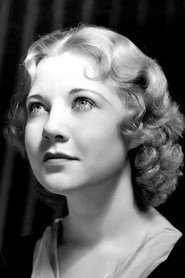 Una MerkelAunt Margaret Wentworth
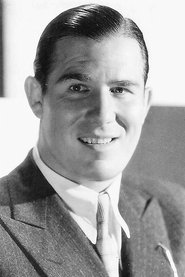 Nat PendletonRed Hogan
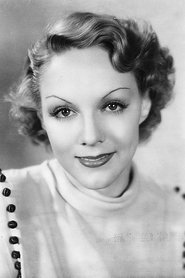 Claire DoddPatricia Wentworth
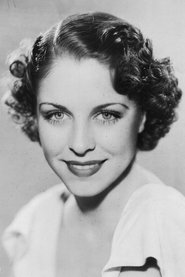 Anne NagelMrs. William Saunders
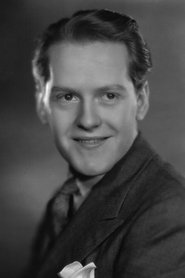 Hardie AlbrightWilliam Saunders
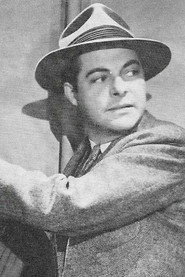
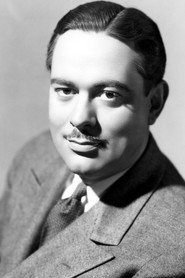 John EldredgeDwight, Ship's Officer
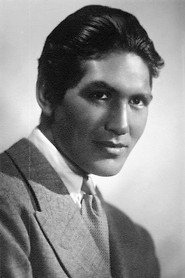 MalaBarab
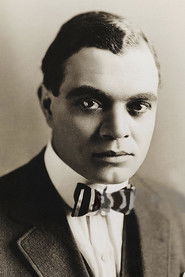 Noble JohnsonNative Chief Elan
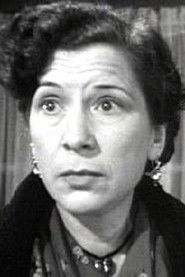 Rosina GalliTanaa, Chief's Wife
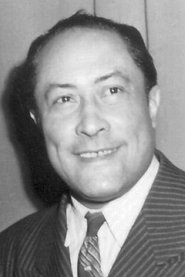 Al KikumeKalo