
Film
The Return of the Vampire
A 1943 horror hybrid that weaponizes Dracula against the Nazis. Bela Lugosi returns as a vampire freed by German bombs, seeking revenge on the family that trapped him decades earlier. It's pulp-smart and visually inventive—part Gothic revenge tale, part wartime propaganda—and moves with the crackling energy of a B-movie that knows exactly what it is.
If you liked this
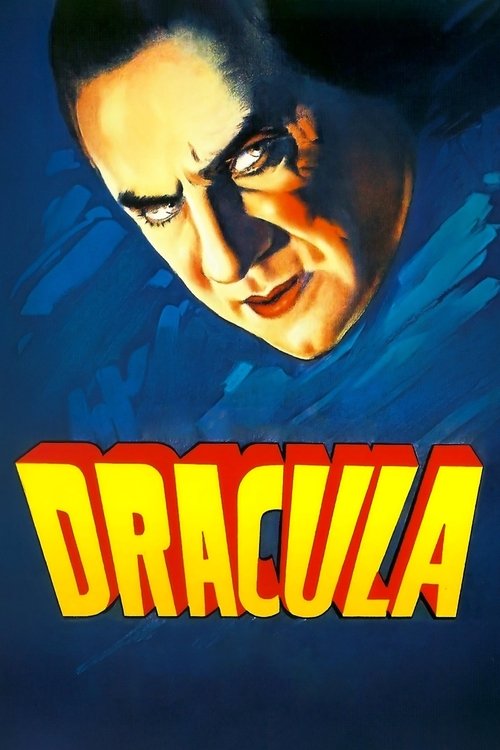
Dracula1931
The definitive blueprint for cinematic vampires. Lugosi's performance here is the template; watching this first explains why The Return of the Vampire feels like a conversation with film history.
But The pacing is glacial by modern standards, and Lugosi's European accent makes some dialogue nearly impenetrable on first listen.
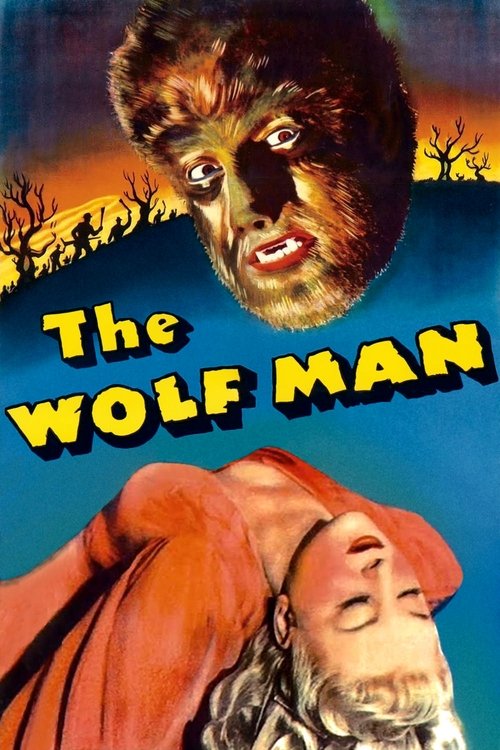
The Wolf Man1941
Universal's werewolf classic from two years earlier, sharing DNA with this film and the same creature-feature earnestness. It's the other half of the monster mythology The Return of the Vampire plays with.
But The tragic romance subplot can feel overwrought, and the transformation scenes haven't aged as seamlessly as you'd hope.
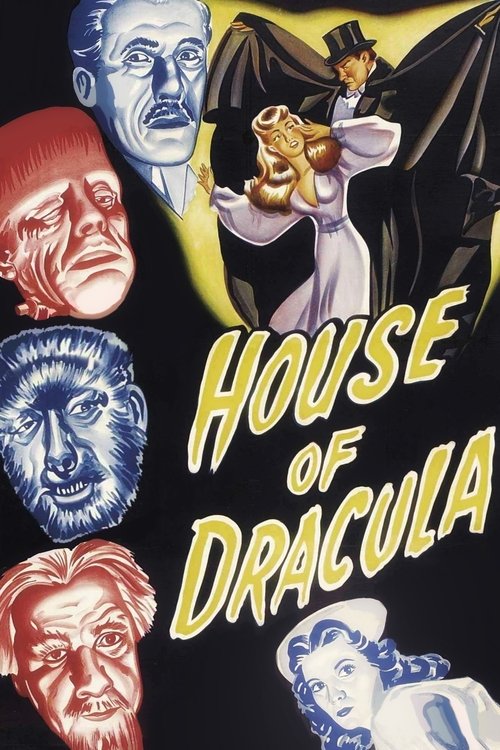
House of Dracula1945
A later Universal monster mash that does something similar—vampires, werewolves, and mad scientists in one film. Same studio, same gleeful B-movie logic, slightly more assured execution.
But It juggles too many monsters and plots. The film buckles under its own ambition in ways that work thematically but not always narratively.
Not sure tonight? Get a pick in a minute, starting from The Return of the Vampire
The wildcard
Something you would not have found on your own.
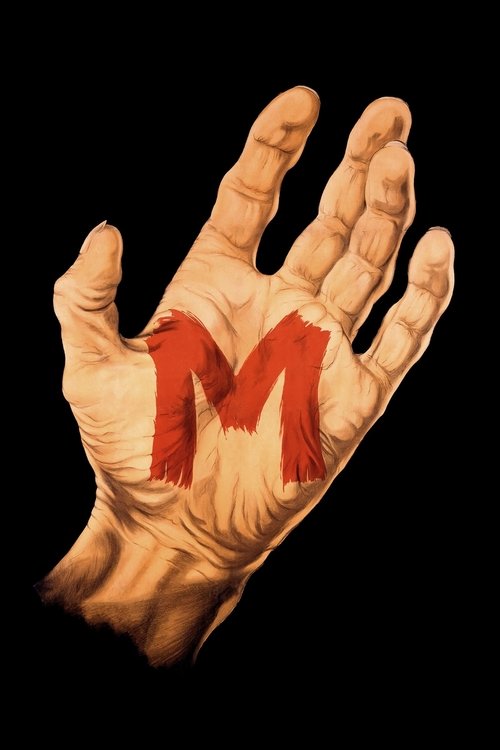
M1931
Both films weaponize their monsters against the social order of their moment: one through Nazi bombs, one through the collective will of Berlin's underworld. Both ask what happens when the system meant to contain evil breaks down.
Fritz Lang's masterpiece about a serial killer hunted through Weimar Berlin shares The Return of the Vampire's fascination with monsters living among us and the machinery of mob justice. Lugosi is chasing revenge; M asks who gets to decide what justice means.
But It's a German film in German—subtitles required—and the pacing is interrogative rather than thrilling. It asks you to think while horror typically asks you to feel.
More like this (7)
The Mummy's Hand1940
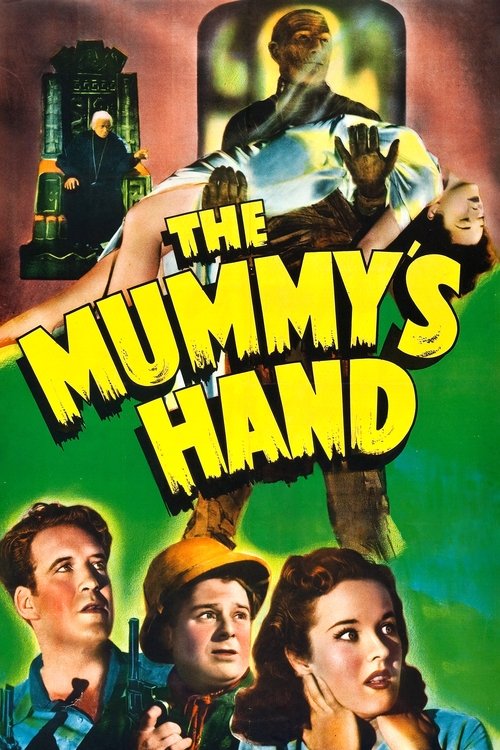
Universal's remake energy applied to their Egyptian monster. Same studio house style, same willingness to update the monster for the 1940s audience, similarly fast-paced and entertaining.
But The comic relief sidekicks are relentlessly unfunny by any standard, even period ones.
Son of Frankenstein1939
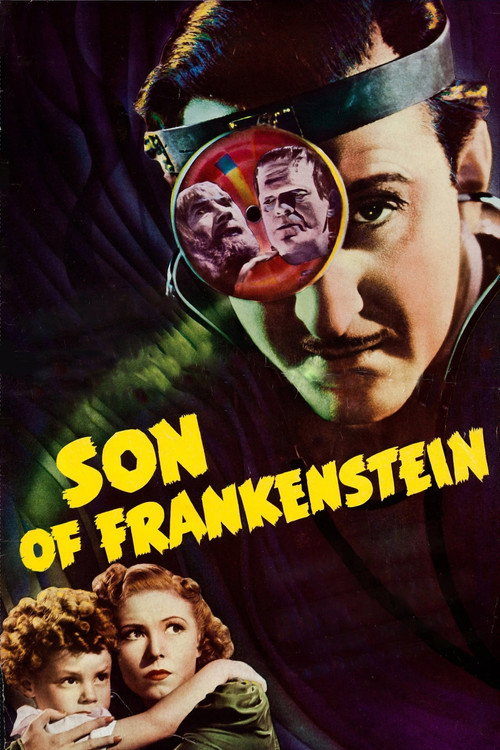
Lugosi in a different Universal monster picture, playing a servant obsessed with restoring Frankenstein's creature. It shows his range beyond the Count and the studio's commitment to these revenge-and-resurrection plots.
But Basil Rathbone's theatrical hamminess overwhelms the film's tone, and it's less focused than the best Universal horrors.
The Invisible Man1933
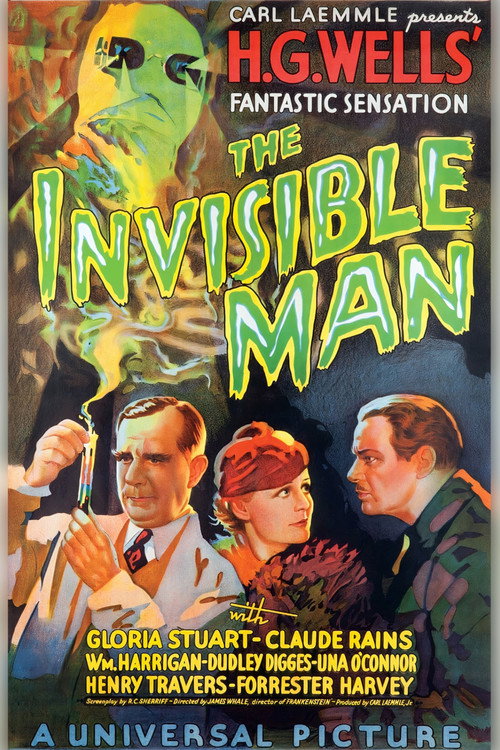
Universal's most inventive monster picture, using special effects and sound design to create something genuinely disturbing. It proves the studio could make horror that was clever, not just spooky.
But The invisible man himself is almost incidental to the film. Once you accept the conceit, there's limited visual storytelling to sustain it.
Captain Blood1935
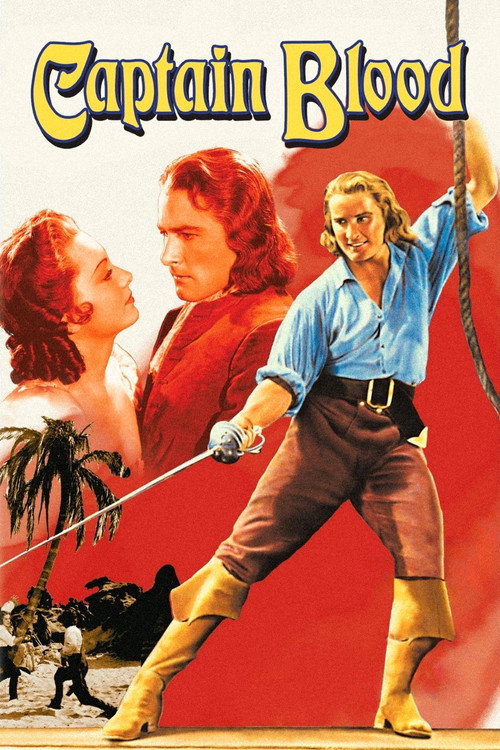
Errol Flynn's swashbuckling adventure carries the same propulsive energy and wartime revenge plotting as The Return of the Vampire, proving those genres aren't so far apart.
But It's pure adventure romance with no horror elements—if you're here for the monster, this will feel like a detour.
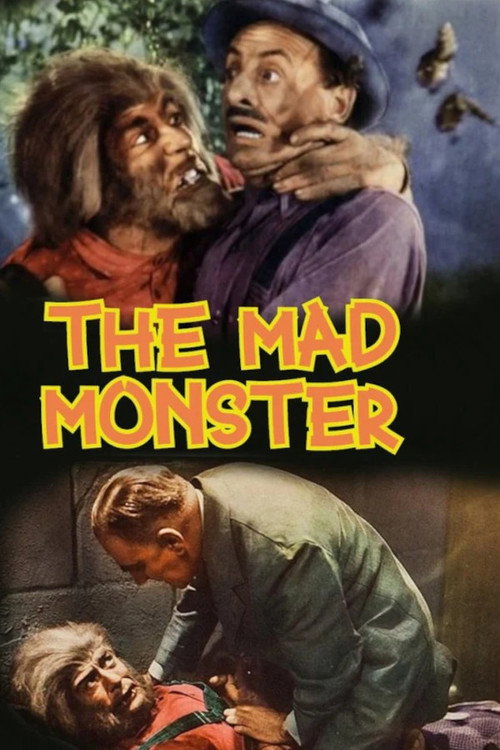
The Mad Monster1942
A genuinely strange monster-on-the-loose picture that predates The Return of the Vampire and shares its willingness to make horror socially conscious. It's weird in ways that still surprise.
But The acting is stiff and the creature effects are genuinely threadbare. It requires patience and goodwill toward its ambitions.
Cat People1942
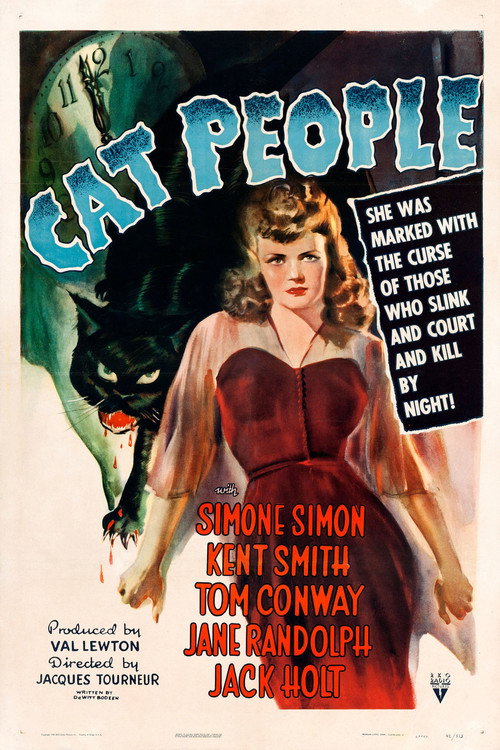
Both use monster mythology as a metaphor for exile and displacement. The Return of the Vampire has Lugosi trapped outside time; Cat People has its heroine trapped between species. Both are about creatures that cannot belong.
Jacques Tourneur's psychological horror about a woman who transforms into a panther when jealous. It's the year before The Return of the Vampire and proves horror didn't need elaborate sets or obvious monsters—suggestion and shadow were enough.
But Almost nothing happens in the conventional plot sense. It's mood and atmosphere stretched thin; that will frustrate anyone expecting action or incident.
Dead of Night1945
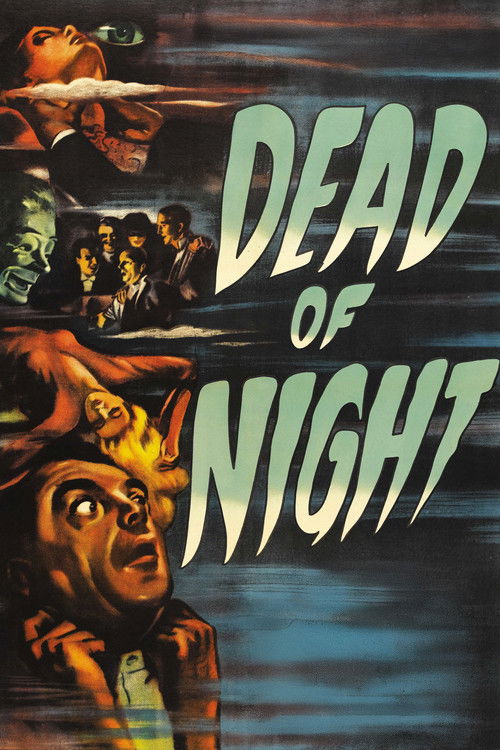
Both are British wartime productions obsessed with the past refusing to stay buried and the present unable to escape it. Both treat horror as a way to process trauma rather than just to scare.
A British horror anthology that plays with time, repetition, and psychological breakdown in ways that feel radical even now. It has the same wartime energy and the same conviction that horror could be genuinely intelligent, not just sensational.
But It's an anthology, so the tonal shifts between segments are intentional but jarring. The famous ventriloquist sequence overshadows everything else, which means most of the film plays second fiddle.
People
Cast
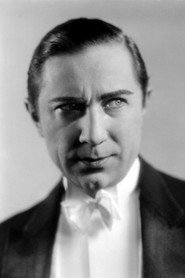 Bela LugosiArmand Tesla
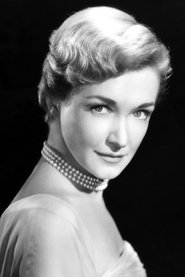 Nina FochNicki Saunders
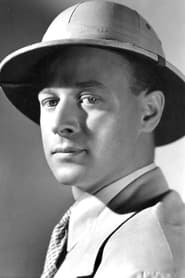 Roland VarnoJohn Ainsley
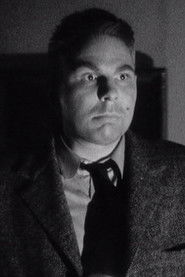 Matt WillisAndreas Obry
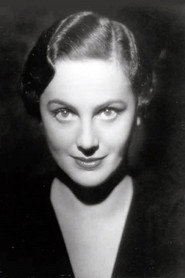 Frieda InescortLady Jane Ainsley
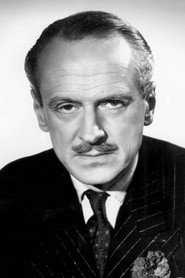 Miles ManderSir Frederick Fleet
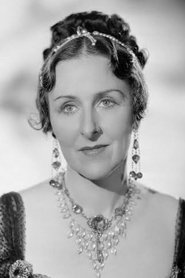 Ottola NesmithElsa Walter - Governess
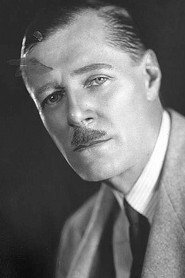 Gilbert EmeryDr. Walter Saunders
- Leslie DenisonDetective Lynch
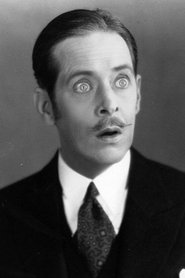 William AustinDetective Gannett
 Jeanne BatesMiss Northcutt (uncredited)
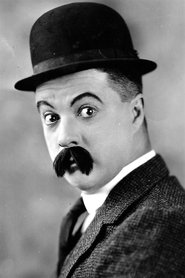 Billy BevanHorace (uncredited)