
Film
Cat People
Other titles called Cat People: the 1982 film.
A 1942 RKO horror-romance about desire, fear, and the impossibility of intimacy. An émigré woman believes a curse will transform her into a predator if she allows herself to love. Stylish, genuinely suspenseful, and built from atmosphere rather than gore—it invents the modern psychological monster movie.
Should you watch it?
Watch it if you love slow-burn psychological horror where dread lives in shadows, silences and what the camera chooses not to show, the way early Val Lewton productions made fear feel intimate and adult.
Skip it if you want monsters on screen and quick scares, since this is a restrained, talky film where the menace is mostly suggested and the pacing will feel deliberate to the point of stillness.
What it asks of you: Only about seventy-three minutes, but it moves at a considered pace, and it wants you to sit with ambiguity and read mood in quiet stretches rather than wait for payoffs.
Not sure? Find tonight's pick in a minute.
If you liked this
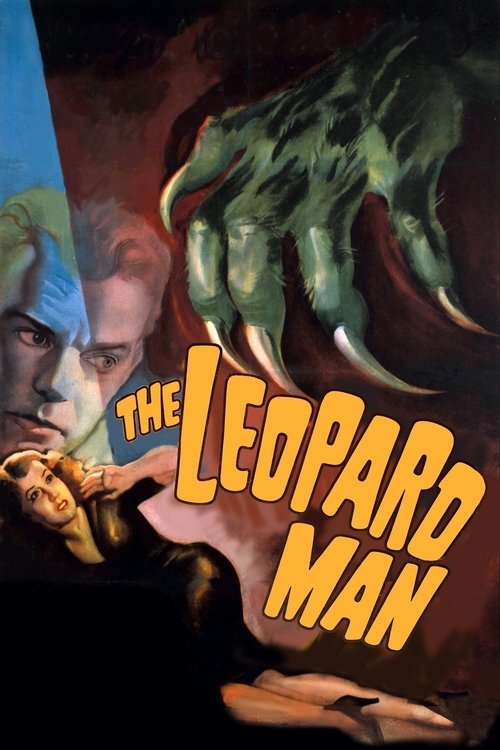
The Leopard Man1943
Jacques Tourneur's follow-up deepens the formula: another cat-curse story, but angrier and more brutal. The kills are offscreen yet more disturbing. A sequel that justifies its existence.
But It's darker and meaner than Cat People. Some find the mid-film pacing slack, and the resolution feels hastier.
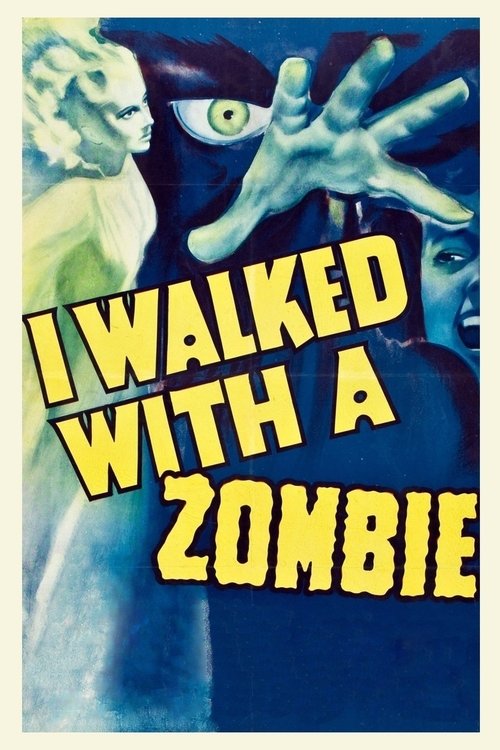
I Walked with a Zombie1943
Same producer, same director, same low budget transformed into visual poetry. Voodoo curse instead of cat curse, but the real subject is again: what do we do when we love someone we cannot touch?
But Glacially paced. The plot is thinner than Cat People. If you need momentum, this will test your patience.
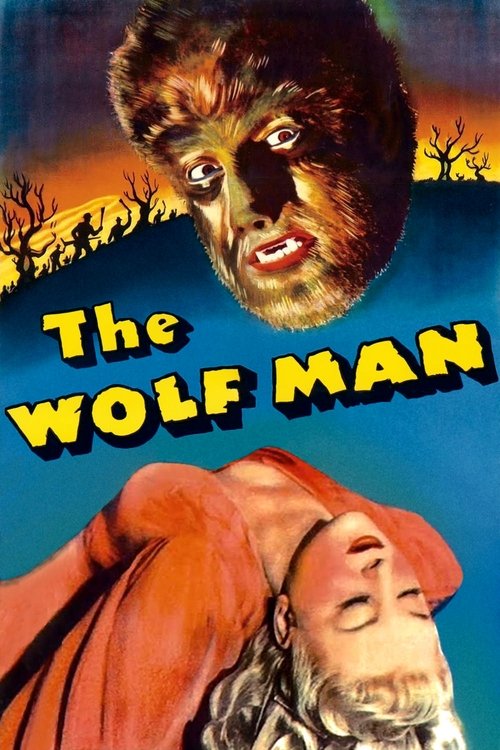
The Wolf Man1941
Universal's creature-feature masterpiece, made one year earlier. Lon Chaney Jr. as a man whose nature is split between human and beast. The source of half the Gothic horror language Cat People speaks.
But More straightforward monster movie than psychological exploration. The transformation scenes are special-effects spectacles rather than suggestions and dread.
Not sure tonight? Get a pick in a minute, starting from Cat People
The wildcard
Something you would not have found on your own.
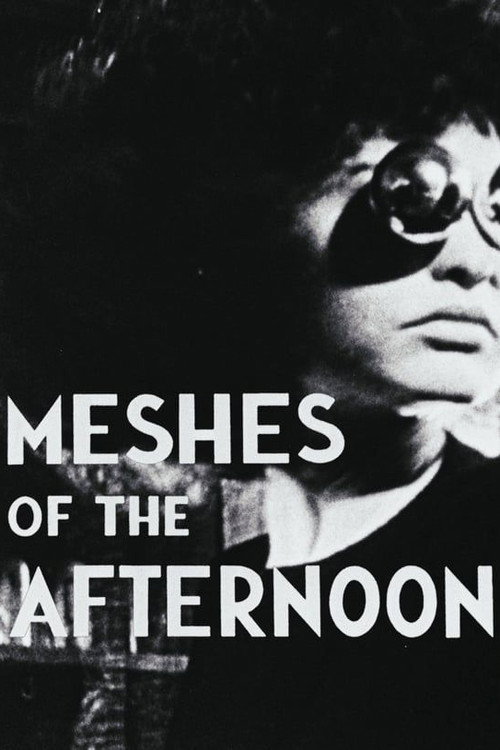
Meshes of the Afternoon1943
Both films are about a woman's body as a site of monstrous transformation beyond her control. Cat People makes it a curse; Meshes treats it as psychic inevitability. Same horror, different language.
Maya Deren's avant-garde short film (13 minutes) made the same year, the same meditation on feminine transformation and predatory identity—but told through experimental dream-logic and repetition. A woman becomes the entity she fears. Shot, edited, and scored to create pure psychological vertigo.
But Experimental cinema: no plot, no dialogue, surreal imagery, hypnotic repetition. If you watch films for story and character, this will feel impenetrable or pretentious.
More like this (8)
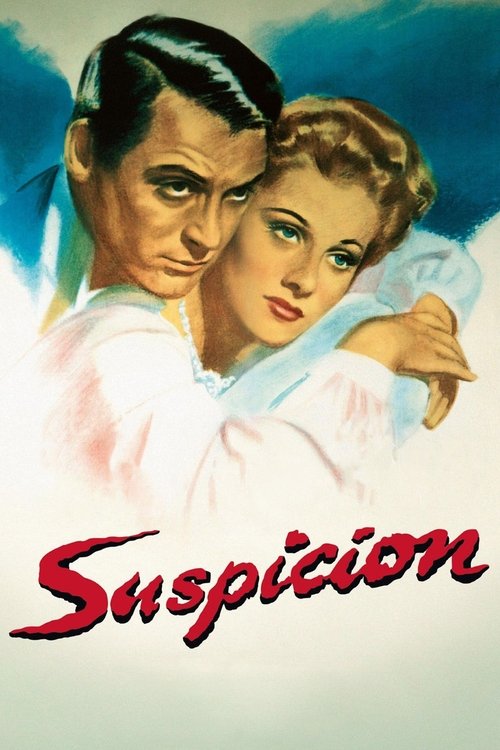
Suspicion1941
Cary Grant and Joan Fontaine in paranoia and doubt. She believes he might murder her; the film sustains that uncertainty without ever quite confirming it. The same architect of dread.
But The ending was compromised by the studio. Many prefer the ambiguous novel. The final act feels like appeasement.
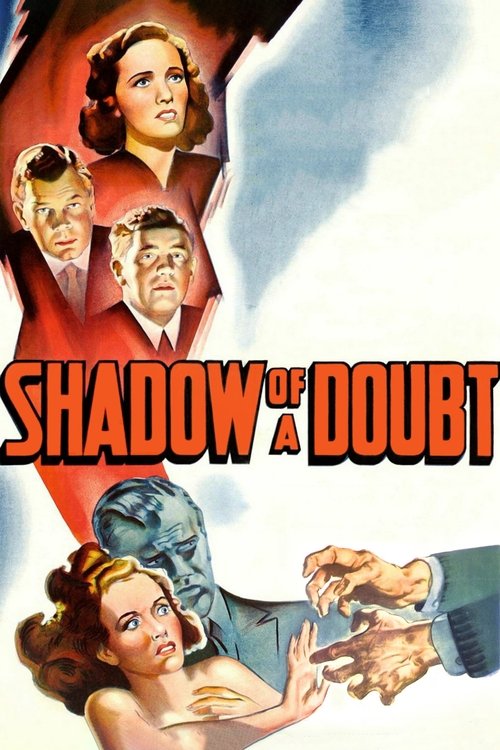
Shadow of a Doubt1943
Hitchcock's small-town noir about a beloved uncle who might be a serial killer. The everyday made uncanny. American shadow-self beneath the apple pie.
But Longer than Cat People and slower to move. Requires patience with suburban domesticity as its own kind of horror.
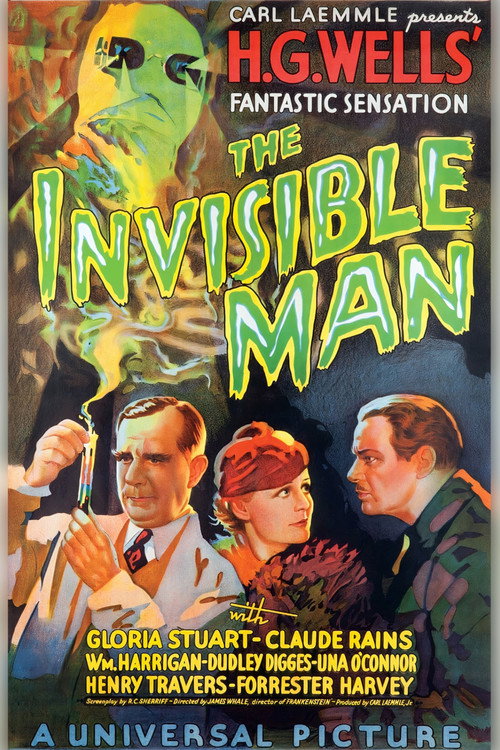
The Invisible Man1933
Invisible curse, visible madness: James Whale's earlier Universal masterpiece. A man transformed by his own creation into something monstrous. The template for transformation-as-alienation.
But Pre-1942 Universal pacing is brisk to the point of breathlessness. The comedy elements may feel dated or jarring to modern viewers expecting pure horror.
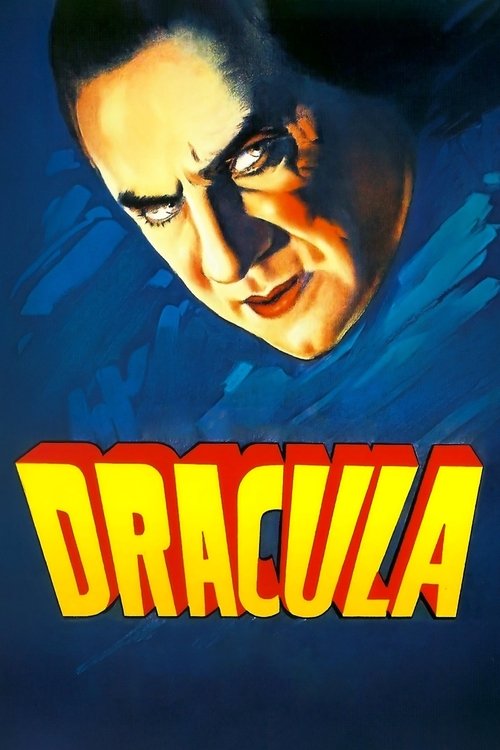
Dracula1931
Tod Browning's atmospheric original with Bela Lugosi. Seduction as predation. The granddaddy of all civilized-monster tales, where eroticism and monstrosity become inseparable.
But The pacing is glacial even by 1942 standards. Lugosi's accent can distract. Long stretches feel more like elegant stasis than plot.
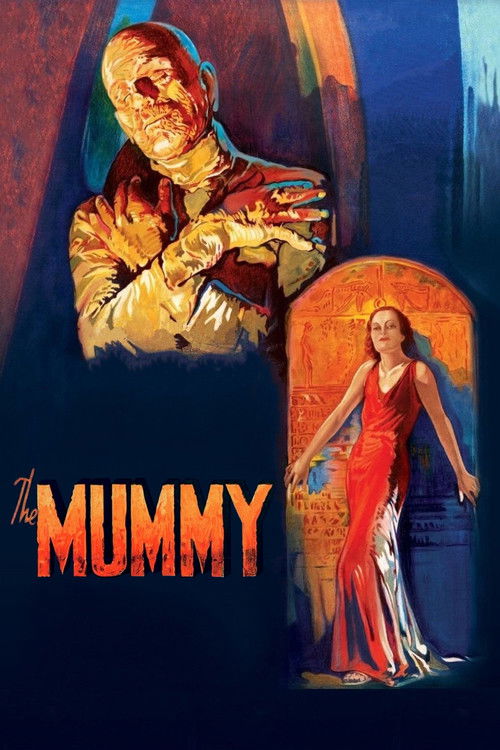
The Mummy1932
Boris Karloff as a resurrected pharaoh obsessed with a woman he believes is his reincarnated love. Curse, obsession, the past consuming the present. Another Universal meditation on desire warped by the supernatural.
But The middle acts drag. The mummy makeup is impressive but static. After Karloff's entrance, the film settles into a creeping slog.
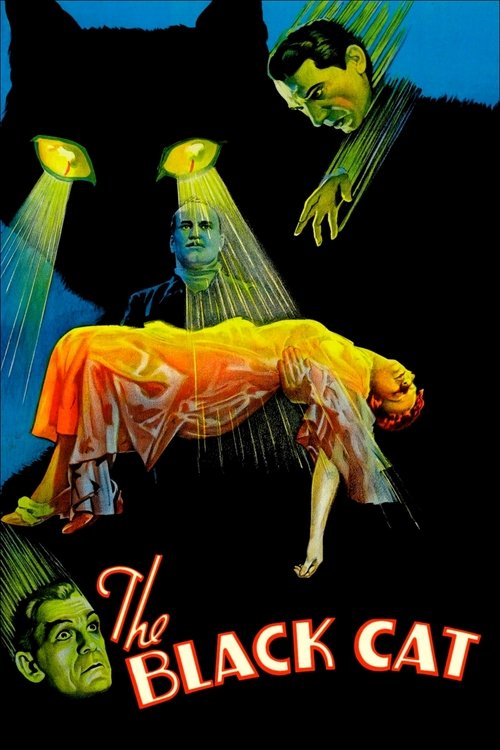
The Black Cat1934
Karloff and Lugosi in Ulmer's bizarre, angular thriller. Perversion hiding behind High European manners. A Freudian fever dream dressed in dinner jackets. Experimentally strange.
But The plot is deliberately opaque. The film works through mood and formal strangeness rather than narrative clarity. If you need to understand what's happening, you'll be frustrated.
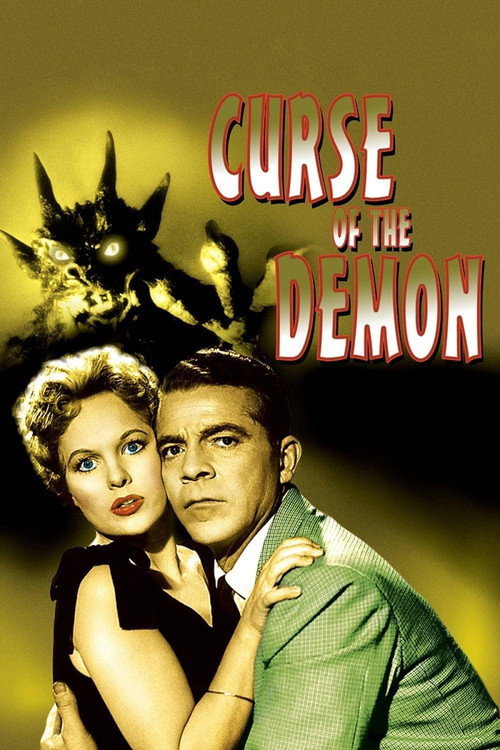
Night of the Demon1957
Tourneur himself, returning to the engine of Cat People—the intersection of the supernatural and erotic obsession—but with a different metaphysical answer: what if the monster is actually real?
Jacques Tourneur returns to the cat-curse formula but inverts it: a demon is real and tangible, not psychological. Yet it remains a film about belief and the power of fear to reshape reality. The occult itself becomes a character—and a temptress.
But The visible demon in the final reel disappoints many. The pacing in the middle is uneven. Some feel the American cuts betray Tourneur's original vision.
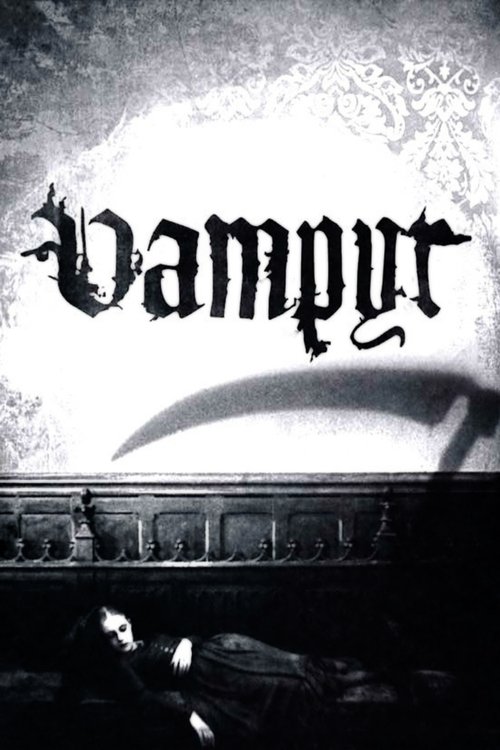
Vampyr1932
Both films prove that horror works through what you don't see. Dreyer and Tourneur are allied in believing that atmosphere and suggestion terrify far more than gore or explicit monstrosity. Vampyr is the silent predecessor Cat People perfected in sound.
Carl Theodor Dreyer's Danish dreamscape about a man trapped in a village of vampires—but it's all suggestion, shadow, and optical tricks. No creature reveals itself. It's pure cinema as mood and unease. An ancestor of Cat People's technique.
But Barely a plot. Often considered unfinished; the narrative is deliberately fractured. Images matter more than sense. Many find it pretentious or simply bewildering.
People
Cast
 Simone SimonIrena Dubrovna Reed
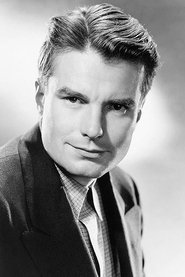 Kent SmithOliver Reed
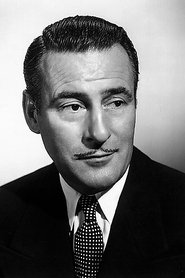 Tom ConwayDr. Louis Judd
 Jane RandolphAlice Moore
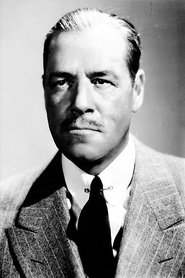 Jack HoltThe Commodore
- Henrietta BurnsideSue Ellen (uncredited)
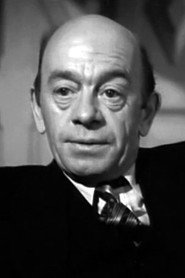 Alec CraigZookeeper (uncredited)
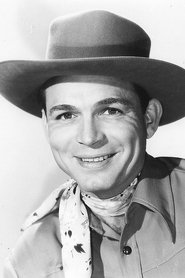 Eddie DewStreet Policeman (uncredited)
- Elizabeth DunneMrs. Plunkett (uncredited)
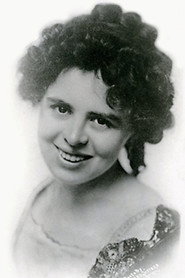 Dot FarleyMrs. Agnew (uncredited)
- Mary HalseyBlondie (uncredited)
 Theresa HarrisMinnie (uncredited)
Directing
- Doran CoxAssistant Director
- Jacques TourneurDirector
- Edward DonahueSecond Unit Director
Writing
- DeWitt BodeenWriter
Production
- Val LewtonProducer
Recommended by
Ginger Snaps, The Mummy, The Wolf Man, Night of the Demon, The Seventh Victim, The Leopard Man, Black Moon, The Return of the Vampire, King of the Zombies