
Film
The Mad Monster
A 1942 B-horror about a disgraced scientist who transforms his handyman into a werewolf to vindicate his theories and settle scores. It's threadbare and eager, shot fast on minimal sets, but carries genuine malice beneath the creaky effects. For fans of early horror's scrappy ambition and its willingness to be genuinely weird on a shoestring.
Should you watch it?
Watch it if you love lean, old-fashioned Universal-style horror where a mad scientist's cold ambition matters more than the monster, and a sixty-minute-plus creep show with stagey sets and gothic atmosphere is all you need.
Skip it if you want modern gore, a fast pace, or a werewolf who gets much screen time, since this is talky, low-budget and happy to let its scientist and his lab do most of the work.
What it asks of you: It asks for patience with dialogue-heavy scenes and a willingness to accept creaky 1940s staging; at seventy-seven minutes it is brisk, but the mood builds slowly rather than jumping out at you.
Not sure? Find tonight's pick in a minute.
If you liked this
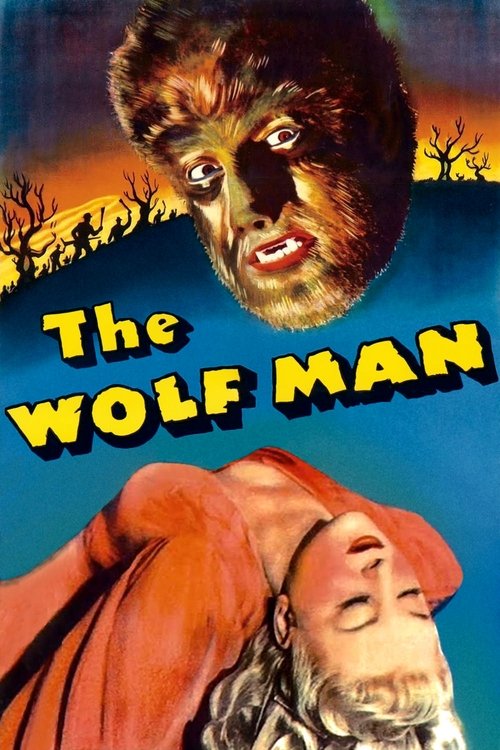
The Wolf Man1941
The definitive werewolf film: lyrical, atmospheric, and tragic. Lon Chaney Jr.'s transformation became the template for everything after. Sets the emotional standard that The Mad Monster reaches for but can't quite touch.
But It moves slowly by modern standards, and the romance subplot feels obligatory. The horror is suggested rather than shown, which works beautifully until you wish for just a little more bite.
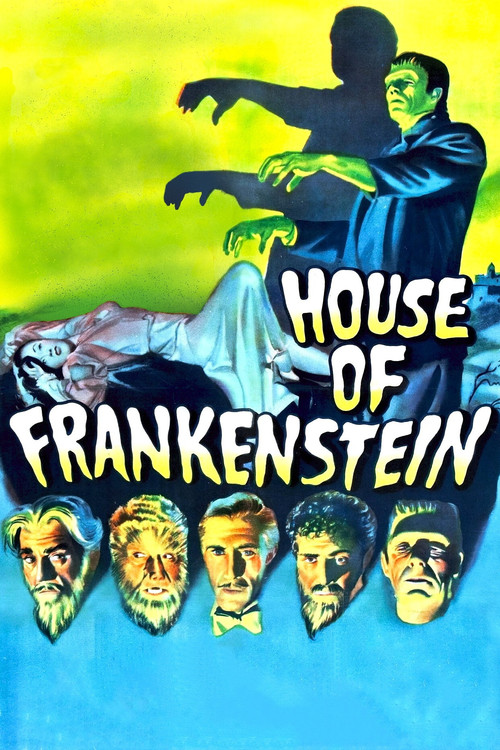
House of Frankenstein1944
The same era, same studio mentality: throw three monsters at the wall and see what sticks. It's messier than it should be, but that chaos has energy. Proves Universal horror's B-side was where the real experimentation happened.
But The pacing lurches between the three plots. It feels like three films stitched together, because it basically is, and the joins show.
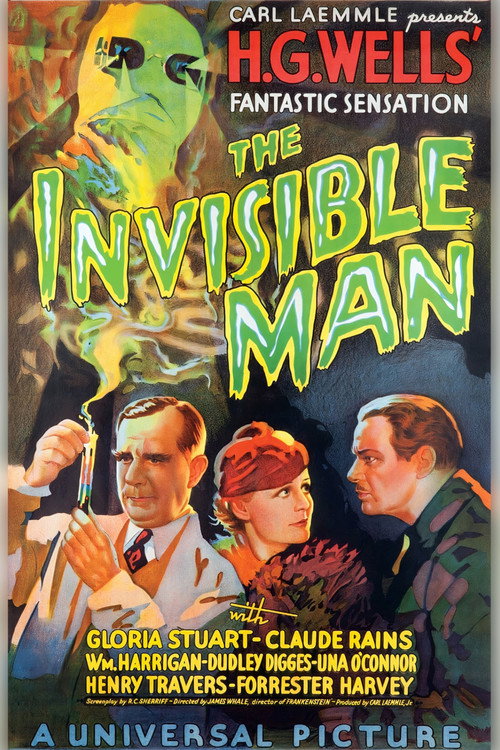
The Invisible Man1933
A mad scientist story where the madness is the point. James Whale's direction finds horror in vanity and corruption, not monsters. The effects still dazzle; the misanthropy still stings. Proof that '30s horror had ideas.
But It's mostly dialogue and suggestion. The invisibility gag wears thin fast, and the second half trades sophistication for slapstick. Some will find it too theatrical.
Not sure tonight? Get a pick in a minute, starting from The Mad Monster
The wildcard
Something you would not have found on your own.
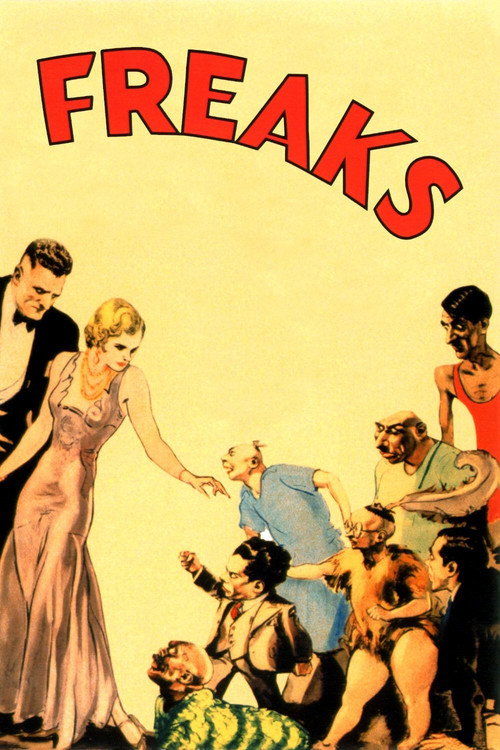
Freaks1932
Like The Mad Monster, it's about transformation and revenge, but reversed: Freaks shows us that monstrosity is about how you're treated, not what you look like. Both are B-side horror with real rage underneath.
Tod Browning's masterpiece uses actual circus performers as cast members. It's a story about exploitation, revenge, and loyalty that moves through the margins of mainstream cinema. Genuinely disturbing not because of effects but because of empathy. Nothing quite like it exists.
But The sympathetic characters are circus performers with disabilities, and you'll recognize the era's discomfort with their bodies. It's not exploitative in intent, but the context will make some viewers uneasy. The ending is blunt and cruel.
More like this (8)
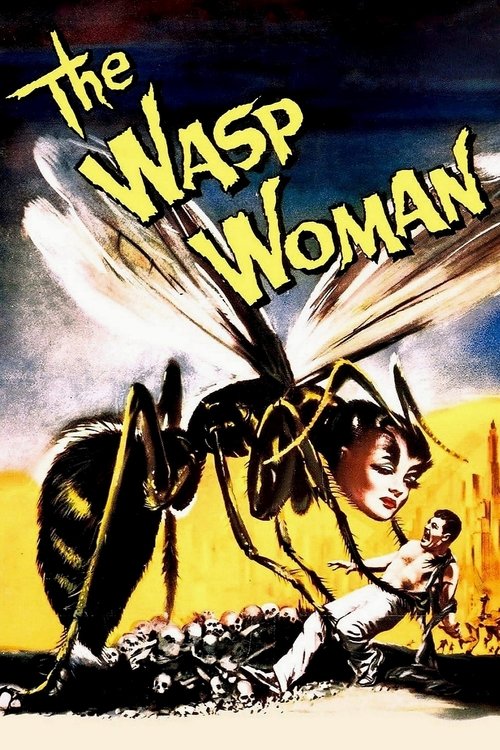
The Wasp Woman1959
Exploitation sci-fi with a pulp premise: a vain businesswoman injects wasp enzymes to restore her youth. It's trashy and fast, and it doesn't apologize. Roger Corman's B-movie instinct catches something genuinely unhinged about vanity and desperation.
But The creature effects are rubber and unconvincing even for 1959. The dialogue can be risible. If you need craft over concept, look elsewhere.
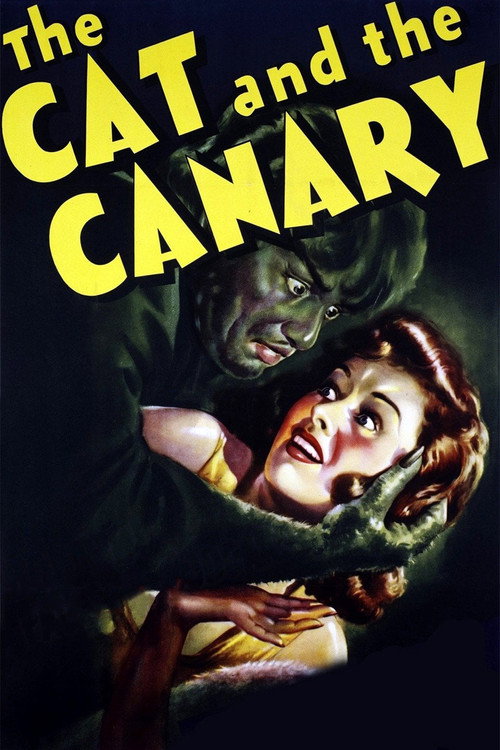
The Cat and the Canary1939
Paul Leni's old-dark-house masterpiece remade in '39: murder, madness, and comedy all tangled together. The atmosphere is genuinely creepy, the humor lands, and it proves horror and fun aren't opposites.
But It's a mystery first, horror second. If you want scares over plot twists, you might feel shortchanged. The pacing can feel stagey.
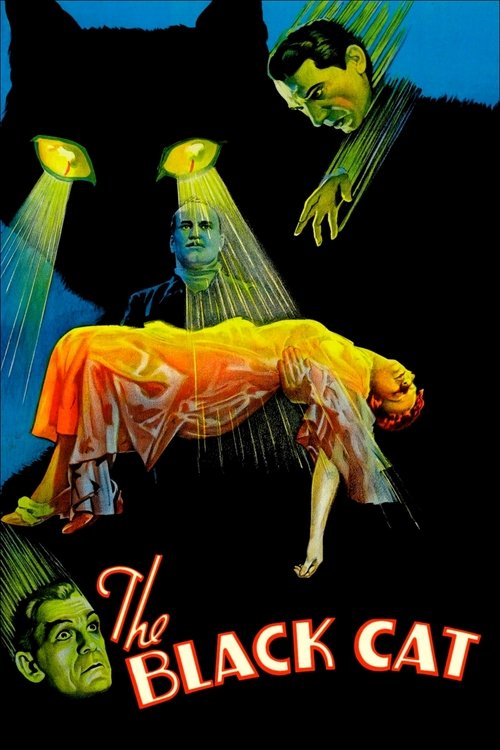
The Black Cat1934
Lugosi and Karloff face off in a film that's less about the cat than about Satanism, architecture, and vendetta. It's genuinely unsettling and weird, almost abstract in its refusal to follow horror convention.
But The plot is thin and the dialogue clunky. What holds it together is mood and strangeness, which won't be enough if you need plot momentum.
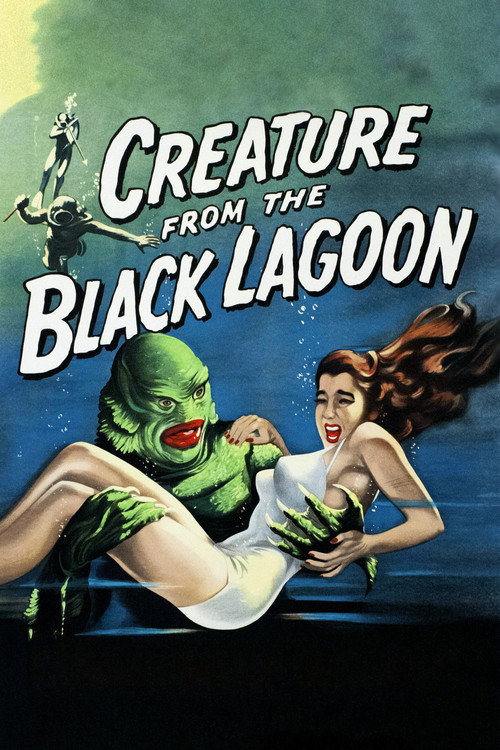
Creature from the Black Lagoon1954
The last gasp of Universal's monster era, and it goes out with style. A design that still holds up, atmosphere that breathes, and genuine creature-feature fun. The creature is a real character, not just a threat.
But It's slow-burn creature horror, not action. The human drama is functional at best. If you're impatient, the buildup will test you.
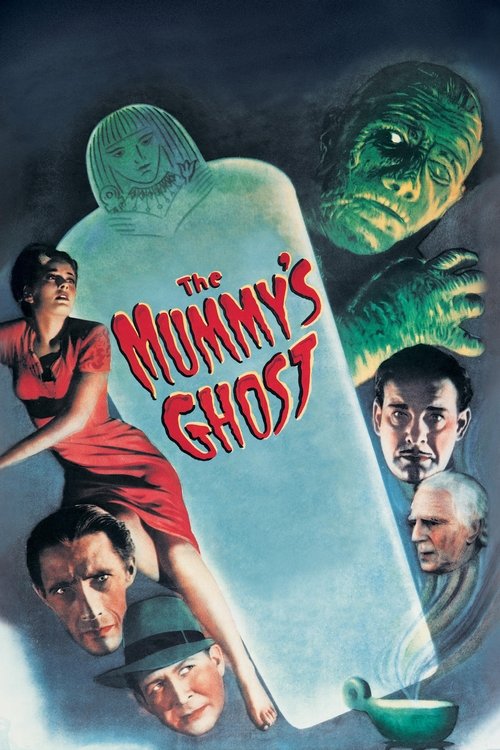
The Mummy's Ghost1944
Late-era Universal horror with Chaney Jr. again, this time cursed and wrapped in bandages. It's melancholy and strange, less interested in scares than in the weight of fate and ancient vendetta.
But It's quiet to the point of tedium in stretches. The plot is thread-thin. You're watching for atmosphere and a vibe, not narrative momentum.
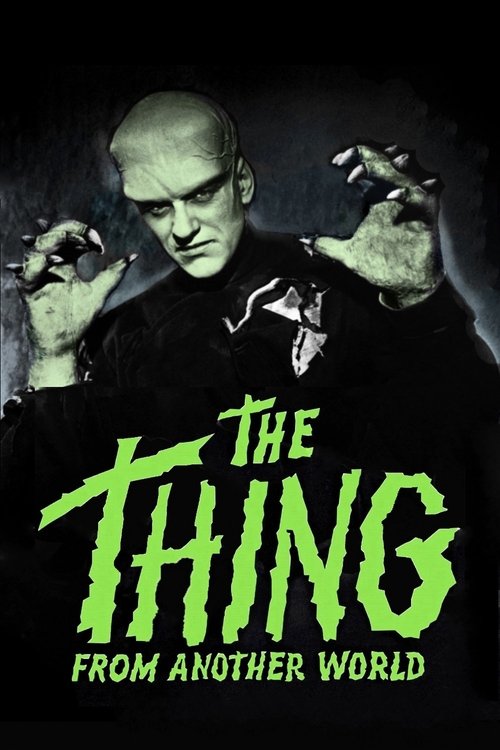
The Thing from Another World1951
Sci-fi horror that trades Gothic for paranoia and isolation. A shapeshifting alien in an Arctic station: it's tense, fast-paced, and genuinely clever about how it builds dread from confined spaces and distrust.
But The science is nonsense and the dialogue overstuffs. Some prefer John Carpenter's 1982 remake, which is moodier and slower. This one feels like the scrappier cousin.
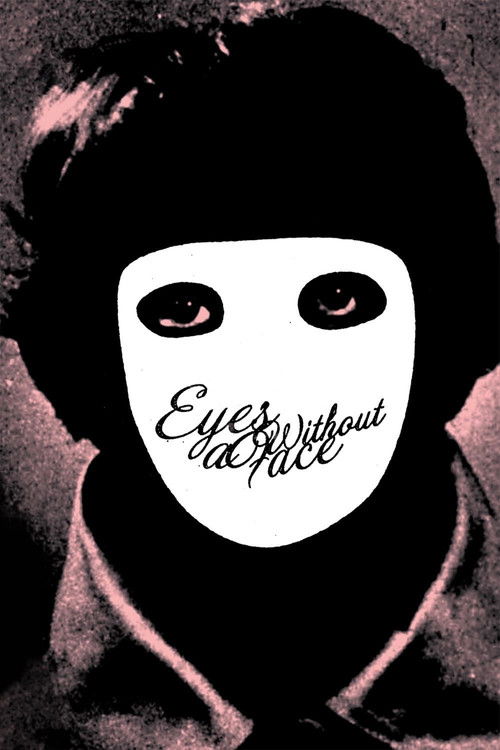
Eyes Without a Face1960
Both pit a scientist's pride against humanity. The Mad Monster rushes and shouts; Eyes Without a Face whispers and shows you nothing. Same core story, opposite approaches to horror.
A French clinical horror film where a surgeon steals women's faces to restore his daughter's. It's aesthetically gorgeous and morally sickening in equal measure. The restraint makes it worse: the horror is what you infer, not what you see. Proof that art-cinema and body horror can be the same thing.
But It's slow, cold, and refuses catharsis. There's no revenge, no justice, just ongoing tragedy. The surgical sequences are matter-of-fact in a way that troubles many viewers. It's a film that lives in discomfort.
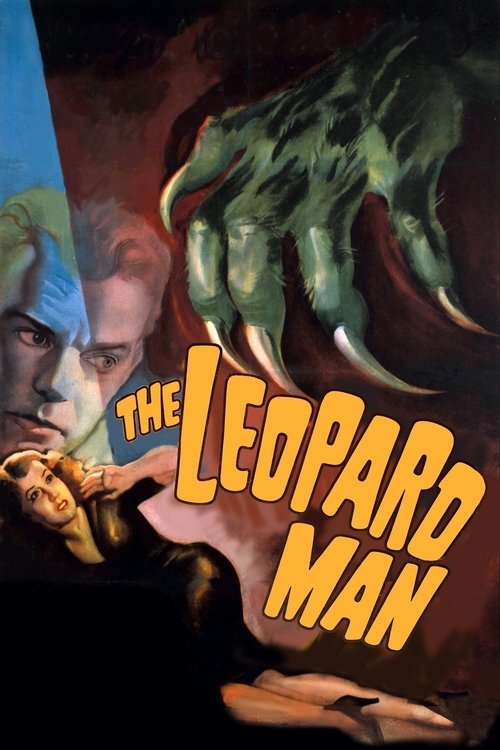
The Leopard Man1943
Both are '40s horror built on a creature that represents a man's dark impulse. But where The Mad Monster is about scientific ambition gone wrong, Leopard Man is about how evil spreads through a community regardless of cause. The Mad Monster screams; this one doesn't need to.
Jacques Tourneur's Val Lewton production: a publicity stunt with an escaped leopard becomes a murder spree. It's almost noir, shot in chiaroscuro shadows, with atmosphere that bleeds from frame to frame. Horror born from suggestion and geography, not gore. Criminally overlooked.
But Nothing explicit happens on screen. The scares are architectural—shadows, off-screen sounds, the spaces between moments. If you need to see the threat, you'll be frustrated. It's also negligible on plot.
People
Cast
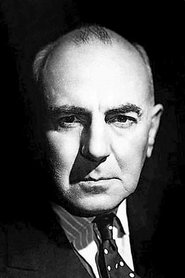 George ZuccoLorenzo Cameron
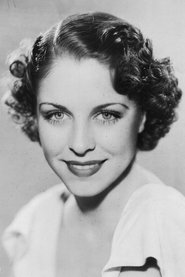 Anne NagelLenora Cameron
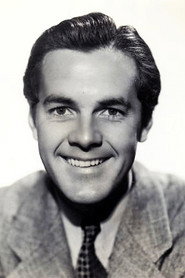 Johnny DownsTom Gregory
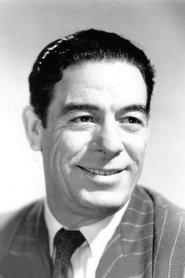 Glenn StrangePetro
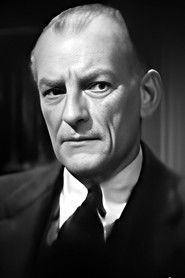 Robert StrangeProfessor Blaine
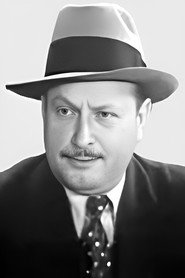 Gordon De MainProfessor Fitzgerald
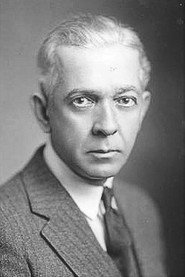 John ElliottProfessor Hatfield
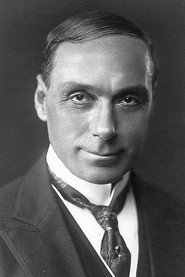 Reginald BarlowProfessor Warwick
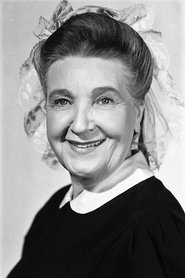 Sarah PaddenGrandmother
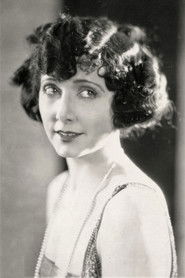 Mae BuschSusan
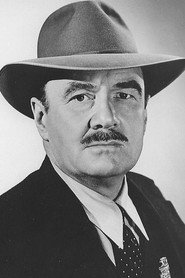 Ed CassidyFather
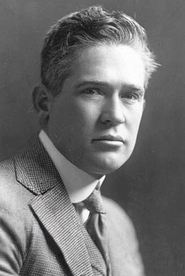 Henry HallCountry Doctor
Directing
- Melville De LayAssistant Director
- Sam NewfieldDirector
Writing
- Fred MytonScreenplay
Production
- Sigmund NeufeldProducer
- Bert SternbachProduction Manager