
Film
House of Dracula
A 1945 Universal monster mash where a mad scientist tries to cure both Dracula and the Wolf Man through blood transfusions, only to become a homicidal maniac himself. It's pulpy, unpretentious fun—monsters treated as medical cases rather than supernatural terrors. For anyone who loves classic horror's camp energy and doesn't need psychological depth.
Should you watch it?
Watch it if you enjoy creaky studio-era monster mash-ups where gothic castles, mournful werewolves and a mad-lab scientist share a cramped, cheerful sense of doom.
Skip it if you want the monsters to carry the story, since the plot keeps juggling several characters' cures and curses, and the dialogue feels stiff and perfunctory.
What it asks of you: It runs barely an hour and keeps moving briskly, so it asks for little patience and rewards you for going along with its cheerfully unlikely logic.
Not sure? Find tonight's pick in a minute.
If you liked this
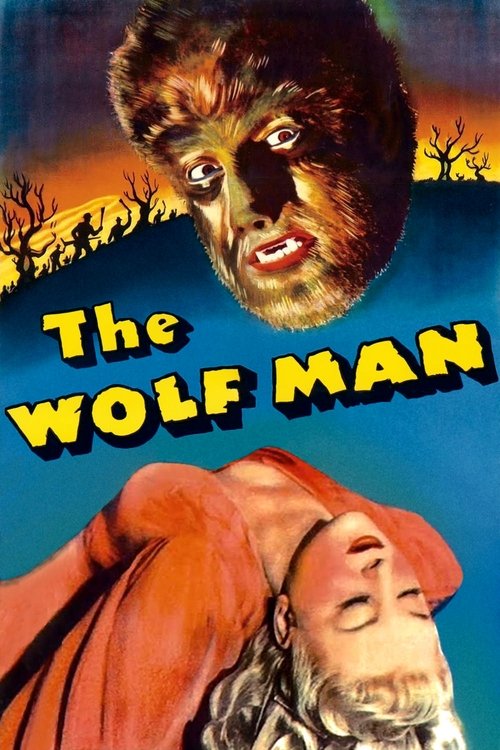
The Wolf Man1941
The definitive Wolf Man origin story, with Lon Chaney Jr. delivering genuine pathos. It sets up everything that makes House of Dracula work—a cursed man desperate for a cure, trapped by circumstances beyond his control.
But Paced slowly by modern standards, and the tragedy can feel overwrought if you're not in the mood for 1940s melodrama.
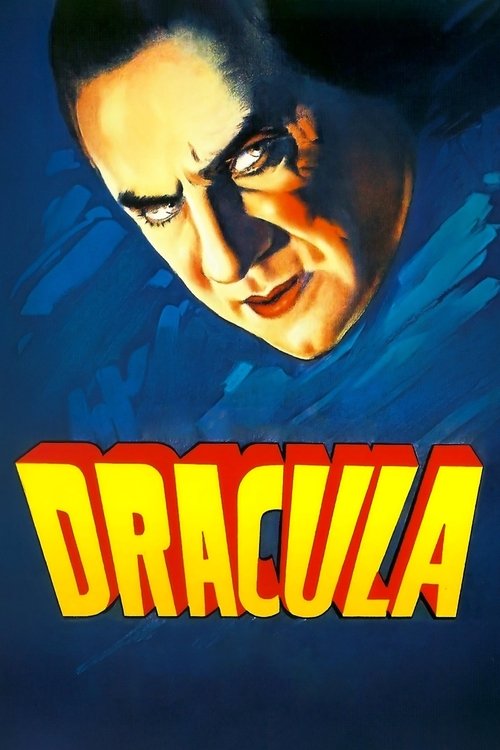
Dracula1931
Bela Lugosi's iconic turn as the Count. This is the foundation of everything that follows—atmospheric, hypnotic, the performance that defined vampires for generations. Essential context for understanding what House of Dracula is riffing on.
But It moves at a funeral pace and relies entirely on mood and performance. There's almost no action, which will bore you if you want monsters actually doing things.
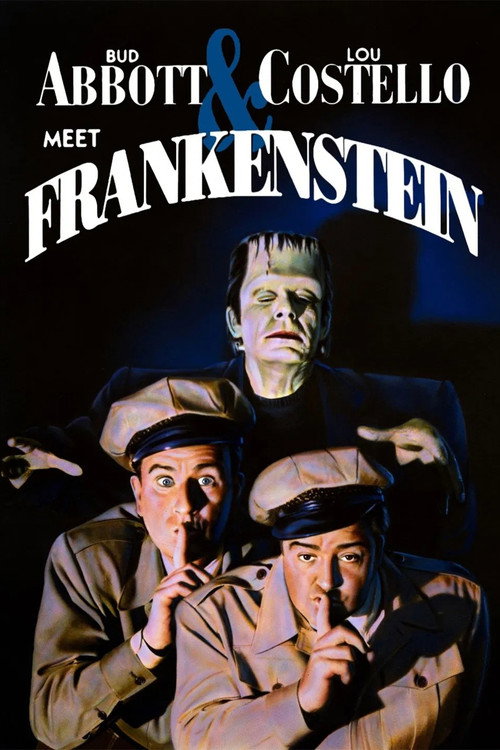
Bud Abbott and Lou Costello Meet Frankenstein1948
The same Universal monsters, but three years later and much smarter about the absurdity. Abbott and Costello actually anchor it well, and it's genuinely funny while keeping the horror affection intact.
But Comedy-horror only works if the comedy lands for you. If you find slapstick grating, this will feel interminable.
Not sure tonight? Get a pick in a minute, starting from House of Dracula
The wildcard
Something you would not have found on your own.
The Cabinet of Dr. Caligari1920
Both are stories about doctors who become monsters through their own ambition and their proximity to damaged people. The scientist corrupted by his own knowledge is Caligari's invention, and House of Dracula follows that blueprint exactly.
German Expressionist silent cinema, decades before House of Dracula, but the spiritual ancestor of everything Universal would do. A mad doctor, hypnotized subjects, twisted morality—the DNA is all here. The visual language alone is dazzling.
But Silent film, intertitles, and an aesthetic so stylized it can feel mannered if you're not ready for it. No monsters in rubber suits—just human darkness expressed through set design.

More like this (8)
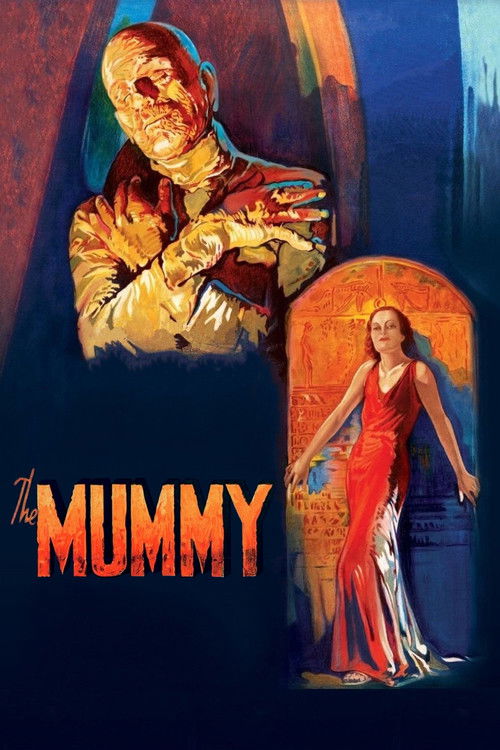
The Mummy1932
Boris Karloff in the role that made him a star. Another Universal classic that defined the monster-as-tragic-figure template. It's got atmosphere, eerie makeup work, and real craft behind the melodrama.
But Even slower than Dracula, and the plot is genuinely thin. Long stretches of very little happening.
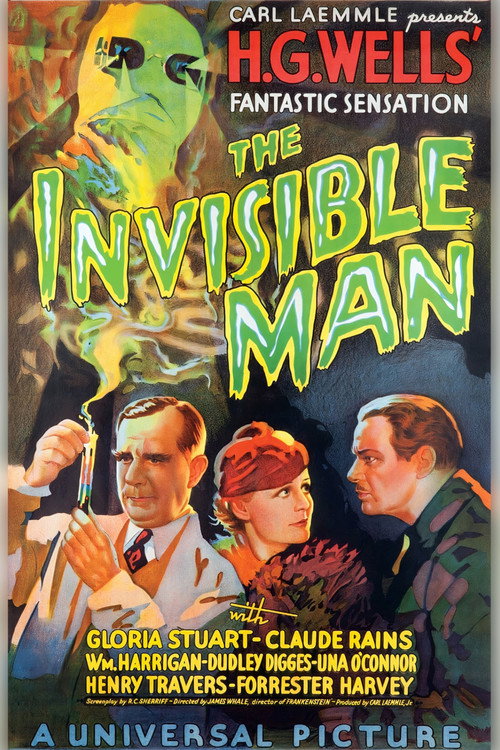
The Invisible Man1933
Universal's smartest horror entry—it uses its premise (invisibility, madness, power) to actually explore something about human nature. James Whale's direction is inventive and the special effects still hold up.
But It's more science-fiction thriller than monster movie, so if you want Gothic atmosphere, you'll be disappointed.
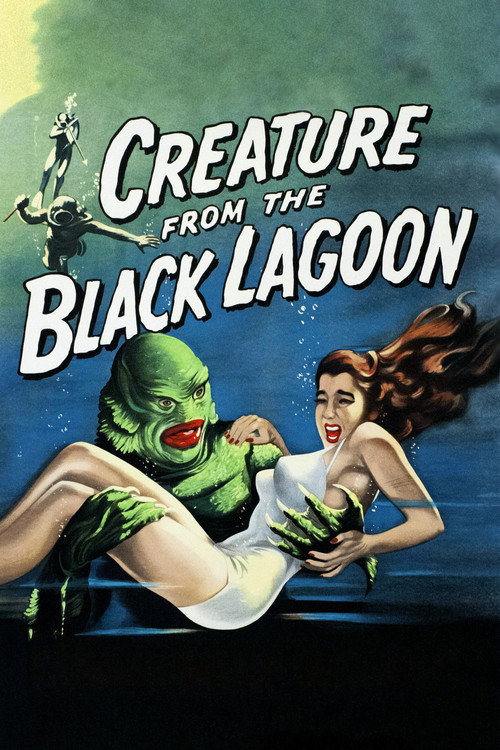
Creature from the Black Lagoon1954
Universal's last great monster picture, with a genuinely sympathetic creature design and underwater photography that's still stunning. It understands what made the earlier films work—beauty and strangeness in the monster itself.
But The human characters are thin, and the sexism of the era shows badly. The monster is more interesting than anyone around it.
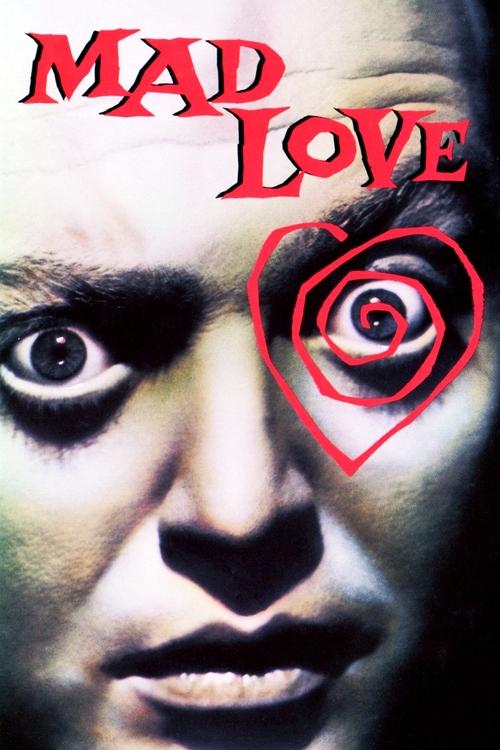
Mad Love1935
Peter Lorre as a surgeon obsessed with a pianist, willing to transplant a murderer's hands onto him. It's darker and more genuinely twisted than most Universal output—psychological horror that actually unsettles.
But It's gruesome in ways the monster movies aren't, and the ending is bleak rather than cathartic. Not fun in the same way.
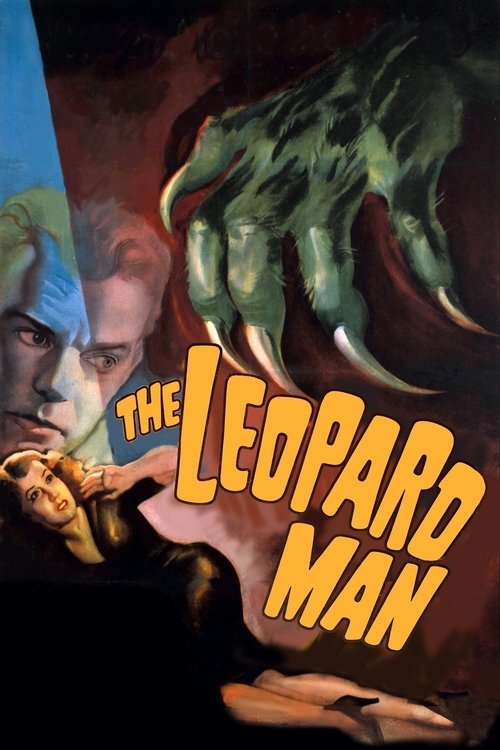
The Leopard Man1943
Val Lewton's take on monster horror—shadowy, suggestive, lean on budget but rich in dread. It proves you don't need rubber suits to be scary. The atmosphere is suffocating.
But Nothing actually happens for long stretches. If you need plot momentum, you'll check your phone.
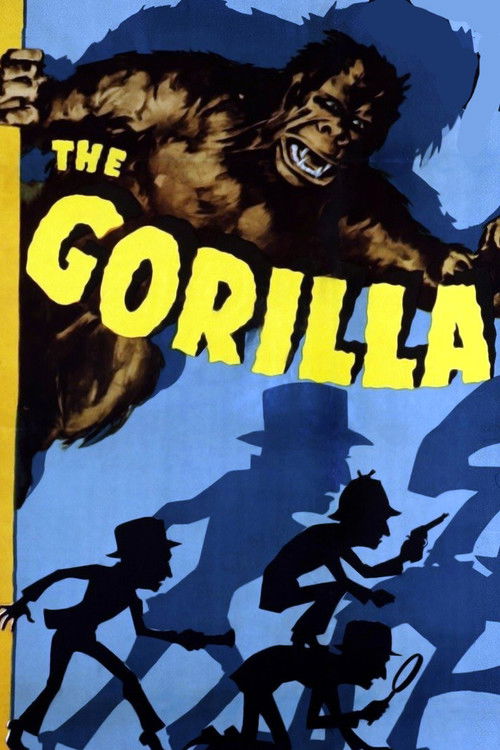
The Gorilla1939
A strange hybrid of comedy and mystery with some genuine creepiness. It's the kind of weird b-picture that makes you understand the ecosystem these films lived in—not quite anything, but committed to it.
But It doesn't quite land as either comedy or horror. The tonal whiplash might feel like indecision rather than style.
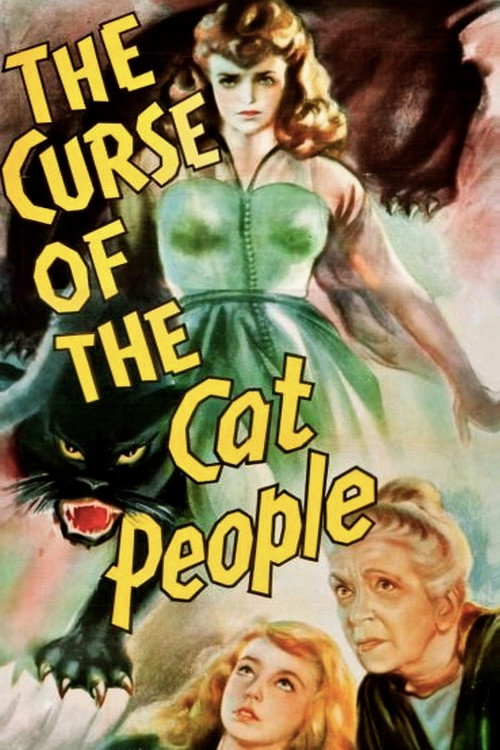
The Curse of the Cat People1944
Both use monster mythology as a diagnosis—not supernatural, but symptomatic. The difference is that Curse of the Cat People understands the patient's perspective, while House of Dracula is the mad scientist convinced he can fix what isn't broken the way he thinks.
A psychologically complex sequel (to Cat People) that's almost a gothic fairy tale. It trades scares for genuine emotion—a child, grief, memory, and whether monsters are real or internal. Far more sophisticated than its predecessor.
But It's quiet and introspective. If you're expecting monster action, you'll find a chamber piece about childhood trauma instead.
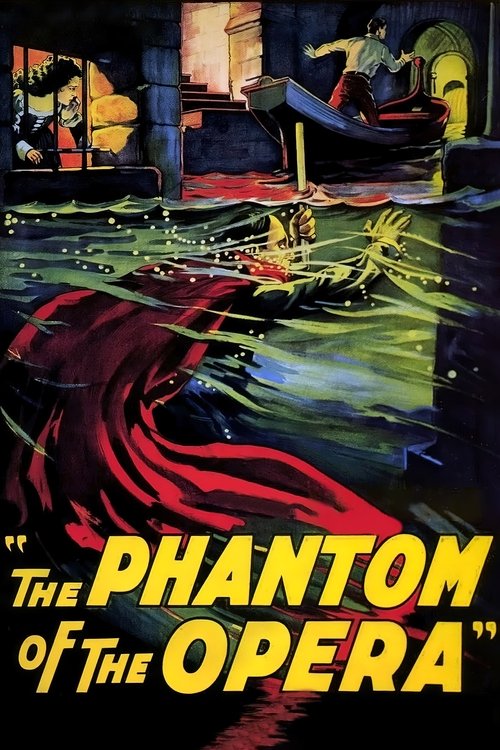
The Phantom of the Opera1925
Like the mad scientist in House of Dracula, the Phantom believes he can remake people through his will—love, correction, possession all blur together. Both films treat monstrousness as something a brilliant man inflicts on others in the name of transformation.
Silent, operatic, and genuinely strange—Lon Chaney Sr. in makeup that's both grotesque and somehow beautiful. It's pure visual storytelling without dialogue to anchor it. The masquerade ball scene alone justifies it.
But Silent film moves differently than you're used to. The pacing is deliberately mannered, and if you need dialogue to care about characters, you won't connect.
People
Cast
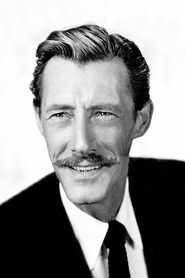 John CarradineCount Dracula
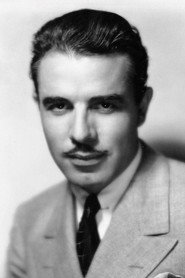 Onslow StevensDr. Franz Edelmann
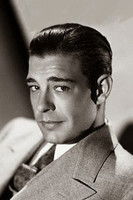 Lon Chaney Jr.Lawrence Stewart Talbot
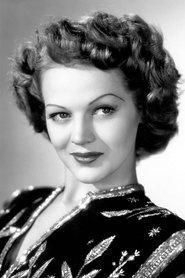 Martha O'DriscollMiliza Morelle
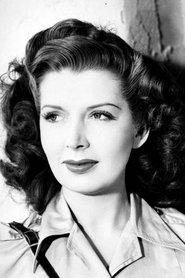 Jane AdamsNina
 Lionel AtwillPolice Inspector Holtz
 Glenn StrangeThe Frankenstein Monster
 Ludwig StösselSiegfried
 Skelton KnaggsSteinmuhl
 Joseph E. BernardBrahms - Coroner (uncredited)
 Dick DickinsonVillager (uncredited)
 Harry LamontVillager (uncredited)
Directing
- Ralph SlosserAssistant Director
- Erle C. KentonDirector
Writing
- Bram StokerCharacters
- Mary ShelleyCharacters
- Edward T. Lowe Jr.Screenplay
Production
- Joseph GershensonExecutive Producer
- Paul MalvernProducer
Recommended by
House of Frankenstein, The Cat and the Canary, Frankenstein Meets the Wolf Man, The Vampire's Ghost, The Mummy's Ghost, Scooby-Doo and the Ghoul School, The Ghost in the Invisible Bikini, Abbott and Costello Meet the Mummy, The Mummy's Tomb, Coming Soon, The Mad Doctor of Market Street, The Return of the Vampire